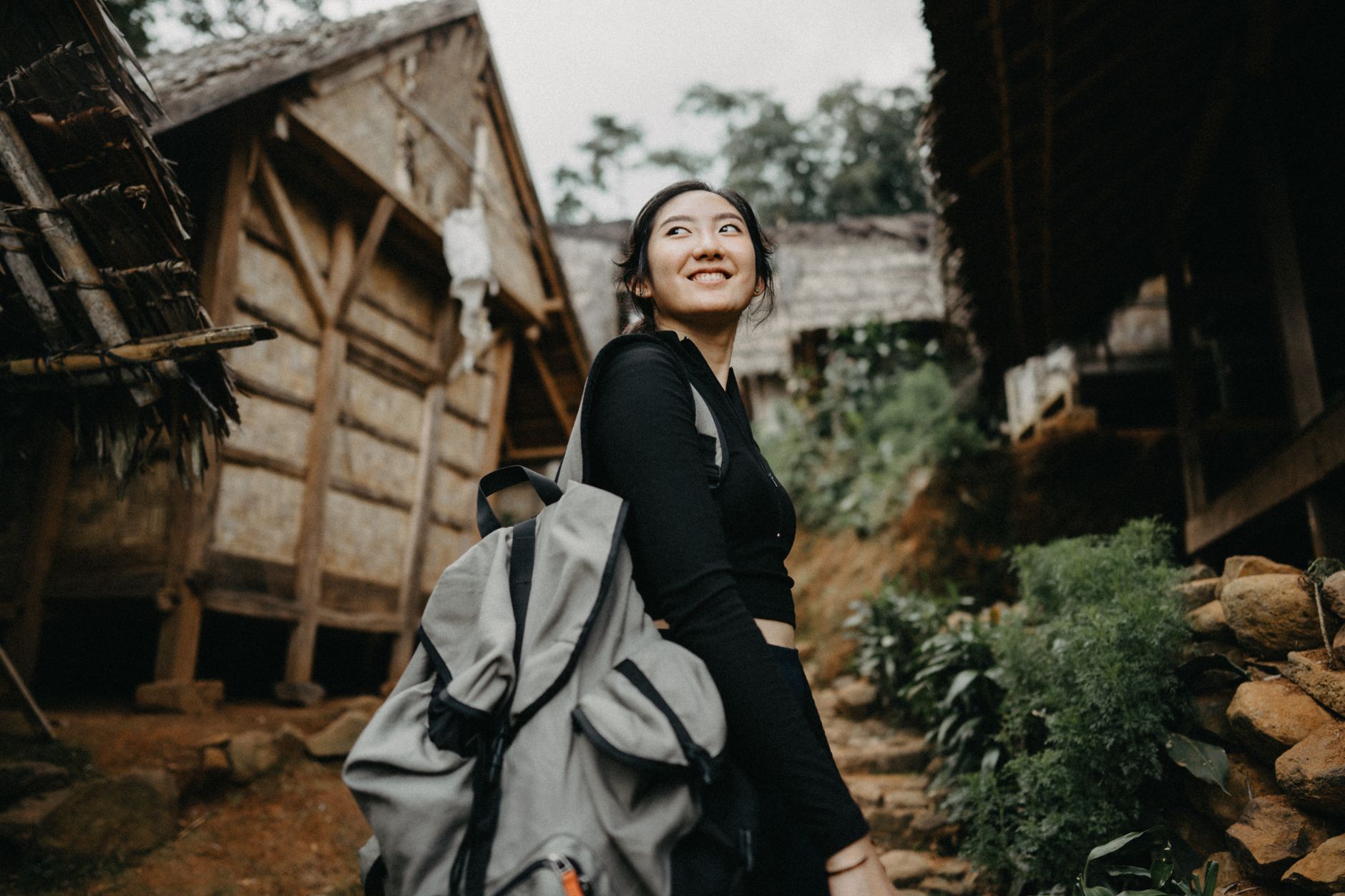
TL;DR: Massive overtourism at flagship hubs (think Venice, Kyoto, and Santorini) has created an unexpected phenomenon: incredible adjacent regions and resilient heritage destinations are experiencing temporary dips in visitor counts. From empty cloud-forest ruins in Northern Peru to serene, bus-free stone villages in Jordan, this definitive guide breaks down five world-class destinations with declining tourist numbers that offer cheaper rates, hyper-authentic experiences, and empty trails. ---
The Unexpected Reality of Modern Travel
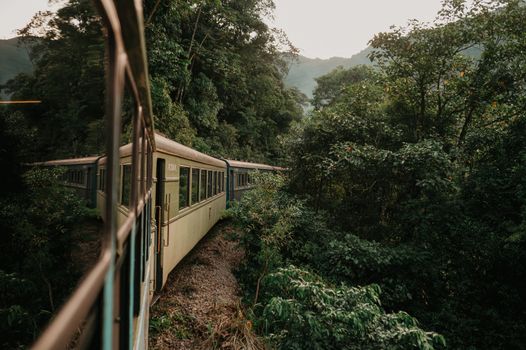
I stepped off the local diesel train at Oboke Station as a cool, mountain vapor rolled off the Yoshino River, smelling sharply of wet cedar and crushed river mint. Five years ago, getting onto a platform in Japan meant jockeying through a sea of rolling suitcases and selfie sticks. But here, deep in the emerald folds of the Iya Valley, the silence was almost deafening. The station master was asleep behind glass. The local ramen shop—where the broth simmered with smoked flying fish and tart sudachi citrus—had four empty stools waiting for me.
While headlines scream about overtourism, rowdy crowds, and tourist bans in European capitals, a parallel reality has emerged: incredible regions across the globe are experiencing sharp, temporary drops in visitor numbers. Whether due to shifted flight corridors, sensationalized news cycles, localized economic pivots, or over-concentration in neighboring postcard hubs, these places are currently empty, affordable, and practically begging for conscious travelers.
If you are tired of queuing two hours for a photo of a sunset, here are five world-class destinations with declining tourist numbers worth visiting right now.
---
1. The Dana Biosphere & The South: Jordan’s Silent Sandstone Wilderness
``` +-----------------------------------------------------------------------------------+ | QUICK FACTS: DANA & FEYNAN, JORDAN | +----------------------+------------------------------------------------------------+ | Best Time to Visit | October – April (Spring blooms, mild canyon hikes) | | Daily Budget | $65 – $140 USD / day (Includes guesthouse & local guide) | | Transit Access | 3-hour drive south from Amman via the King’s Highway | | Crowd Index | Very Low (Visitor numbers down ~35-40% regionally) | +----------------------+------------------------------------------------------------+ ```
Why the Numbers Dropped
Due to regional geopolitical anxiety across the broader Middle East, international leisure travel to Jordan took a hit over the last year. Despite the country maintaining absolute domestic stability, peaceful borders, and welcoming hospitality, booking cancellations surged. The result? World-class hiking reserves and historic trading posts are currently stripped of their usual tour buses.
What You Are Missing
The Dana Biosphere Reserve is a geological miracle—a 320-square-kilometer canyon system dropping from 1,500 meters above sea level down to the sub-sea level floor of Wadi Araba. Walking through the 15th-century stone village of Dana feels like stepping into a forgotten centuries-old mountain kingdom.
``` [High Plateau: Cedar & Oak Forest] \ \ <-- Wadi Dana Trail (14km hike) \ [Arid Desert Floor: Feynan Eco-Lodge] ```
Instead of sharing the canyon rim with hundreds of day-trippers, you'll walk past wild pistachio trees and ancient terraced gardens listening only to the whistle of desert wind and the distant bell of a Bedouin goat herd.
Insider Pro-Tip
Skip the commercial hotels in Petra for your overnight base and stay at the community-run guesthouses in Old Dana Village.
- The Secret Spot: Request a dinner of Bedouin Zarb (lamb and vegetables slow-roasted underground over fruitwood embers) at the family-run Tower Hotel.
- Timing: Start the 14-kilometer downhill hike from Dana to Feynan Eco-Lodge at precisely 06:30 AM. You will track through four distinct eco-zones before the heat hits the canyon floor, with complete solitude guaranteed.
---
2. Northern Peru: The Forgotten Fortress of Chachapoyas
``` +-----------------------------------------------------------------------------------+ | QUICK FACTS: CHACHAPOYAS & KUÉLAP, PERU | +----------------------+------------------------------------------------------------+ | Best Time to Visit | May – October (Dry season; clear skies for hiking) | | Daily Budget | $45 – $90 USD / day (Incredibly high value) | | Transit Access | Flight from Lima to Jaén, then a 3.5-hour shared van | | Crowd Index | Ultra Low (Under 50 international visitors per day) | +----------------------+------------------------------------------------------------+ ```
Why the Numbers Dropped
While southern Peru (Cusco, the Sacred Valley, Machu Picchu) wrestles with strict trail quotas and high ticket prices, the cloud forests of Northern Peru suffered a drop in transit connections following temporary infrastructure repairs on the access roads to Kuélap. Though fully accessible today via a modern cable car system, major international tour operators have been slow to re-add the north to their glossy brochures.
``` KUÉLAP vs. MACHU PICCHU: AT A GLANCE
[Kuélap Fortress] [Machu Picchu] • 3,000m altitude • 2,430m altitude • Built by "Cloud Warriors" • Built by Incas • ~50 tourists / day • ~4,500 tourists / day • Massively reduced costs • High ticket/transit fees ```
What You Are Missing
Kuélap is often called the "Machu Picchu of the North," but structurally, it is vastly more imposing. Built by the pan-pipe playing Chachapoyas ("Warriors of the Clouds") around 600 AD—predating the Incas by centuries—this massive walled citadel sits atop a limestone ridge 3,000 meters above sea level.
Its outer stone walls soar 20 meters high, encasing over 400 circular stone dwellings covered in bromeliads and orchids. Down in the valleys, mist rolls over cliffside tombs like Karajía, where two-meter-tall sarcophagi stand perched precariously on limestone ledges overlooking the forest canopy.
Insider Pro-Tip
- The Access Key: Take the early 08:00 AM cable car (Telesférico) from the village of Tingo up to the fortress. You will often have the entire upper citadel complex to yourself for at least ninety minutes before local regional vans arrive.
- Local Flavor: Stop by La Real Casona in Chachapoyas town for a hot cup of locally harvested cloud-forest coffee paired with Cecil, a mountain-cured smoked pork specialty doused in wild yellow pepper salsa.
---
3. The Iya Valley, Japan: Solitude in the Thatch-Roofed Highlands
``` +-----------------------------------------------------------------------------------+ | QUICK FACTS: IYA VALLEY (SHIKOKU), JAPAN | +----------------------+------------------------------------------------------------+ | Best Time to Visit | May (Fresh green leafing) or November (Fall foliage) | | Daily Budget | $90 – $220 USD / day (Higher end includes traditional Ryokan)| | Transit Access | Express train from Okayama to Oboke, then local mountain bus| | Crowd Index | Low (Far removed from the overcrowded Golden Route) | +----------------------+------------------------------------------------------------+ ```
Why the Numbers Dropped
Japan is breaking overall tourism records, but the vast majority of visitors are tightly packed along the hyper-congested "Golden Route" (Tokyo–Hakone–Kyoto–Osaka). Recent hikes in the national JR Rail Pass prices caused self-directed budget travelers to shorten their geographical footprint, causing secondary and tertiary rural islands—like Shikoku—to experience a sharp dip in foreign footprints relative to the main cities.
What You Are Missing
The Iya Valley is one of Japan’s "Three Hidden Regions." Cut deep into the mountains of Tokushima Prefecture, this steep-sided canyon was historically used as a refuge by defeated samurai of the Taira clan in the 12th century. They built secret vine bridges (Kazurabashi) woven from mountain kiwi vines across the raging river, which could be chopped down if enemies approached.
``` Traditional Thatch-Roof Farmhouses (Kayabuki) ============================================= [ Cedar Shingle Roof ] || [ Sunken Hearth (Irori) ] ---> Smoked River Trout & Mountain Miso || [ Tatami Living Space ] ```
Today, thatched-roof farmhouses (kayabuki) hang on steep mossy hillsides, surrounded by bamboo groves and mist. It is the antithesis of modern, crowded Japan.
Insider Pro-Tip
- Where to Stay: Rent a restored 300-year-old thatched roof cottage through the Chiiori Trust in Nagoro village.
- The Secret Dish: Skip the commercial restaurants at the base of the main bridge. Head up-valley to Iya Soba Momiji, a family-run wooden shack. Order the hand-cut, 100% buckwheat Iya Soba served in hot broth topped with wild mountain ferns (warabi) and fried tofu skin (aburaage).
- Logistics: Rent a small compact car at Takamatsu Airport; local mountain buses run only twice a day to the deepest parts of the upper valley.
---
4. The Peloponnese Coast, Greece: Bypassing the Cycladic Chaos
``` +-----------------------------------------------------------------------------------+ | QUICK FACTS: MANI PENINSULA & NEMEA, GREECE | +----------------------+------------------------------------------------------------+ | Best Time to Visit | May – June or September – October (Warm water, no heatwaves)| | Daily Budget | $70 – $150 USD / day | | Transit Access | Easy 2.5-hour drive from Athens International Airport | | Crowd Index | Moderate-Low (Drastic drop compared to Santorini/Mykonos) | +----------------------+------------------------------------------------------------+ ```
Why the Numbers Dropped
While cruise ships dump up to 17,000 passengers per day onto the narrow cliffs of Santorini, the mainland Peloponnese peninsula has seen international package holiday bookings soften as airlines prioritize island routes. The result is a massive, olive-rich paradise hiding right across the Gulf of Corinth, entirely unbothered by cruise ship crowds.
What You Are Missing
Instead of concrete resort blocks and hyper-marked-up sunset cocktails, the Peloponnese offers:
``` [ Nemea ] --------> Ancient Vineyards & Agiorgitiko Red Wines | [ Nafplio ] -------> Venetian Fortresses & Marble Paved Streets | [ Mani Coast ] ----> Fortified Stone Towers & Secret Sea Caves ```
Here, coastal towns like Kardamyli and Limeni boast stone tower houses rising straight out of turquoise sea coves. You can swim off empty limestone ledges, hike through olive groves where Spartan warriors once trained, and drink ancient-variety wines for €4 a glass at family-run tavernas where the owner's grandmother is still in the kitchen rolling dolmades.
Insider Pro-Tip
- Secret Beach: Skip the paved beach resorts around Kalamata and drive south down the rugged Mani coast to Foneas Beach. Tucked at the exit of a pine-scented gorge, this pebble cove features a massive natural rock monolith in the middle of the bay you can leap from into crystal waters.
- Wine Route: Stop at Domain Skouras in the Nemea wine region. Ask for a private tasting of their single-vineyard Agiorgitiko (Saint George) aged in French oak—a deep, spicy red wine that rival top Bordeaux at a fraction of the cost.
---
5. The Eastern Fjords of Iceland: Eastfjords Without the Ring-Road Rush
``` +-----------------------------------------------------------------------------------+ | QUICK FACTS: SEYÐISFJÖRÐUR & EASTFJORDS, ICELAND | +----------------------+------------------------------------------------------------+ | Best Time to Visit | June – August (24-hour daylight, open mountain passes) | | Daily Budget | $120 – $250 USD / day | | Transit Access | Domestic flight from Reykjavík to Egilsstaðir (1 hour) | | Crowd Index | Very Low (Less than 12% of total Iceland tourists visit) | +----------------------+------------------------------------------------------------+ ```
Why the Numbers Dropped
Iceland’s total visitor numbers stabilized after peak post-pandemic highs, but the concentration remains overwhelmingly biased toward the South Coast (Golden Circle, Vik, Blue Lagoon). As car rental prices peaked, self-drive travelers shortened their trips, turning around at Hofn and missing the far Eastern Fjords entirely.
``` ICELAND TRAVEL CONCENTRATION
[South Coast] ===========================> 85% of total tourists [North/West] =============> 45% of total tourists [Eastfjords] ===> 12% of total tourists (SOLITUDE ZONE) ```
What You Are Missing
The Eastfjords contain the oldest geological formations in Iceland—carved out by glaciers over 18 million years ago. Here, sheer basalt mountains plunge directly into narrow ocean inlets where wild reindeer roam the roadside and Atlantic puffins nest on rocky islets without thousands of tourists snapping photos around them.
The village of Seyðisfjörður, reached via a winding mountain pass that cuts through snowfields even in mid-summer, is a cluster of 19th-century colorful wooden houses set against towering waterfalls dumping into the head of the fjord.
Insider Pro-Tip
- Puffins Without Crowds: Head to Borgarfjörður Eystri (a 1-hour gravel-road drive north of Egilsstaðir). A wooden boardwalk takes you within three feet of thousands of nesting puffins on a small marina islet—completely free, with zero fences and rarely more than ten other humans present.
- Where to Eat: Book a seat at Nordic Restaurant inside Hotel Aldan in Seyðisfjörður. Order the slow-cooked mountain lamb shoulder served with wild birch berry reduction and butter-poached local arctic char caught that morning in the fjord.
---
How to Travel Responsibly in Emerging Solitude Zones
Visiting places with lower or declining tourist numbers requires a shift in mindset compared to navigating hyper-touristed cities. When you visit these quieter emerging spots, your economic footprint matters significantly more:
- Spend Hyper-Locally: In over-touristed hubs, money often leaks out to foreign-owned hotel conglomerates. In places like Dana, Jordan, or the Iya Valley, spending money at independent guesthouses directly keeps local schools, heritage projects, and agricultural terraces alive.
- Respect Rural Pace: Don't expect 24-hour room service or instant transport transfers in the Eastfjords or Northern Peru. Embrace the slower cadence—it's precisely why these places have preserved their authentic character.
- Hire Local Guides: In destinations recovering from dips in international visitors, hiring a local guide (like a Bedouin tracker in Dana or an indigenous mountain guide in Chachapoyas) costs very little in Western currency terms but provides a crucial, dignified living wage.
---
Final Thoughts: The Strategic Traveler's Advantage
Overtourism is a choice of geography, not an absolute reality. By shifting your sights just two hours off the beaten track—or choosing regions currently overlooked by mass tour operators—you unlock an entirely different tier of travel. You get lower prices, warmer hospitality, stress-free logistics, and the rare privilege of standing before world-class landscapes without a sea of phone screens blocking your view.
The world hasn't run out of secret places. Most people just keep returning to the exact same ones. Pack your bags, book the secondary route, and discover what the crowds are missing this year.
---
More pictures

Tags
Share this guide
We may earn a commission if you click a link and buy a product or service, at no extra cost to you. How affiliate links work.
Been there?