
Are you tired of crowded tourist traps and feeling like just another face in the crowd? This isn't just another travel guide; it's your blueprint to unlocking the world's best-kept secrets, traveling like a true local, and experiencing destinations in a way that truly matters—without contributing to overtourism. Get ready to transform your adventures and discover the magic that only respectful, conscious travel can reveal. ---
The Secret Handshake: How to Travel Without Contributing to Overtourism (Locals Don't Want Tourists to Know)
I remember standing on the Rialto Bridge in Venice, shoulder-to-shoulder with what felt like a million other tourists, all craning for the same Instagram shot. The air buzzed with a dozen languages, but the authentic whispers of Venetian life felt drowned out, replaced by the relentless churn of mass tourism. A gondolier, his face etched with a mix of weariness and resignation, punted past, barely making eye contact with the throngs. In that moment, it hit me: this wasn't the Venice I'd dreamed of, and more importantly, it wasn't the Venice its residents deserved.
It was a turning point. I realized that my desire to explore the world, to connect with different cultures, was inadvertently contributing to a global problem: overtourism. You know the drill – iconic spots choked with visitors, local life priced out, fragile ecosystems strained, and authentic culture diluted. It's the ugly side of our beautiful passion for travel, and honestly, the travel industry often doesn't want you to know the extent of it because, well, it's bad for business.
But what if there was a better way? What if you could experience the magic of a destination, not just as a fleeting visitor, but as a temporary, respectful resident? What if you could uncover the hidden gems, the local haunts, and the genuine connections that transform a trip into an unforgettable journey?
That's the promise of this post. It’s a guide forged from years of trial, error, and countless conversations with locals around the globe – from the bustling markets of Marrakech to the quiet villages of Portugal. This isn't about shaming anyone; it's about empowering you with the knowledge and the mindset to travel more mindfully, more deeply, and more joyfully. It’s about joining the ranks of travelers who understand the secret handshake: how to explore the world without loving it to death.
Get ready. This is how you travel without contributing to overtourism, the way locals wish everyone would.
---
1. Ditch the Checklist, Embrace the "Un-Itinerary": The Art of Slow Travel
The biggest culprit behind overtourism? The "hit-it-and-quit-it" mentality. We fly halfway across the world, cram five cities into a week, and tick off every major landmark like it's a scavenger hunt. This creates concentrated pressure points, overwhelming popular sites and leaving little room for genuine discovery.
The Local Secret: Locals don't rush through their own cities. They linger, they savor, they have their favorite coffee shops and hidden parks. To travel like them, you need to slow down.
- Stay Longer, See Less (But Experience More): Instead of bouncing between three cities in Italy, pick one region – say, Puglia – and spend a full week there. Dedicate days to exploring a small town, taking a cooking class, or simply relaxing at a local café. My trip to the Algarve region in Portugal, where I spent 10 days exploring tiny fishing villages like Ferragudo and Alvor instead of just hitting Faro, was infinitely more rewarding than my rushed week in Lisbon. I discovered hidden beaches only accessible by foot, ate fresh seafood at family-run tascas, and felt a true sense of belonging.
- Avoid Peak Season & Weekends: This is perhaps the most straightforward tip. Visiting Kyoto during cherry blossom season? Prepare for crowds that would make Times Square blush. Instead, consider shoulder seasons (late spring/early fall) or even the "off-season" if the weather permits. I once visited Amsterdam in November; yes, it was chilly, but the canals were quieter, museums were less crowded, and I felt like I had the city to myself, rather than sharing it with a million other selfie sticks.
- Embrace the "Un-Itinerary": Don't plan every minute. Leave entire afternoons free for wandering. Ask your guesthouse host or a shopkeeper for their favorite spot for a sunset view or a quiet drink. Often, these spontaneous discoveries lead to the most memorable moments. I remember being told by a local in Rome to skip the Spanish Steps and instead find the "secret garden" on Aventine Hill – a peaceful oasis with a keyhole view of St. Peter's Basilica. It was magic, and I never would have found it on Google.
Practical Tip: When booking flights and accommodation, play with your dates. Sometimes shifting your trip by just a week or two can make a huge difference in crowd levels and even prices. Look for mid-week deals or consider traveling during local school terms.
---
2. Beyond the Postcard: Diving Deep into Local Life & Supporting True Community
The biggest chain hotels, the international tour operators, the global restaurant franchises – they funnel tourist money away from the local economy, often directly into the pockets of multinational corporations. This is a huge part of why locals feel resentment: they bear the brunt of overtourism without seeing the economic benefit.
The Local Secret: Real connections happen in small, local spaces. Your money, when spent wisely, can be a powerful force for good.
- Choose Local Accommodation: Skip the big chains. Opt for boutique hotels run by local families, guesthouses, B&Bs, or homestays (like certain Airbnb rentals where the host lives on-site or owns multiple local properties). In Cuba, staying in "casas particulares" (private homes) isn't just an authentic experience; it's a direct lifeline for local families, often costing around $25-40 USD/night. In Italy, look for "agriturismo" – farm stays where you live and eat on a working farm, usually run by generations of the same family.
- Eat Local, Truly Local: Avoid restaurants with menus in 10 languages and pictures of every dish. Look for places packed with locals – a good sign is a handwritten menu, or a server who speaks limited English (don't worry, a smile and pointing usually work wonders!). Seek out local markets for fresh produce, street food vendors, and small bakeries. My favorite meal in Thailand wasn't in a fancy restaurant, but a tiny, unassuming stall in Chiang Mai serving Khao Soi for about 50 baht ($1.50 USD) – the richest, most flavorful curry I've ever had, made by a grandmother who had been cooking it for decades.
- Book Local Guides & Experiences: Instead of large bus tours, seek out independent local guides. Many offer unique, personalized tours that delve into specific aspects of local culture, history, or even food scenes. Platforms like Airbnb Experiences can be great for this, but always check reviews to ensure the host is genuinely local. I once took a street art tour in Berlin with a local artist who gave us incredible insights into the city's counter-culture history – something a standard tour would never provide. Expect to pay around $30-60 USD for a half-day local tour, a small price for invaluable insight.
- Learn a Few Phrases: Even a simple "hello" (hola, bonjour, konnichiwa), "thank you" (gracias, merci, arigatou), and "please" (por favor, s'il vous plaît, onegaishimasu) can open doors and show respect. Locals appreciate the effort, even if your pronunciation is terrible!
Practical Tip: Before you go, research local community-based tourism initiatives. These are often small, locally-run projects designed to benefit the community directly. For example, in many parts of Southeast Asia, you can find homestays or trekking tours directly managed by indigenous communities.
---
3. The Power of Your Purse: Ethical Spending & Supporting Authentic Crafts
Souvenirs are tempting, but often those "authentic" trinkets are mass-produced in factories far away, with little to no benefit for the local artisans. The same goes for many large souvenir shops or duty-free zones.
The Local Secret: True craftsmanship and local enterprise are found in smaller workshops, markets, and independent boutiques.
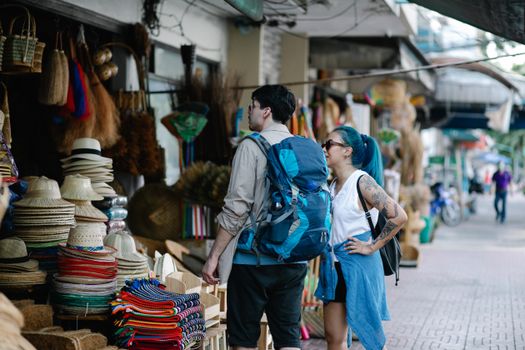
- Buy Directly from Artisans: Seek out local markets, artisan cooperatives, or small workshops. Watch them work if possible. This ensures your money goes directly to the creator, supporting their craft and livelihood. In Mexico, I once spent an afternoon in Oaxaca visiting a family of Zapotec weavers, learning about their natural dyeing process and buying a hand-woven rug directly from them. It was more expensive than something from a tourist shop, but it told a story and supported a tradition.
- Avoid Mass-Produced Souvenirs: If it's identical in every shop, it's probably not local. Look for unique items, things made with local materials, or food products from the region.
- Use Local Transportation: Whenever possible, use public transport – buses, trains, subways. Not only is it often cheaper (a metro ride in Paris is about €1.90, a bus in Rome €1.50), but it's also how locals get around. It reduces your carbon footprint and gives you a glimpse into daily life. Plus, you’ll avoid contributing to traffic congestion that irritates locals.
- Haggle Respectfully (Where Appropriate): In many cultures (like parts of Asia, Africa, and the Middle East), haggling is part of the shopping experience. Do it with a smile, a sense of humor, and never be aggressive. Remember, a few cents might mean very little to you, but a lot to a local vendor. If they won't budge on price, respect it.
Practical Tip: Carry small denominations of local currency. Many small vendors or street food stalls might not have change for large bills, and it’s just more convenient for everyone.
---
4. Respect & Responsibility: Being a Mindful Guest, Not a Demanding Tourist
It’s easy to forget that we are guests in someone else's home. Our actions, however small, can have a cumulative impact on the local environment and culture.
The Local Secret: Locals appreciate visitors who show genuine interest and respect for their way of life.
- Research Local Customs & Etiquette: Before you go, spend 15 minutes researching basic cultural norms. What's the dress code for religious sites? Is it appropriate to photograph people? What are the tipping customs? In many parts of Southeast Asia, covering your shoulders and knees is essential when visiting temples. In Japan, bowing is a sign of respect. Knowing these small details prevents unintentional offense and shows you care.
- Minimize Your Environmental Footprint:
- Reduce Plastic: Carry a reusable water bottle and fill it up. Say no to plastic bags.
- Conserve Resources: Turn off lights and AC when you leave your accommodation. Take shorter showers.
- Dispose of Waste Properly: Don't litter. Learn about local recycling options if available.
- Respect Nature: Stick to marked trails, don't disturb wildlife, and never take souvenirs from natural environments (like shells from a beach). I carry a small, foldable shopping bag for purchases and a reusable water bottle everywhere. It's a small habit, but it makes a difference.
- Ask Permission for Photos: Especially when photographing people. A simple gesture or a few words can go a long way. If they say no, respect it. You wouldn't want someone taking your picture without permission, would you?
- Be Patient & Understanding: Things might not work the way they do at home. Buses might be late, service might be slower, or communication might be challenging. Embrace it as part of the adventure, rather than getting frustrated. A smile and patience are universally appreciated.
Practical Tip: Consider packing a small, reusable tote bag for shopping and a travel-size water filter or purification tablets if you're going somewhere with questionable tap water – this saves on buying endless plastic bottles.
---
5. Unearthing the Undiscovered: Finding Your Own Hidden Gems
Everyone wants to see the Eiffel Tower, the Colosseum, the Great Wall. And that's okay! But the problem arises when these are the only things people see, creating massive bottlenecks. The world is full of incredible places that see a fraction of the visitors.
The Local Secret: The best experiences are often found just a few blocks, or a few towns, away from the main tourist drag.
- Explore Second Cities & Smaller Towns: Instead of Barcelona, consider Valencia or Girona in Spain. Instead of Bali, explore the lesser-known islands of Lombok or Flores in Indonesia. Instead of Venice, spend more time in Verona or Bologna. These places offer rich culture, history, and beauty without the crushing crowds, and often at a lower cost. My trip to Bologna, Italy, revealed a culinary paradise with stunning medieval architecture, all without the overwhelming tourist presence of Florence or Rome.
- Wander Without a Destination: This is my absolute favorite way to discover new places. Put your phone away, pick a direction, and just walk. Duck into interesting alleyways, pop into a local shop, sit on a park bench and people-watch. You'll stumble upon cafes, murals, and local interactions you'd never find in a guidebook. This is how I found a vibrant, bustling night market in Hanoi that was completely off the tourist radar, serving the most incredible street food.
- Leverage Local Blogs & Forums: Search for blogs written by locals or expats living in your destination. Join local Facebook groups (e.g., "Expats in [City Name]" or "[City Name] Foodies"). These are goldmines for recommendations on authentic restaurants, events, and lesser-known attractions.
- Ask Locals, Not Just Tour Guides: Your hotel receptionist, a friendly shopkeeper, a bartender – they often have the best tips for what to see and do away from the crowds. "Where do you go for dinner?" is a powerful question.
Practical Tip: When researching, don't just type "best things to do in X." Try "local's guide to X," "hidden gems X," or "off-the-beaten-path X." You'll be amazed at what surfaces.
---
6. The Mindset Shift: From Tourist to Temporary Resident
Ultimately, truly traveling without contributing to overtourism isn't just about a list of tips; it's a fundamental shift in mindset. It's about seeing yourself not as a consumer of experiences, but as a temporary resident, a respectful guest.
The Local Secret: Locals view their home with a sense of stewardship. Adopt a similar perspective.
- Embrace Discomfort: Sometimes, getting off the beaten path means less luxury, fewer English speakers, or different standards of comfort. Embrace it! These are the moments where real growth and understanding happen.
- Listen More, Talk Less: Observe, learn, and absorb. Engage in conversations, but also take time to simply be present and listen to the rhythms of daily life around you.
- Be Open to Change: Your plans might change, a recommendation might lead you somewhere unexpected. Be flexible and open to new experiences.
- Leave No Trace, Leave a Positive Impact: Your goal should be to leave the destination better, or at least no worse, than you found it. Support businesses that give back to the community, consider volunteering for a day, or simply be an incredibly polite and respectful guest.
This isn't just about being a "good" tourist; it's about having a richer, more profound travel experience. It’s about forging genuine connections, discovering authentic culture, and contributing positively to the places you visit. The Venice I ultimately found, after ditching the Rialto Bridge crowds and wandering into Castello, was a quiet, residential neighborhood where laundry hung from windows, children played in courtyards, and locals chatted over espresso. It was the real Venice, and it was beautiful.
---
The Journey Continues: Your Invitation to Mindful Exploration
The world is vast, beautiful, and full of untold stories waiting to be discovered. But for these stories to continue, for these cultures to thrive, we must evolve how we explore. The secrets I've shared aren't meant to be exclusive; they're an invitation to a more fulfilling, more impactful way of traveling.
So, on your next adventure, will you choose the path less traveled? Will you seek out the local, embrace the unexpected, and leave a positive footprint? The locals are waiting, and they're ready to share their world with you – if you're willing to listen.
What are your favorite ways to travel like a local? Share your hidden gems and mindful travel tips in the comments below! Let's build a community of conscious explorers.
---
More pictures


Tags
Share this guide
We may earn a commission if you click a link and buy a product or service, at no extra cost to you. How affiliate links work.
Been there?