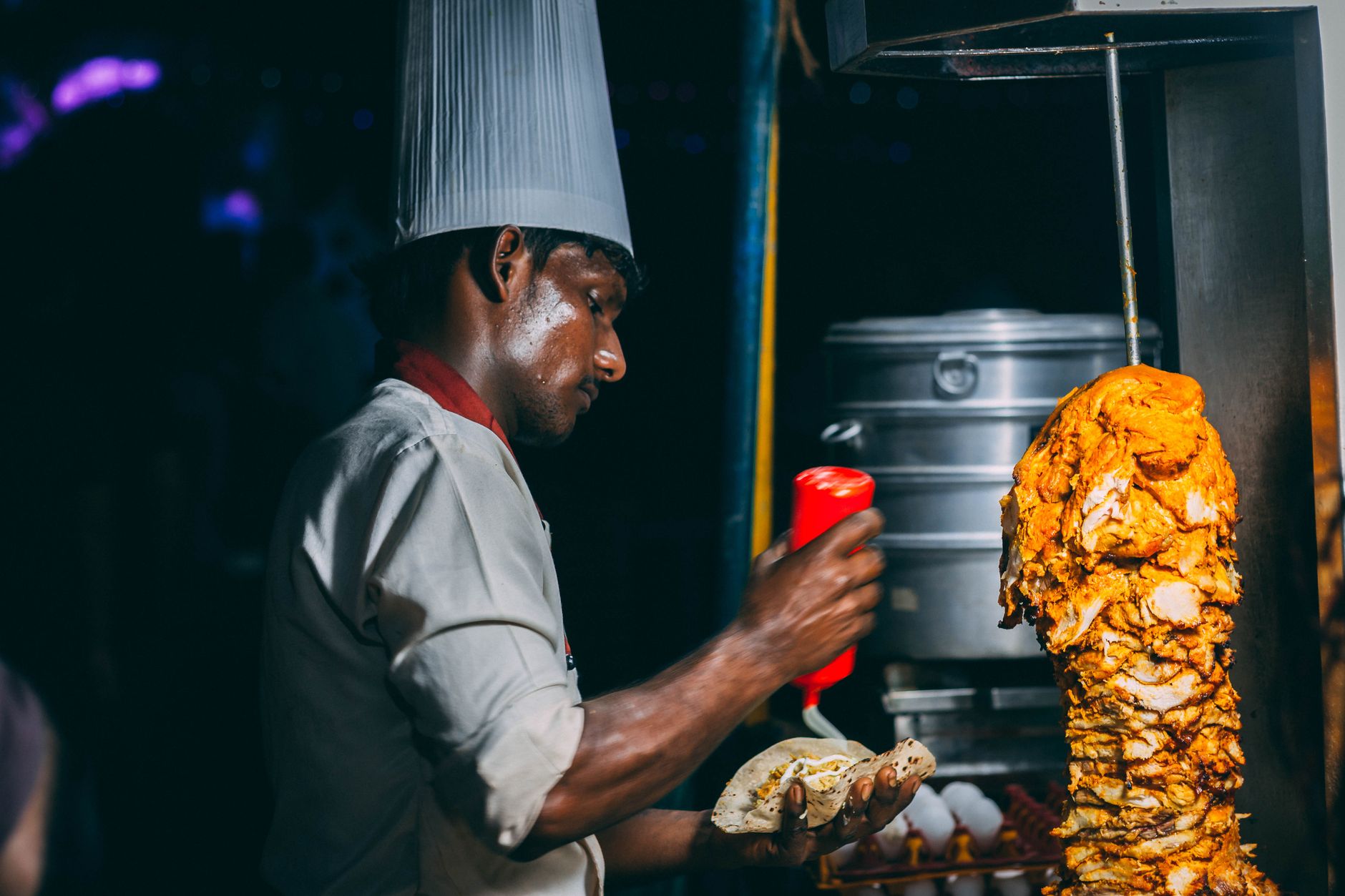
European food halls have officially pricing-priced themselves out of reality—paying €22 for three underwhelming tacos in London or Copenhagen isn't cutting it anymore. Meanwhile, across Asia, street markets are experiencing a golden age of culinary innovation, serving Michelin-recognized, charcoal-charred perfection for under $5. Here is the definitive list of 7 Asian street food markets outclassing Europe right now, complete with secret stalls, dish breakdowns, and exact budget breakdowns. ---
Asian Street Food Markets Better Than Europe Right Now
I stepped off the train at Cishan Temple station into a wall of sound and heat. The air didn't just smell like food; it felt alive—thick with rendered pork lard, sweet sesame oil, scorched scallions, and the dry, metallic sting of incandescent charcoal. To my left, an octogenarian vendor slammed a heavy cleaver onto a dense wooden stump, slicing crisp roasted pork belly with rhythmic precision. To my right, clouds of steam rose from a clay oven where black pepper pork buns were plastered directly against glowing briquettes.
Last summer, I spent €19 on a lukewarm, dry falafel wrap at a hyped food market in Berlin. Here in Taipei, I was holding a piping-hot, Michelin-lauded pepper bun that cost precisely $2.10 USD.
Let’s be honest: Europe’s food hall revolution has hit a wall. Between inflated tourist pricing, sanitized hipster stalls, and €8 artisanal lemonades, European market dining is feeling increasingly commercialized. If you want real, unadulterated, electrifying culinary craft, you need to head East. Here are seven Asian street food markets that are completely outclassing Europe right now.
---
1. Raohe Night Market (Taipei, Taiwan)
The Sizzle of Clay Ovens and Charcoal Haze
While Shilin Market gets the lion's share of tourist guidebooks, Raohe delivers the raw, high-octane energy true food obsessives crave. Stretching 600 meters along Raohe Street, this single-corridor market is framed by the glowing ornate roof of Ciyou Temple at its eastern entrance.
``` +-----------------------------------------------------------------------+ | MUST-TRY DISH: Fuzhou Ancestral Pepper Buns (Hujiao Bing) | | PRICE: 60 TWD (~$1.90 USD) | | INGREDIENTS: Marinated pork, heavy black pepper, fresh green onion, | | baked inside a clay tandoor-style oven until skin blisters. | +-----------------------------------------------------------------------+ ```
What to Eat:
Don't queue blindly. Hit Fuzhou Ancestral Pepper Buns right at the temple entrance first. Watch the workers slap dough balls onto the inside walls of molten clay ovens. The crust emerges blistering, flaky, and charred, holding a pocket of scalding, peppery pork juice. Follow this with herbal pork ribs (Yao Dong Pai Gu), simmered for hours in black medicinal broth until the meat slides clean off the bone.
- Pro-Tip: Skip the main central aisle if it's jammed. Walk the outer sidewalk shops to scope out queues, then dive in strategically.
- Insider Secret: Look for the unnamed stall selling crispy stinky tofu near the middle section marked by a yellow lantern; their double-fried technique creates a shell like glass with a pillow-soft interior.
---
2. Chowrasta & Chulia Street Night Stalls (Penang, Malaysia)
Wok Hei Masterclasses on Plastic Stools
Vienna and San Sebastian love to boast about their culinary heritage, but George Town, Penang, operates in a completely different league. The air here smells of smoke, fermented shrimp paste (belacan), and tamarind.
``` +-----------------------------------------------------------------------+ | MUST-TRY DISH: Charcoal-Fired Char Kway Teow | | PRICE: 8 MYR (~$1.80 USD) | | INGREDIENTS: Flat rice noodles, duck egg, lard crisps, bean sprouts, | | lap cheong (Chinese sausage), fresh cockles, intense smokiness. | +-----------------------------------------------------------------------+ ```
``` [ Charcoal Fire Heat ] │ ▼ [ Wok Hei (Breath of the Wok) ] ──► [ Crispy Lard + Duck Egg ] │ ▼ [ Smoky, Perfectly Seared Noodles ] ```
What to Eat:
You are here for Char Kway Teow—specifically cooked over real charcoal. The high heat infuses the flat rice noodles with wok hei (the breath of the wok), a delicate balance of char and searing heat that high-end European kitchens spend thousands trying to replicate with blowtorches. The cook tosses in duck egg, plump prawns, chili paste, and crunchy pork lard bits (bak iu pok). Wash it down with a glass of freshly pressed nutmeg juice.
- Pro-Tip: Arrive at Chulia Street by 6:00 PM before the local rush hour. The famous wok masters often sell out of duck eggs by 8:30 PM.
- Insider Secret: Walk two blocks down to Lebuh Ah Quee for Lok Lok (skewers boiled in communal broth), where locals gather around old pickup trucks converted into hot-pot stations.
---
3. Gwangjang Market (Seoul, South Korea)
A Fortress of Fermentation and Crispy Mung Beans
Forget overpriced Parisian charcuterie boards. Gwangjang Market in Seoul is an ancient, covered maze where grandmothers (adjumas) reign supreme over towering hills of hand-folded dumplings and sizzling cast-iron griddles.
``` +-----------------------------------------------------------------------+ | MUST-TRY DISH: Bindaetteok (Mung Bean Pancake) | | PRICE: 5,000 KRW (~$3.70 USD) | | INGREDIENTS: Coarsely ground mung beans, kimchi, bean sprouts, pork, | | shallow-fried in soybean oil until golden brown. | +-----------------------------------------------------------------------+ ```
What to Eat:
Take a seat on a heated bench at one of the central stalls and order Bindaetteok. You’ll watch the mung beans being ground live on stone mills right behind the stall before being mixed with kimchi and fried into a thick, golden wheel. Dip it in soy sauce packed with raw onions and pickled jalapeños. Pair it with Mayak Gimbap ("narcotic rice rolls"), brushed with toasted sesame oil and served with an addictive spicy mustard dip.
- Pro-Tip: The center of the market gets clogged with camera crews and tours. Head to the outer northern arcades for shorter lines and higher-quality Yukhoe (Korean beef tartare topped with a raw egg yolk and sweet pear).
- Insider Secret: Look for stall #70 for the absolute crispest Bindaetteok; they use twice-rendered pork fat mixed into the frying oil.
---
4. Jek Pui & The Mangkon Road Alleyways (Bangkok, Thailand)
Musical Chairs and Legendary Royal-Style Curries
While European cities lock food vendors down with mountains of red tape, Bangkok's street food scene thrives on raw agility. Located in Chinatown (Yaowarat), Jek Pui Curry operates without a single dining table.
``` +-----------------------------------------------------------------------+ | MUST-TRY DISH: Kaeng Kiew Wan Moo (Green Pork Curry) | | PRICE: 50 THB (~$1.40 USD) | | INGREDIENTS: Creamy coconut milk, Thai eggplant, tender pork shoulder,| | wild ginger, fresh sweet basil over jasmine rice. | +-----------------------------------------------------------------------+ ```
What to Eat:
This stall is famous across Southeast Asia as "Musical Chairs Curry." You line up along an alley wall, order your curry from massive, steaming brass pots, and grab a red plastic stool as soon as one opens up. You balance your plate on your knees. Order the Yellow Pork Curry or the ultra-creamy Green Curry with Beef, topped with sweet Chinese sausage (lap cheong) and a salted duck egg.
- Pro-Tip: They open at 3:00 PM and the line forms by 2:30 PM. Be there 15 minutes before the pots are uncovered.
- Insider Secret: After curry, walk 3 minutes to Talat Noi along the Chao Phraya riverbanks to grab an ice-cold, dark-roasted Thai iced coffee from century-old shophouses.
---
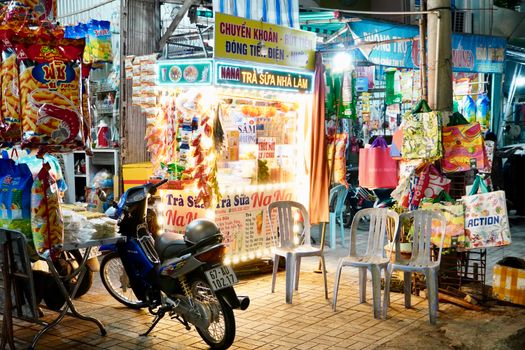
5. Han Market Alleyways & Night Food Hubs (Da Nang, Vietnam)
Unfiltered Flavors of the Central Coast
Hanoi gets the press for Pho, and Ho Chi Minh City owns Banh Mi, but central Vietnam’s Da Nang is quietly running circles around European coastal dining spot prices with its seafood and noodle craftsmanship.
``` +-----------------------------------------------------------------------+ | MUST-TRY DISH: Mi Quang | | PRICE: 30,000 VND (~$1.20 USD) | | INGREDIENTS: Turmeric-infused rice noodles, pork belly, quail eggs, | | peanuts, toasted sesame rice crackers, concentrated pork-shrimp broth.| +-----------------------------------------------------------------------+ ```
What to Eat:
Find the narrow alleyway stalls wedged between Hung Vuong and Tran Phu streets near Han Market. Order Mi Quang: turmeric-yellow rice noodles slicked in just an inch of intensely concentrated pork and shrimp broth, topped with pork belly, quail eggs, crushed peanuts, fresh herbs, and a giant sheet of crispy sesame rice paper (banh trang).
``` [ Herb Basket: Mint, Banana Blossom, Thai Basil ] │ ▼ [ Turmeric Noodles ] ──► [ Concentrated Pork Broth ] ──► [ Toasted Rice Cracker ] ```
- Pro-Tip: Mi Quang is traditionally a morning dish; visit between 6:30 AM and 9:00 AM for the freshest noodles and hottest broth.
- Insider Secret: Avoid the clean tourist restaurants on the main drag. The smaller the plastic stool, the better the food.
---
6. Shinsekai Yatai Alleyways (Osaka, Japan)
Deep-Fried Mastery in Neon Cyberpunk Corridors
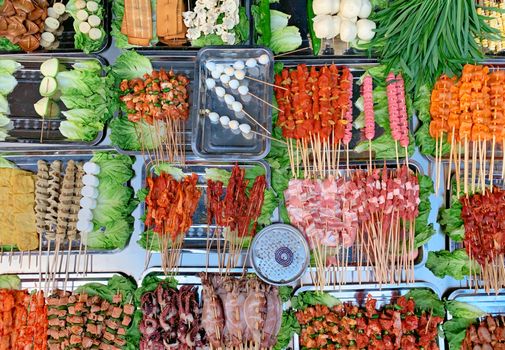
Forget overpriced London gastro-pubs offering dry £18 fish and chips. Osaka’s Shinsekai district serves master-level fried comfort food in an atmospheric retro-futuristic setting.
``` +-----------------------------------------------------------------------+ | MUST-TRY DISH: Kushikatsu (Deep-fried skewers) | | PRICE: 120-250 JPY per skewer (~$0.80 - $1.60 USD) | | INGREDIENTS: Beef, lotus root, panko breadcrumbs, light batter, | | Worcestershire-based dipping sauce. | +-----------------------------------------------------------------------+ ```
What to Eat:
Step into the narrow, lantern-lit alleys under Tsutenkaku Tower to eat Kushikatsu—skewers of tender beef, lotus root, quails' eggs, and shiitake mushrooms dipped in a feather-light panko batter and deep-fried to order in clean lard. Pair it with a freezing cold draft beer or a highball on tap.
- Pro-Tip: Pay attention to local etiquette: Never double-dip your skewer into the shared sauce container after taking a bite! (Use a piece of raw cabbage to spoon extra sauce onto your plate).
- Insider Secret: Look for Yaekatsu, a tiny 6-seat counter tucked behind the main drag that serves house-made beef tendon stewed in sweet white miso (Doteyaki).
---
7. Malin Plaza (Phuket, Thailand)
Fresh Seafood Without the Mediterranean Price Tag
While Southern Europe charges upwards of €80 for fresh grilled fish by the sea, Malin Plaza in Patong delivers fresh-caught ocean delicacies prepared in front of your eyes for a fraction of the cost.
``` +-----------------------------------------------------------------------+ | MUST-TRY DISH: Salt-Crust Grilled Whole Tilapia / Sea Bass | | PRICE: 200-300 THB (~$5.50 - $8.00 USD) | | INGREDIENTS: Fresh whole fish stuffed with lemongrass, lime leaves, | | coated in thick sea salt, grilled over open wood coals. | +-----------------------------------------------------------------------+ ```
What to Eat:
Pick out your own whole sea bass or snapper from ice beds. The vendor will stuff it with crushed lemongrass and kaffir lime leaves, pack it in coarse sea salt, and roast it slow over charcoal. The skin seals in all the moisture, leaving tender, fragrant meat that pairs with fiery green seafood dipping sauce made from fresh green chilies, lime juice, garlic, and palm sugar.
- Pro-Tip: Skip the westernized seating near the road; head deep into the central covered stalls where local workers eat.
- Insider Secret: Grab a fresh mango sticky rice from the rear stall—they use natural blue butterfly pea flower to dye half the glutinous rice.
---
Quick Facts & Budget Logistics Comparison
Here is how these Asian markets stack up against typical European market equivalents right now:
| Market & Location | Avg Meal Cost (USD) | Best Time to Visit | How to Get There | European Equivalent Cost | | :--- | :--- | :--- | :--- | :--- | | Raohe Night Market (Taipei) | $4.00 – $7.00 | 6:30 PM | MRT Songshan Station (Exit 5) | €22.00 (London/Paris) | | Chulia Street (Penang) | $3.00 – $5.00 | 7:00 PM | Free CAT Bus to Lebuh Chulia | €18.00 (Barcelona) | | Gwangjang Market (Seoul) | $5.00 – $9.00 | 11:30 AM | Jongno 5-ga Station (Exit 8) | €25.00 (Berlin) | | Jek Pui Curry (Bangkok) | $2.50 – $4.00 | 2:45 PM | MRT Wat Mangkon (Exit 1) | €16.00 (Amsterdam) | | Han Market Alleys (Da Nang) | $2.00 – $4.00 | 7:00 AM | Taxi / Grab to 119 Tran Phu | €19.00 (Lisbon) | | Shinsekai Yatai (Osaka) | $8.00 – $14.00 | 8:00 PM | Shin-Imamiya Station | €28.00 (Copenhagen) | | Malin Plaza (Phuket) | $6.00 – $10.00 | 6:00 PM | Tuk-tuk to South Patong | €45.00 (Nice/Amalfi) |
---
The Ultimate Night Market Survival Playbook
To make the absolute most of these markets without falling into amateur traps, follow these rules:
- Follow the Local Line, Not the Tripadvisor Line: If a queue consists entirely of people speaking the local language, join it immediately. If it's 100% tourists holding guidebooks, keep walking.
- Bring Cash (In Small Denominations): 90% of the world's best street food vendors do not take credit cards or Apple Pay. Keep smaller bills handy so you don't slow down the flow of business.
- Look for High Turnover: Avoid stalls where cooked food is sitting under heat lamps. Look for active flames, roaring woks, and high customer turnover—that guarantees freshness and safety.
- Embrace the Shared Table: Space is tight. If there is an open stool at a table occupied by locals, point to the stool, nod politely, and sit down. It’s the best way to get visual recommendations on what to order next.
---
More pictures


Tags
Share this guide
We may earn a commission if you click a link and buy a product or service, at no extra cost to you. How affiliate links work.
Been there?