
Skip the generic tourist traps. We’ve mapped out six extraordinary, high-conviction historic day trips located under 120 minutes from the world’s biggest transport hubs—complete with exact train routes, budget breakdowns, and insider hacks to bypass the crowds. ---
The Escape Route: Why the 2-Hour Radius is Travel Magic
I stepped off the local Enoden train at Hase Station, and the metallic hum of Tokyo instantly vanished. In its place was the crisp smell of ocean salt mixing with burning sandalwood incense drifting from the hillside temples. Just 55 minutes prior, I was navigating the chaotic neon labyrinth of Shinjuku. Now, I was standing beneath a 93-ton bronze Buddha that has survived tsunamis, earthquakes, and seven centuries of coastal storms.
That is the power of the 2-hour radius.
Most travelers make the mistake of staying trapped inside city limits or burning entire days on long-distance transit to hit distant landmarks. But some of the world's most incredible architectural wonders, medieval enclaves, and ancient ruins sit quietly just outside major metropolises. Here are six historic sites within 2 hours of major cities worth considering for your next itinerary.
---
1. Kamakura, Japan (55 Minutes from Tokyo)
``` Location: Kanagawa Prefecture | Nearest Hub: Tokyo Vibe: Zen Temples, Samurai History, Coastal Breeze ```
While most tourists jump on the Shinkansen to Kyoto, savvy travelers head south to Kamakura. Servicing as the seat of the Kamakura Shogunate from 1192 to 1333, this coastal town surrounded by wooded mountains felt like a fortress long before it became a spiritual sanctuary.
What to See
- Kotoku-in: Home to the Daibutsu (Great Buddha), a giant cast-bronze statue built in 1252. Originally housed inside a massive wooden hall, a 1498 tsunami washed the building away, leaving the Buddha seated out in the open air ever since.
- Hokoku-ji Temple: Deep inside a bamboo forest, this 14th-century temple offers a tranquil space to sip matcha while listening to wind rustling through towering stalks.
- Kencho-ji: Japan’s oldest Zen training monastery, featuring mortise-and-tenon wooden joinery without a single nail.
Pro-Tip
Skip the main tourist strip on Komachi-dori street. Instead, take the narrow residential alley running parallel behind Hase Station. Look for a tiny, unmarked 200-year-old shop with a low wooden door serving umeboshi (salted plum) tea and hand-pounded rice cakes served on cedar leaves.
---
2. Sintra, Portugal (40 Minutes from Lisbon)
``` Location: Sintra Mountains | Nearest Hub: Lisbon Vibe: Romanticist Palaces, Masonic Secrets, Fog-Shrouded Forests ```
Leaving Lisbon’s Rossio Station, the terrain changes dramatically within half an hour. The dry, sun-baked coastline gives way to the microclimate of the Serra de Sintra—a damp, moss-draped mountain range that royal families transformed into an architectural playground.
What to See
- Quinta da Regaleira: A Gothic-Renaissance estate designed by Italian opera set designer Luigi Manini. Its main draw is the Initiation Well, a 27-meter subterranean gallery flanked by spiral staircases used for secret Masonic initiation rites.
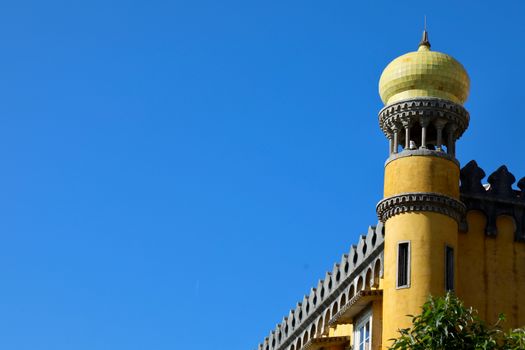
- Pena Palace: Perched high on a peak, this palace blends Manueline stonework, Moorish arches, and bright pastel yellow and red facades.
- Castle of the Moors: 8th-century stone fortification walls that snake across the ridge line like a mini Wall of China.
Pro-Tip
Do not take the tourist bus from the train station—the queues easily reach an hour long. Board the 07:41 AM train from Lisbon, jump in a quick local ride-share, and head directly to the Rua Biester side entrance of Quinta da Regaleira. You will enter the Initiation Well before the tour buses arrive at 10:00 AM.
---
3. Tivoli, Italy (45 Minutes from Rome)
``` Location: Lazio Region | Nearest Hub: Rome Vibe: Imperial Roman Luxury & Renaissance Water Gardens ```
When Roman emperors and Renaissance cardinals got tired of Rome's political heat, they retreated northeast to the cool hills of Tivoli. Home to two distinct UNESCO World Heritage sites, Tivoli offers thousands of years of design history in a compact footprint.
What to See
- Villa Adriana (Hadrian’s Villa): Built in the 2nd century AD as a retreat for Emperor Hadrian. Spread over 250 acres, it features pool complexes, underground service tunnels, and grand colonnades that modeled architectural styles across the Roman Empire.
- Villa d’Este: A masterclass in Renaissance hydrologic engineering. Over 500 fountains run entirely on gravity, channeling water directly from the Aniene River through underground conduits.
Pro-Tip
Book lunch at Ristorante Sibilla, operating continuously since 1720. Request Table #4 directly beneath the 1st-century BCE Temple of Vesta. Order the handmade cacio e pepe, cooked with local pecorino and freshly cracked black pepper, while looking out over the rushing waterfalls of the gorge.
---
4. Bath, United Kingdom (1 Hour 20 Minutes from London)
``` Location: Somerset | Nearest Hub: London Vibe: Georgian Neoclassical & Ancient Thermal Waters ```
Board the Great Western Railway at London Paddington, and in under 80 minutes, you’ll arrive in Bath. Built from warm, honey-colored oolitic limestone, the city feels like a living museum of Georgian neoclassical design built over ancient thermal springs.
What to See
- The Roman Baths: Constructed around 70 AD, this complex preserves the original lead-lined poolfed by hot springs bubbling up at a constant 46°C (115°F).
- The Royal Crescent: A sweeping crescent of 30 terraced houses built between 1767 and 1774, representing classic British Palladian architecture.
- Bath Abbey: Famous for its intricate fan-vaulted stone ceiling and large stained-glass windows.
Pro-Tip
Avoid visiting the Roman Baths during mid-day. Instead, purchase a late entry ticket for their summer torchlight sessions (open until 10 PM). Watching the sulfurous steam rise off the green waters beneath flickering flames with 90% fewer tourists is a completely different experience.
---
5. Provins, France (1 Hour 22 Minutes from Paris)
``` Location: Seine-et-Marne | Nearest Hub: Paris Vibe: Medieval Walled City & Knights Templar Tunnels ```
While everyone else heads to Versailles, take the Transilien Line P train from Paris's Gare de l'Est to Provins. This perfectly preserved 12th-century fortified town was once the capital of the Counts of Champagne and hosted the famous Champagne Fairs that fueled medieval European trade.
What to See
- Tour César: A 12th-century octagonal keep built on a hill that offered panoramic defensive views across the French countryside.
- The Ramparts: Walk along two kilometers of massive stone walls, intact ramparts, and original medieval fortified gates (Porte Saint-Jean).
- Les Souterrains de Provins: A sprawling network of underground tunnels carved out of soft limestone, used over centuries as wine cellars, secret meeting spots, and hospital wards.
Pro-Tip
Stop by La Ronde des Abeilles in the upper town to sample traditional medieval confit de pétales de rose (rose petal jam), made from the original damask roses brought back from the Crusades by Thibaut IV in 1240.
---
6. Sleepy Hollow & Tarrytown, USA (48 Minutes from New York City)
``` Location: Hudson Valley | Nearest Hub: New York City Vibe: Dutch Colonial History, Gilded Age Estates & Literary Lore ```
Hop on the Metro-North Hudson Line at Grand Central Terminal. Sit on the left side of the train for clear views of the Hudson River. In under 50 minutes, you'll step onto the historic grounds that inspired Washington Irving’s The Legend of Sleepy Hollow.
What to See
- Old Dutch Church & Burying Ground: Built in 1685 out of local fieldstone and yellow bricks brought from Holland, this is one of the oldest standing churches in New York.
- Kykuit (The Rockefeller Estate): A 40-room hilltop mansion built for John D. Rockefeller, featuring classical architecture and terraced gardens stocked with modern sculpture.
- Philipsburg Manor: A 1750 trading site and gristmill that provides an honest look at Dutch colonial trade networks and the lives of the enslaved people who powered them.
Pro-Tip
Skip the traffic on US Route 9 by renting an e-bike directly at the Tarrytown Metro-North station. You can coast along the paved Old Croton Aqueduct Trail, which leads straight through historical estates and into the heart of Sleepy Hollow without sharing the road with cars.
---
Quick Facts & Logistics Comparison
| Destination | Major City | Transit Method | Travel Time | Approx. Transit Cost | Best Time to Visit | | :--- | :--- | :--- | :--- | :--- | :--- | | Kamakura | Tokyo | JR Yokosuka Line | 55 Mins | ~$14 USD (round trip) | Oct – Nov / April | | Sintra | Lisbon | CP Commuter Train | 40 Mins | ~$6 USD (round trip) | May – June / Sept | | Tivoli | Rome | Trenitalia / Regional | 45 Mins | ~$7 USD (round trip) | April – May / Oct | | Bath | London | Great Western Rail | 80 Mins | ~$45-$90 USD (advance) | March – May / Sept | | Provins | Paris | Transilien Line P | 82 Mins | ~$12 USD (Navigo passes apply) | May – October | | Sleepy Hollow| New York | Metro-North Line | 48 Mins | ~$22 USD (round trip) | Sept – November |
---
How to Maximize a Historic Day Trip
To get the most out of these historic getaways without feeling rushed, follow these rules:
- Book early trains: Aim for departures between 07:00 AM and 07:45 AM. You'll arrive at key sites before local tour buses drop off heavy crowds.
- Buy advance tickets online: Sites like Quinta da Regaleira and the Roman Baths cap hourly visitors. Secure your entry spot at least 48 hours beforehand.
- Travel light: Leave heavy luggage behind at your hotel's front desk. Cobblestone streets, narrow medieval stairwells, and steep mountain paths quickly ruin heavy carry-ons.
- Eat local, offset from peak hours: Plan sit-down meals around 1:30 PM or 2:00 PM when morning tourist crowds start packing back onto regional trains.
Escaping the city doesn't require a long-haul flight or massive travel budgets. Pack a comfortable pair of walking shoes, grab your camera, and step outside the city lines—centuries of history are waiting just 2 hours away.
---
More pictures
Tags
Share this guide
We may earn a commission if you click a link and buy a product or service, at no extra cost to you. How affiliate links work.
Been there?