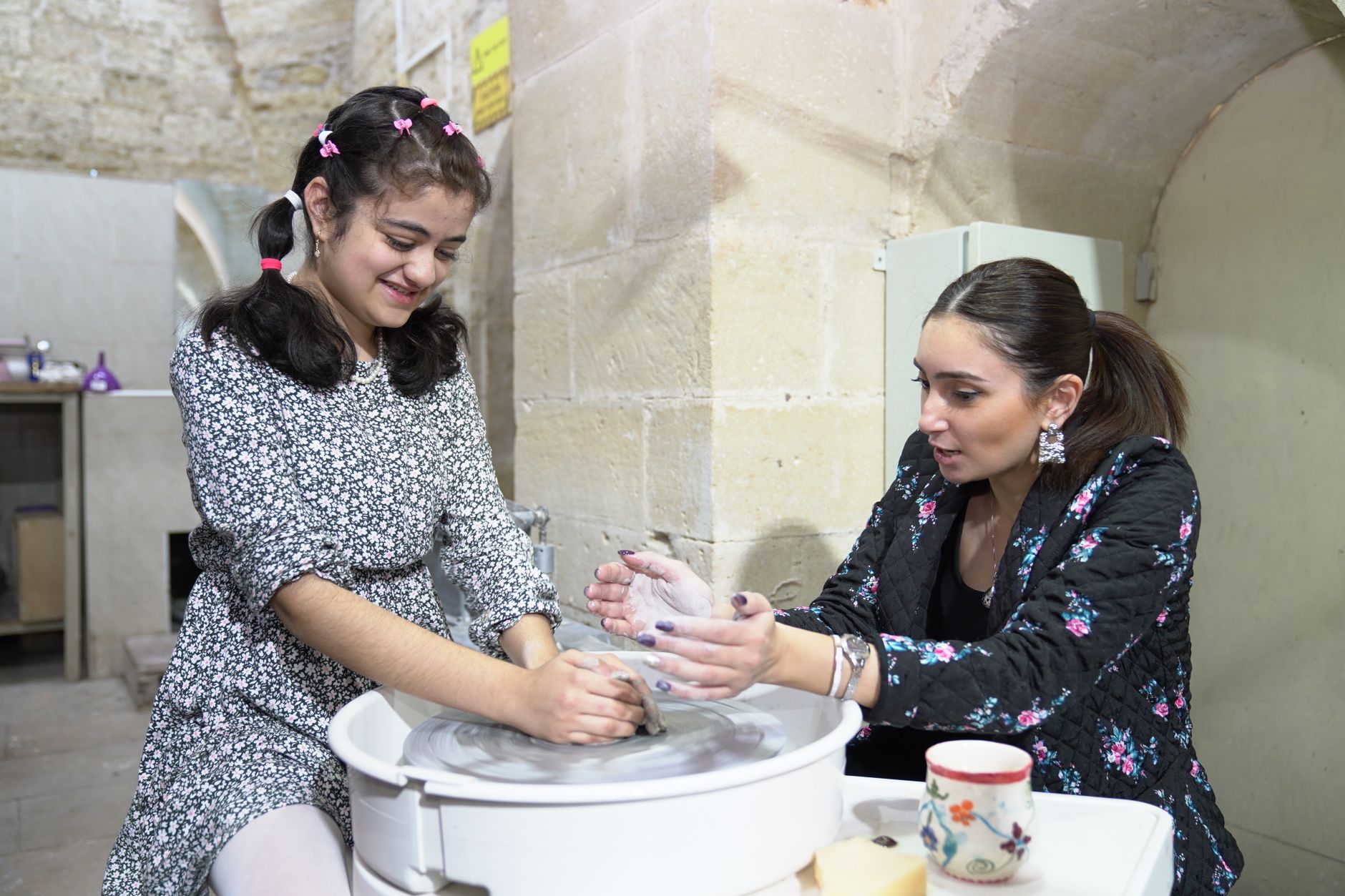
Tired of passive sightseeing? Imagine stepping back in time to master a skill passed down through generations. This isn't just a trip; it's a transformative journey into the heart of human ingenuity, offering a unique, unforgettable experience you can achieve in just one day. ---
Unplug, Unlearn, Create: Why Your Next Trip Needs an Ancient Skill Upgrade
I remember staring at my laptop screen, the blue light reflecting off my tired eyes, the endless scroll of social media promising "experiences" that felt… hollow. Another perfectly curated selfie at a landmark, another quick bite at a trendy café. Don't get me wrong, I love a good photo op, but deep down, I craved something more. Something tangible. Something that would leave me with more than just a memory card full of pictures – something that would leave me with a skill.
That's when the idea hit me: what if, instead of just seeing history, I could make it? What if I could spend a day, just one glorious day, learning an ancient trade? Not just observing, but getting my hands dirty, feeling the rhythm of a craft that has sustained humanity for millennia?
The world is full of incredible opportunities to do just that. From the bustling souks of Marrakech to the quiet villages of Tuscany, master artisans are waiting to share their knowledge. And here’s the kicker: you don’t need weeks or months. Many of these profound, soul-enriching experiences can be condensed into a single, unforgettable day. Forget your digital detox; this is a manual detox, a journey back to basics that will ignite your creativity, connect you to history, and leave you with a sense of accomplishment far deeper than any "like" ever could.
So, ditch the screens, pack your curiosity, and get ready to add these incredible, one-day ancient trade experiences to your ultimate travel bucket list. Trust me, these are the stories you’ll be telling for years.
1. The Potter's Wheel: Shaping History (and Clay) with Your Own Hands
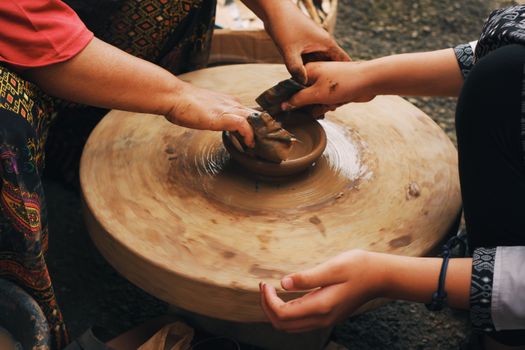
The Trade: Pottery, the art of shaping clay into functional or decorative objects, is one of humanity's oldest crafts, dating back over 20,000 years. From ancient amphorae to delicate porcelain, it's a testament to human creativity and ingenuity.
My Experience: My first pottery workshop was in a sun-drenched studio nestled in the hills outside Florence, Italy. The air was thick with the earthy scent of wet clay, and the gentle whir of the potter's wheel was almost meditative. My instructor, a jovial man named Marco with hands that looked like they’d been sculpted from clay themselves, guided me with infinite patience.
Initially, my attempts were… let’s just say abstract. Lopsided bowls, collapsing cylinders, more clay on my apron than on the wheel. But Marco just laughed, gently reshaped my lump of clay, and encouraged me to try again. There’s something incredibly humbling about working with a raw material that has a mind of its own. You learn to listen to the clay, to feel its resistance, to find its center.
By the end of the day, after countless tries and a few moments of pure frustration followed by bursts of triumph, I had created a small, perfectly imperfect bowl. It wasn't symmetrical, and its rim wobbled slightly, but it was mine. I had shaped it, felt it transform under my hands, and watched it take form. It was a tangible piece of my journey, a physical memory far more precious than any souvenir.
Where & How:
- Tuscany, Italy: Many agriturismos and art schools offer one-day workshops. Search for "corsi di ceramica Firenze" or "pottery workshop Tuscany."
- Kyoto, Japan: Known for its exquisite ceramics, you can find traditional workshops where you might even try raku firing. Look for "Kiyomizu-yaki pottery experience."
- Mexico: Oaxaca is famous for its black pottery. Search for "barro negro workshop Oaxaca."
- Cost: Expect to pay €80-€150 ($90-$170 USD) for a full-day workshop, often including materials, firing, and sometimes a light lunch.
- Instagram Moment: Your hands covered in clay, intently focused on the wheel, or proudly holding your finished (albeit slightly wonky) masterpiece. #PotteryLife #HandmadeTravel #FlorenceArt
2. The Baker's Hearth: Crafting Ancient Grains into Golden Loaves
The Trade: Bread making is perhaps the most fundamental and universal ancient trade. From ancient Egyptian flatbreads to Roman sourdough, the simple act of combining flour, water, and yeast (or a sourdough starter) has nourished civilizations for millennia.
My Experience: My journey into ancient grains took me to a rustic, stone-walled kitchen in a small village in Provence, France. The air was already fragrant with the yeasty tang of fermenting dough when I arrived. Our instructor, Madame Dubois, a woman whose smile was as warm as her oven, greeted us with a knowing nod.
We started with the basics: understanding different flours, the magic of a sourdough starter that had been alive for generations, and the importance of a slow, patient rise. Kneading the dough was a revelation. It wasn't just about mixing ingredients; it was a rhythmic dance, a therapeutic release. I could feel the gluten developing, the dough transforming from a shaggy mass into a smooth, elastic ball under my palms.
The highlight was shaping our loaves – baguettes, country rounds, focaccia – and then sliding them into a roaring wood-fired oven. The smell that filled the kitchen as they baked was intoxicating. When we pulled out our golden-brown creations, crusty and steaming, I felt an almost primal satisfaction. Breaking open a still-warm loaf and tasting the rich, complex flavors of truly artisan bread was an experience that transcended mere food. It was history, tradition, and pure, unadulterated joy.
Where & How:
- Provence, France: Many cooking schools and even some bakeries offer "boulangerie" classes. Search "cours de boulangerie Provence."
- San Francisco, USA: Known for its sourdough, bakeries like The San Francisco Baking Institute offer workshops.
- Rural Italy: Agriturismos often include bread making as part of their culinary experiences.
- Cost: A day-long bread making class can range from €100-€200 ($110-$220 USD), typically including ingredients, instruction, and the bread you bake.
- Instagram Moment: Your hands kneading dough, a perfect golden baguette fresh from the oven, or a rustic kitchen scene filled with flour and warmth. #ArtisanBread #SourdoughJourney #TasteOfProvence
3. The Blacksmith's Forge: Taming Fire and Steel
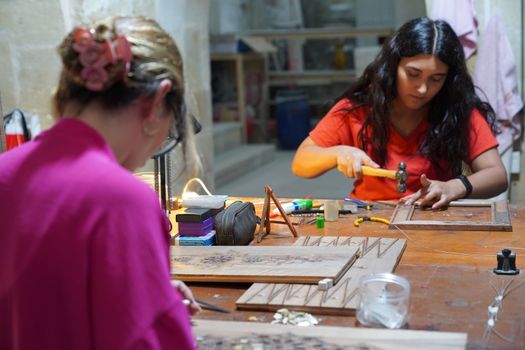
The Trade: Blacksmithing, the art of shaping metal with tools, heat, and force, is one of the most iconic ancient trades. From weaponry to tools, hinges to intricate gates, blacksmiths were essential to every community, masters of fire and metal.
My Experience: Stepping into the blacksmith's forge at a living history museum in Colonial Williamsburg, Virginia, was like walking onto a movie set. The air hummed with the heat of the forge, the rhythmic clang of hammer on anvil, and the smell of coal smoke. My instructor, a burly yet surprisingly gentle man named John, handed me heavy leather gloves and safety glasses.
The first task was simple: heating a piece of mild steel until it glowed cherry red, then striking it with a hammer. It felt incredibly powerful, yet also incredibly awkward. John showed me how to hold the hammer, how to aim, how to let the rebound do some of the work. Each strike sent sparks flying, a mesmerizing dance of light and heat.
Over the course of the day, I learned to draw out the steel, bend it, twist it, and punch holes. My project was a simple hook, but by the time I was done, it felt like a monumental achievement. My arms ached, my face was smudged with soot, but I had transformed a cold, rigid piece of metal into something useful, using only fire, force, and my own hands. It was a visceral, almost primal experience that connected me directly to the makers of old.
Where & How:
- Colonial Williamsburg, USA: Their living history museum offers excellent hands-on programs.
- Rural UK/Europe: Many heritage centers and specialized craft schools offer introductory "forge experience" days. Search for "blacksmithing workshop" plus your desired region.
- USA: Look for local craft guilds or art centers; many have a metalworking section.
- Cost: Expect to pay $150-$300 USD for a one-day introductory workshop due to specialized equipment and safety requirements.
- Instagram Moment: Sparks flying off the anvil, your intense concentration as you hammer, or proudly holding your hand-forged item. #BlacksmithLife #ForgedInFire #HandsOnHistory
4. The Scribe's Quill: Mastering the Art of Calligraphy
The Trade: Before printing presses, every document, book, and letter was meticulously handwritten by scribes. Calligraphy, the art of beautiful handwriting, was a highly respected and essential skill, often elevating text to an art form.
My Experience: My calligraphy journey began in a quiet, sunlit studio in Seville, Spain, surrounded by ancient texts and beautiful scripts. My instructor, Elena, a woman with incredibly steady hands and an encyclopedic knowledge of historical scripts, introduced us to the delicate dance of ink and parchment.
We started with the basics: understanding different nibs, the proper angle of the pen, and the importance of consistent pressure. Holding the quill, dipping it in the rich black ink, and forming the first strokes felt incredibly precise and meditative. It required a level of focus I rarely achieve in my digital life. Each line, each curve, was a deliberate act, a tiny piece of art.
By the end of the day, my fingers were stained with ink, but my mind felt clearer than it had in weeks. I hadn't mastered a complex script, but I had learned the foundational strokes of Italic script and created a small, beautifully lettered quote. It was a tangible connection to the monks and scholars who meticulously illuminated manuscripts for centuries, a moment of quiet reverence for the written word.
Where & How:
- Florence, Italy / Seville, Spain: Cities with rich artistic and historical traditions often have calligraphy schools. Search "calligraphy workshop Florence" or "taller de caligrafía Sevilla."
- London, UK: Home to many historical societies and art colleges offering workshops.
- Online/Local: Many local art centers and even online platforms offer excellent one-day beginner classes.
- Cost: A full-day workshop can range from €70-€120 ($80-$130 USD), usually including materials like nibs, ink, and paper.
- Instagram Moment: A beautifully inked phrase, your hand holding an antique quill, or a close-up of intricate letterforms. #CalligraphyArt #ScribeLife #HandwrittenBeauty
5. The Weaver's Loom: Crafting with Nature's Threads (Basket Weaving)
The Trade: Basket weaving is an ancient craft found in virtually every culture across the globe, predating pottery. Using natural materials like reeds, grasses, and willow, weavers created containers, traps, and even shelters, demonstrating incredible resourcefulness and artistry.
My Experience: I found myself on a small farm in rural Ireland, surrounded by willow groves, learning the art of basket weaving from a delightful elder named Maeve. Her hands, gnarled from years of work, moved with an almost magical speed and precision.
We started by soaking the willow rods, making them pliable. Then came the intricate process of creating the base, weaving the uprights, and then spiraling the "weavers" in and out. It was a puzzle, a rhythm, a meditation. My fingers fumbled, the willow resisted, but Maeve's calm guidance and gentle encouragement kept me going.
There's something incredibly satisfying about transforming simple, natural sticks into a functional, beautiful object. As the basket slowly took shape, I felt a deep connection to generations of crafters who had used these same techniques. It wasn't just about the finished product; it was about the process, the connection to nature, and the quiet satisfaction of creating something useful with my own two hands. By the end of the day, I had a small, sturdy willow basket – perfect for gathering berries or holding knitting.
Where & How:
- Ireland/UK: Traditional craft centers and rural workshops often teach willow weaving. Search "willow weaving workshop Ireland" or "basketry course UK."
- Native American Cultural Centers, USA: Many offer workshops on traditional basket weaving techniques.
- Southeast Asia: Countries like Vietnam and Thailand have rich traditions of bamboo and rattan weaving.
- Cost: A one-day workshop typically costs €70-€150 ($80-$170 USD), including all materials.
- Instagram Moment: Your hands intricately weaving willow, a beautiful collection of natural materials, or your finished basket in a scenic outdoor setting. #BasketWeaving #NaturalCrafts #HandmadeHome
6. The Dyer's Vat: Unlocking Nature's Palette (Natural Dyeing)
The Trade: Before synthetic dyes, vibrant colors were extracted from plants, insects, and minerals. Natural dyeing was a complex, alchemical art, transforming raw fibers into richly colored textiles, a trade practiced across ancient civilizations from the Silk Road to the Americas.
My Experience: My journey into natural dyes led me to a charming textile studio in the Atlas Mountains of Morocco, where Berber women have practiced this art for centuries. The air was fragrant with spices and herbs, and vats of bubbling liquid promised a spectrum of colors. Our instructor, Fatima, showed us bundles of wool and silk, each destined for a unique transformation.
We learned about mordants (natural fixatives), the magic of indigo leaves transforming from green to blue in the air, and how onion skins could yield glorious yellows, and cochineal insects deep reds. Dipping the raw wool into the vibrant vats and watching it absorb the color was mesmerizing. The anticipation of pulling it out, seeing the transformation, was akin to opening a gift.
It was a day of sensory delight – the earthy smells, the rich colors, the feel of the wet wool. I walked away with several beautifully dyed silk scarves, each a unique testament to nature's palette and Fatima's ancient wisdom. It was a reminder that true beauty often lies in simplicity and patience.
Where & How:
- Marrakech, Morocco: Many textile cooperatives and artisan workshops in the Medina offer natural dyeing experiences. Search "natural dye workshop Marrakech."
- Peru/Bolivia: Indigenous communities in the Andes have ancient traditions of natural dyeing with alpaca wool.
- India: Rajasthan and other regions are famous for block printing and natural dyes.
- Cost: A day-long workshop can range from €60-€150 ($70-$170 USD), often including materials like scarves or yarn.
- Instagram Moment: Hands dipping fabric into vibrant dye vats, colorful skeins of yarn drying in the sun, or a close-up of beautifully patterned naturally dyed textiles. #NaturalDyeing #TextileArt #MoroccanCrafts
Practical Tips for Your One-Day Ancient Trade Adventure
Ready to dive in? Here’s how to make your experience unforgettable:
- Research, Research, Research:
- Specific Locations: Start by searching for "[trade name] workshop [city/region]." Look for local craft guilds, cultural centers, living history museums, or specialized schools.
- Reviews: Check Google Reviews, TripAdvisor, and local tourism boards for reputable instructors and positive feedback.
- What's Included: Clarify if materials, tools, lunch, or the finished product are included in the price.
- Book in Advance: Especially for popular destinations or smaller workshops, spots can fill up quickly.
- Dress Appropriately: Expect to get dirty! Wear comfortable, old clothes and closed-toe shoes. Long hair should be tied back.
- Embrace Imperfection: The goal isn't to become a master in a day, but to experience the process. Your first attempt at anything ancient will likely be perfectly imperfect – and that's the beauty of it.
- Ask Questions: Your instructors are a wealth of knowledge. Ask about the history of the craft, the materials, and their personal journey.
- Stay Present: Put your phone away (except for those crucial Instagram shots!). Immerse yourself fully in the sensory experience. Feel the clay, smell the wood smoke, listen to the hammer.
- Consider a Private Lesson: If you want more personalized attention, inquire about one-on-one sessions, though they may be pricier.
- Look for "Experience" or "Taster" Sessions: These are specifically designed for beginners and shorter durations.
- Capture the Moment (Respectfully): Ask your instructor if it's okay to take photos or videos. Some workshops might have specific policies.
The Ultimate Souvenir: A Skill and a Story
In a world increasingly dominated by the digital, the allure of the tangible, the handmade, and the deeply human is stronger than ever. Learning an ancient trade isn't just a travel activity; it's an investment in yourself. It's an opportunity to unplug, to challenge yourself, and to connect with history and culture in a profoundly personal way.
The small, wonky pottery bowl I made in Florence sits on my shelf, a constant reminder of Marco’s patience and my own unexpected capacity for creation. The scent of fresh sourdough bread still evokes that Provencal kitchen. These aren't just objects or memories; they are stories etched into my hands, carried in my heart.
So, what are you waiting for? Stop scrolling, start planning. Before you die, make a loaf of bread, forge a piece of metal, weave a basket, or shape some clay. Discover the immense satisfaction of creating something with your own two hands, and carry a piece of ancient history with you, wherever your travels may lead.
Which ancient trade will you try first? Share your thoughts and dream workshops in the comments below!
---
More pictures


Tags
Share this guide
We may earn a commission if you click a link and buy a product or service, at no extra cost to you. How affiliate links work.
Been there?