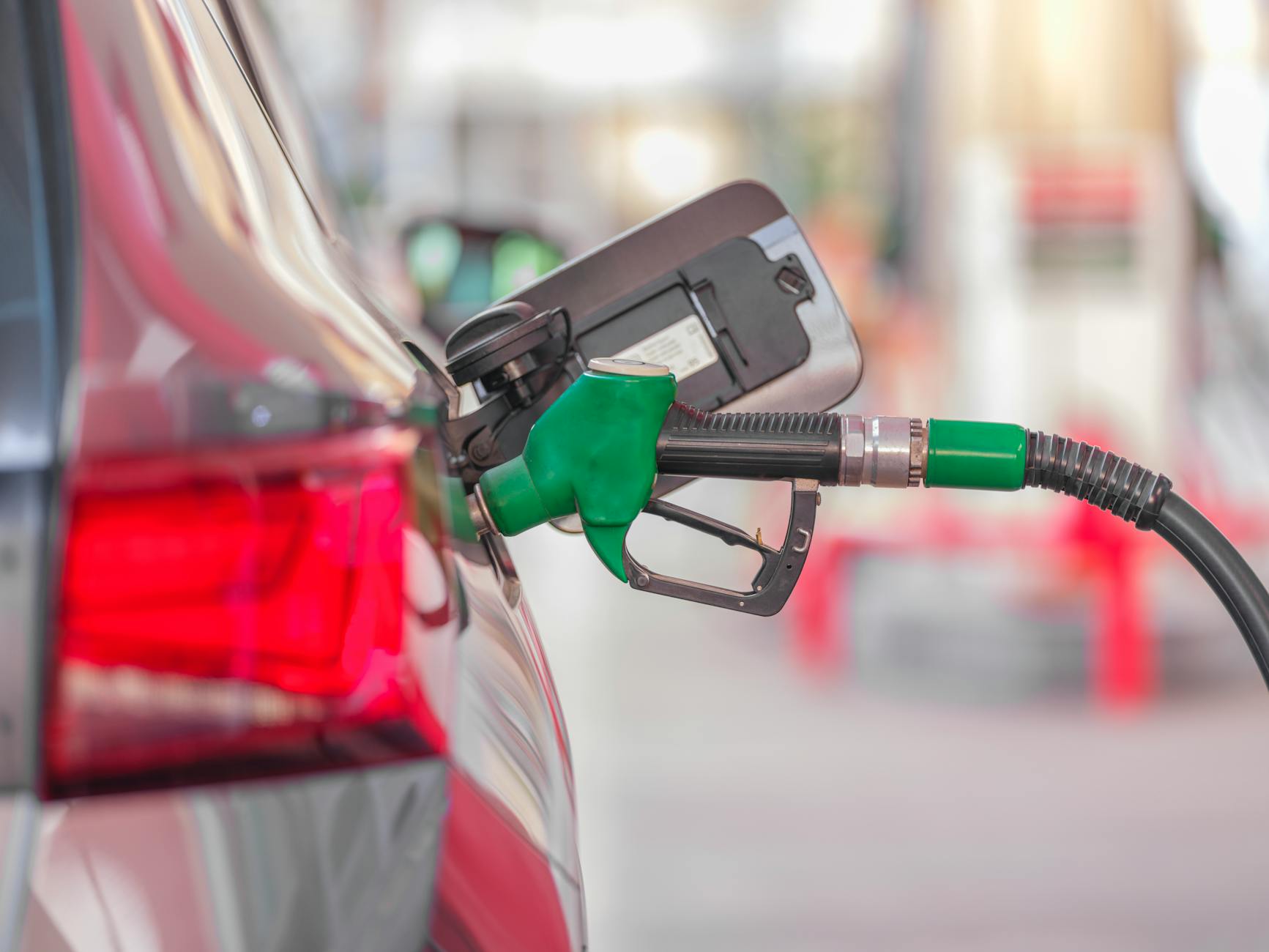
Ever feel like you're always paying top dollar for gas while locals seem to glide by on a shoestring? You're not alone! This post dives deep into the insider secrets and practical hacks that will help you uncover the cheapest fuel stations globally, often the ones hidden in plain sight that tourists rarely find. ---
The engine rumbled, a desperate cough escaping its exhaust as the fuel gauge needle hovered ominously on 'E'. We were somewhere deep in the Austrian Alps, miles from the nearest town, and the only gas station we’d seen in the last hour was a ridiculously overpriced highway stop that had made my wallet weep just looking at it. My co-pilot, a seasoned European road-tripper, just shook his head. "You gotta know where to look, mate," he sighed, pulling out his phone. "The locals never pay those prices."
That moment, perched on the precipice of an empty tank and an even emptier bank account, was my wake-up call. I realized that saving money on fuel wasn't just about driving efficiently; it was about understanding the hidden economy of gas stations, especially when you're far from home. It's about finding those places locals frequent – the ones that don't cater to the transient tourist dollar, but to the everyday commuter. And let me tell you, once you crack that code, your travel budget will thank you.
Welcome, fellow adventurers, to the ultimate guide to finding the cheapest gas stations worldwide. Forget those highway rip-offs and tourist trap pumps. We're going underground, tapping into the knowledge that even some locals might prefer to keep to themselves. Get ready to fuel your travels for less!
The Myth of the Secret Station: It's Not a Conspiracy, It's Local Knowledge
First, let's debunk the "locals don't want you to know" part. It’s not an elaborate conspiracy to fleece tourists. It's simply that locals know their area. They know which stations are owned by supermarkets (often the cheapest), which are independent, and which ones always inflate prices because of their prime location. They understand the rhythm of price fluctuations. Our goal isn't to steal their secrets, but to learn their methods and integrate them into our travel arsenal.
Think about it: do you drive to the most expensive gas station in your hometown? Probably not. You know the drill. Now, imagine applying that same savvy overseas. The difference can be staggering – sometimes saving you 10-20% per fill-up, which adds up to serious cash on a long road trip. That's an extra meal, a souvenir, or even another night's accommodation!
Digital Detectives: Your Smartphone, Your Fuel-Saving Superpower
The single biggest game-changer in finding cheap gas is your smartphone. Forget asking random strangers (though we'll get to that later). These apps and digital tools are your real-time price navigators.
- GasBuddy (USA & Canada): If you're driving in North America, GasBuddy is non-negotiable. It's a crowd-sourced app where users report gas prices, giving you an accurate, up-to-the-minute overview of stations near you. You can filter by fuel type, brand, and even amenities. I've personally saved hundreds of dollars using GasBuddy on cross-country US road trips. It once directed me 5 miles off the interstate in Arizona to a station that was $0.50/gallon cheaper – a huge saving on a 20-gallon tank!
- Waze: More than just a navigation app, Waze is a community-driven powerhouse. Its real-time traffic and hazard alerts are famous, but its gas price feature is equally brilliant. Users update prices, and it often highlights the cheapest stations along your route or near your destination. Its strength lies in its global reach and active user base.
- Local Equivalents & Supermarket Apps (Europe & Beyond): This is where the "local knowledge" truly shines.
- Europe: Many supermarket chains run their own gas stations, and these are almost always cheaper than branded stations on highways or main roads. Think Carrefour, E.Leclerc, Auchan (France), Tesco, Sainsbury's (UK), or specific apps like "Tankerkönig" (Germany) or "Essence" (France). Before your trip, do a quick Google search for "[Country Name] cheapest gas app" or "[Supermarket Chain] fuel prices." I remember being shocked in France the first time I filled up at an E.Leclerc pump – it was nearly 20 cents a liter cheaper than the highway station I'd passed minutes before!
- Australia: Apps like "Fuel Map Australia" or "MotorMouth" are essential. Prices can fluctuate wildly even within a few miles.
- South America/Asia: While dedicated apps might be less prevalent, Google Maps is your friend. Search "gas station" or "petrol station" and then look for smaller, independent stations often tucked away on side streets rather than the big, flashy ones on main arteries. Cross-reference with reviews if available.
Pro Tip: Download offline maps for your destination country before you go, especially for apps like Google Maps. This way, even if you lose signal, you can still navigate to a previously identified cheap station.
The Art of Observation & The Power of a Polite Question
Sometimes, the best tools aren't digital, but observational. And sometimes, a little humility and a polite question go a long way.
- Look Beyond the Highway: Highway service stations are almost universally more expensive. Veer off the main road, even just a mile or two, into a residential or industrial area. You'll often find independent stations or supermarket pumps that cater to local commuters and therefore have more competitive pricing.
- Follow the Locals (Subtly!): Seriously, if you see a stream of local cars turning off a main road towards a particular station, it's usually for a reason. They know where the value is. This is particularly effective in smaller towns or less touristy regions.
- Supermarket Savvy: This is arguably the biggest "secret" for saving money on fuel in Europe. Nearly all major supermarket chains (Lidl, Aldi, Carrefour, E.Leclerc, Tesco, etc.) have their own fuel pumps. These are almost always significantly cheaper than standalone brands like Shell, BP, or Total. Plan your fill-ups around your grocery runs! I once saved €15 on a single tank in Italy by waiting to fill up at a Coop supermarket instead of the highway Autogrill.
- Ask Around: Don't be shy! Hotel receptionists, Airbnb hosts, local shopkeepers, or even friendly waiters are often happy to point you to the cheapest spot. A simple "Excuse me, where do locals usually get the cheapest gas around here?" can unlock invaluable information. If there's a language barrier, use a translation app or point to your fuel gauge and make a questioning gesture. I've had incredible luck with this in rural Greece and Mexico.
Timing is Everything: When to Fill Up for Maximum Savings
Gas prices aren't static. They fluctuate, sometimes daily, sometimes even hourly. Understanding these patterns can save you a few crucial cents per liter/gallon.
- Weekends vs. Weekdays: Generally, gas prices tend to creep up towards the weekend and drop slightly on Monday or Tuesday. Why? Demand. More people travel on weekends, so stations capitalize. If you can, aim to fill up early in the week.
- Morning vs. Evening: While less significant than the weekday/weekend trend, some studies suggest prices might be marginally lower in the morning before the rush hour.
- Loyalty Programs (Even for Tourists): Many gas stations, especially in the US and UK, offer loyalty cards. While you might not want to sign up for every single one, if you're doing a multi-week road trip through one country, consider getting a loyalty card for a common chain. Some grocery stores also offer fuel discounts based on your shopping. I've even seen temporary, paper-based loyalty cards handed out in some parts of Asia that give you a small discount on the spot. It never hurts to ask!
Drive Smart, Save Big: Fuel Efficiency Beyond the Pump
Finding cheap gas is one thing, but making that cheap gas last longer is another crucial layer of savings.
- Check Tire Pressure: Under-inflated tires increase rolling resistance, meaning your engine has to work harder. Check your tire pressure regularly (you can usually do this at gas stations for free or a small fee).
- Smooth Driving: Avoid aggressive acceleration and hard braking. Smooth, consistent driving uses less fuel. Use cruise control on highways where appropriate.
- Lighten the Load: The heavier your car, the more fuel it consumes. Remove unnecessary weight from your trunk or roof rack.
- Avoid Excessive Idling: If you're going to be stopped for more than 30 seconds, it's generally more fuel-efficient to turn off your engine and restart it.
- Use Air Conditioning Sparingly: AC uses engine power, which consumes fuel. On cooler days, roll down the windows instead.
Regional Nuances: A Global Glimpse at Fueling Up
Each region of the world has its quirks when it comes to gas stations and pricing.
- North America (USA & Canada): Generally self-service. Prices displayed prominently. GasBuddy is king. Watch out for premium fuel if your car doesn't require it – it's often significantly more expensive.
- Europe: A mixed bag. Supermarket stations are your best friends. Highway service stations are convenience-driven and pricey. Be aware of different fuel types (Petrol/Essence/Benzina/Benzin, Diesel/Gasoil). E10 (10% ethanol) is common, but some older cars may require E5. Always double-check your rental car's fuel type! Many stations are self-service, but some smaller ones, especially in Southern Europe, might still have attendants. Payment is usually card-based, but cash is always accepted.
- Australia & New Zealand: Fuel prices can vary wildly between towns, especially in remote areas. Fill up whenever you see a good price, particularly before heading into the outback. Fuel Map Australia is invaluable.
- Latin America: Cash is often king, especially at smaller, independent stations. Be wary of attendants who might try to round up or short-change you. Always watch the pump closely as it resets to zero before they start filling. In some countries, like Mexico, you pay the attendant directly.
- Southeast Asia & Africa: Fuel stations can be sparse in rural areas. When you see one, especially a well-maintained one, consider filling up. Fuel quality can sometimes be an issue; stick to reputable brands if possible. In some remote areas, you might even buy fuel from roadside vendors selling it in plastic bottles – use this as an absolute last resort!
Personal Story: I once rented a tiny Fiat in Sicily and was constantly amazed by how much cheaper the gas was at the local "IP" or "Tamoil" stations tucked away in residential areas compared to the "Agip" or "Q8" stations on the main roads. It literally felt like a different pricing universe. I started planning my routes to pass by these local spots, and it saved me a fortune over two weeks.
The Nitty-Gritty & Staying Safe: Practical Tips for Every Fill-Up
Beyond finding the cheapest gas, there are a few practical considerations to ensure a smooth, safe, and honest transaction.
- Understand Fuel Types: As mentioned, know what your rental car takes. Petrol (gasoline) comes in different octane ratings (e.g., 91, 95, 98 RON in Europe; Regular, Mid-Grade, Premium in the US). Diesel is distinct. Putting the wrong fuel in can cause serious damage and void your rental insurance.
- Payment Methods: Credit cards are widely accepted in most developed countries, but always have some local currency cash on hand, especially in rural areas or less developed nations. Some stations might even offer a slight discount for cash payments. Be aware of foreign transaction fees on your credit card.
- Watch the Pump: Always ensure the pump is reset to zero before the attendant starts pumping. This is particularly important in regions where attendants are common.
- Pump Calibration: While rare, some older or less reputable stations might have pumps that aren't perfectly calibrated. It's hard to spot as a tourist, but sticking to well-known chains or busy local stations reduces this risk.
- Safety First: When pulling into a station, be aware of your surroundings, especially at night or in unfamiliar areas. Keep your car doors locked until you need to get out.
- Don't Wait Until Empty: While this guide helps you find cheap gas, don't push your luck. Always aim to fill up when your tank is around a quarter full, giving you a buffer to find a good price without the stress of running on fumes.
Conclusion: Fuel Your Adventures, Not the Tourist Trap
The open road awaits, and with these insider tips, you're now equipped to navigate the world of international fuel prices like a seasoned local. No more panicked searches for the nearest, most expensive pump. No more feeling like you're being taken advantage of. You're now part of the savvy traveler club, armed with apps, observation skills, and the confidence to ask the right questions.
Remember that feeling of saving money, of knowing you've outsmarted the system just a little bit? That's the feeling that makes travel even sweeter. So go forth, explore, and fuel your adventures without emptying your wallet.
What are YOUR best gas-saving hacks or stories from the road? Share them in the comments below! Let's build a global community of fuel-savvy travelers! And don't forget to share this post with your road-tripping buddies using #TripsoraGasHacks!
---
More pictures



Tags
Share this guide
We may earn a commission if you click a link and buy a product or service, at no extra cost to you. How affiliate links work.
Been there?