Ever wonder how savvy travelers blend in, save money, and leave no trace? We're spilling the beans on zero-waste packing essentials that locals cherish and often wish tourists knew. Get ready to transform your trips, lighten your load, and become a more respected global citizen. ---
The sun beat down on my neck as I navigated the bustling alleys of Hoi An, Vietnam. The air was thick with the scent of spices, motorbikes whizzed past, and lanterns glowed like suspended jewels. I stopped at a street food stall, mesmerized by a woman expertly assembling Bánh Mì. As she handed me my sandwich, wrapped in a thin plastic bag, I instinctively reached for a plastic straw for my fresh coconut. That’s when I saw it: a small mountain of discarded plastic, a stark contrast to the ancient beauty surrounding me. My heart sank.
Later that day, I chatted with a local shop owner, Linh, about the beauty of her town. She smiled, but her eyes held a hint of sadness as she gestured towards a nearby canal, where plastic bottles floated amidst the lily pads. "Tourists," she said softly, "they come, they enjoy, but they leave so much behind. We try to keep it clean, but it's hard."
That conversation was my wake-up call. I'd always considered myself an eco-conscious person, but my travel habits were a glaring blind spot. I was contributing to the very problem I abhorred. Since then, I’ve embarked on a mission to travel zero-waste, or as close to it as possible. And along the way, I’ve discovered a fascinating truth: the best zero-waste travel essentials aren't just good for the planet; they're often the very things locals use to navigate their daily lives, save money, and maintain their communities. These are the "secrets" they might not explicitly tell you, but wish you knew.
Ready to ditch the plastic, lighten your footprint, and travel like a truly respected guest? Let's dive into the essentials that will transform your next adventure.
The Mindset Shift: Why Zero-Waste is the Ultimate Local Etiquette
Before we even talk about packing, let's talk about perspective. Why do locals care about your waste? Imagine your home town, a place you love, suddenly inundated with visitors. Now imagine those visitors constantly buying single-use items, littering, and overwhelming your local waste management system. It's frustrating, right?
For many destinations, especially those in developing countries or small island nations, waste management is a monumental challenge. Their infrastructure simply isn't designed for the sheer volume of disposable items brought in by mass tourism. Every plastic bottle, every mini-shampoo, every plastic-wrapped souvenir adds to a burden that often ends up in landfills, oceans, or sadly, beautiful natural landscapes.
Adopting a zero-waste mindset isn't just about being "green"; it's about being a respectful, mindful traveler. It's about acknowledging that you are a guest in someone else's home, and you have a responsibility to leave it as beautiful, if not more so, than you found it. Locals notice. They appreciate the effort. And often, these habits will save you money and even help you connect with local culture on a deeper level, as you seek out local markets and refill stations instead of multinational chains.
My biggest takeaway from Linh in Hoi An was this: "When you respect our home, you respect us." And that, my friends, is the most authentic travel experience you can have.
The Core Four: Your Reusable Travel Arsenal
If you do nothing else, pack these four items. They are the bedrock of zero-waste travel and the silent nod to locals that you "get it."
- The Indispensable Reusable Water Bottle (with a Filter!):
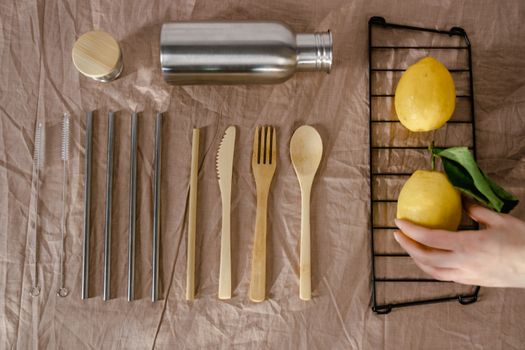
This is non-negotiable. Seriously. Imagine how many plastic bottles you go through on a typical trip. Now imagine eliminating all of them. In places like Italy, I've filled my trusty Hydro Flask (around $30-50, but worth every penny) from ancient fountains in Rome for free, while other tourists paid €2-3 for a tiny plastic bottle. In Southeast Asia, where tap water isn't always safe, a filtered bottle like a Lifestraw Go (around $40-50) or a Steripen (UV purifier, around $100) is a game-changer. I’ve used my Lifestraw Go to purify questionable tap water in rural Cambodia and even stream water during a hike in Patagonia – not only did it save me from buying countless plastic bottles, but it also saved my stomach from potential woes. Many hotels and guesthouses, especially eco-conscious ones, now offer water refill stations. Look for them! Locals often carry their own bottles and know where the best, free water sources are. Don't be "that tourist" buying bottled water every hour.
- The Mighty Foldable Reusable Bag:
From a bustling market in Marrakech to a quaint boulangerie in Paris, a lightweight, foldable reusable bag (like a ChicoBag, around $10-15) is your best friend. Locals use them daily for groceries, errands, and shopping. In many European countries, you’ll pay for plastic bags, and in others, they’re simply not offered. Imagine buying fresh fruit at a local market in Oaxaca, Mexico, or picking up a delicious pastry in Lisbon – having your own bag means no awkward fumbling for change for a plastic bag, and certainly no contributing to the plastic problem. I once watched a local in Kyoto politely refuse a plastic bag for her small purchase, pulling out a beautifully folded cloth bag from her purse. It was a subtle, powerful statement.
- Your Personal Coffee Cup/Mug:
Whether you're a coffee connoisseur or a tea lover, a reusable coffee cup (like a Stojo collapsible cup, around $15-20) is a godsend. Not only does it prevent you from using countless disposable cups (which often aren't recyclable due to plastic linings), but many cafes worldwide offer a small discount if you bring your own. I’ve enjoyed countless cappuccinos in Italy and street-side chai in India, all in my own cup, avoiding styrofoam or plastic-lined paper. It's a small gesture that shows respect for the local environment and often sparks a friendly conversation with the barista. Plus, it keeps your drink hotter longer!
- The Savvy Cutlery Set & Straw:
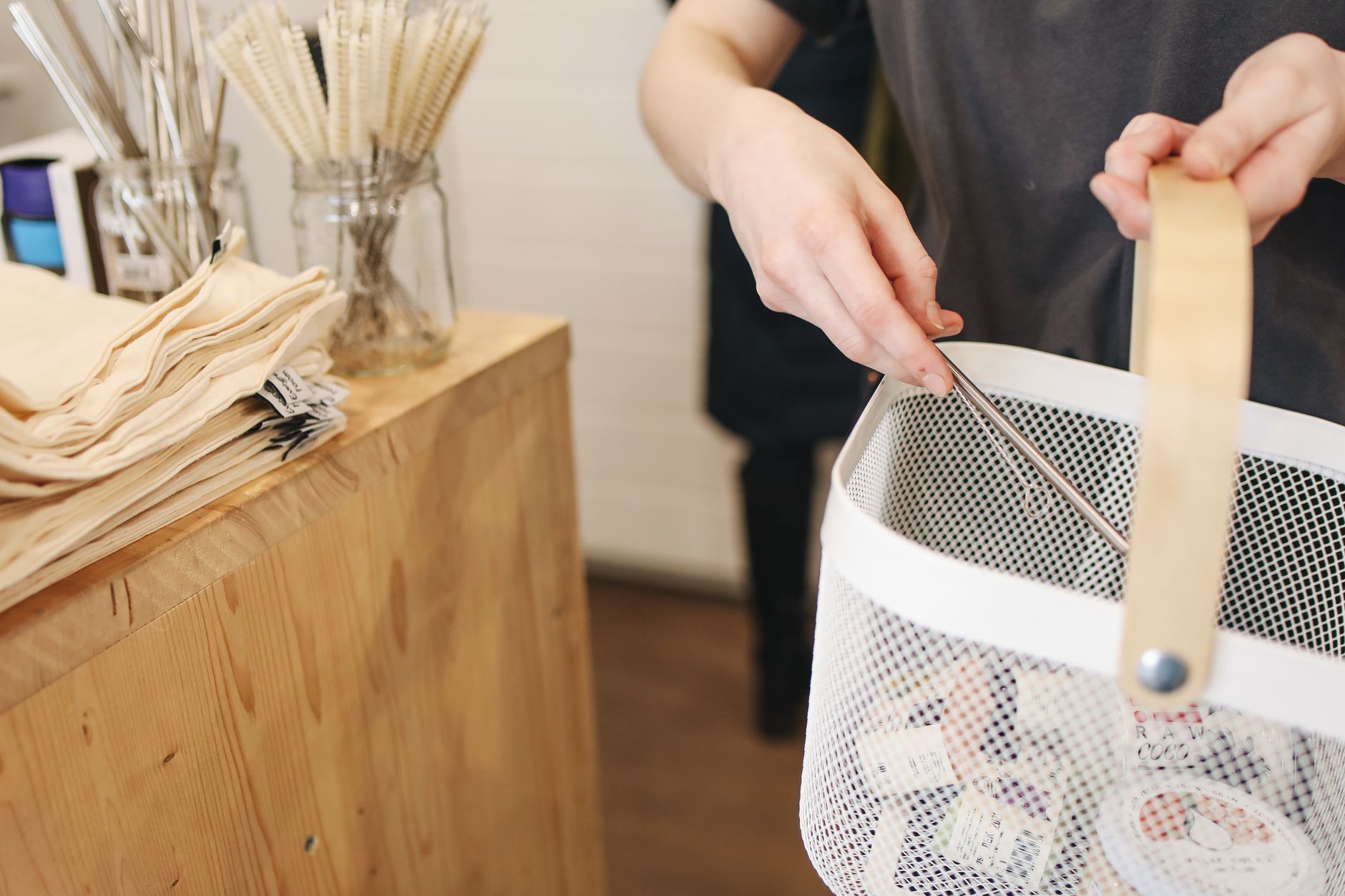
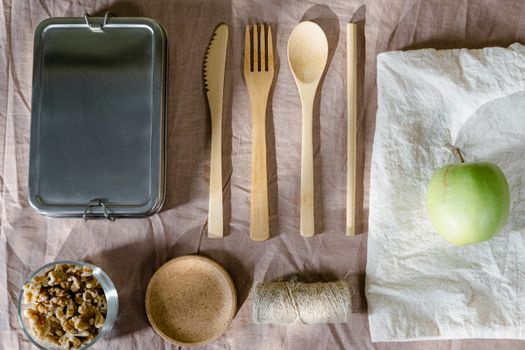
Street food is one of the greatest joys of travel, but it often comes with a side of plastic forks, spoons, and straws. A compact bamboo or stainless steel cutlery set (around $10-20) and a reusable straw (stainless steel or bamboo) slipped into your daypack means you’re always prepared. I can't count the times I've pulled out my bamboo fork to enjoy a delicious noodle dish in Bangkok or a fruit salad in Costa Rica, while others struggled with flimsy plastic. It's not just about waste; it's about enjoying your food without the fear of a fork snapping mid-bite. And for those refreshing coconut drinks or smoothies, a reusable straw is a must.
Bathroom Bliss: Ditching the Minis & Leaks
The tiny plastic bottles of shampoo and conditioner from hotels are a zero-waste traveler's nightmare. Not only are they wasteful, but they're often poor quality. Locals certainly don't rely on them.
- Solid Toiletries: The Game-Changer:
Shampoo bars, conditioner bars, soap bars, lotion bars, and even toothpaste tablets or powder are revolutionary. Brands like Ethique and Lush offer fantastic options (bars typically cost $15-25 but last for months!). They take up less space, weigh less, and most importantly, they eliminate plastic bottles entirely. I’ve traveled for months with just a few bars, never worrying about liquid restrictions at TSA or messy leaks in my bag. Imagine landing in Bali, fresh off a long flight, and not having to worry about a sticky shampoo explosion – pure bliss! Plus, they often have fewer harsh chemicals, which is better for you and the local water systems.
- Bamboo Toothbrush & Toothpaste Tabs:
A bamboo toothbrush (around $5) is biodegradable and looks much nicer than a plastic one. Pair it with toothpaste tablets (around $10-15 for a month's supply) or powder, and you've eliminated another major source of plastic waste. No more half-empty plastic tubes!
- The Timeless Safety Razor:
Yes, it takes a little getting used to, but a safety razor (around $20-40, blades are pennies) offers an incredibly close shave and lasts a lifetime. The blades are recyclable, and you avoid endless plastic cartridges. It’s an investment that pays off for both your wallet and the planet. Many locals in countries with simpler economies have used similar, long-lasting tools for generations.
- Menstrual Cup or Reusable Pads:
For female travelers, a menstrual cup (around $20-40) or reusable cloth pads are absolute lifesavers. They eliminate the need for countless disposable tampons and pads, which are a huge environmental burden. They're comfortable, cost-effective, and incredibly discreet. Imagine trekking through the Amazon or exploring ancient ruins in Peru without having to worry about finding or disposing of menstrual products. It’s freedom, pure and simple.
- Multi-Purpose Cloth Wipes/Hankies:
Instead of disposable tissues or wet wipes (which often contain plastic and don't biodegrade), pack a few small, washable cloth wipes or hankies. They're great for wiping hands, cleaning up small spills, or even as a makeshift face towel. I always carry a couple in my daypack; they're surprisingly useful and keep countless single-use items out of the bin.
Kitchen & Laundry: Mini-Home on the Go
Traveling zero-waste often means being self-sufficient, much like locals who rely on their own resources. These items bring a touch of home and practicality to your adventures.
- Reusable Food Containers / Silicone Bags:
These are gold for leftovers, packing snacks for day trips, or bringing back delicious market finds. A collapsible silicone container (around $15-25) or a few Stasher bags (reusable silicone bags, around $10-20 each) are fantastic. I’ve used mine to pack a picnic for a scenic train ride through the Swiss Alps, to bring back extra curry from a restaurant in Sri Lanka, and to store fresh berries from a farmer’s market in France. It’s like having a mini fridge and pantry on the go, without the waste.
- Travel Laundry Bar & Clothesline:
Washing clothes on the go not only saves money on laundry services but also extends the life of your wardrobe and means you can pack less. A solid laundry bar (like a Dr. Bronner's bar, around $5) is perfect for handwashing items in a sink. Pair it with a small, braided travel clothesline (around $10), which often doesn't even require clothespins, and you’re set. I've washed socks and underwear in hotel sinks from Lisbon to Laos, drying them overnight. It's a simple hack that makes a huge difference in packing light and reducing your environmental footprint.
Beyond the Basics: Smart Swaps & Local Hacks
These are the truly insider tips that elevate your zero-waste game and help you travel like a seasoned local.
- Digital Everything:
This might seem obvious, but commit to it. Download your boarding passes, hotel confirmations, maps (offline Google Maps is a lifesaver!), and guidebooks onto your phone or tablet. Ditch physical tickets and paper printouts. Not only does it save paper, but it also means less to carry and less to lose. Locals rely on their phones for everything, and so should you.
- Multi-Purpose Clothing & Capsule Wardrobe:
Invest in high-quality, versatile clothing that can be mixed and matched, and that dries quickly. Merino wool (though an investment, around $50-100 per item) is fantastic because it's odor-resistant and can be worn multiple times before needing a wash. A minimalist capsule wardrobe not only reduces your luggage weight but also minimizes the number of items you need to buy and eventually discard. Locals often have a practical, functional wardrobe; tourists often overpack with trendy, single-use outfits.
- The Tiny Repair Kit:
A small sewing kit (needle, thread, a few safety pins) can extend the life of your clothes and gear. A torn seam, a loose button – a quick fix means you don’t have to replace an item, preventing waste and saving money. I once patched a small hole in my favorite travel pants in a hostel in Berlin, saving them from the bin and myself from having to buy new ones.
- Embrace Local Markets & Unpackaged Goods:
This is where the magic happens! Skip the supermarkets laden with plastic-wrapped goods. Head to local farmer’s markets, bakeries, and bulk stores. You’ll find fresh produce, delicious baked goods, and local delicacies, often unpackaged. Use your reusable bags and containers. This not only reduces waste but also supports local economies and allows you to experience authentic flavors. Imagine buying fresh, unpackaged olives in Greece or vibrant spices in Morocco – it’s an immersive experience that plastic-wrapped supermarket items can’t replicate.
- Seek Out Refill Stations:
More and more cities worldwide are embracing refill culture. Apps like RefillMyBottle or searching "refill station [city name]" can help you find places to top up your water bottle, buy bulk toiletries, or even get coffee. By actively seeking these out, you're not just reducing your waste; you're also often supporting small, eco-conscious local businesses that deserve your patronage. In some smaller towns in Italy, I've seen locals use public water fountains that are centuries old – a testament to sustainable practices ingrained in culture.
- The "Zero-Waste Kit" Hack:
Assemble a small, lightweight pouch with your core four items (water bottle, bag, cutlery, coffee cup) plus a hankie. Keep it packed and ready to go in your daypack or carry-on. This ensures you’re always prepared, no matter where your adventures take you. It becomes second nature, and you’ll find yourself effortlessly avoiding waste without even thinking about it.
Conclusion: Be the Traveler Locals Welcome
Traveling zero-waste isn't about perfection; it's about progress. It's about making conscious choices that align with your values and show respect for the incredible places and people you encounter. By embracing these packing essentials and mindset shifts, you're not just reducing your environmental footprint; you're also:
- Saving money: No more buying expensive bottled water, plastic bags, or mini-toiletries.
- Packing lighter: Solid toiletries, minimalist clothing, and digital documents mean less weight.
- Connecting deeper: Engaging with local markets, refill stations, and mindful practices brings you closer to the heart of a destination.
- Becoming a more respected guest: Locals notice and appreciate travelers who make an effort to minimize their impact.
The next time you pack your bags, remember Linh from Hoi An. Remember the plastic in the canal. And then, pack with intention. Pack like a local, pack like a global citizen, and pack for a better world.
What are your favorite zero-waste travel hacks? Share your tips in the comments below! Let's inspire each other to travel smarter and kinder.
---
More pictures



Tags
Share this guide
We may earn a commission if you click a link and buy a product or service, at no extra cost to you. How affiliate links work.
Been there?