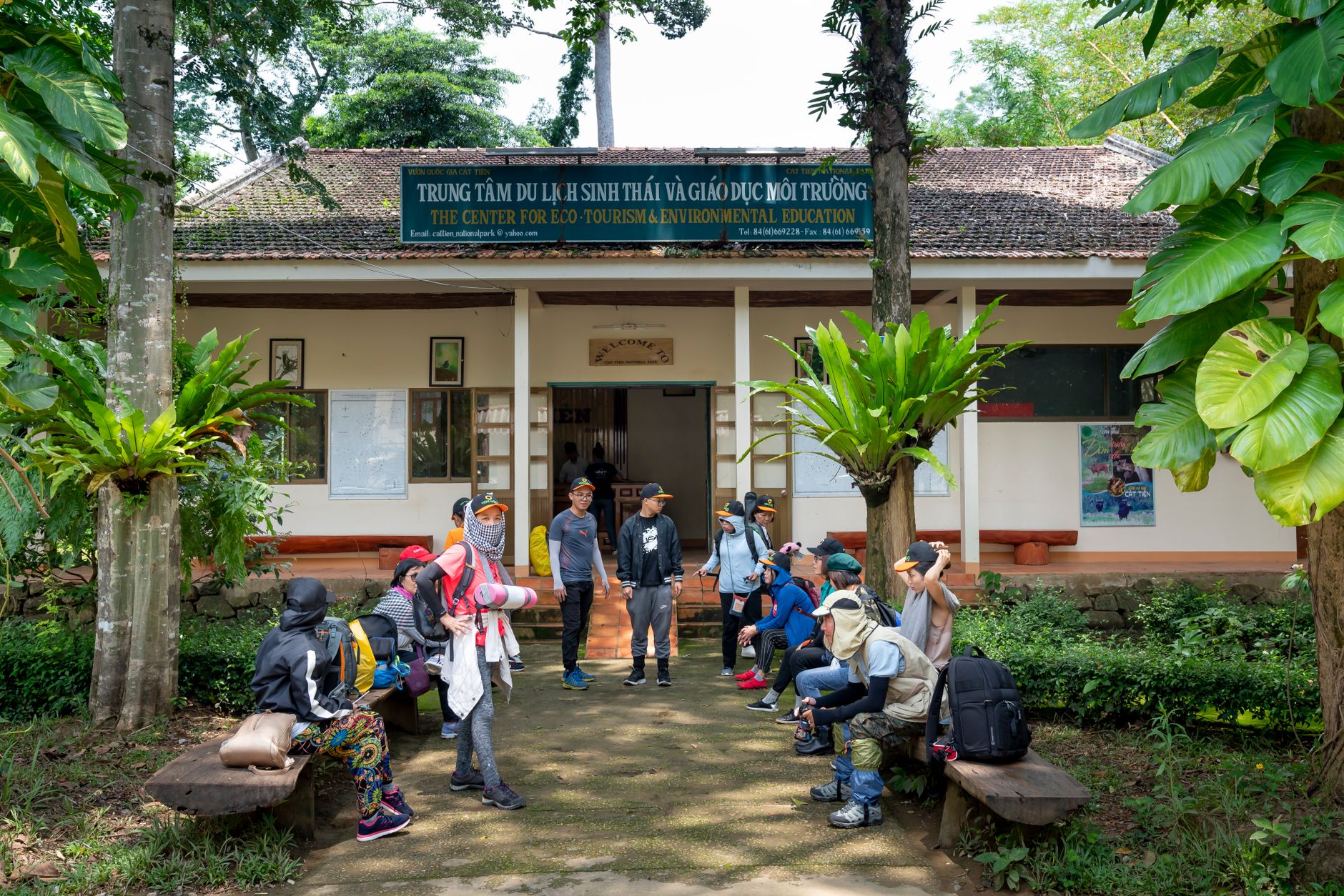
Ever wondered where your travel dollars truly make a difference, far from the crowds? We've uncovered incredible eco-tourism destinations where passionate locals are quietly building a sustainable future, and they're not exactly shouting about it from the rooftops. Get ready to explore the world's best-kept eco-secrets that offer authentic experiences and genuine impact. ---
Unveiling the World's Best-Kept Eco-Secrets: Where Your Travel Makes a Real Difference (and Locals Don't Want Everyone to Know!)
There’s a moment every traveler chases: that feeling of stumbling upon something truly authentic, a place untouched by the glossy brochures and selfie sticks. For me, it happened deep in the mountains of Laos, sharing sticky rice and stories with a Hmong family by the flickering light of a single bulb. I wasn't just visiting a village; I was living a slice of their life, and every penny I spent directly supported their community. It was a stark contrast to the bustling tourist traps I’d seen elsewhere, where the "local experience" felt more like a staged performance.
That trip ignited a fire in me, a quest to find places where eco-tourism isn't just a buzzword, but a lifeline. Places where the local communities are the true custodians of their land and culture, and where your presence, when done right, is a powerful force for good. These aren't the destinations plastered across Instagram feeds (yet!). These are the quiet triumphs, the genuine connections, the sustainable havens that locals have carefully nurtured, sometimes even preferring to keep them under wraps to protect their authenticity from the onslaught of mass tourism.
But for the conscious traveler, the one who seeks to leave a positive footprint and connect on a deeper level, these secrets are too good not to share. So, lean in close, because I’m about to pull back the curtain on some of the world's most incredible eco-tourism destinations where your journey creates a tangible, lasting difference. These are the places where "locals don't want tourists to know" isn't about being unwelcome, but about preserving what's precious – for those who truly appreciate it.
1. Patagonia's Hidden Estancias & Conservation Sanctuaries (Chile & Argentina)
When you hear "Patagonia," you probably picture the iconic granite spires of Torres del Paine or El Chaltén. And while those are magnificent, the true heart of Patagonian eco-tourism, where locals are making a profound difference, lies in its lesser-known estancias (working ranches) and community-led conservation efforts.
My journey here took me far from the crowded trails, deep into the Aysén region of Chilean Patagonia. I stayed at a small, family-run estancia that had diversified from traditional sheep farming into sustainable tourism. Here, the gauchos weren't just wrangling livestock; they were leading horseback treks through ancient forests, pointing out endangered huemul deer, and sharing stories of their efforts to rewild parts of their land. The money I paid went directly to supporting their families, maintaining their traditional way of life, and funding local conservation projects.
What Makes It Special: These estancias often partner with organizations like Tompkins Conservation, working to protect vast swaths of wilderness and reintroduce native species. Your stay directly supports land stewardship, sustainable agriculture, and cultural preservation. You're not just a guest; you're part of an ongoing conservation story.
The Local Secret: These communities are incredibly proud of their heritage and their efforts to protect Patagonia. They welcome respectful visitors who are genuinely interested in their way of life and the environment, but they're not looking for mass tourism that could disrupt the delicate balance they've achieved. They often operate on word-of-mouth or through small, specialized tour operators.
Practical Tips:
- Location: Look for estancias and conservation lodges in regions like Aysén (Chile) or the Iberá Wetlands (Argentina) – a bit further afield than the classic Patagonia circuit.
- Experiences: Horseback riding with gauchos, wildlife tracking, birdwatching, fly fishing, learning about sustainable ranching.
- Cost: Expect to pay anywhere from $150-$400 USD per night, often including meals and guided activities. This might seem steep, but remember it directly funds conservation and local livelihoods.
- Booking: Search for "sustainable estancias Patagonia" or "community-based tourism Aysén." Often, booking directly with the estancia or through a specialized eco-tour operator is best.
- Instagram Moment: A panoramic shot of you on horseback, surrounded by pristine Patagonian wilderness, with a local gaucho guide smiling beside you. #SustainablePatagonia #GauchoLife #HiddenGems
2. Laos' Northern Treks & Mekong River Villages
Laos, often overshadowed by its flashier Southeast Asian neighbors, holds a treasure trove of authentic eco-tourism experiences, particularly in its northern provinces like Luang Namtha and alongside the remote stretches of the Mekong River. This is where the true spirit of community-based tourism thrives, far from the well-trodden backpacker routes of Vang Vieng.
My journey began with a multi-day trek from Luang Namtha, guided by a local Akha villager named Kham. He didn't just show us the path; he taught us about medicinal plants, shared foraging techniques, and translated our conversations with his family during our homestay. Each night, we slept in a different ethnic minority village, sharing simple meals, learning traditional crafts, and witnessing a way of life that felt suspended in time. The trek fees directly supported Kham and his community, funding village schools and healthcare initiatives.
What Makes It Special: Trekking agencies here are often locally owned or closely partnered with villages, ensuring that a significant portion of your fees goes directly to the communities you visit. It's not just about seeing beautiful scenery; it's about cultural exchange, supporting traditional livelihoods, and empowering marginalized ethnic groups. Many projects focus on providing alternatives to unsustainable practices like slash-and-burn agriculture.
The Local Secret: These villages cherish their cultural heritage and prefer visitors who are genuinely interested in learning and respecting their traditions. They're not actively marketing themselves to mass tourism because they want to preserve their authenticity and avoid the negative impacts of over-tourism. They welcome respectful, curious travelers.
Practical Tips:
- Location: Luang Namtha, Phongsali, and areas around the Nam Ha National Protected Area are excellent starting points. Look for multi-day treks that include homestays.
- Experiences: Guided jungle treks, homestays with ethnic minority groups (Akha, Hmong, Lanten), traditional cooking classes, bamboo rafting, supporting handicraft cooperatives.
- Cost: A 2-3 day trek with homestays typically costs $50-$100 USD per person per day, including guides, food, and accommodation.
- Booking: Reputable local operators like Green Discovery Laos (for broader options) or specifically community-based tourism initiatives often have small offices in Luang Namtha town. Ask your guesthouse for recommendations.
- Instagram Moment: A candid shot of you sharing a meal with a local family, or a vibrant photo of children playing in a remote village, nestled amongst lush rice paddies. #LaosEcoTravel #CommunityTourism #AuthenticLaos
3. Republic of Georgia's Svaneti & Tusheti Mountains
Georgia, a land of ancient history, stunning Caucasus peaks, and legendary hospitality, is quickly gaining recognition. But beyond the wine regions and Tbilisi's charm, its remote mountain regions like Svaneti and Tusheti are quietly building robust eco-tourism initiatives that truly make a difference to local communities.
My journey to Svaneti felt like stepping into a medieval fairytale. Driving up winding roads to Mestia, the regional capital, I was surrounded by towering stone defense towers dotting the landscape. But the real magic happened in the tiny, harder-to-reach villages like Ushguli, a UNESCO World Heritage site. Here, I stayed in a guesthouse run by a family whose ancestors had lived in these mountains for centuries. They offered guided treks to glaciers, shared traditional Svaneti cuisine, and explained the challenges of preserving their unique culture in a rapidly changing world. My stay directly supported their family and helped maintain their ancient way of life, preventing young people from migrating to cities.
What Makes It Special: Eco-tourism in Svaneti and Tusheti is deeply intertwined with cultural preservation. Local guesthouses, often renovated family homes, employ villagers, source local produce, and offer unique insights into Svan culture. Trekking routes are maintained by local communities, and your fees contribute to protecting these pristine mountain environments and their unique traditions.
The Local Secret: The Svan and Tush people are fiercely proud and protective of their heritage. They welcome visitors who respect their customs and the sanctity of their mountains. They're wary of mass tourism that could dilute their culture or harm their environment, so they prefer a slower, more respectful kind of visitor.
Practical Tips:
- Location: Mestia is the main hub for Svaneti. For Tusheti, you'll need a 4x4 and a sense of adventure, as the road is only open a few months a year.
- Experiences: Multi-day treks between villages, horseback riding, staying in family guesthouses, learning about Svaneti's unique language and traditions, visiting ancient churches.
- Cost: Guesthouse stays are very affordable, typically $30-$60 USD per night including breakfast and dinner. Guided treks can range from $50-$150 USD per day depending on duration and group size.
- Booking: Many guesthouses are listed on platforms like Booking.com, but you can also find them by asking locals in Mestia or through specialized Georgian tour operators.
- Instagram Moment: A dramatic shot of ancient Svaneti defense towers against a backdrop of snow-capped peaks, or a warm photo of you enjoying a traditional Georgian feast (supra) with a local family. #Svaneti #Tusheti #GeorgiaTravel #MountainCulture
4. Belize's Southern Cayo & Marine Conservation Efforts
Belize is famous for its barrier reef and lush jungles, but away from the well-trodden paths of San Pedro or Placencia, particularly in the southern Cayo district and specific, smaller cayes, you'll find genuine eco-tourism initiatives making a profound difference. These are the places where the health of the reef and the rainforest are paramount, and where local communities are at the forefront of conservation.
I spent a week in a remote eco-lodge near San Ignacio, deep in the Cayo district. It was completely off-grid, powered by solar, and employed almost exclusively locals from the nearby Maya villages. My days were spent exploring Maya ruins with a local guide who shared ancestral knowledge, tubing down underground rivers, and learning about sustainable farming practices on the lodge's own farm. The lodge also actively funded local education and health programs, making my stay feel incredibly impactful. Later, I visited a small caye where a local cooperative was focused on marine conservation, offering sustainable snorkeling tours that funded coral reef restoration projects.
What Makes It Special: Belize's commitment to conservation is strong, and many smaller, locally-owned lodges and tour operators are leading the charge. They offer authentic experiences that directly support local employment, preserve indigenous culture (especially Maya heritage), and fund critical environmental protection efforts for both the rainforest and the Mesoamerican Barrier Reef.
The Local Secret: These operators are dedicated to high-value, low-impact tourism. They prefer guests who share their passion for conservation and cultural respect, rather than those seeking a party atmosphere. They often rely on word-of-mouth and dedicated eco-travel communities to find their visitors.
Practical Tips:
- Location: Look for eco-lodges in the Cayo district (near San Ignacio) or small, community-run marine operations on lesser-known cayes.
- Experiences: Guided Maya ruin tours, jungle trekking, birdwatching, cave tubing, sustainable snorkeling/diving with marine conservation groups, learning about traditional crafts and foods.
- Cost: Eco-lodges can range from $100-$300 USD per night, often including some activities. Community-run tours are typically more affordable, around $50-$100 USD per person per day.
- Booking: Research "Belize eco-lodges Cayo" or "sustainable marine tours Belize." Look for certifications like Green Globe or specific community partnerships.
- Instagram Moment: A vibrant shot of you exploring a hidden Maya ruin, bathed in jungle light, or a serene underwater photo of healthy coral and diverse marine life, knowing your visit helped protect it. #BelizeEcoTravel #MayaCulture #ReefConservation #SustainableAdventure
5. Rwanda's Community-Based Tourism Beyond Gorillas
Rwanda has famously bounced back from its tragic past, leveraging gorilla tourism to fund conservation and development. But beyond the incredible gorilla trekking experiences, there's a burgeoning, less-publicized world of community-based tourism that truly makes a difference to local populations. This is where your travel directly contributes to cultural preservation, education, and economic empowerment.
After my awe-inspiring gorilla trek in Volcanoes National Park, I decided to delve deeper. I visited the Iby'Iwacu Cultural Village (now renamed Gorilla Guardians Village), a brilliant initiative near the park. It's run entirely by former poachers who have transformed into conservation ambassadors and cultural performers. Here, I learned about traditional Rwandan life, watched captivating dances, and even tried my hand at grinding sorghum. Every penny spent on entry fees and crafts directly supported these individuals and their families, providing them with a sustainable livelihood that benefits from conservation rather than harming it. It was a powerful, humanizing experience that showed the true impact of responsible tourism.
What Makes It Special: Rwanda's community-based tourism projects are often a direct result of conservation efforts, providing alternative incomes for communities living near national parks. They focus on cultural exchange, education, and empowering local people, often former poachers or marginalized groups, to become stakeholders in tourism and conservation.
The Local Secret: While gorilla trekking is heavily promoted, these smaller, community-led initiatives are less widely advertised. They thrive on the direct engagement and curiosity of visitors who seek to understand Rwandan culture and contribute positively to its development, rather than just tick off a bucket list animal encounter.
Practical Tips:
- Location: Look for projects near national parks like Volcanoes National Park (for Gorilla Guardians Village) or Nyungwe Forest National Park (for tea plantation visits and cultural experiences).
- Experiences: Cultural village visits, traditional dance performances, artisan workshops, village walks, nature walks with local guides, coffee/tea farm tours.
- Cost: Entry fees for cultural villages are typically $20-$50 USD. Other activities vary.
- Booking: Many projects can be booked directly or through your lodge/tour operator when visiting the national parks. Research "community-based tourism Rwanda" or specific initiatives like "Gorilla Guardians Village."
- Instagram Moment: A vibrant photo of you participating in a traditional Rwandan dance, or a heartwarming portrait of a local artisan showcasing their crafts. #RwandaCulture #CommunityImpact #SustainableRwanda #BeyondGorillas
How to Be the Kind of Tourist Locals Do Want to Know
Traveling to these incredible destinations isn't just about seeing beautiful places; it's about being a conscious participant in a positive change. Here’s how you can maximize your impact and ensure you’re the kind of traveler these communities genuinely welcome:
- Do Your Homework: Research operators thoroughly. Look for certifications, clear statements on community benefits, and reviews that mention local engagement. Prioritize locally-owned businesses.
- Go Local: Hire local guides, stay in locally-owned guesthouses, eat at local restaurants, and buy directly from artisans. This ensures your money stays within the community.
- Learn and Respect: Make an effort to learn a few basic phrases in the local language. Understand and respect local customs, dress codes, and traditions. Ask permission before taking photos.
- Ask Questions, Listen Deeply: Engage with locals. Ask about their lives, their culture, and their challenges. Listen to their stories – this is where the real connection happens.
- Pack Smart & Light: Minimize your environmental footprint. Bring reusable water bottles, avoid single-use plastics, and pack clothing appropriate for the climate and local culture.
- Be Patient & Flexible: Things might not always run on Western time. Embrace the unexpected, be open to changes, and enjoy the slower pace of life.
- Support Fair Trade: When buying souvenirs, look for fair trade certifications or buy directly from the artisans themselves. Bargain respectfully, but remember the value of their craft.
- Leave No Trace: Follow "leave no trace" principles in natural environments. Pack out everything you pack in.
- Spread the Word (Responsibly): Share your experiences, but always emphasize the importance of responsible travel and respecting the local communities and environment.
Your Next Adventure Awaits: Be a Force for Good
The world is full of incredible places, but the truly transformative journeys are those where you don't just observe; you participate. These secret eco-tourism havens offer more than just a vacation; they offer a chance to connect, to learn, and to contribute to a brighter, more sustainable future for the people and places you visit.
Locals in these destinations aren't trying to keep tourists out; they're trying to keep their authenticity, their culture, and their environment intact. They're looking for kindred spirits – travelers who understand the power of mindful exploration and who are willing to go a little deeper, beyond the curated experiences, to find the real heart of a place.
So, are you ready to uncover these hidden gems? Are you ready to make your next trip truly count? Bookmark this post, start planning, and embark on an adventure that will not only change your perspective but also make a real, lasting difference in the world. The secret's out (to the right kind of traveler, that is)!
---
More pictures


Tags
Share this guide
We may earn a commission if you click a link and buy a product or service, at no extra cost to you. How affiliate links work.
Been there?