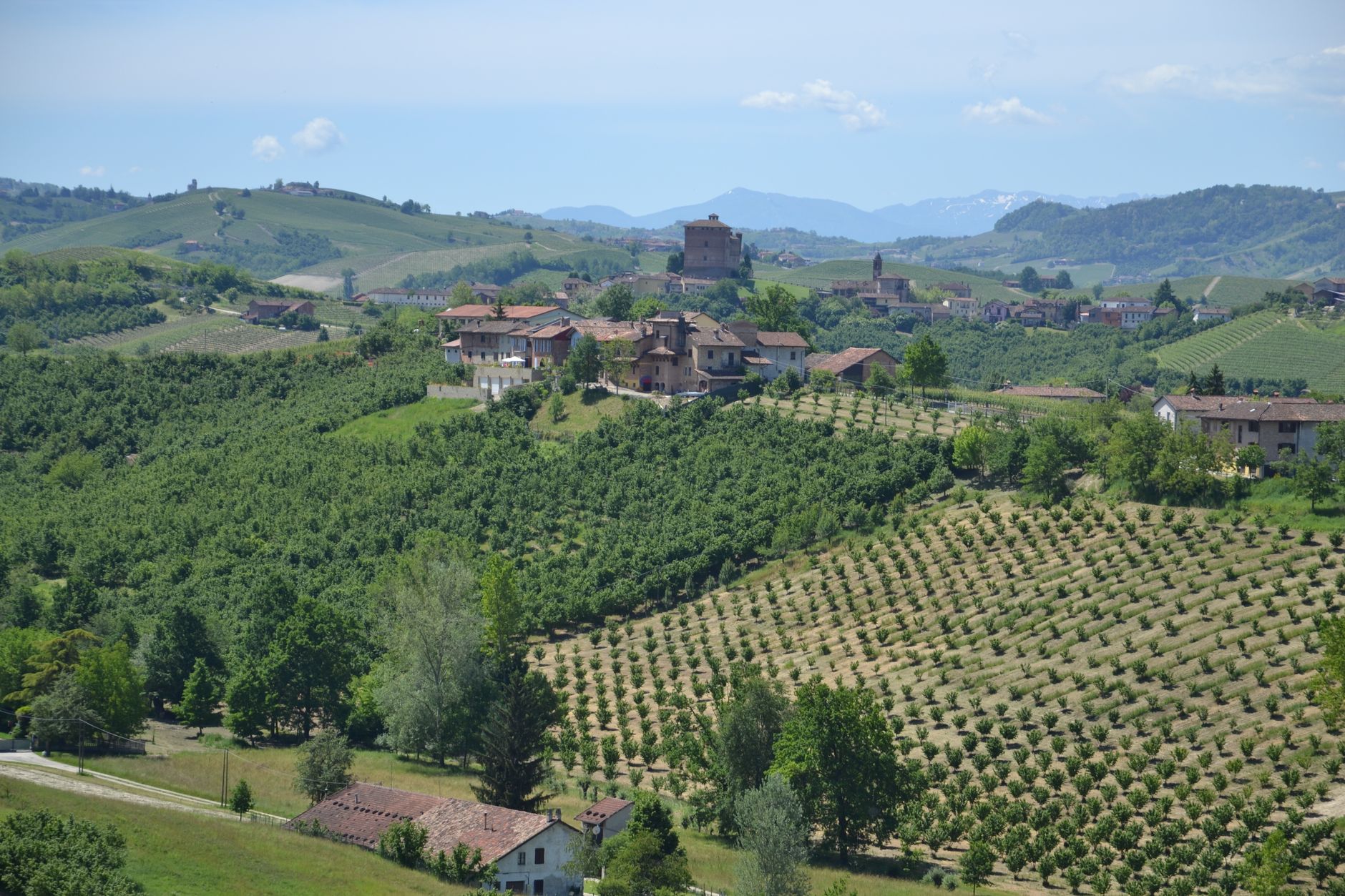
Tired of the same old wine routes? We've unearthed
The Road Less Traveled: Uncorking the World's Best Kept Wine Secrets
I stepped off the train and was immediately enveloped by a scent I’d only ever dreamed of: a heady mix of sun-baked earth, wild thyme, and something subtly sweet, like crushed berries just beginning to ferment. The air itself seemed to hum with a quiet anticipation. This wasn't the bustling chaos of Bordeaux or the postcard perfection of Tuscany. This was something else entirely. This was the thrill of discovery, the whisper of a wine region on the cusp of greatness, a place where the stories are as rich as the terroir.
For too long, the wine world has been dominated by a select few, their names spoken with reverence, their vineyards packed shoulder-to-shoulder with eager tourists. But what if I told you there’s a whole universe of astonishing wines waiting to be explored, far from the madding crowds? Regions where passionate vignerons are pushing boundaries, where ancient traditions meet innovative techniques, and where a single glass can transport you to a place you never knew existed.
As an elite travel journalist and your personal guide to the extraordinary, I’ve spent years traversing the globe, sniffing out these vinous treasures. And today, I’m sharing my most guarded secrets. Forget the well-trodden paths; it’s time to venture into the heart of amazing wine regions no one talks about yet worth considering.
1. Slovenia: The Green Heart of European Wine
Forget everything you think you know about Eastern European wine. Slovenia, a tiny nation nestled between Italy, Austria, Hungary, and Croatia, is a veritable Eden for oenophiles. Its wine history stretches back millennia, yet it remains remarkably under the radar. The country boasts an astonishing diversity of microclimates and soil types, resulting in a staggering array of indigenous grape varietals that are truly unique.
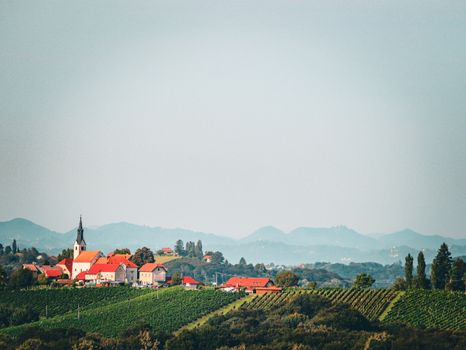
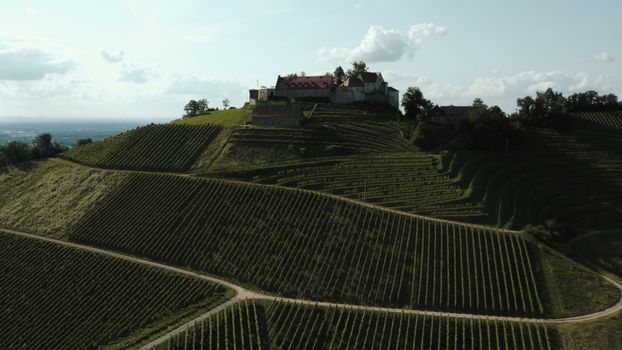
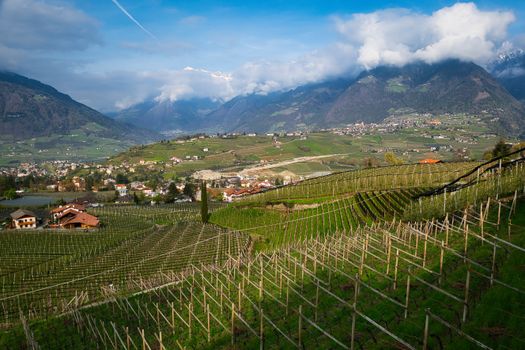
The Vipava Valley, in particular, stole my heart. Imagine rolling hills carpeted in vineyards, dotted with charming villages where life moves at a gentle, unhurried pace. Here, the focus is on natural and biodynamic winemaking, with many producers championing orange wines – wines fermented with their skins, creating complex, aromatic, and often surprisingly refreshing whites.
Pro-Tip: Seek out a "Goriška Brda" wine cellar. These traditional stone cellars, often built into the hillsides, are cooler and offer a truly atmospheric tasting experience. Look for winemakers like Mlečnik or Marjan Simčič for an introduction to their exceptional Teran and Rebula.
Quick Facts: Vipava Valley, Slovenia
- Estimated Costs: $ (Budget-friendly to Mid-range) - Tasting fees can range from €10-€30. Accommodation starts around €60/night.
- Best Time to Visit: Late Spring (May-June) for blooming vineyards and mild weather, or early Autumn (September-October) for harvest festivities.
- How to Get There: Fly into Ljubljana (LJU) and rent a car (approx. 1-hour drive). Alternatively, fly into Trieste (TRS) in Italy and drive (approx. 45 mins).
2. Uruguay: The Unexpected Powerhouse of Tannat
When you think of South America and wine, Argentina and Chile likely spring to mind. But tucked away on the Atlantic coast, Uruguay is quietly producing some of the most exciting and distinctive wines on the continent, with Tannat as its undisputed king. This robust red grape, originally from Southwest France, has found its perfect home in Uruguay's maritime climate and sandy soils, yielding wines of incredible depth, dark fruit, and velvety tannins.
My first encounter with Uruguayan Tannat was transformative. It was bold, yet elegant, with notes of blackberry, plum, and a hint of tobacco. It’s a wine that demands attention and rewards with every sip. Beyond Tannat, Uruguay is also experimenting with other varietals, and its Albariño is a refreshing, crisp white that’s perfect for pairing with the country’s world-class seafood.
Insider Lingo: You'll hear about "bodegas familiares" – family-run wineries. These are the heart and soul of Uruguayan wine, often offering intimate tasting experiences where you’ll meet the winemakers themselves.
Pro-Tip: Visit the Canelones region, the traditional heartland of Uruguayan wine. Look for producers like Pizzorno Family Estates or Bodega Garzón (though Garzón is more established, their commitment to quality is undeniable). For a truly unique experience, check out Narbona Vinoteca for a combination of wine and gourmet food pairings.
Quick Facts: Canelones, Uruguay
- Estimated Costs: $$ (Mid-range) - Tastings typically €15-€40. Boutique hotel stays can be around €100-€200/night.
- Best Time to Visit: Harvest season (February-March) for vibrant harvest celebrations, or shoulder seasons (November-December or April-May) for pleasant weather and fewer crowds.
- How to Get There: Fly into Montevideo (MVD). Canelones is a short drive (approx. 30-45 minutes) from the capital.
3. North Macedonia: Balkan Gem with Ancient Roots
Prepare to be utterly charmed by North Macedonia, a country whose winemaking heritage dates back over 4,000 years. Yet, it remains largely undiscovered by the global wine community. The Tikveš region, often referred to as the "Valley of Wine," is the country's undisputed viticultural heartland. Here, the sun beats down generously, nurturing grapes that yield wines of remarkable character and intensity.
What truly sets North Macedonia apart are its indigenous varietals. Vranec is the star, a full-bodied red with deep color, robust tannins, and notes of dark cherry, licorice, and spice. It’s a wine that speaks of the ancient land it comes from. Then there’s Smederevka, a crisp, aromatic white, perfect for sipping on a warm afternoon.
Authentic Detail: The architecture in the older wineries often reflects Ottoman influences, with beautiful stone courtyards and tiled roofs, a testament to the region's rich history.
Pro-Tip: Don't miss the opportunity to taste wines from smaller, family-owned estates. They often offer a more personal and insightful experience. Look for wines from Bovin Winery or Popova Kula Winery for a good introduction. The local cuisine, with its grilled meats and fresh vegetables, is the perfect accompaniment to these bold Macedonian wines.
Quick Facts: Tikveš Region, North Macedonia
- Estimated Costs: $ (Very Budget-friendly) - Tasting fees are minimal, often €5-€15. Affordable and charming guesthouses are readily available from €30/night.
- Best Time to Visit: Late Summer (August-September) for the vibrant colors of the vineyards and pleasant temperatures, or during harvest (September-October) for local festivals.
- How to Get There: Fly into Skopje (SKP). Rent a car (approx. 1.5-hour drive to the Tikveš region).
4. Georgia: The Cradle of Wine Where Ancient Tradition Thrives
If you’re seeking an experience that’s both profoundly historic and utterly unique, then Georgia is your destination. Often called the "Cradle of Wine," Georgia boasts an unbroken winemaking tradition of over 8,000 years, evidenced by the discovery of ancient clay vessels (qvevri) containing wine residue. This tradition is not just a relic of the past; it's a living, breathing art form.
The cornerstone of Georgian winemaking is the qvevri, large clay amphorae buried underground, where grapes are fermented with their skins, stems, and seeds. This ancient method produces amber wines (often mistakenly called orange wines) that are intensely aromatic, tannic, and complex, with flavors that can range from dried apricot and honey to earthy spices. Saperavi, a deeply colored and robust red grape, is another Georgian icon, capable of producing wines that can age for decades.
Insider Insight: The Georgian approach to winemaking is deeply connected to hospitality and supra (feasts). Expect to be welcomed with open arms and treated to an unforgettable culinary and vinous journey. The "tamada" (toastmaster) plays a crucial role in these celebrations, weaving stories and blessings.
Pro-Tip: Explore the Kakheti region, the most prominent wine-producing area. Visit traditional family wineries (maranis) for an authentic qvevri winemaking demonstration. Look for producers like Pheasant's Tears or Teliani Valley for an excellent introduction. Don't leave without trying Khachapuri (cheese-filled bread) and Khinkali (dumplings) – the perfect partners to Georgian wine.
Quick Facts: Kakheti, Georgia
- Estimated Costs: $ (Extremely Budget-friendly) - Tasting fees are often included with a meal or are very nominal (€5-€10). Guesthouses are incredibly affordable, starting around €25/night.
- Best Time to Visit: Early Autumn (September-October) for the Rkatsiteli and Saperavi grape harvest, a truly festive time. Spring (April-May) offers beautiful blooming landscapes.
- How to Get There: Fly into Tbilisi (TBS). Rent a car or hire a driver for the scenic 2-hour drive to Kakheti.
5. Lebanon: Ancient Vines in a Land of Legends
Lebanon, a country with a history as rich and complex as its wines, is home to some of the oldest continuously producing vineyards in the world. The Bekaa Valley, nestled between the Lebanon and Anti-Lebanon mountain ranges, boasts a Mediterranean climate with hot, dry summers and mild, wet winters, creating ideal conditions for viticulture.
The star of Lebanese wine is undoubtedly Cinsault, a grape that thrives in the region and produces elegant, fruity red wines. However, French varietals like Cabernet Sauvignon, Syrah, and Chardonnay have also found a remarkable home here, often blended to create wines with incredible depth, structure, and longevity. The most famous producer, Château Musar, is a legendary name, crafting wines that are both powerful and age-worthy, often compared to Bordeaux but with a distinct Levantine character.
Sensory Detail: The air in the Bekaa Valley carries the scent of dry earth, wild herbs, and the distant aroma of cedar trees, a subtle yet evocative backdrop to the wine tasting experience.
Pro-Tip: Visit Château Musar for a tasting, but also venture out to discover smaller, artisanal wineries in the Bekaa. Château Kefraya and Ixsir are excellent choices. The local cuisine, with its mezze platters, grilled meats, and fresh herbs, is an absolute delight and pairs beautifully with Lebanese wines. Be sure to try Arak, the local anise-flavored spirit, often enjoyed with food.
Quick Facts: Bekaa Valley, Lebanon
- Estimated Costs: $$ (Mid-range to Upper Mid-range) - Tasting fees can range from €20-€50. Boutique hotels and guesthouses are around €80-€150/night.
- Best Time to Visit: Late Spring (May-June) for pleasant weather and blooming landscapes, or early Autumn (September-October) for harvest festivities.
- How to Get There: Fly into Beirut (BEY). Rent a car or hire a driver for the approximately 1.5-hour drive to the Bekaa Valley.
Your Next Great Wine Adventure Awaits
These regions are more than just places to drink wine; they are invitations to explore history, culture, and the sheer passion of winemakers who are dedicated to their craft. They offer an escape from the ordinary, a chance to discover something new, and the profound satisfaction of uncorking a truly exceptional bottle that tells a story.
So, the next time you’re planning a trip, consider venturing off the beaten path. These amazing wine regions no one talks about yet worth considering are waiting to surprise and delight you. Pack your bags, open your mind, and get ready to taste the world, one extraordinary sip at a time. Your next legendary wine story starts here.
---
More pictures
Tags
Share this guide
We may earn a commission if you click a link and buy a product or service, at no extra cost to you. How affiliate links work.
Been there?