
Skip the over-processed, nutrient-stripped white flour of industrial agriculture and step onto the living soil where culinary history is being saved. From the sun-baked clay of Tuscany to the high deserts of Arizona, these five expert-recommended heritage grain farms offer immersive tours, stone-milling workshops, and the chance to taste ancient grains—like Einkorn, Emmer, and White Sonora—directly from the fields where they are harvested. Here is your ultimate guide to the ultimate agricultural pilgrimage.
The Hook: A Handful of Golden Dust
I stepped off the regional train at the dusty Chiusi-Chianciano Terme station in southern Tuscany, the air thick with the scent of wild fennel, woodsmoke, and warm, damp earth. I wasn’t here for the Chianti vineyards or the tourist-choked plazas of Florence. I was chasing something far older, far more elusive, and infinitely more delicious: a handful of grain that hadn't changed its genetic makeup since the Roman Empire.
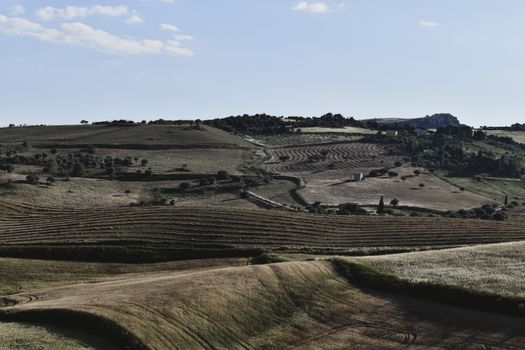
Two hours later, standing in the middle of a golden field at Podere Forte in the Val d'Orcia, the farm’s agronomist handed me a few seed heads of Senatore Cappelli wheat. I rubbed the husks between my palms, blew away the chaff, and popped the raw kernels into my mouth. The flavor was an immediate revelation—nutty, intensely grassy, with a distinct sweetness reminiscent of toasted malt.
This wasn't just wheat; it was a time capsule.
For decades, modern industrial agriculture has prioritized high-yield, dwarf wheat varieties engineered for chemical inputs and high-speed roller mills. In the process, we lost the deep root systems, the complex starches, and the incredible regional flavors of our ancestral grains. But a quiet revolution is taking place. Across the globe, pioneering farmers, scientists, and bakers are rescuing landrace grains from extinction.
If you want to understand where our food is going, you have to visit where it began. Here are the definitive ancient grain farms preserving heritage varieties that culinary experts, soil scientists, and elite bakers are recommending right now.
---
1. Podere Forte: The Biodynamic Renaissance of Val d'Orcia
The Terroir of Tuscan Durum
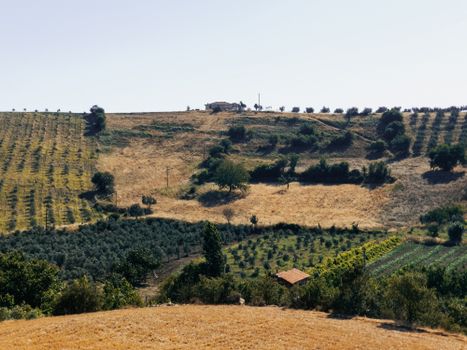
Located in the UNESCO-protected clay hills of southern Tuscany, Podere Forte is less of a farm and more of a self-sustaining agricultural ecosystem. Founded by visionary Pasquale Forte, this estate operates on strict biodynamic principles, treating the soil as a living organism.
``` [Active Soil Microbiome] ──> [Deep-Rooted Senatore Cappelli] ──> [Stone-Ground Semolina] ```
Here, the star of the show is Senatore Cappelli, an ancestral durum wheat variety introduced in Italy in 1915. Unlike modern short-straw wheat, Cappelli grows over five feet tall, its deep roots mining the clay soils for minerals that give the grain its signature high-protein, low-gluten-strength profile.
The On-Site Experience
Your visit begins at the state-of-the-art stone mill. Unlike high-speed steel rollers that strip the nutritious germ and bran from the endosperm, Podere Forte’s natural granite millstones turn slowly, keeping the flour cool and preserving its volatile oils, carotenoids, and natural yeasts.
You can watch the golden semolina cascade from the chutes, smelling of warm hay and fresh-baked brioche, before heading to the pasta-making workshop where this flour is transformed into rough-textured pici pasta using bronze dies.
More pictures
Tags
Share this guide
We may earn a commission if you click a link and buy a product or service, at no extra cost to you. How affiliate links work.
Been there?