
Tired of the same old wine routes? I stumbled upon a secret tasting room in a region experts are raving about, and trust me, you're going to want to add these "no one talks about" wine havens to your bucket list. Get ready for mind-blowing flavors, breathtaking landscapes, and zero crowds.
The Uncorked Frontier: Where the World's Best Wine Secrets Lie
I stepped off the train and was immediately enveloped by a scent I couldn't quite place – a heady mix of sun-baked earth, wild herbs, and something subtly sweet, like overripe figs. The air was alive with the distant bleating of sheep and the murmur of a language I barely understood. This wasn't the manicured perfection of Bordeaux or the sun-drenched drama of Tuscany. This was something else entirely. This was Istria, Croatia, and it was about to redefine my understanding of European wine.
For years, my life has been a whirlwind of vineyard visits, from the iconic chateaux of France to the robust territories of Italy. But lately, I'd felt a whisper of sameness creeping in. The same grapes, the same tasting notes, the same well-trodden paths. I craved the thrill of discovery, the joy of stumbling upon a wine so unique, so unexpected, it felt like uncovering a buried treasure. That's when I started talking to the real experts – the sommeliers who spend their lives tasting, the winemakers pushing boundaries, the critics always searching for the next big thing. And they all pointed me towards the same whispered secrets: wine regions that are, for now, blissfully off the radar.
This guide is for you, the adventurous palate, the traveler who seeks authenticity over accolades, and the connoisseur who knows that true luxury lies in the undiscovered. Forget the tourist throngs; we're diving deep into the world's most exciting, yet largely unheralded, wine regions.
1. Istria, Croatia: The Adriatic's Emerald Jewel
My Istrian awakening was complete with a glass of Malvasia Istriana, a crisp, aromatic white with notes of green apple and a saline finish that perfectly mirrored the nearby Adriatic Sea. This peninsula, shaped like a heart, is a fascinating blend of Italian and Slavic influences, evident in its charming hilltop towns and its burgeoning wine scene.
The Undiscovered Charm: Istria is often overshadowed by its more famous Italian neighbors, but that’s precisely its allure. Here, you’ll find family-run wineries where generations of knowledge are poured into every bottle. The landscape is a patchwork of vineyards, olive groves, and truffle-rich forests, creating an idyllic backdrop for wine exploration.
What to Sip:
- Malvasia Istriana: The star white. Expect vibrant acidity, floral aromas, and a minerality that speaks of its coastal terroir.
- Teran: A robust red, often compared to a Sangiovese or a Northern Italian Nebbiolo. It’s earthy, with notes of dark cherry and a distinct peppery finish. Perfect with Istrian prosciutto and truffle pasta.
Pro-Tip: Many wineries offer incredible olive oil tastings alongside their wines. Don't miss out! Look for producers who highlight their single-varietal oils.
Insider Lingo: Locals often refer to the "white Istria" (inland, known for truffles and richer wines) and "red Istria" (coastal, with more mineral-driven wines).
2. The Douro Valley, Portugal: Beyond Port's Shadow
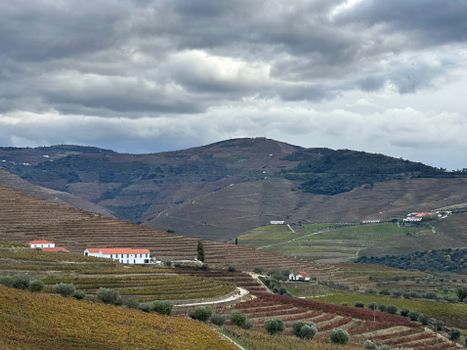
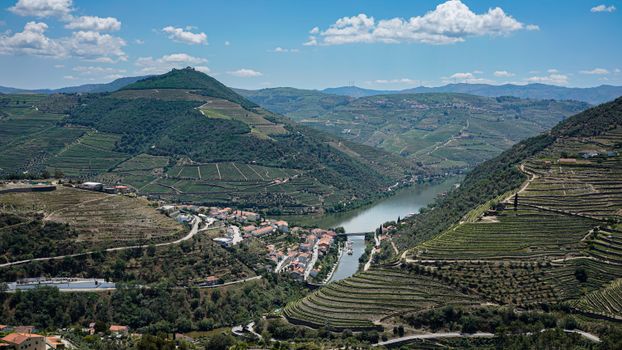
When you think of the Douro, you probably picture fortified wine. And while its Port is legendary, the Douro is a far more complex and exciting wine region than most realize. I spent a week here, and the sheer beauty of the terraced vineyards cascading down to the river, coupled with the quality of the unfortified wines, was astounding.
The Unspoiled Splendor: The Douro is a UNESCO World Heritage site, and for good reason. The landscape is dramatic and breathtaking, carved by centuries of winemaking. While the big Port houses are here, the real magic lies in exploring the smaller, independent producers crafting exceptional table wines.
What to Sip:
- Touriga Nacional: This noble Portuguese grape is the backbone of many great reds, both fortified and unfortified. Expect intense dark fruit, floral notes (violet is common), and firm tannins.
- Vinho Verde (from the Douro): While typically associated with a different region, you can find incredible, crisp Vinho Verdes made from grapes grown in the cooler, higher elevations of the Douro.
- Field Blends (Red & White): Many old vines are a mix of different grape varietals, creating wines with incredible complexity and depth.
Pro-Tip: Take a scenic train ride along the river. The views are unparalleled, and you can hop off at smaller towns to visit wineries. Consider a stay at a Quinta (wine estate) for an immersive experience.
Quick Facts: Douro Valley (Unfortified Focus)
| Category | Details | Estimated Cost ($) | Best Time to Visit | How to Get There | | :----------------- | :-------------------------------------------------------------------- | :----------------- | :----------------- | :--------------------------------------------------------------------------------------------------------------------------------------------------------------------------------------------------------------------------------------------------- | | Wine Type | Red (Touriga Nacional, Field Blends), White, Vinho Verde | $$-$$$ | April-June, Sept-Oct | Fly into Porto (OPO). Train from Porto to Pinhão or Peso da Régua (approx. 2-3 hours). Car rental for flexibility. | | Atmosphere | Majestic, historic, dramatic landscapes, serene river views | | | | | Unique Factor | Ancient terraced vineyards, UNESCO site, evolving table wine scene | | | | | Insider Tip | Book winery tours and tastings in advance, especially for smaller Quintas | | | |
3. The Finger Lakes, USA: Riesling's American Renaissance
When I first heard about the Finger Lakes as a serious wine destination, I admit I was skeptical. My mind conjured images of amateurish bottling and basic fruit wines. Oh, how wrong I was. This region, with its deep, glacially-carved lakes, is a haven for cool-climate varietals, and its Riesling is nothing short of world-class.
The Cool-Climate Canvas: The lakes act as massive moderating forces, creating microclimates ideal for grapes that thrive in cooler conditions. The result is wines with vibrant acidity, purity of fruit, and an incredible aging potential. It’s a more accessible, yet equally rewarding, wine experience compared to many European counterparts.
What to Sip:
- Riesling: This is the undisputed king. From bone-dry (Trocken-style) to lusciously sweet (late harvest and ice wine), the Finger Lakes produces some of the finest Rieslings outside of Germany and Alsace. Expect notes of lime, green apple, peach, and that signature minerality.
- Cabernet Franc: A surprisingly successful red varietal here, producing wines with red fruit, earthy undertones, and a touch of peppery spice.
- Gewürztraminer: For those who love aromatic whites, this is a must-try. Think lychee, rose petals, and ginger.
Pro-Tip: Many wineries offer vertical tastings of their Rieslings, allowing you to taste different vintages and see how they evolve. This is a fantastic way to appreciate the region's quality and aging potential.
The Budget/Logistics:
- Estimated Cost ($): $$ (Winery visits and tastings are generally affordable, with many offering complimentary tastings or a small fee redeemable with purchase.)
- Best Time to Visit: Late Spring (May-June) for blooming vineyards and fewer crowds, or Fall (September-October) for harvest season and stunning foliage.
- How to Get There: Fly into Syracuse Hancock International Airport (SYR) or Rochester International Airport (ROC). Rent a car – it’s essential for exploring the different lake regions.
4. Etna, Sicily, Italy: The Volcanic Elixir
Mount Etna, Europe's most active volcano, isn't just a geological marvel; it's a wine-producing powerhouse. The volcanic soil, rich in minerals and with excellent drainage, imparts a unique character to the grapes grown on its slopes. I felt a primal connection to the land here, a sense of ancient power that translates directly into the wines.
The Volcanic Terroir: The high altitude and volcanic soil create a challenging but rewarding environment for winemakers. The indigenous grapes, Nerello Mascalese and Carricante, have adapted beautifully, producing wines that are both elegant and powerful, with a distinct minerality and a surprising freshness.
What to Sip:
- Etna Rosso (Nerello Mascalese): Often compared to a lighter-styled Burgundy or a Nebbiolo, this red is ethereal, with notes of cherry, raspberry, wild herbs, and a striking minerality. It’s complex and incredibly age-worthy.
- Etna Bianco (Carricante): A crisp, dry white with a pronounced mineral backbone, citrus notes, and a subtle salinity. It’s incredibly refreshing and food-friendly.
Pro-Tip: Visit wineries on the northern slopes (Randazzo, Castiglione di Sicilia) for a different perspective and often more traditional styles compared to the eastern slopes (Zafferana Etnea, Linguaglossa). Many offer tours that explain the unique viticulture of the volcano.
Insider Lingo: You'll hear about "Etna Rosso" and "Etna Bianco" as the primary designations, but look for specific vineyard sites ("Contrada") as they denote unique microclimates and soil compositions, much like Burgundy's climats.
5. The Swartland, South Africa: Bold, Unconventional, Brilliant
Forget Stellenbosch for a moment. The Swartland, a rugged, windswept region inland from Cape Town, is where South Africa’s most exciting and experimental wines are being made. It’s a place of grit, passion, and a fierce independence that’s reflected in its bold, often Rhône-inspired, wines.
The Unruly Beauty: This region was historically known for bulk wine production, but a new wave of winemakers has transformed it into a hotbed of innovation. They're championing old vines, natural winemaking techniques, and lesser-known grape varietals, creating wines with incredible character and soul. The landscape itself is starkly beautiful, with rolling hills and fynbos vegetation.
What to Sip:
- Chenin Blanc: The Swartland is producing some of the world’s most exciting Chenin Blancs, from lean and mineral-driven to rich and complex.
- Rhône Varietals (Syrah, Grenache, Mourvèdre): These grapes thrive in the warm climate, producing powerful, fruit-driven wines with structure and finesse.
- Field Blends: Similar to the Douro, many old vines are a mix of varietals, leading to wines of exceptional complexity.
Pro-Tip: Many Swartland wineries are also pioneering natural and biodynamic winemaking. If you're interested in these styles, seek out producers who are vocal about their sustainable practices. The tasting rooms are often more rustic and intimate.
Quick Facts: Swartland
| Category | Details | Estimated Cost ($) | Best Time to Visit | How to Get There | | :----------------- | :------------------------------------------------------------------- | :----------------- | :----------------- | :---------------------------------------------------------------------------------------------------------------------------------------------- | | Wine Type | White (Chenin Blanc, Rhône blends), Red (Rhône blends, Field Blends) | $$-$$$ | March-May, Sept-Nov | Fly into Cape Town International Airport (CPT). Rent a car (approx. 1 hour drive). | | Atmosphere | Rustic, bohemian, independent, natural beauty, a touch wild | | | | | Unique Factor | Old vine focus, natural winemaking, Rhône varietals, emerging scene | | | | | Insider Tip | Visit during the Swartland Independent Producers (SIP) festival if possible – a celebration of this unique wine style. | | | |
6. Transylvania, Romania: A Renaissance of Romanian Wine
Yes, Transylvania. Not just for vampires and castles, this region is undergoing a remarkable wine renaissance. Centuries of winemaking tradition, combined with modern techniques and investment, are bringing Romanian wines back to international prominence. The rolling hills and fertile valleys create perfect conditions for a variety of grapes.
The Emerging Gem: Romania boasts one of the oldest winemaking traditions in the world, dating back thousands of years. However, much of this history was disrupted during the communist era. Today, a new generation of winemakers is reviving ancient vineyards and planting new ones, focusing on both indigenous and international varietals.
What to Sip:
- Fetească Neagră: A uniquely Romanian red grape producing wines with dark fruit, spice, and often a floral or smoky character. It can range from light and fruity to rich and complex.
- Fetească Albă & Fetească Regală: These indigenous white grapes offer crisp, aromatic wines with notes of apple, pear, and floral hints.
- Cadarcă: A local red grape, often producing medium-bodied wines with red fruit and earthy notes.
Pro-Tip: Look for wineries that offer tours of their historic cellars. Many have been beautifully restored and offer a glimpse into Romania's long winemaking past. The hospitality is often incredibly warm and genuine.
The Authenticity Factor: The food scene in Transylvania is hearty and delicious – think rich stews, smoked meats, and delicious pastries. Pair these with the robust local wines for an unforgettable culinary journey. The architecture in towns like Sighisoara and Brasov is a captivating blend of medieval charm and Austro-Hungarian influence.
The Thrill of the Unknown
These regions represent just a fraction of the incredible, undiscovered wine destinations waiting to be explored. They offer not just exceptional wines, but also authentic cultural experiences, breathtaking landscapes, and the sheer joy of discovery.
The next time you're planning a trip, consider stepping off the well-trodden path. Seek out the whispers of the experts, follow your curiosity, and uncork a bottle from a region no one talks about yet. You might just find your new favorite wine, and an unforgettable travel memory to go with it.
More pictures

Tags
Share this guide
We may earn a commission if you click a link and buy a product or service, at no extra cost to you. How affiliate links work.
Been there?