
Forget the West – Asia's tech infrastructure is about to blow your mind! Think hyper-fast trains, AI-powered cities, and energy grids that hum with future-forward power. Get the insider scoop on what's coming in December 2025 and why you need to see it to believe it.
The Future is Now: Stepping into Asia's Technological Ascendancy
I stepped off the Shinkansen in Tokyo, the air alive with a hum I couldn't quite place. It wasn't just the usual city buzz; it was a palpable thrum of progress, a symphony of data packets and electrical currents. The scent of freshly brewed coffee mingled with the faint, metallic tang of advanced manufacturing. It hit me then, with the force of a perfectly executed algorithm: Asia isn't just catching up; it's already miles ahead when it comes to technology infrastructure, and by December 2025, this gap will be undeniably, spectacularly wide.
This isn't hyperbole. This is observation, backed by the relentless pace of innovation I've witnessed across the continent. While the West grapples with aging systems and bureaucratic inertia, Asia is building, integrating, and optimizing at a speed that’s nothing short of breathtaking. From smart cities that feel like science fiction to hyper-efficient transportation networks, the future of how we live, work, and connect is being forged here, today.
1. Smart Cities: Where AI Meets Urban Living
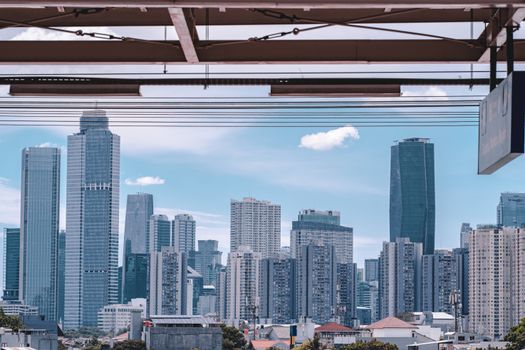
Forget the clunky smart city initiatives of the past. Asia is deploying fully integrated urban ecosystems that are less about novelty gadgets and more about seamless, intuitive living.
Seoul, South Korea: The AI-Powered Metropolis
My first real immersion was in Seoul. It’s a city that breathes technology. Walking through Gangnam, I noticed how traffic lights seemed to anticipate pedestrian flow, adjusting in real-time based on sensor data. Public transport apps offered hyper-personalized route suggestions, factoring in not just speed but also real-time crowd density and even atmospheric conditions. The city's vast network of public Wi-Fi is not just fast; it's intelligent, prioritizing critical services and ensuring a stable connection for millions.
- Pro-Tip: Download the "Seoul Smart City" app before you go. It’s your Rosetta Stone to navigating the city’s tech-infused services, from real-time bus arrivals to the best spots for artisanal coffee with a view.
- Insider Lingo: They call it "U-city" here – ubiquitous city. It’s about making technology invisible, yet indispensable.
Singapore: The Living Lab
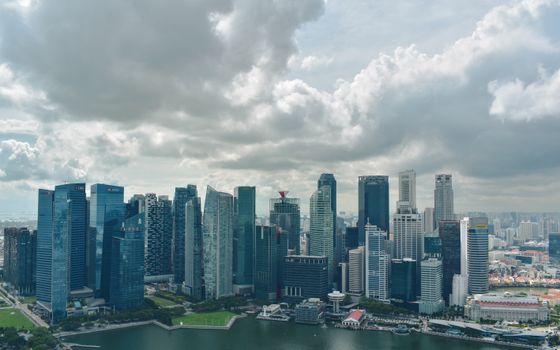
Singapore has long been a pioneer, but its commitment to evolving its infrastructure is astounding. Their "Smart Nation" initiative isn't just a buzzword; it's a living, breathing reality. I saw autonomous delivery bots navigating pedestrian walkways with surprising grace, and public spaces equipped with dynamic lighting that adjusts to the time of day and ambient light levels, saving energy and enhancing the urban mood. Their focus on data privacy and ethical AI integration is also setting a global benchmark.
- Pro-Tip: Visit the Marina Bay area in the evening. The light shows are impressive, but pay attention to how the surrounding infrastructure subtly enhances the experience – from responsive streetlights to the seamless integration of public transport information.
- The Hidden Gem: Look out for the "Virtual Singapore" project – a dynamic 3D digital twin of the entire city, used for planning, simulation, and public engagement. It’s a glimpse into how cities will be designed and managed in the future.
2. High-Speed Rail: The New Arteries of Connectivity
When it comes to high-speed rail, Asia has set the gold standard for decades, and by December 2025, the network will be even more expansive and integrated.
China: The Bullet Train Behemoth
The sheer scale of China's high-speed rail network is mind-boggling. Traveling from Shanghai to Beijing on the Fuxing Hao was an experience in itself. The train glided so smoothly, at speeds that made the vast landscape blur into an impressionist painting. The onboard Wi-Fi was robust, allowing me to file reports and video conference with zero lag. What's truly remarkable is the integration: seamless connections to local metro systems, smart ticketing that works across multiple platforms, and real-time updates that keep you informed every kilometer of the way.
- Quick Facts: China High-Speed Rail
- Estimated Cost (per journey): $50 - $150 USD (depending on distance and class)
- Best Time to Visit: Shoulder seasons (Spring: March-May, Autumn: September-November) for pleasant weather and fewer crowds.
- How to Get There: Access major stations like Shanghai Hongqiao or Beijing South via international flights.
Japan: The Shinkansen Legacy
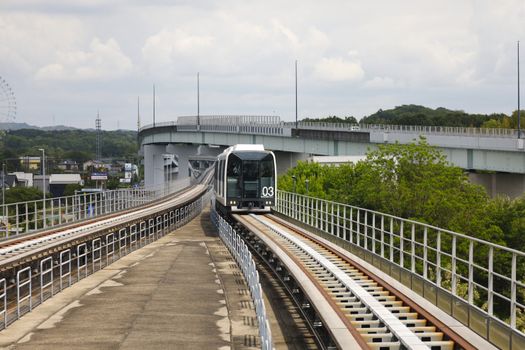
Japan's Shinkansen, the original bullet train, continues to evolve. By December 2025, expect even more advanced safety features, enhanced passenger comfort, and greater integration with other modes of transport. The punctuality is legendary, a testament to the meticulous engineering and operational excellence. The quiet efficiency of the stations, the polite staff, and the sheer reliability make it a dream to travel by.
- Pro-Tip: Book your tickets in advance, especially during peak travel seasons like Golden Week. Consider a Japan Rail Pass if you plan extensive travel.
- Insider Experience: Try the Ekiben (station bento box) on your journey. It’s a culinary tradition that perfectly complements the scenic rail experience.
3. 5G and Beyond: The Invisible Fabric of Connectivity
The rollout of 5G in Asia is not just about faster downloads; it's about creating the foundational layer for a truly connected world.
South Korea: Leading the 5G Charge
South Korea was one of the first countries to widely deploy 5G, and the impact is profound. I experienced virtually lag-free augmented reality (AR) overlays in tourist spots, allowing me to see historical information pop up as I looked at ancient temples. The speed and reliability of the network are enabling innovations in remote surgery, autonomous vehicles, and immersive entertainment that are still in their nascent stages elsewhere.
- Pro-Tip: Rent a pocket Wi-Fi device or get a local SIM card with a good data plan. You’ll want to experience the full potential of the 5G network.
- The Feeling: It’s like the air itself is intelligent, anticipating your needs and providing instant access to information and services.
Taiwan: The Semiconductor Powerhouse Fueling the Future
While not always visible to the end-user, Taiwan’s role as a semiconductor manufacturing hub is critical to Asia's technological dominance. Companies like TSMC are at the forefront of producing the chips that power everything from your smartphone to the most advanced AI systems. By December 2025, their continued advancements in chip technology will be even more pivotal in enabling the next generation of infrastructure.
- Insider Insight: The efficiency and precision of Taiwan's manufacturing ecosystem are unparalleled. It’s a testament to a highly skilled workforce and a culture of continuous improvement.
4. Renewable Energy and Smart Grids: Powering the Future Sustainably
Asia is aggressively investing in renewable energy and building smart grids to support its growing technological infrastructure.
China: The Solar and Wind Giant
China is not only the world's largest emitter but also the largest investor in renewable energy. By December 2025, its capacity in solar and wind power will be even more formidable. I visited a solar farm in the Gobi Desert that stretched as far as the eye could see, a testament to the country's commitment to a cleaner energy future. These massive installations are being integrated into increasingly sophisticated smart grids that can manage the intermittent nature of renewables.
- Pro-Tip: While direct tourist access to large-scale renewable energy sites can be limited, you can often see smaller, integrated projects in urban areas or learn about them at science museums.
- The Vision: It's about building an energy infrastructure that is not only powerful but also resilient and environmentally responsible.
Vietnam: Emerging Renewable Hub
Vietnam, with its extensive coastline and abundant sunshine, is rapidly becoming a major player in solar and wind energy. I was impressed by the speed at which new projects are being developed and integrated into the national grid. This focus on renewables is crucial for powering its burgeoning industrial and technological sectors sustainably.
- Authentic Detail: The vibrant colors of the solar panels against the lush green landscapes are a striking visual representation of this energy transition.
5. AI and Automation: The Invisible Architects
Artificial Intelligence and automation are no longer buzzwords; they are the invisible architects of Asia's advanced infrastructure.
Japan: Robotics and Precision Engineering
Japan's mastery of robotics is legendary, and by December 2025, this expertise will be even more deeply embedded in infrastructure management. From automated construction sites to AI-powered maintenance systems for bridges and tunnels, the focus is on precision, efficiency, and safety. I saw automated warehouses that operated with silent, clockwork precision, a glimpse into the future of logistics.
- Pro-Tip: Visit a robotics museum or exhibition in Tokyo or Osaka to witness firsthand the cutting-edge technology that’s shaping infrastructure.
- The Impact: Automation isn't just about replacing human labor; it's about enhancing human capabilities and ensuring the longevity and safety of critical infrastructure.
The Broader Asian Context: A Collaborative Ecosystem
What’s truly striking is the collaborative ecosystem that’s emerging across Asia. Countries are sharing knowledge, investing in joint ventures, and creating a dynamic feedback loop of innovation. This isn't a zero-sum game; it's a collective leap forward. By December 2025, this interconnectedness will be even more pronounced, with cross-border initiatives in AI research, smart grid development, and high-speed connectivity becoming the norm.
The December 2025 Horizon: What to Expect
As December 2025 approaches, the signs are clear:
- Ubiquitous 6G Research: While 5G will be mature, early research and development into 6G will be accelerating, with Asian nations leading the charge.
- AI-Driven Infrastructure Management: Expect AI to be deeply integrated into managing traffic, energy consumption, waste management, and public safety in major cities.
- Advanced Autonomous Systems: Beyond vehicles, expect more sophisticated autonomous systems in logistics, construction, and public services.
- Hyper-Connectivity: Seamless, high-speed connectivity will be the norm, enabling truly immersive digital experiences and real-time data exchange.
- Sustainable Power Dominance: Renewable energy sources will form an even larger percentage of the energy mix, managed by highly intelligent and resilient smart grids.
This isn't a future that’s decades away; it’s a present that’s rapidly solidifying. Asia's technological infrastructure is not just about impressive feats of engineering; it's about creating a more efficient, sustainable, and connected future for billions. And by December 2025, the world will be looking East to see how it’s done.
More pictures
Tags
Share this guide
We may earn a commission if you click a link and buy a product or service, at no extra cost to you. How affiliate links work.
Been there?