
Tired of guilt-tripping animal encounters? The travel world is buzzing with incredible, ethical wildlife experiences that not only get you closer to nature but actively help protect our planet's most vulnerable creatures. Get ready to discover how your next adventure can be a force for good! ---
The air was thick with the scent of damp earth and something wild, primal. A low rumble vibrated through my chest, and then, through a parting of dense jungle foliage, she emerged. A magnificent silverback gorilla, her eyes deep and ancient, met mine for a fleeting moment. I wasn't behind bars, nor was I part of a noisy, invasive crowd. I was a guest, privileged to be in her natural home, observing from a respectful distance, knowing that the significant permit fee I’d paid directly funded her family’s protection and habitat preservation. This wasn't just a trip; it was a profound, life-altering encounter that resonated with purpose.
For years, many of us, myself included, unknowingly participated in animal tourism that, while seemingly innocent, often did more harm than good. That elephant ride in Thailand, the tiger selfie in Southeast Asia, the dolphin show – the truth behind these attractions is often heartbreaking. But something beautiful is happening in the travel world. A seismic shift. Travelers are demanding better, and ethical, impactful wildlife experiences are not just emerging; they're trending. People are actively seeking out adventures that align with their values, wanting to connect with animals in ways that genuinely contribute to their welfare and conservation. And let me tell you, as someone who’s been chasing these stories across continents, the experiences are richer, more authentic, and infinitely more rewarding.
This isn't about shaming past choices; it's about empowering future ones. It's about showing you that you can still have those jaw-dropping, Instagram-worthy wildlife moments, but now, they come with a powerful story of hope and genuine impact. So, if you're ready to ditch the guilt and embrace travel that truly helps animals thrive, grab your ethically-sourced coffee, because we're diving deep into the trending wildlife experiences that are changing the game.
The New Wave: Why Ethical Wildlife Tourism is Trending (and Why It Matters)
The rise of responsible travel isn't just a niche; it's a movement. Social media, while sometimes a culprit in promoting unethical practices, has also become a powerful tool for awareness. Documentaries, viral posts, and the shared experiences of conscious travelers have pulled back the curtain on animal exploitation, prompting a collective awakening. We're no longer content with surface-level interactions; we crave authentic connections and meaningful contributions.
What does "ethical" really mean here? It means prioritizing the animal's welfare above human entertainment. It means supporting organizations that are genuinely dedicated to conservation, rehabilitation, and habitat protection. It means observing animals in their natural environments, without interference, coercion, or exploitation. And crucially, it means your travel dollars directly benefit these efforts, often empowering local communities in the process.
These trending experiences aren't just feel-good trips; they're vital. With biodiversity loss at an alarming rate, our conscious choices as travelers can literally be a lifeline for endangered species and fragile ecosystems. The demand for these experiences is growing because people realize that seeing a wild animal thrive in its natural habitat, knowing you contributed to its future, is an unparalleled joy. It’s a trend that’s not just good for the soul, but essential for the planet.
1. Immersive Conservation Stays: Get Your Hands Dirty (Responsibly!)
Imagine waking up to the sounds of the jungle, knowing your day involves preparing meals for rescued gibbons, monitoring sloth movements, or assisting with coral reef restoration. Immersive conservation stays are perhaps the most direct way to contribute, offering a unique blend of adventure and hands-on participation. These aren't just hotels; they're often research stations, rehabilitation centers, or eco-lodges deeply embedded in conservation work.
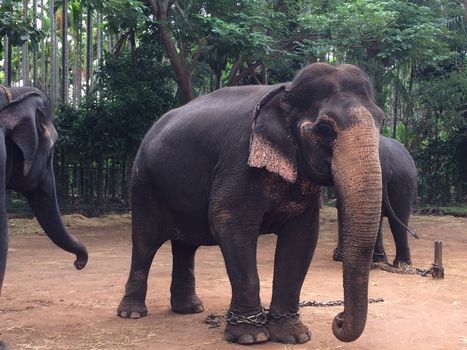
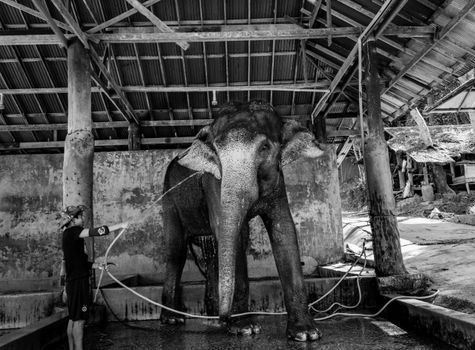
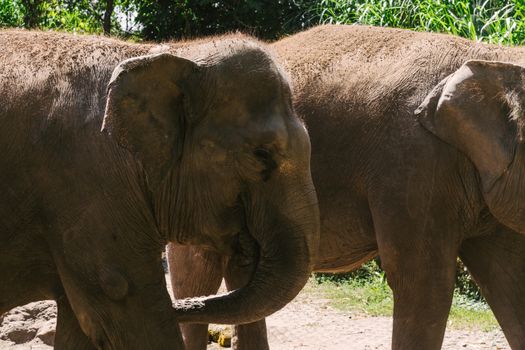
My Experience at Elephant Nature Park, Thailand: One of my most cherished memories is from Elephant Nature Park (ENP) in Chiang Mai, Thailand. After years of hearing about the horrors of elephant riding, finding a sanctuary truly dedicated to rescue and rehabilitation felt like a revelation. I spent a week as a volunteer, and it was transformative. My days involved cutting massive amounts of fruit and sugarcane, cleaning enclosures (yes, lots of elephant poop!), and simply observing these magnificent creatures roam freely, bathe in the river, and interact with each other. There are no rides, no tricks, no forced interactions. It's about respecting their space and contributing to their well-being.
- Details: ENP offers various programs from single-day visits (~$80-100 USD) to multi-day volunteer stays (~$400-600 USD per week, including accommodation and food). Book well in advance, as volunteer spots fill up quickly.
- Other Trending Options:
- Sloth Sanctuary, Costa Rica: Dedicated to rescuing, rehabilitating, and researching sloths. You can take guided tours, and they sometimes offer limited volunteer opportunities. Expect to pay around $30-50 USD for a tour.
- Marine Conservation Projects (e.g., Great Barrier Reef, Maldives): Organizations like Reef Check Australia or various eco-resorts in the Maldives offer citizen science programs where you can assist marine biologists with coral monitoring, fish identification, and even reef clean-ups. Costs vary widely, often integrated into resort packages or specialized dive trips.
Practical Tips for Immersive Stays:
- Vet Thoroughly: Not all "sanctuaries" are created equal. Look for accreditation, transparency in their financials, and reviews that emphasize animal welfare over tourist interaction. A genuine sanctuary will prioritize animal needs and keep human contact minimal and non-stressful for the animals.
- Be Realistic: These are not luxury resorts. Expect basic accommodation, physical work, and a focus on the animals.
- Ask Questions: How do they acquire animals? What is their long-term plan for the animals? Where do donations go?
2. Responsible Safari & Wilderness Expeditions: Seeing the Big Picture
Safari has long been a bucket-list item, but the ethical dimension is now paramount. The trend is moving away from mass-tourism safaris that can strain resources and disturb wildlife, towards low-impact, high-value experiences that directly fund anti-poaching efforts, community development, and habitat protection.
My Unforgettable Gorilla Trek in Rwanda: My gorilla encounter in Rwanda, which I mentioned earlier, was the epitome of responsible safari. The Volcanoes National Park permits are expensive (~$1500 USD per person), but every dollar is a direct investment in the survival of these critically endangered mountain gorillas and the communities surrounding the park. The trekking groups are small (max 8 people), visits are limited to one hour, and strict rules are enforced regarding distance, noise, and health.
The trek itself was arduous – scrambling through dense jungle, guided by expert trackers – but the reward? Spending an hour with a gorilla family, watching youngsters play, mothers groom, and the silverback majestically observe. It was humbling, silent, and deeply moving. Knowing that my presence was part of their protection, rather than a threat, made it all the more profound.
- Details: Gorilla trekking permits in Rwanda are $1500 USD, in Uganda $700 USD. Book months in advance. Operators like Wilderness Safaris and &Beyond are pioneers in ethical, luxury eco-tourism across Africa, investing heavily in community and conservation.
- Other Trending Options:
- Botswana's Okavango Delta: Known for its commitment to low-volume, high-value tourism. Many lodges are community-owned or have significant conservation programs. A 7-day safari can range from $4000 to $10,000+ USD, but ensures minimal impact and maximum conservation benefit.
- Private Conservancies in Kenya/Tanzania: Areas like the Maasai Mara Conservancies offer more exclusive wildlife viewing with fewer vehicles, and a larger portion of your fees goes directly to the Maasai landowners and anti-poaching units.
Practical Tips for Ethical Safaris:
- Choose Operators Wisely: Look for companies with strong conservation policies, community engagement, and transparent pricing. Check their accreditations (e.g., EcoTourism Kenya, Fair Trade Tourism).
- Respect the Rules: Always follow your guide's instructions, maintain distance from animals, and never feed or disturb wildlife.
- Pack Smart: Bring binoculars, a good camera with a zoom lens (to avoid getting too close), and neutral-colored clothing.
3. Marine Marvels: Diving Deep for Conservation
The ocean, our planet's largest ecosystem, is under immense pressure. Ethical marine tourism focuses on experiences that protect coral reefs, marine mammals, and other aquatic life, often involving citizen science or supporting genuine research.
My Swim with Whale Sharks in Donsol, Philippines: Swimming with whale sharks can be controversial if not done correctly. But in Donsol, Philippines, it's a model of responsible interaction. Instead of feeding the whale sharks to attract them (which alters their natural behavior), local spotters work with boats to locate them naturally. Tourists are then allowed to swim alongside, maintaining a strict distance, with no touching or flash photography.
I remember slipping into the warm, clear water, snorkel mask on, and then seeing the colossal, gentle shadow emerge from the blue. A whale shark, easily the size of a bus, glided past me, its spotted skin shimmering. It was a moment of pure awe, and knowing that the local government and community strictly enforce these rules, ensuring the animals' welfare, made it even more special. The fees directly support local employment and conservation efforts.
- Details: Donsol whale shark season is typically November to June, peaking February to May. Fees are around 1000-2000 PHP (~$20-40 USD) per person for a boat trip.
- Other Trending Options:
- Manta Ray Night Dives/Snorkels, Kona, Hawaii: Certified operators take you to specific sites where manta rays naturally feed on plankton attracted by lights. Again, strict no-touching rules and respectful observation are enforced. Costs range from $100-150 USD.
- Coral Restoration Diving, Various Locations: Many dive centers in places like the Maldives, Fiji, and Indonesia offer opportunities to participate in coral planting or monitoring projects, often in partnership with marine biologists. PADI AWARE is a great resource for finding such initiatives.
Practical Tips for Marine Encounters:
- Choose Certified Operators: Look for PADI Green Star Dive Centers or operators with strong environmental policies.
- No Touching, No Chasing: This is non-negotiable. Respect the animals' space.
- Reef-Safe Sunscreen: Chemical sunscreens contribute to coral bleaching. Use mineral-based, reef-safe options.
- Support Local Guides: They often have the most intimate knowledge of the ecosystem and a vested interest in its protection.
4. Avian Adventures & Habitat Protection: From Rainforests to Wetlands
Birdwatching might not sound as "thrilling" as a safari, but it's an incredibly impactful way to support wildlife. Protecting bird habitats often means protecting entire ecosystems, as birds are excellent indicators of environmental health. The trend here is towards eco-lodges and tours that focus on minimal disturbance and significant land conservation.
My Quest for the Resplendent Quetzal in Costa Rica: Costa Rica is a trailblazer in eco-tourism, and my visit to the Monteverde Cloud Forest Reserve was a testament to that. My goal? To spot the elusive Resplendent Quetzal, a bird so vibrant it looks like it flew out of a myth. Guided by a local naturalist, we moved silently through the misty forest, learning about the incredible biodiversity.
And then, there it was. A flash of iridescent green and crimson, with its impossibly long tail feathers, perched high in an avocado tree. It was a moment of pure, quiet magic. The entrance fees and guide fees directly support the preservation of this unique cloud forest ecosystem, which is critical for the quetzal and countless other species.
- Details: Monteverde Cloud Forest Reserve entrance is ~$25 USD, guided tours are ~$30-50 USD. Best time to see quetzals is during their breeding season (March-July). Many eco-lodges in Costa Rica, Peru, and Ecuador offer dedicated birding tours.
- Other Trending Options:
- Amazon Rainforest Lodges (Peru, Ecuador): Lodges like Napo Wildlife Center (Ecuador) are community-owned and dedicated to preserving vast tracts of rainforest, offering incredible birding, mammal viewing, and cultural experiences. A 4-day stay can range from $1000-2000 USD.
- Wetland Conservation in the Pantanal, Brazil: While also great for jaguars, the Pantanal is a birdwatcher's paradise. Choosing lodges that actively participate in wetland preservation and research helps protect this crucial habitat.
Practical Tips for Avian Adventures:
- Binoculars are Your Best Friend: Invest in a good pair.
- Patience and Silence: Birds are easily spooked. Move slowly and quietly.
- Support Eco-Lodges: Choose accommodations that are certified eco-friendly and actively involved in habitat protection.
- Hire Local Guides: Their knowledge of local species and their calls is invaluable.
5. Beyond the Bucket List: Emerging & Innovative Conservation Experiences
As our understanding of conservation evolves, so do the opportunities for travelers. These experiences might be more niche, require greater commitment, or focus on lesser-known species, but their impact is often profound. They represent the cutting edge of ethical wildlife tourism.
Tracking Snow Leopards in Ladakh, India (or Bhutan): This is definitely for the adventurous and dedicated traveler. Tracking snow leopards is incredibly challenging, often involving multi-day treks at high altitudes in remote regions. The chances of a sighting are slim, but the experience of being in their pristine, rugged habitat, supporting local guides and conservation initiatives, is unparalleled.
While I haven't personally done this one yet (it's high on my list!), friends who have describe it as a profound journey into the heart of wilderness. The operators involved typically work closely with organizations like the Snow Leopard Conservancy, ensuring that tourism directly benefits research, anti-poaching, and community livelihood programs. This is a true expedition, not a casual trip.
- Details: These are high-cost, high-commitment trips, often ranging from $5000-$10,000+ USD for 10-14 days. Operators like World Expeditions or specialized wildlife tour companies offer these.
- Other Trending Options:
- Pangolin Conservation in Vietnam/Africa: Pangolins are the world's most trafficked mammal. Organizations like Save Vietnam's Wildlife or sanctuaries in Africa sometimes offer highly specialized, limited volunteer opportunities or educational tours that focus on pangolin rescue and rehabilitation. These are rare and require deep vetting.
- Citizen Science Whale Research (e.g., Baja California, Iceland): Join research teams on multi-day expeditions to collect data on whale behavior, migration patterns, and health. This is active participation in scientific research. Look for organizations like Oceanic Society.
Practical Tips for Emerging Experiences:
- Extensive Research: These niche trips require even more rigorous vetting of operators and their conservation credentials.
- Fitness & Preparedness: Many of these involve remote locations and physical demands.
- Manage Expectations: Wildlife sightings are never guaranteed, especially for elusive species. The journey and contribution are the primary rewards.
- Be Patient: Opportunities can be limited and require booking far in advance.
Your Travel, Your Impact: A Call to Action
The world of ethical wildlife tourism is dynamic, exciting, and absolutely vital. Every time you choose an experience that genuinely helps animals, you're voting with your wallet for a better future. You're supporting communities, funding critical research, and protecting fragile ecosystems. You're becoming part of the solution.
So, as you dream up your next adventure, ask yourself: How can my journey be a force for good? How can I connect with nature in a way that truly benefits the creatures I adore? Research, ask questions, and choose wisely. Share your experiences on social media using #EthicalWildlifeTravel and #TripsoraImpact to inspire others. Let's make every adventure count.
The gorilla's eyes still haunt my memories, not with fear, but with a deep sense of responsibility and connection. That's the power of ethical wildlife tourism. It's not just about seeing; it's about understanding, contributing, and leaving a positive footprint on our incredible planet. Where will your next impactful adventure take you?
---
More pictures


Tags
Share this guide
We may earn a commission if you click a link and buy a product or service, at no extra cost to you. How affiliate links work.
Been there?