
Tired of tourist traps and ethical dilemmas in wildlife encounters? We're diving deep into incredible, under-the-radar experiences where your travel genuinely impacts animal welfare. Get ready to discover adventures that matter, long before the crowds arrive.
Have you ever scrolled through your feed, admiring a friend's incredible wildlife photo, only to feel that familiar pang of doubt? Was that elephant really happy carrying tourists? Was that tiger truly "rescued" or just habituated for photos? In our quest to connect with the wild, it's easy to inadvertently support practices that harm the very creatures we adore.
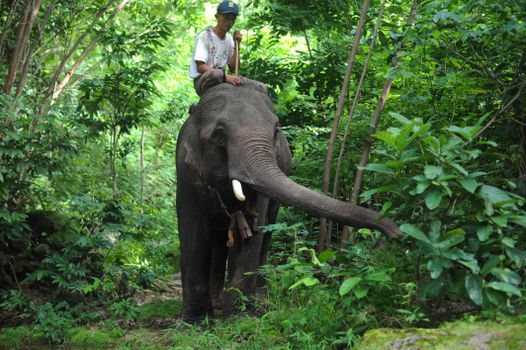
I've been there. Years ago, on a trip to Southeast Asia, I eagerly joined an "elephant trekking" tour. The promise was an authentic experience. The reality was a majestic animal, chained and guided by a bullhook, its eyes holding a sadness I couldn't shake. That day changed everything for me. It sparked a mission: to find and champion wildlife experiences that don't just offer a glimpse, but actively contribute to the well-being and survival of animals.
The good news? There’s a quiet revolution happening in travel. Beyond the well-trodden paths and mainstream attractions, a network of dedicated conservationists, local communities, and ethical operators are creating truly impactful wildlife encounters. These aren't just photo opportunities; they're chances to be part of the solution, to witness real conservation in action, and to connect with nature on a profound, meaningful level. And the best part? Many are still under the radar, offering an authentic, uncrowded experience that feels like a genuine discovery.
At Tripsora, we believe travel should inspire, educate, and make a positive mark. So, if you’re ready to trade superficial encounters for transformative experiences, pack your bags (and your ethical compass!). Let’s explore some incredible wildlife adventures that actually help animals, long before they become mainstream.
---
1. Rainforest Rescues: Immersive Volunteering in Costa Rica's Green Heart
When I first heard about the Jaguar Rescue Center (JRC) in Puerto Viejo, Costa Rica, I pictured a huge, bustling facility. What I found was a passionate, grassroots operation nestled amidst lush jungle, dedicated to rehabilitating injured and orphaned wild animals. It’s a haven for sloths, monkeys, birds, and even the occasional wild cat, all with the ultimate goal of returning them to their natural habitat.
The Experience: This isn't a petting zoo; it's a working hospital and rehabilitation center. As a volunteer, you're not just observing; you're doing. My days involved preparing specific diets for various species (ever tried making a fruit smoothie for a howler monkey?), cleaning enclosures, assisting with enrichment activities, and even helping with infrastructure projects. One morning, I spent hours carefully collecting specific leaves for a recovering sloth, feeling a deep connection to its slow, deliberate world. I even had the profound privilege of watching a group of rehabilitated capuchin monkeys take their first tentative steps back into the wild, a moment that brought tears to my eyes.
Why it Helps: JRC focuses on rescue, rehabilitation, and release, working closely with local communities and authorities. Your volunteer fee directly supports their veterinary care, food, and habitat maintenance. They also run vital educational programs for locals and tourists, fostering a deeper respect for wildlife. This direct impact, knowing my hands-on work contributed to an animal's second chance at freedom, was incredibly rewarding.
Details & Tips:
- Location: Puerto Viejo de Talamanca, Limón, Costa Rica.
- Cost: Volunteer programs typically range from $300-$500 USD per week (excluding accommodation/food), with options for longer stays. Day tours are also available for around $25-$30 USD, offering a glimpse into their work.
- Duration: Most volunteers commit for 2-4 weeks, though shorter options might be available.
- Accommodation: Usually arranged independently in Puerto Viejo (hostels, guesthouses).
- Who it's for: Animal lovers, budding conservationists, those comfortable with physical work in a humid environment.
- Tripsora Tip: Book well in advance, especially for peak seasons. Be prepared for early mornings and a lot of sweat – it’s worth every drop! This is truly off-the-beaten-path for the average tourist, offering a deeper dive into conservation than any guided tour.
---
2. Ocean Guardians: Diving into Marine Conservation in Raja Ampat, Indonesia
The thought of diving into the vibrant underwater world of Raja Ampat often conjures images of pristine corals and countless fish. But even in this remote paradise, threats like climate change, unsustainable fishing, and plastic pollution loom large. That’s where organizations like Conservation International and various local initiatives step in, often partnering with eco-resorts to offer immersive marine conservation experiences.
The Experience: My journey led me to a small, locally-run eco-resort on a tiny island in Raja Ampat, which actively supported coral restoration. Each day was a blend of breathtaking dives and hands-on conservation. I learned how to identify different coral species, assisted marine biologists in monitoring reef health, and participated in "coral gardening" – a process of transplanting coral fragments to damaged areas. One afternoon, we anchored near a ghost fishing net, a silent killer, and spent hours carefully removing it, feeling the immense satisfaction of freeing the reef from its deadly embrace.
Why it Helps: These projects are crucial for preserving the world's most biodiverse marine ecosystem. By participating, you’re directly contributing to reef health, supporting sustainable tourism models that benefit local communities, and raising awareness about marine protection. The research gathered often informs policy decisions, making your dive more than just a beautiful swim – it's citizen science with a purpose.
Details & Tips:
- Location: Various islands within Raja Ampat, West Papua, Indonesia. Look for eco-resorts or liveaboards with explicit conservation programs.
- Cost: $$$ (High-end). Liveaboards or eco-resort stays can range from $200-$500+ USD per day, often including dives and conservation activities. This is an investment, but one that directly feeds back into the local economy and conservation efforts.
- Duration: Typically 7-10 days for a comprehensive experience.
- Requirements: PADI Open Water certification (or equivalent) is usually required. Advanced certifications are a plus.
- Who it's for: Certified divers, ocean enthusiasts, those passionate about marine biology and environmental protection.
- Tripsora Tip: Choose operators who employ local guides and staff, ensuring your money directly benefits the community. Research their conservation track record thoroughly. This is a journey to a truly remote and pristine location, offering a glimpse into what the ocean should be.
---
3. African Frontiers: Supporting Anti-Poaching & Community Conservancies in Namibia
Africa's iconic wildlife faces immense pressure from poaching and habitat loss. While traditional safaris offer incredible viewing, to truly help, one must look towards the frontline of conservation. Namibia's community conservancies are a shining example of how empowering local people can lead to remarkable wildlife recovery and protection.
The Experience: My most profound African experience wasn't in a national park, but in Damaraland, a vast, rugged region in northwest Namibia. I stayed at a small, eco-friendly camp (like Desert Rhino Camp or similar conservancy-run lodges) that works directly with the Save the Rhino Trust (SRT). Instead of merely driving around, we trekked on foot with SRT trackers and local conservancy rangers, learning to identify spoor, understand animal behavior, and appreciate the immense challenges of anti-poaching.
One unforgettable morning, after hours of tracking, we spotted a black rhino mother and calf. We observed them from a respectful distance, the rangers explaining their individual histories and the constant threat they face. The sense of responsibility and privilege was overwhelming. Later, I visited a local village, seeing how tourism revenue from the conservancy directly funded schools and clinics, creating a tangible incentive for communities to protect their wildlife.
Why it Helps: Community conservancies empower local people to manage and benefit from their natural resources. This model dramatically reduces poaching, creates economic opportunities, and fosters a deep sense of ownership and pride in wildlife. Your stay directly supports anti-poaching patrols, wildlife monitoring, and community development projects, ensuring a future for species like the critically endangered black rhino.
Details & Tips:
- Location: Damaraland, Kunene Region, Namibia. Look for lodges and camps explicitly partnered with or owned by community conservancies (e.g., those part of the Namibia Community Based Natural Resource Management program).
- Cost: $$$ (Luxury/High-end). These experiences are investments, often $400-$800+ USD per person per night, but a significant portion goes directly to conservation and communities.
- Duration: 3-5 days for a meaningful experience.
- Who it's for: Serious wildlife enthusiasts, those interested in sustainable development, and travelers seeking a truly authentic and impactful safari.
- Tripsora Tip: Ask specific questions about how your booking contributes to local communities and conservation efforts. Choose smaller, owner-operated camps. This is a chance to witness how human-wildlife co-existence can thrive, a far cry from fenced-off reserves.
---
4. The Quiet Giants: Ethical Elephant Sanctuaries in Northern Thailand
The plight of Asian elephants in tourism is well-documented. Thankfully, true ethical sanctuaries are emerging, offering a beacon of hope. While some have gained mainstream recognition, there are still smaller, equally dedicated projects working tirelessly to provide a safe haven for rescued elephants. One such place, a little less known than its famous counterparts, is Wildlife Friends Foundation Thailand (WFFT) near Hua Hin.
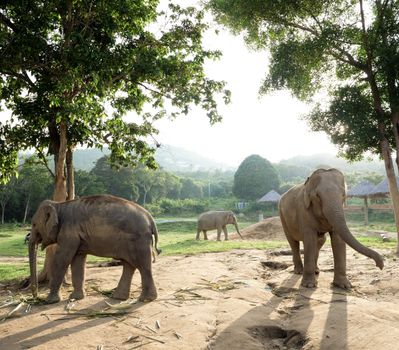
The Experience: My visit to WFFT was a revelation. Unlike places that allow riding or bathing with elephants, here, the focus is entirely on the animals' welfare. The rescued elephants, many scarred by decades of abuse in logging or tourism, live in vast, natural enclosures. My day involved observing their natural behaviors – foraging, dust bathing, socializing – from a respectful distance. I helped prepare massive amounts of fruit and vegetables, learning about each elephant's unique dietary needs and personality.
I heard heart-wrenchbreaking stories of rescue and rehabilitation, but also witnessed incredible resilience. Watching a blind elephant slowly navigate its enclosure with the help of a younger companion, or seeing a matriarch gently guide a rescued baby, was profoundly moving. There were no tricks, no forced interactions, just elephants being elephants.
Why it Helps: True sanctuaries provide a lifelong home for elephants who cannot be returned to the wild. They offer veterinary care, proper nutrition, and the freedom to express natural behaviors. By visiting (or volunteering), you’re directly funding their care, supporting anti-poaching efforts, and educating others about the cruelty of exploitative elephant tourism. You're part of a movement that says "no" to abuse and "yes" to respect.
Details & Tips:
- Location: Phetchaburi Province, near Hua Hin, Thailand.
- Cost: Day visits are around 1,600-2,000 THB ($45-$60 USD). Volunteer programs range from $400-$600 USD per week (including basic accommodation and food).
- Duration: Day visits are excellent, but volunteering for a week or more offers a deeper connection.
- Who it's for: Anyone passionate about animal welfare, families, and those seeking a genuinely ethical elephant experience.
- Tripsora Tip: Always scrutinize any "sanctuary." Look for signs of ethical practice: no riding, no bathing with tourists, no chains (unless for medical reasons), large natural enclosures, and a focus on observation, not interaction. Ask tough questions before you book! This is a chance to truly understand and support elephant welfare, away from the selfie crowds.
---
5. Micro-Adventures: Citizen Science & Local Conservation Projects
You don't always need to travel halfway across the world to make a difference. Many local conservation efforts and citizen science projects offer incredible opportunities to help animals, often without the mainstream fanfare. These are fantastic options for adding impact to any trip, or even exploring your own backyard.
The Experience: On a recent trip to the Pacific Northwest, instead of just hiking, I joined a local group for a beach cleanup on a remote stretch of coastline. Armed with gloves and bags, we spent hours collecting discarded fishing gear, plastic bottles, and microplastics. It was physically demanding but incredibly rewarding, knowing we were directly protecting marine life from entanglement and ingestion.
Another time, while exploring a national park, I used a free app called iNaturalist to document local flora and fauna. Every photo of a bird, insect, or plant I uploaded contributed to a global database used by scientists to track biodiversity and understand ecosystem health. It transformed my casual strolls into scientific expeditions.
Why it Helps: These smaller-scale projects are vital for local ecosystems. Beach cleanups prevent harm to marine animals, citizen science provides crucial data for researchers, and local volunteer efforts support habitat restoration and species monitoring. They are accessible, often free or low-cost, and demonstrate that every action, no matter how small, contributes to a larger conservation effort.
Details & Tips:
- Location: Everywhere! Look for opportunities near your travel destination or even in your hometown.
- Cost: Often free, or a small donation to cover materials.
- Duration: From a few hours to a full day.
- How to Find Them:
- Local Tourism Boards/Visitor Centers: Ask about environmental initiatives.
- Conservation NGOs: Check websites of local branches of WWF, Audubon Society, Sierra Club, etc.
- Apps: iNaturalist, eBird, Project Noah.
- Social Media: Search local conservation groups or hashtags.
- Who it's for: Everyone! Families, solo travelers, budget travelers, or those looking to add a quick, impactful activity to their itinerary.
- Tripsora Tip: Bring reusable water bottles, wear appropriate clothing, and be respectful of the environment. Even simply picking up litter you see can make a difference. These micro-adventures offer a tangible way to give back, making your trip meaningful in unexpected ways.
---
Beyond the Booking: How to Be a Responsible Wildlife Traveler
Choosing to embark on an ethical wildlife experience is a powerful first step, but responsible travel extends beyond the booking. Here are some actionable tips to ensure your adventures truly help:
- Do Your Homework: Research organizations thoroughly. Look for transparency in their financials, clear conservation goals, and positive reviews from past volunteers/visitors. Be wary of places that offer "hands-on" interactions with wild animals, especially cubs or exotic species.
- Ask the Right Questions: Before you book, ask: "Where does my money go?" "Are the animals truly wild or rehabilitated for release?" "How does this project benefit local communities?" "What are your animal welfare policies?"
- Observe, Don't Interact: The golden rule of ethical wildlife viewing is to maintain a respectful distance. Never touch, feed, or chase wild animals. Their natural behaviors are far more fascinating than any forced interaction.
- Leave No Trace: Pack out everything you pack in. Stick to designated paths, minimize your waste, and never disturb habitats.
- Support Local: Choose locally owned accommodations, restaurants, and guides. This ensures your tourism dollars directly benefit the communities living alongside wildlife, creating a vested interest in conservation.
- Educate Others: Share your ethical travel stories! The more people who understand the importance of responsible wildlife tourism, the greater the positive impact.
- Be Prepared to Pay More: Ethical operations often have higher costs because they prioritize animal welfare, fair wages, and sustainable practices over profit margins. Consider it an investment in the planet.
---
The Future of Wildlife Travel is in Our Hands
My journey from that regrettable elephant trek to discovering these incredible, impactful experiences has been a profound one. It's taught me that travel can be a powerful force for good, a way to connect with our planet's most vulnerable creatures and contribute directly to their survival.
These "pre-mainstream" experiences offer not just a vacation, but a purpose. They are authentic, often uncrowded, and leave you with memories far richer than any selfie could capture. They are the future of responsible wildlife tourism, and by seeking them out, you become an integral part of that future.
So, are you ready to go beyond the postcard and make a real difference? The wild is calling, and it needs your help. Start planning your next impact adventure today. Explore these hidden gems, share your experiences, and inspire others to travel with purpose.
What ethical wildlife experience has touched your heart? Share your stories in the comments below!
---
More pictures


Tags
Share this guide
We may earn a commission if you click a link and buy a product or service, at no extra cost to you. How affiliate links work.
Been there?