
Forget passive sightseeing! Imagine stepping into a real-life nature documentary, where *your* adventure directly fuels the survival of magnificent creatures. We're talking about wildlife corridors – the vital highways for animals – and how you can be a champion for them, right now. Pack your curiosity, your ethical compass, and get ready to make a tangible difference!
The air, thick with the scent of damp earth and pine needles, clung to me like a second skin. Sunlight, dappled and hesitant, painted shifting patterns on the forest floor. A distant, almost impossibly melodic bird call echoed through the canopy, a secret whispered just for me. I’d just stepped off a rattling local bus, the engine’s final cough a punctuation mark to the quiet symphony of the wild. This wasn’t just a walk in the woods; this was a step onto a lifeline. This was my introduction to the concept of wildlife corridors, and the profound realization that my journey could be more than just a stamp in my passport – it could be a force for good.
What Exactly Are Wildlife Corridors, and Why Should You Care?
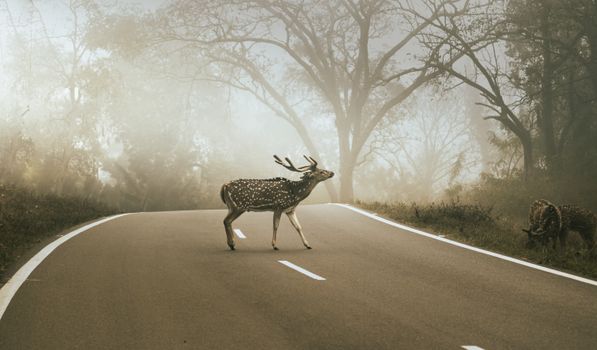
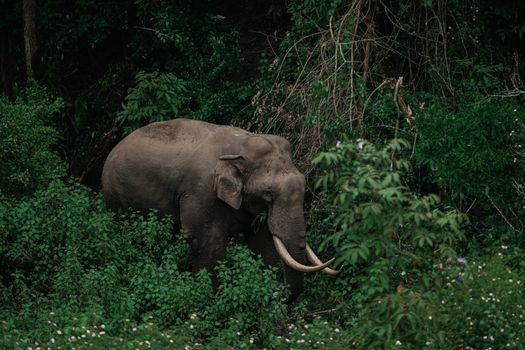
Think of them as the superhighways of the animal kingdom. Wildlife corridors are natural or semi-natural areas that connect fragmented habitats. Imagine a vast forest that’s been chopped up by roads, farms, or development. Animals that once roamed freely now face insurmountable barriers. These corridors are the bridges, the underpasses, the strips of connected wilderness that allow them to move safely between these isolated patches.
Why is this critical? Biodiversity. Without connectivity, populations become isolated, leading to inbreeding, reduced genetic diversity, and increased vulnerability to local extinction. Migratory species can’t reach their breeding grounds or find essential food sources. The ripple effect impacts entire ecosystems. As a traveler, understanding this is your first step to becoming an informed and impactful advocate.
The Human Footprint: A Double-Edged Sword
We, humanity, are often the cause of habitat fragmentation. Our roads, our cities, our agriculture – they carve up the natural world. But here’s the exhilarating part: we can also be the solution. Through conscious travel choices, direct support, and mindful exploration, we can actively help maintain and even create these vital lifelines.
5 Wildlife Corridors You Can Help Maintain RIGHT NOW (And How!)
These aren't just abstract concepts; they are real places, real projects, and real opportunities for you to contribute.
1. The Amazon Rainforest: A Vital Artery for Biodiversity
The Anecdote: I remember standing on the banks of a tributary, the humid air buzzing with unseen life. The sheer scale of the Amazon is humbling, but even here, fragmentation is a threat. Logging, cattle ranching, and illegal mining are encroaching, breaking up the vast, interconnected rainforest.
The 'Meat': The Amazon is the planet's lungs and a biological treasure trove. Wildlife corridors here are crucial for jaguars, tapirs, macaws, and countless other species that need vast, unbroken territories to thrive. Projects focusing on reforestation and sustainable land use are paramount.
Pro-Tip: Look for eco-lodges that actively participate in reforestation projects or partner with local conservation groups. Many offer guided tours where you can learn firsthand about the challenges and successes of corridor maintenance. The best time to visit is during the dry season (June to November) for easier travel, but the wet season offers incredible wildlife viewing opportunities from boats.
Insider Lingo: When researching, look for terms like "Reforestation Initiatives," "Community Land Management," and "Indigenous Protected Areas." These often indicate places where your tourist dollars directly support corridor conservation.
Quick Facts:
- Estimated Costs ($): $50 - $300+ per day (eco-lodge, tours, transport)
- Best Time to Visit: Dry season (June-Nov) for accessibility, Wet season (Dec-May) for unique viewing.
- How to Get There: Fly into major hubs like Manaus (Brazil), Iquitos (Peru), or Coca (Ecuador), then arrange local flights or boat transfers.
2. The Dinaric Alps: Bridging Europe's Wild Heart
The Anecdote: The crisp mountain air bit at my cheeks as I hiked a trail that snaked between ancient forests and karst landscapes. The silence was profound, broken only by the crunch of my boots and the occasional bleating of a distant sheep. This region, spanning Slovenia, Croatia, Bosnia and Herzegovina, Montenegro, Albania, and North Macedonia, is a biodiversity hotspot, but it's also crisscrossed by human development.
The 'Meat': The Dinaric Alps are a critical corridor for large carnivores like the brown bear, wolf, and lynx. These animals need vast, connected territories to hunt, breed, and maintain healthy populations. The Balkan Lynx, in particular, is critically endangered and relies heavily on these corridors for survival.
Pro-Tip: Seek out guided treks that focus on wildlife tracking and education. Many local guides are passionate about conservation and can point out signs of animal passage. Support local guesthouses that employ sustainable practices and source local produce. Always stay on marked trails to minimize disturbance.
Insider Lingo: When planning, search for "Carnivore Conservation Projects," "Transboundary Protected Areas," and "Sustainable Mountain Tourism." You might even find opportunities to participate in citizen science initiatives, like reporting wildlife sightings.
Quick Facts:
- Estimated Costs ($): $40 - $150 per day (guesthouses, local guides, food)
- Best Time to Visit: Spring (April-May) for wildflowers and active wildlife, Autumn (Sept-Oct) for stunning foliage and animal activity.
- How to Get There: Fly into major European airports (e.g., Ljubljana, Zagreb, Sarajevo) and then take trains or buses to smaller towns within the Dinaric Alps.
3. The Serengeti-Mara Ecosystem: A Migratory Masterpiece
The Anecdote: The ground vibrated with the thunder of hooves. A sea of wildebeest stretched to the horizon, a primal force of nature in motion. The raw power of the Great Migration is an experience that sears itself into your soul. But this incredible spectacle, and the survival of the predators that depend on it, hinges on the Serengeti-Mara ecosystem's ability to remain connected.
The 'Meat': This is one of the most famous wildlife corridors in the world, facilitating the annual migration of millions of wildebeest, zebras, and gazelles. However, increasing human populations, agricultural expansion, and infrastructure development along the edges of the protected areas threaten this vital link.
Pro-Tip: Choose safari operators who are committed to responsible tourism. This means avoiding off-road driving, respecting wildlife viewing distances, and supporting lodges that contribute to local community development and conservation initiatives. Ask your lodge about their involvement in anti-poaching patrols or wildlife monitoring programs.
Insider Lingo: Look for "Community Conservancies," "Wildlife Trusts," and "Responsible Safari Operators." These are indicators that your visit is contributing to the long-term health of the ecosystem.
Quick Facts:
- Estimated Costs ($): $300 - $1000+ per day (all-inclusive safaris)
- Best Time to Visit: The migration is year-round, but the dramatic river crossings in the Mara River typically occur from July to October.
- How to Get There: Fly into Kilimanjaro International Airport (Tanzania) or Jomo Kenyatta International Airport (Kenya), then take bush flights to airstrips within the parks.
4. The Central Appalachian Mountains: Reconnecting a Fragmented Forest
The Anecdote: I was hiking through a surprisingly dense forest, the scent of decaying leaves and wild mint filling my lungs. It felt ancient, yet I knew that just a few miles away, highways and industrial sites sliced through this landscape. The Appalachian Mountains, once a continuous wild expanse, are now heavily fragmented.
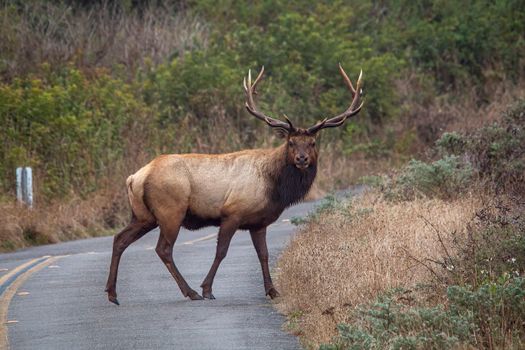
The 'Meat': This region is a critical corridor for species like the black bear, elk, and various bird species. Efforts here focus on reconnecting fragmented forests through land acquisition, creating wildlife crossings over roads, and promoting sustainable forestry practices.
Pro-Tip: Support organizations that are actively working on land conservation and habitat restoration in the Appalachians. Many offer volunteer opportunities, and even a short trip to hike or camp in the area can raise awareness. Consider visiting areas with known wildlife crossings to see conservation in action.
Insider Lingo: Keep an eye out for "Habitat Connectivity Projects," "Wildlife Overpasses/Underpasses," and "Forest Conservation Easements." These are key indicators of active corridor work.
Quick Facts:
- Estimated Costs ($): $30 - $100 per day (camping, budget lodging, park fees)
- Best Time to Visit: Spring (April-May) for wildflowers and bird migration, Autumn (Sept-Oct) for spectacular fall colors.
- How to Get There: Drive or take buses/trains to towns within the Appalachian region, such as Asheville (NC), Roanoke (VA), or Gatlinburg (TN).
5. The Great Barrier Reef Marine Corridor: Protecting Our Underwater Highways
The Anecdote: The water was a shimmering turquoise, alive with a kaleidoscope of coral and darting fish. The sheer vibrancy of the reef is breathtaking, but beneath the surface, a silent crisis is unfolding. Climate change and pollution are damaging this fragile ecosystem, and the interconnectedness of its various parts is vital for its resilience.
The 'Meat': While we often think of terrestrial corridors, marine corridors are equally important. These are areas that facilitate the movement of marine species, allowing them to find food, reproduce, and adapt to changing environmental conditions. For the Great Barrier Reef, maintaining connectivity between different reef systems and coastal habitats is crucial for its long-term survival.
Pro-Tip: Choose responsible dive and snorkel operators who adhere to strict environmental guidelines. Support marine conservation organizations working to protect the reef. Participate in beach clean-ups or citizen science programs focused on reef health.
Insider Lingo: Look for "Marine Protected Areas," "Coral Reef Restoration Projects," and "Sustainable Marine Tourism Operators." These are your allies in protecting this underwater wonder.
Quick Facts:
- Estimated Costs ($): $150 - $500+ per day (boat tours, accommodation, diving)
- Best Time to Visit: Dry season (June-October) offers the clearest water and calmest seas.
- How to Get There: Fly into Cairns or Proserpine (Whitsunday Coast) in Queensland, Australia, then take ferries or flights to various reef islands and coastal towns.
Becoming a Guardian: Beyond the Visit
Your travel is just the beginning. Here’s how to extend your impact:
- Donate: Support reputable conservation organizations working on the ground in these regions. Even a small donation can make a difference.
- Volunteer: Many organizations offer volunteer opportunities, from planting trees to wildlife monitoring.
- Advocate: Use your voice! Share your experiences, educate others, and support policies that protect wildlife and their habitats.
- Citizen Science: Participate in apps and programs that allow you to record wildlife sightings, contributing valuable data to conservation efforts.
- Sustainable Choices: Everywhere you go, make conscious choices: reduce plastic, conserve water, and support local economies that prioritize sustainability.
The Takeaway: Travel with Purpose
Wildlife corridors are more than just lines on a map; they are the veins of our planet, pulsing with life. By choosing to explore them with awareness and intention, you become an active participant in their preservation. The next time you plan an adventure, ask yourself: how can I not just see the world, but help save it? The answer might be closer – and more impactful – than you think.
More pictures
Tags
Share this guide
We may earn a commission if you click a link and buy a product or service, at no extra cost to you. How affiliate links work.
Been there?