
Forget stuffy interiors! The world's food scene is exploding outdoors. Think vibrant streetscapes, serene garden oases, and sky-high rooftops. We're talking expert-approved, game-changing al fresco experiences you *need* to know about. Get ready to eat your way through the revolution! ---
The Al Fresco Awakening: Why Outdoor Dining is Stealing the Show
I stepped off the train in Lisbon, the salty tang of the Atlantic mingling with the sweet aroma of grilled sardines wafting from a nearby courtyard. It wasn't just a meal; it was an immersion. Sunlight dappled through ancient olive trees, laughter spilled from open doorways, and the clinking of glasses was a rhythmic soundtrack to the buzzing city. This, I realized, was the future of dining. No longer an afterthought, outdoor dining has erupted into a full-blown revolution, reshaping culinary landscapes worldwide and earning rave reviews from the very experts we trust to sniff out the next big thing.
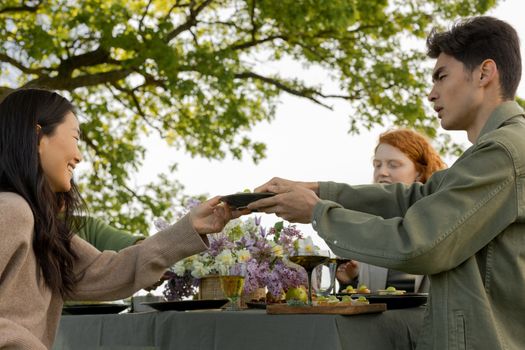
For too long, we’ve been confined. We’ve accepted the four walls, the air conditioning, the predictable ambiance. But the world is waking up to the sheer, unadulterated joy of eating outside. It’s more than just a table and chairs on a sidewalk; it's about breathing in the local atmosphere, feeling the pulse of a city, and connecting with food in its most elemental form. Chefs are ditching their cloistered kitchens for open-air kitchens, utilizing seasonal produce harvested mere steps away, and creating dining experiences that are as much about the environment as they are about the plate.
Section 1: From Parisian Pavement to Roman Piazzas – The Urban Oasis
Paris, the city of lights, has always understood the allure of its streets. But the current outdoor dining scene is something else entirely. Picture this: a tiny bistro on Rue Montorgueil, its tables spilling onto the cobblestones. The air hums with conversation, the scent of freshly baked baguette and rich coq au vin is intoxicating. It’s not just about the food, though that’s sublime. It’s about the experience of being a part of the Parisian street life, watching the world go by with a glass of Bordeaux in hand.
Pro-Tip: For the most authentic Parisian street-side experience, aim for lunch on a weekday. You'll catch locals on their breaks, adding an extra layer of vibrant energy. Look for bistros with handwritten menus – a sign of a chef who cares about what’s in season.
Across the Mediterranean, Rome’s piazzas have always been dining hubs, but the emphasis has shifted. It's no longer just about pizza and pasta in a tourist trap. Chefs are transforming hidden courtyards and sun-drenched squares into culinary havens. Imagine a trattoria tucked away in Trastevere, its tables adorned with checkered cloths, fairy lights twinkling overhead as the evening sky deepens to indigo. The aroma of garlic, basil, and slow-cooked ragu fills the air, and the sound of an accordion drifts from a nearby alley.
Insider Lingo: Don't just ask for "a table outside." In Italy, inquire about "tavoli all'aperto" or, more specifically, "un tavolo nel cortile" (a table in the courtyard) for that secluded, magical feel.
Section 2: Rooftop Revelations – Dining Among the Clouds
The skyscraper skyline is no longer just a backdrop; it’s the dining room. Rooftop restaurants have exploded in popularity, offering not only breathtaking panoramic views but also innovative culinary concepts. In New York City, a sleek rooftop bar overlooking Central Park isn't just about the skyline; it's about the meticulously crafted cocktails and the farm-to-table small plates that echo the freshness of the park below. The wind whips through your hair, the city lights twinkle like fallen stars, and each bite is an elevated experience.
Quick Facts: NYC Rooftop Dining
| Feature | Estimated Cost ($) | Best Time to Visit | How to Get There | | :------------------ | :----------------- | :----------------- | :--------------------------------------------- | | Upscale Rooftop Bar | 50-100+ per person | Sunset to 9 PM | Subway to nearest station, then a short walk. | | Casual Rooftop Cafe | 30-60 per person | Late Afternoon | Public transport or rideshare. |
Pro-Tip: Many of these spots have strict dress codes. Check the restaurant's website beforehand to avoid disappointment. Booking weeks, even months, in advance is often essential for prime time slots.
In Bangkok, the heat of the day gives way to a balmy evening, and the city's rooftops transform into vibrant culinary stages. Imagine a place where the scent of lemongrass and chili dances on the breeze, and the panoramic view of the glittering cityscape is almost as intoxicating as the expertly mixed Thai cocktails. These aren't just restaurants; they're sensory experiences that capture the city's dynamic spirit.
Authenticity Check: Look for rooftops that incorporate local design elements – perhaps intricate Thai silk accents or traditional teak wood furnishings. The food should be a modern interpretation of classic Thai flavors, using fresh, locally sourced ingredients.
Section 3: Garden Gourmets – Embracing Nature's Bounty
Beyond the urban hustle, a quieter revolution is taking place in the serene embrace of gardens and natural landscapes. Restaurants that incorporate living gardens, whether on-site or in partnership with local farms, are offering a truly farm-to-table experience. In the rolling hills of Tuscany, a rustic agriturismo with a vine-covered patio serves dishes made with produce plucked that morning from its own organic garden. The scent of rosemary and thyme hangs heavy in the air, and the taste of sun-ripened tomatoes is a revelation.
Pro-Tip: Many garden restaurants offer cooking classes or farm tours. This is a fantastic way to deepen your understanding of the ingredients and the culinary philosophy.
In Kyoto, Japan, the concept of shakkei (borrowed scenery) is taken to new heights. Restaurants with meticulously manicured gardens, often centuries old, offer a dining experience that is as much about contemplation as it is about consumption. Imagine a kaiseki meal served on a veranda overlooking a tranquil moss garden, the gentle trickle of water the only sound. The delicate flavors of seasonal ingredients are enhanced by the profound sense of peace.
Insider Lingo: When dining at a garden restaurant in Japan, pay attention to the seasonal flowers (hana) and the arrangement of stones (ishi). These are integral parts of the aesthetic experience.
Section 4: The Street Food Renaissance – Elevated Al Fresco
Street food has always been about immediate, accessible flavor. But the revolution is seeing street food vendors and chefs alike elevate the humble outdoor stall into a gourmet destination. In Mexico City, a vibrant mercado might have a taco stand run by a former fine-dining chef, using heritage corn and slow-braised meats, served on a communal picnic table under strings of colorful papel picado. The energy is infectious, the flavors are explosive, and the price is a fraction of a sit-down restaurant.
Quick Facts: Mexico City Street Food
| Feature | Estimated Cost ($) | Best Time to Visit | How to Get There | | :--------------- | :----------------- | :----------------- | :----------------------- | | Gourmet Taco Stand | 5-15 per person | Lunchtime or Evening | Metro or local bus. | | Market Food Stall| 3-10 per person | Mid-morning to Late Afternoon | Walkable from most central areas. |
Pro-Tip: Don't be afraid to ask questions! The best street food vendors are passionate about their craft and happy to explain their ingredients and cooking methods. Look for queues of locals – they know where the good stuff is.
In Singapore, hawker centres, once seen as simple food courts, are now recognized as UNESCO Intangible Cultural Heritage. The outdoor, open-air nature of these bustling hubs, filled with the symphony of woks and the aroma of spices, is central to their charm. Here, you can find Michelin-recognized dishes served from humble stalls, a true testament to the democratization of fine dining.
Authenticity Check: Seek out stalls that have been operating for generations. The recipes are often passed down, carrying with them a rich history and a depth of flavor that can't be replicated.
Section 5: Seasonal Sensations – Dining with the Rhythms of Nature
The most exciting aspect of the outdoor dining revolution is its inherent connection to seasonality. Chefs are no longer bound by the limitations of indoor storage; they are embracing the ebb and flow of nature. This means menus that change weekly, even daily, reflecting what’s freshest and most vibrant. Think of a restaurant in the Pacific Northwest, its outdoor patio overlooking a misty forest, serving a menu that features freshly foraged mushrooms in the fall and wild berries in the summer.
Pro-Tip: Engage with your server about the menu. Ask what’s in season and what the chef is most excited about. This often leads to discovering hidden gems.
In Scandinavia, where winters are long, the summer months are a culinary frenzy. Restaurants take full advantage of the extended daylight and the abundance of fresh produce, fish, and berries. Outdoor dining spaces, whether by a fjord or in a city park, become vibrant hubs. The focus is on clean, bright flavors that celebrate the natural bounty.
Insider Lingo: In Nordic countries, look for terms like "nylaget" (freshly made) or "lokalprodusert" (locally produced) on menus. This signifies a commitment to seasonal and regional ingredients.
Section 6: The Future is Al Fresco – What Experts Are Saying
"Outdoor dining isn't just a trend; it's a fundamental shift in how we connect with food and our environment," says renowned food critic, Anya Sharma. "Chefs are rediscovering the power of natural light, fresh air, and spontaneous interactions. It's more democratic, more sustainable, and frankly, more delicious."
Chef Jean-Luc Dubois, celebrated for his Michelin-starred Parisian restaurant, agrees. "We used to see the patio as an extension. Now, it's an integral part of the dining experience. The sounds of the street, the warmth of the sun – these elements enhance the flavors on the plate. We are creating memories, not just meals."
The rise of outdoor dining is also a boon for sustainability. With more restaurants utilizing on-site gardens, reducing their reliance on energy-intensive indoor lighting and HVAC systems, and sourcing locally, the environmental footprint of dining is shrinking.
My Personal Takeaway: After countless meals under the open sky, from bustling European squares to tranquil Asian gardens, I can attest that this revolution is here to stay. It’s about more than just a meal; it’s about an experience that nourishes the soul as much as the body. So, next time you’re planning a culinary adventure, look up, step outside, and let the world be your dining room.
---
More pictures



Tags
Share this guide
We may earn a commission if you click a link and buy a product or service, at no extra cost to you. How affiliate links work.
Been there?