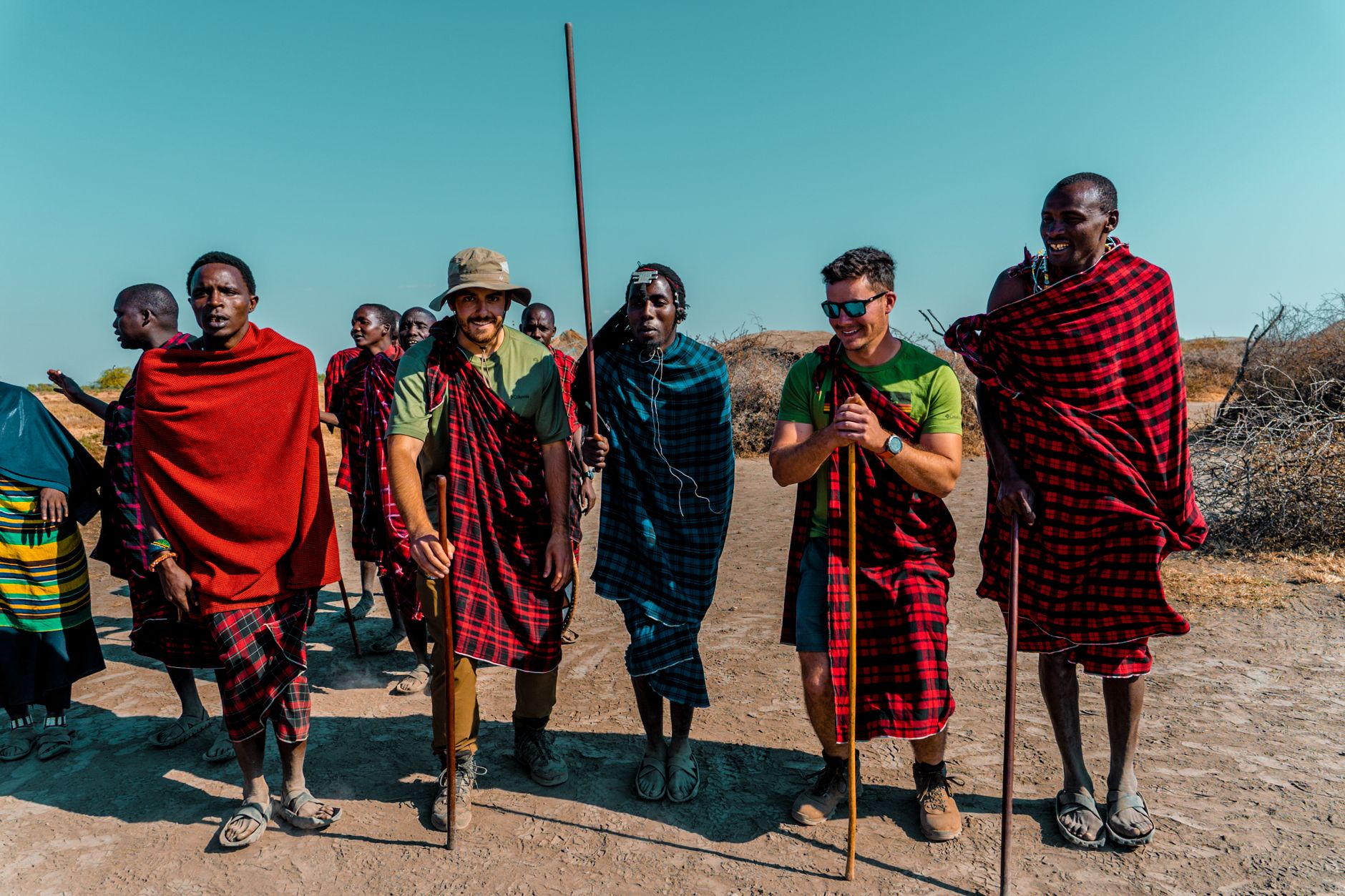
Forget the headlines! We're diving deep into incredible destinations that have risen from the ashes, offering
The Hook: A Breath of New Life in Sarajevo
I stepped off the train in Sarajevo, and the air itself felt different. It wasn't the lingering scent of gunpowder I'd half-expected, but rather the intoxicating aroma of strong Bosnian coffee mingling with the sweet perfume of freshly baked pita. Sunlight, warm and persistent, bounced off the pastel-coloured buildings lining the cobbled streets. The faint echo of laughter from a nearby cafe, the rhythmic clang of a tram, the vibrant chatter in a language I barely understood – it was a symphony of everyday life, a testament to a city that had endured unimaginable hardship and was now, unequivocally, alive. This wasn't just a travel destination; it was a living, breathing story of resilience, a potent reminder that beauty and hope can, and do, blossom even in the most unlikely of places.
Beyond the Headlines: Reclaiming Narratives Through Travel
For too long, certain regions have been defined solely by their past conflicts. The news cycles, the historical accounts, the very images that come to mind often paint a picture of devastation. But the reality on the ground is far richer, far more nuanced, and infinitely more inspiring. Responsible tourism in these areas isn't just about ticking off sights; it's about actively participating in their narrative of recovery and rebirth. It’s about engaging with communities eager to share their present and future, not just their past. It's a powerful act of solidarity, injecting vital economic support and fostering understanding that transcends borders and historical grievances.
Why These Destinations Deserve Your Wanderlust
These aren't just "safe" destinations; they are transformative experiences. They offer a raw, unfiltered glimpse into the human spirit's capacity for endurance and renewal. You'll find:
- Unspoiled Authenticity: Before mass tourism arrives, these places offer a genuine connection to local cultures, traditions, and ways of life.
- Profound Historical Context: Witnessing historical sites firsthand, understanding their significance in the context of recent history, provides a depth of learning that textbooks can't replicate.
- Economic Empowerment: Your tourist dollars directly contribute to local economies, supporting small businesses, artisans, and infrastructure development crucial for sustained peace and prosperity.
- Incredible Value: Often, these destinations offer exceptional value for money, allowing you to experience more for less.
1. Sarajevo, Bosnia and Herzegovina: The Phoenix City
Sarajevo, the capital of Bosnia and Herzegovina, is perhaps the quintessential example of a city that has transformed itself. Nicknamed the "Jerusalem of Europe" for its historical religious diversity, it endured a brutal siege during the Bosnian War (1992-1996). Today, it's a vibrant, cosmopolitan hub where East meets West.
What to See and Do:
- Baščaršija (Old Bazaar): Lose yourself in the labyrinthine alleys of the old town. The air is thick with the aroma of cevapi (grilled minced meat) and strong Bosnian coffee. You can still see bullet holes on some buildings, a stark reminder of the past, but they are now part of the city's unique architectural tapestry.
- Pro-Tip: Visit the Sebilj fountain at dawn. The soft morning light illuminating the copper-domed mosques and minarets is magical, and you'll have the square to yourself.
- Sarajevo Roses: These are impact craters from mortar shells filled with red resin, a poignant memorial to the lives lost. They are scattered throughout the city, serving as constant, subtle reminders.
- Tunnel of Hope (Tunel Spasa): This 800-meter-long tunnel was the city's lifeline during the siege, used to bring in food, medicine, and weapons. Walking through a section of it offers a visceral understanding of the desperation and ingenuity of the siege's survivors.
- Yellow and White Fortresses (Žuta Tabija & Bijela Tabija): Hike up for panoramic views of the city. The sunsets from here are breathtaking, painting the valley in hues of orange and purple.
- War Childhood Museum: An incredibly moving museum showcasing objects and personal stories from children who lived through the siege. It's a testament to their resilience.
Insider's Take:
"Don't just eat cevapi; try begova čorba (Bey's soup) at a traditional aščinica in Baščaršija. It’s a creamy, hearty dish passed down through generations. And haggle gently at the copper artisans' shops – it’s part of the experience!"
Quick Facts: Sarajevo
- Estimated Costs: $50-$100 per day (mid-range accommodation, food, activities).
- Best Time to Visit: Spring (April-May) and Autumn (September-October) for pleasant weather.
- How to Get There: Sarajevo International Airport (SJJ) has direct flights from major European cities.
2. Beirut, Lebanon: The Pearl of the Middle East Reimagined
Beirut has a reputation for its vibrant nightlife and cosmopolitan flair, but its history is also marked by periods of intense conflict, most notably the Lebanese Civil War (1975-1990) and subsequent Israeli invasions. Today, Beirut is a city of dazzling contrasts, a place where ancient history meets modern sophistication, and where the spirit of resilience is palpable in every corner.
What to See and Do:
- Beirut Souks: A modern reconstruction of the historic souks, this is a high-end shopping and dining destination, but it also serves as a symbol of Beirut's determination to rebuild and thrive.
- Martyrs' Square: A central landmark that has witnessed significant historical events, including the Cedar Revolution. It’s a place for reflection and understanding Lebanon's complex political landscape.
- National Museum of Beirut: Houses an incredible collection of Phoenician, Hellenistic, Roman, and Byzantine artifacts, offering a deep dive into the region's ancient past.
- Pro-Tip: Arrive shortly after opening to explore the sarcophagi and mosaics in relative quiet.
- Corniche: A picturesque seaside promenade perfect for a leisurely stroll, especially at sunset. Watch locals playing backgammon, enjoying ice cream, and breathing in the Mediterranean air.
- Gemmayzeh and Mar Mikhael: These bohemian neighbourhoods are the heart of Beirut's buzzing nightlife, filled with trendy bars, eclectic restaurants, and art galleries. They are also areas that bore the brunt of the devastating 2020 port explosion, and seeing their ongoing recovery efforts is deeply inspiring.
Insider's Take:
"You absolutely must try kibbeh nayyeh (raw minced lamb with bulgur) if you're adventurous – it's a culinary art form here. And don't miss a traditional Lebanese breakfast of manakish (flatbread baked with za'atar or cheese) from a local bakery."
Quick Facts: Beirut
- Estimated Costs: $70-$150 per day (mid-range accommodation, food, activities).
- Best Time to Visit: Spring (April-June) and Autumn (September-November) for pleasant temperatures.
- How to Get There: Beirut-Rafic Hariri International Airport (BEY) is well-connected internationally.
3. Kigali, Rwanda: A Beacon of Peace and Progress
Rwanda, particularly its capital Kigali, is a remarkable story of recovery and forward-thinking development following the 1994 genocide. Today, Kigali is renowned for its cleanliness, safety, and vibrant atmosphere. It's a city that has actively chosen to focus on peace, reconciliation, and progress.
What to See and Do:
- Kigali Genocide Memorial: A profoundly moving and essential place to visit. It serves as a memorial to the victims of the 1994 genocide and educates visitors about the history and its devastating impact, while also highlighting the country's path to recovery.
- Pro-Tip: Allocate at least 3-4 hours for your visit. The exhibits are detailed and emotionally impactful.
- Kigali City Tour: Explore the bustling markets like Sarix Market for vibrant textiles and local crafts. Visit the Caplaki Cooperative for authentic Rwandan art and souvenirs.
- Presidential Palace Museum: Formerly the residence of Rwanda's second president, it offers insights into the country's political history.
- Inema Arts Center and Ivuka Arts Kigali: These centres showcase the work of contemporary Rwandan artists, offering a glimpse into the country's thriving creative scene.
- Canopy Walkway at Nyungwe Forest National Park (day trip): While not in Kigali, it's an incredible experience easily accessible from the capital, offering stunning views of the rainforest canopy.
Insider's Take:
"Don't be surprised by the orderliness and cleanliness – Kigali is famously known as the cleanest city in Africa. Try brochettes (kebabs) at a local eatery; the goat meat is particularly delicious. And always greet locals with a friendly 'Muraho!'"
Quick Facts: Kigali
- Estimated Costs: $60-$120 per day (mid-range accommodation, food, activities).
- Best Time to Visit: The dry seasons (June-August and December-February) offer the most pleasant weather.
- How to Get There: Kigali International Airport (KGL) is a major hub in East Africa.
4. Colombia: A Nation Reborn Through its Landscapes and Culture
Colombia has long been perceived through the lens of its past struggles with conflict and drug cartels. However, in the last two decades, the country has undergone a dramatic transformation, emerging as a vibrant and welcoming destination celebrated for its breathtaking natural beauty, rich cultural heritage, and the warmth of its people.
What to See and Do:
- Cartagena: This UNESCO World Heritage city is a dazzling colonial gem. Its colourful streets, historic walled city, and vibrant Caribbean atmosphere are a far cry from any past troubles.
- Pro-Tip: Explore Getsemani, a neighbourhood adjacent to the Old City, known for its vibrant street art and lively nightlife.
- Medellín: Once known as the "most dangerous city in the world," Medellín has reinvented itself as a hub of innovation and culture. The Comuna 13 transformation, from a troubled neighbourhood to a colourful, art-filled district accessible by escalators, is a powerful symbol of this change.
- Coffee Region (Eje Cafetero): Visit charming towns like Salento and Filandia, hike through the towering wax palms of the Cocora Valley, and learn about the world-renowned Colombian coffee-making process.
- Tayrona National Natural Park: Experience pristine Caribbean beaches, lush jungle, and ancient indigenous ruins. It’s a paradise for nature lovers.
- Bogotá: Explore the historic La Candelaria district, visit the Gold Museum (Museo del Oro), and take a cable car up Monserrate for stunning city views.
Insider's Take:
"You haven't lived until you've tried bandeja paisa, a hearty platter of rice, beans, plantain, avocado, and various meats, especially in the Coffee Region. And for a truly Colombian experience, learn a few basic salsa steps – the rhythm is infectious!"
Quick Facts: Colombia
- Estimated Costs: $50-$100 per day (mid-range accommodation, food, activities).
- Best Time to Visit: Varies by region, but generally December to March and July to August are popular for drier weather.
- How to Get There: Major international airports in Bogotá (BOG), Medellín (MDE), and Cartagena (CTG).
The Art of Responsible Exploration: Traveling with Awareness
Visiting regions that have experienced conflict requires a mindful approach. It's about being a conscious traveler, not just a tourist.
- Educate Yourself: Before you go, read about the region's history, its culture, and the sensitivities surrounding its past. Understanding breeds empathy.
- Support Local Businesses: Prioritize locally owned hotels, restaurants, and tour operators. This ensures your money directly benefits the community.
- Be Respectful: Dress modestly when visiting religious sites. Ask permission before taking photos of people. Be mindful of conversations that could be insensitive.
- Engage Genuinely: Strike up conversations with locals. Listen to their stories. Your genuine interest is often deeply appreciated.
- Leave No Trace: Respect the environment and the local customs.
Your Next Adventure Awaits: Embracing the Future
These war-torn regions, now safe for tourism, are not just destinations; they are testaments to the indomitable human spirit. They offer a chance to witness history, connect with resilient cultures, and contribute to a brighter future. They are places where the echoes of the past are not forgotten, but instead serve as a foundation for a powerful and inspiring present. So, pack your bags with curiosity and an open heart, and embark on a journey that will undoubtedly change your perspective on the world, and on the incredible capacity for renewal that lies within us all.
---
More pictures

Tags
Share this guide
We may earn a commission if you click a link and buy a product or service, at no extra cost to you. How affiliate links work.
Been there?