Forget the overcrowded beaches of Amalfi and the tourist traps of Bali. This summer’s most compelling travel trend belongs to the phoenixes: regions once ravaged by conflict that have transformed into safe, culturally vibrant, and breathtakingly beautiful hotspots. From the mountain valleys of Bosnia to the lush jungles of Colombia, here is your definitive, insider guide to the ultimate comeback destinations you need to book right now. ---
I Stepped Off the Train and Smelt Plum Brandy and Gunpowder
I stepped off the train in Sarajevo, and the first thing that hit me wasn't the summer heat, but the scent of roasting cardamom, charred veal, and wet concrete. On my left, a bullet-pocked apartment block from the 1990s siege stood draped in wild, blooming purple bougainvillea. On my right, a sleek, glass-fronted tech hub buzzed with digital nomads sipping cold brews.
This is the reality of modern travel. The geopolitical map is shifting faster than ever. Destinations that once dominated the nightly news for all the wrong reasons are now welcoming travelers with open arms, world-class infrastructure, and an authenticity that over-touristed capitals lost decades ago.
If you want a summer trip that actually changes the way you see the world, it’s time to look beyond the ordinary. Here are six former conflict zones that are not only safe to visit today, but are actively trending for the adventurous traveler this summer.
---
1. Sarajevo, Bosnia and Herzegovina: The Jerusalem of Europe
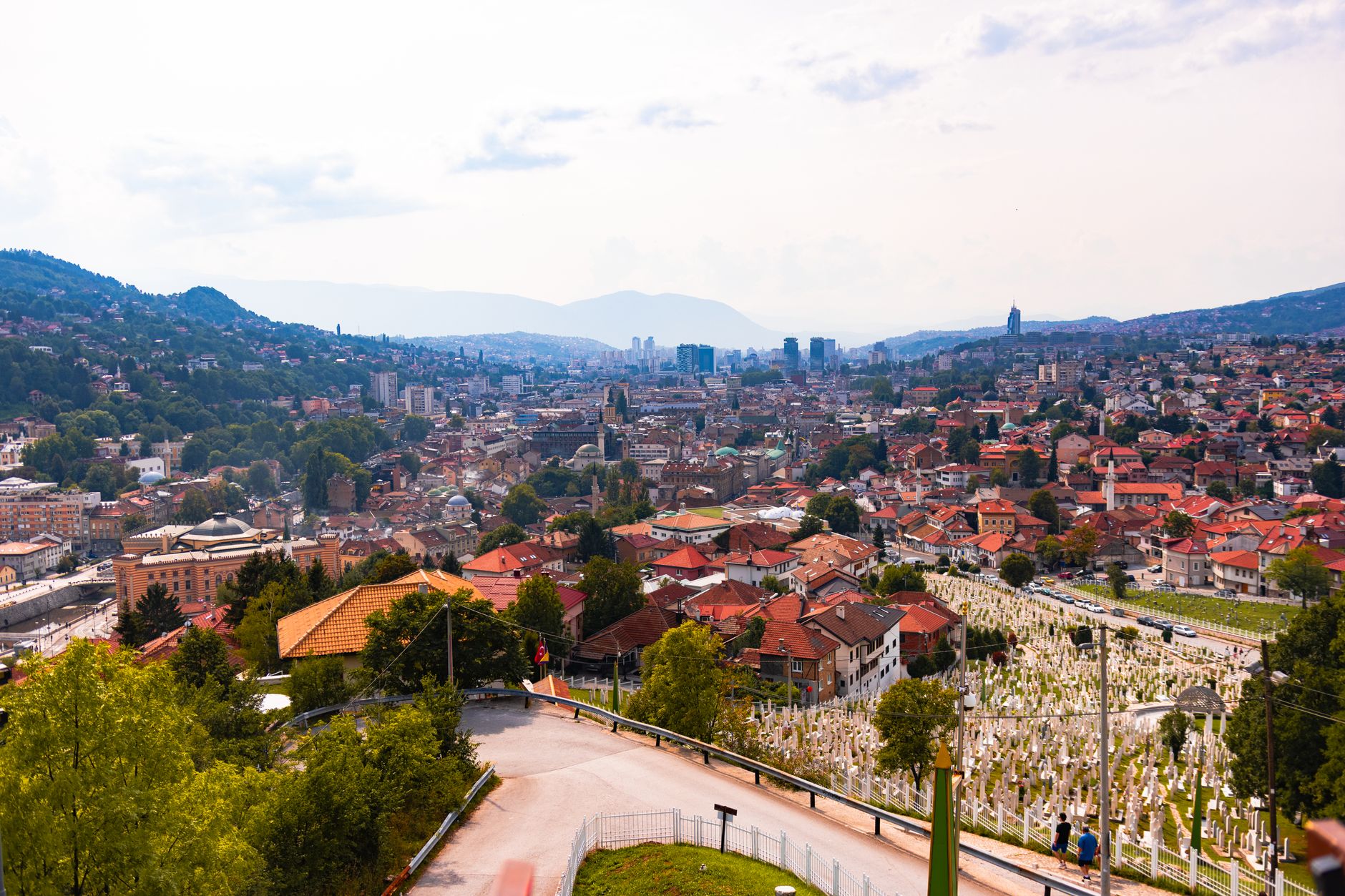
Thirty years ago, Sarajevo was enduring the longest siege in modern military history. Today, it is one of Europe's most underrated, visually arresting, and budget-friendly capitals. The city sits in a narrow valley surrounded by the Dinaric Alps, offering a stunning mix of Ottoman, Austro-Hungarian, and Yugoslav architecture.
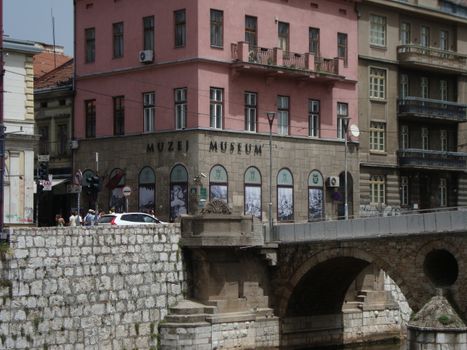
``` [ Ottoman Old Town: Baščaršija ] │ ( Latin Bridge / 1914 ) │ [ Austro-Hungarian Center: Ferhadija ] │ ( Sniper Alley / Tito's Cafe ) │ [ Dinaric Alps / Trebević Cable Car ] ```
The Vibe
Walk down Ferhadija Street and you will literally cross the line where East meets West. Step on the brass marker in the pavement: look east, and you are in a bustling 15th-century Ottoman bazaar; look west, and you are surrounded by grand 19th-century Viennese facades.
What to Do
- Ride the Trebević Cable Car: Rebuilt in 2018, this cable car takes you from the edge of the Old Town up to Mount Trebević in just nine minutes. Explore the abandoned, graffiti-covered 1984 Winter Olympics bobsled track, which was used as an artillery position during the war and is now a canvas for local street artists.
- Drink Bosnian Coffee in Baščaršija: This is not Turkish coffee. It is served in a copper džezva with a side of rahat lokum (Turkish delight).
> Pro-Tip: Head to the Yellow Bastion (Žuta Tabija) for sunset. Bypass the crowded main viewing platform and walk 50 meters down the dirt path to the left. You’ll find a grassy ledge under a wild cherry tree with an unobstructed view of the Miljacka River winding through the valley.
---
2. Medellín, Colombia: From Cartel Capital to Innovation Hub
In the early 1990s, Medellín was labeled the most dangerous city on Earth, ruled by the iron fist of Pablo Escobar’s cartel. Fast forward to today, and the "City of Eternal Spring" is a global poster child for social urbanism, digital nomads, and nightlife.
``` [ Parque Arví ] ▲ │ (Metrocable L) [ Santo Domingo Station ] ▲ │ (Metrocable K) [ Laureles ] ◄───► [ El Centro ] ◄───► [ Comuna 13 ] (Local Vibe) (Botero Plaza) (Escalators/Art) ```
The Vibe
Medellín operates at a high frequency. The air smells of fried empanadas and diesel, set to a constant soundtrack of reggaeton blasting from passing yellow cabs. The city's geography is dramatic—a dense concrete jungle clinging to the walls of the steep Aburrá Valley.
What to Do
- Explore Comuna 13: Once a hillside war zone controlled by militias, it is now famous for its outdoor escalators, vibrant street art, and breakdancing crews.
- Ride the Metrocable: Medellín’s cable car system was built not for tourists, but to connect marginalized hillside barrios with the metro system in the valley floor. It offers jaw-dropping views of the sprawling city below.
> Pro-Tip: Skip the overpriced, tourist-heavy nightlife of El Poblado. Instead, spend your Friday evening in the Laureles neighborhood around La 70 (Carrera 70). It’s where the locals go to drink aguardiente (anise-flavored liqueur) and dance salsa until the sun comes up.
---
3. Kigali, Rwanda: Africa’s Cleanest, Safest Capital
The 1994 Rwandan Genocide left the country devastated. Today, Rwanda is one of the safest countries on the planet (ranking higher than many Western European nations in safety indexes), and its capital, Kigali, is a spotless, green, tech-forward metropolis.
``` [ Kiyovu Hills ] │ ( High-End Cafes & Embassies ) │ [ Kimironko Market ] ( Gate 4: Tailors & Kitenge ) │ [ Nyamirambo Women's Center ] ```
The Vibe
Kigali feels like the future. Plastic bags are banned, and on the last Saturday of every month, the entire city participates in Umuganda—a morning of community clean-up and infrastructure work. The hillsides are covered in manicured gardens, modern architecture, and open-air cafes.
What to Do
- Kigali Genocide Memorial: A deeply moving, essential visit to understand the country’s history and its miraculous journey of reconciliation.
- Nyamirambo Walking Tour: Run by the Nyamirambo Women’s Center, this tour takes you through the city's most colorful neighborhood, ending with a traditional lunch of matooke (green bananas) and peanut stew.
> Pro-Tip: When visiting Kimironko Market to buy local crafts and fabrics, enter through Gate 4. It leads directly to the fabric tailors. Buy your vibrant Kitenge fabric from one of the vendors, and they can stitch a custom-fitted shirt or dress for you in under two hours for less than $15 USD.
---
4. Belfast, Northern Ireland: Beyond The Troubles
For three decades, Belfast was synonymous with "The Troubles"—a violent sectarian conflict that divided the city. Today, Belfast is a thriving cultural capital, famous for its world-class maritime history, Michelin-starred dining, and legendary pub scene.
``` [ Cathedral Quarter ] ( Duke of York / Pubs ) │ [ Titanic Quarter Museum ] │ [ The Peace Walls ] ( Falls & Shankill Roads ) ```
The Vibe
Belfast is gritty, witty, and incredibly welcoming. The Victorian architecture is grand, the Guinness is poured with mathematical precision, and the local banter (craic) is fast-paced and sharp.
What to Do
- Take a Black Cab Tour: Local drivers from both Catholic and Protestant backgrounds will take you along the Falls and Shankill Roads to see the famous political murals and the Peace Walls that still divide parts of the city.
- Visit Titanic Belfast: Located in the shipyard where the ill-fated vessel was built, this interactive museum is a masterpiece of modern architecture and storytelling.
> Pro-Tip: Skip the packed, touristy pubs of Commercial Court on a Friday night. Walk five minutes west to Kelly’s Cellars on Bank Street. Built in 1720, it is one of Belfast's oldest traditional pubs. Grab a pint of stout and sit by the open turf fire while local musicians play live Irish folk music.
---
5. Tbilisi, Georgia: The Intersection of Empires
Following the collapse of the Soviet Union, Georgia endured civil wars, economic collapse, and a brief war with Russia in 2008. Today, Tbilisi is a safe, bohemian paradise that has become the darling of the international travel community.
``` [ Mtatsminda Park ] ▲ │ (Funicular) [ Sololaki ] ◄───► [ Old Town ] ◄───► [ Abanotubani ] (Art Nouveau) (Sioni St) (Sulfur Baths) ```
The Vibe
Tbilisi is a heady mix of ancient history and avant-garde youth culture. Think 5th-century fortresses overlooking brutalist Soviet structures, side-by-side with techno clubs that rival Berlin. The air smells of baking bread and fermentation.
What to Do
- Soak in the Abanotubani Sulfur Baths: These historic, brick-domed underground bathhouses have been used for centuries.
- Explore Sololaki: This neighborhood features crumbling 19th-century Art Nouveau mansions with hidden, painted courtyards that feel like a movie set.
> Pro-Tip: Book a private room at Bathhouse No. 5 24 hours in advance. Request the kisa (exfoliation) treatment. The bath attendant will scrub you down with a coarse mitt and douse you in soapy foam; it costs less than $10 USD but leaves you feeling entirely reborn.
---
6. Phong Nha, Vietnam: From Bomb Alley to Adventure Capital
During the Vietnam War, the Phong Nha-Ke Bang region was one of the most heavily bombed areas on earth due to its location along the Ho Chi Minh Trail. Today, this UNESCO World Heritage site is the adventure capital of Southeast Asia, home to the largest caves on the planet.
``` [ Paradise Cave ] │ ( 31km of Limestone Karst ) │ [ Son Trach Village ] ( Phong Nha-Ke Bang Center ) │ [ Bong Lai Valley ] ( Duck Stop / Wild Scenery ) ```
The Vibe
Phong Nha is a sleepy, rural paradise of emerald-green rice paddies, towering limestone karsts, and winding turquoise rivers. Water buffalo still roam the roadsides, and the local community has transitioned from illegal logging and poaching to world-class eco-tourism.
What to Do
- Explore Paradise Cave: A jaw-dropping 31-kilometer-long cave system filled with colossal stalactites and stalagmites lit by soft, dramatic spotlights.
- Visit the Bong Lai Valley: Rent a bicycle and explore this rural valley, stopping at the famous "Duck Stop" to feed ducks and enjoy cold beers with local farmers.
> Pro-Tip: Rent a semi-automatic scooter and ride the Ho Chi Minh Highway West loop at dawn. The morning mist hanging over the limestone karsts is pure magic, and you will have the pristine mountain pass entirely to yourself.
---
Budget & Logistics: Summer Travel Comparison
To help you plan your summer escape, here is a quick breakdown of what to expect financially and logistically for each of these incredible destinations:
| Destination | Daily Budget (USD) | Best Month to Visit | How to Get There | Safety Rating (Global Peace Index) | | :--- | :--- | :--- | :--- | :--- | | Sarajevo, Bosnia | $45 - $60 | June - Sept | Fly into Sarajevo International (SJJ) | Very High (Safe & peaceful) | | Medellín, Colombia | $50 - $70 | Year-round | Fly into Jose Maria Cordova (MDE) | Medium-High (Exercise normal caution) | | Kigali, Rwanda | $70 - $100 | June - Sept | Fly into Kigali International (KGL) | Very High (One of Africa's safest) | | Belfast, N. Ireland | $90 - $130 | July - August | Fly into Belfast International (BFS) | Very High (Standard European safety) | | Tbilisi, Georgia | $40 - $60 | June & Sept | Fly into Tbilisi International (TBS) | Very High (Extremely welcoming) | | Phong Nha, Vietnam | $30 - $50 | June - August | Fly to Dong Hoi (VDH), then 45m taxi | Very High (Very safe rural area) |
---
The Verdict: Why You Should Go This Summer
Travel is at its best when it challenges our assumptions. Visiting these destinations does more than just fill your passport; it directly supports local economies that have fought hard to rebuild.
When you buy a coffee in Sarajevo, hire a guide in Medellín, or get a shirt tailored in Kigali, you are participating in a story of recovery and hope. These cities have done the hard work of rebuilding. Now, it’s your turn to go and see the results.
---
More pictures


Tags
Share this guide
We may earn a commission if you click a link and buy a product or service, at no extra cost to you. How affiliate links work.
Been there?