
Skip the guilt-trips and the paint-a-school-in-a-weekend photo ops. This is the definitive, no-nonsense guide to finding and booking voluntourism opportunities in June 2026 that actually deliver measurable, community-led benefits. ---
The Hook: A Morning in the Andean Mist
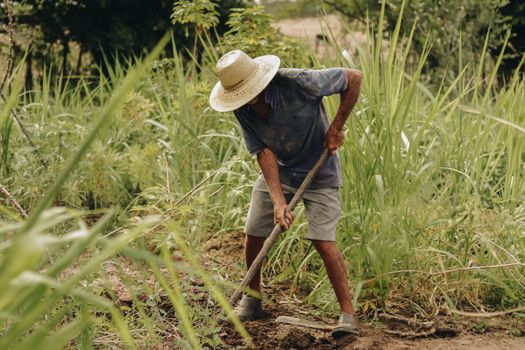
I stepped off the wooden-sided ranchera bus into the wet, slate-grey mist of Ecuador’s Intag Valley, and the first thing that hit me was the sharp, fermented scent of wet coffee pulp mixed with damp volcanic soil. My boots sank three inches into the red clay. There were no cameras, no welcoming committees, and certainly no ribbon-cutting ceremonies. Instead, Segundo, a local farmer whose hands were as calloused as tree bark, handed me a spade and pointed to a steep, 45-degree slope covered in invasive bracken fern.
"The saplings need to go in before the midday downpour," he said, not in English, but in rapid-fire highland Spanish.
For the next six hours, my hands were caked in mud as we planted native arrayán trees to protect the local watershed from copper mining runoff. I didn’t "save" the Intag Valley. But by paying a fair daily wage to stay in Segundo’s home, clearing land under his direct supervision, and funding the purchase of those saplings through a vetted local cooperative, I participated in something rare: non-extractive, host-led travel.
For years, "voluntourism" has been a dirty word—and rightfully so. The industry has long been plagued by the "white savior" industrial complex, where well-meaning Westerners pay thousands of dollars to perform unskilled labor that displaces local workers. But in June 2026, the landscape is shifting. A new wave of decentralized, community-owned initiatives is proving that travel can be a powerful tool for global equity—if you know how to choose the right project.
---
The Voluntourism Reckoning: Why June 2026 Demands a New Playbook
The days of the two-week orphanage volunteer trip are, thankfully, dying. In June 2026, ethical travelers are demanding transparency, data-backed impact, and local sovereignty.
If a volunteer program allows you to teach English without a TEFL certification, build a medical clinic without a medical degree, or cuddle orphaned children for a fee, it is not helping. It is a commercial commodity designed to make you feel good, often at the expense of local child protection and economic stability.
To find voluntourism that actually helps communities, we must look for programs that treat volunteers not as heroes, but as temporary, skilled (or physically capable) labor assets working under the strict direction of local leadership.
---
1. The Cloud Forest Guardians: Intag Valley, Ecuador
If you want to combat climate change and corporate exploitation at the grassroots level, the Intag Valley in northern Ecuador is your battleground. This region is one of the most biodiverse cloud forests on Earth, threatened constantly by large-scale mining interests.
Here, the local community didn't wait for international NGOs to save them; they formed AACRI (Asociación de Caficultores de la Cuenca del Río Intag), a cooperative of organic coffee farmers and conservationists.
The Impact Metric
Volunteers do not lead these projects. You are there to provide the physical muscle required for reforestation, seed harvesting, and maintaining the community-owned eco-lodges that fund their legal battles against mining conglomerates. Every dollar you pay for room and board goes directly into the cooperative’s community fund.
Insider Logistics & Pro-Tips
- The Vetted Partner: Look into Decoin (Defensa y Conservación Ecológica de Intag), a highly transparent local grassroots organization.
- Pro-Tip: To catch the ranchera (open-air bus) to the remote reserve of Apuela, stand outside the Otavalo bus terminal by 7:15 AM. Do not look for a sign; look for the wooden bus painted bright yellow with "Intag" scrawled on the bumper.
- What You’ll Actually Do: Digging planting holes, weeding invasive grasses from young native trees, and assisting with the drying and sorting of organic coffee beans.
---
2. Marine Conservation & Seagrass Restoration: Raja Ampat, Indonesia
Raja Ampat is famous for its hyper-diverse marine life, but the influx of tourism has put immense pressure on local reefs. Instead of booking a luxury dive resort that simply offsets its carbon footprint, you can work directly with the indigenous communities of the Dampier Strait.
The Yaf Keru project, based on the island of Arborek, is a prime example of community-led reef rehabilitation.
The Impact Metric
Unlike commercial marine volunteer programs that charge exorbitant fees for basic beach cleanups, Yaf Keru trains volunteers to work alongside local Papuan rangers. You will assist in building artificial reef structures, planting coral fragments, and monitoring seagrass beds—which sequester carbon up to 35 times faster than tropical rainforests.
Insider Logistics & Pro-Tips
- The Vetted Partner: People and the Sea or direct community-managed conservation programs on Arborek Island.
- Pro-Tip: To avoid the steep 150,000 IDR markup, purchase your Raja Ampat Marine Park Entry Permit directly at the official office inside the Sorong Harbor terminal, rather than through a travel agency in Bali.
- What You’ll Actually Do: If you are SCUBA certified (Advanced Open Water is highly recommended here due to strong currents), you will secure coral nubbins to substrate frames. If you are not certified, you will work on land-based community waste-management systems and seagrass mapping in the shallows.
---
3. Decentralized Trail Maintenance: The Svaneti Region, Georgia
High in the Caucasus Mountains, the Svan people have preserved their distinct culture, language, and medieval stone towers (koshki) for centuries. As tourism to Georgia booms, the Svaneti region faces a choice: succumb to mass, developer-led tourism or build a sustainable, community-managed trail system.
The Transcaucasian Trail (TCT) association works directly with Svan communities to build and maintain world-class hiking trails that bring sustainable economic opportunities to remote mountain villages.
The Impact Metric
By clearing overgrown paths, building dry-stone retaining walls, and marking trails, volunteers help route hikers away from fragile ecosystems and directly into family-run homestays. This decentralizes tourism revenue, ensuring it lands in the pockets of local grandmothers running guesthouses rather than international hotel chains in Tbilisi.
Insider Logistics & Pro-Tips
- The Vetted Partner: The Transcaucasian Trail Association (TCTA). They run volunteer trail-building camps every summer.
- Pro-Tip: The trail coordinator, Levani, keeps the keys to the tool shed behind the 12th-century church in Mestia. Knock on the heavy oak door with the iron ring three times to find the local crew before your morning shift.
- What You’ll Actually Do: Hard, satisfying physical labor. You will use pulaskis, pickaxes, and crowbars to carve new trail beds out of steep slate hillsides, clear fallen pine trees, and paint trail blazes.
---
How to Spot a Voluntourism Scam: The 2026 Red Flag Checklist
Before you hand over your credit card to a glossy volunteer-placement agency, run their program through this rigorous, three-point audit:
- Red Flag #1: The "No Skills Required" Professional Work. If a program allows you to perform tasks that would require a license, degree, or trade certification in your home country (e.g., teaching, medical care, construction), walk away. This displaces local professionals and poses severe safety risks to the host community.
- Red Flag #2: The Orphanage Loophole. Decades of research by UNICEF prove that orphanage tourism drives child trafficking and family separation. If an organization offers volunteer placements in orphanages or residential care facilities, they are participating in an exploitative system.
- Red Flag #3: Lack of Financial Transparency. An ethical organization should easily provide a pie chart showing exactly where your volunteer fee goes. If less than 50% of your fee directly funds local salaries, community materials, and host-family accommodation, you are funding a Western marketing machine, not community development.
---
The Logistics Masterclass: Planning Your June 2026 Departure
To make your trip seamless and truly sustainable, use this quick-reference planning guide for our top-vetted ethical projects:
| Destination | Best Project Type | Est. Cost (Weekly) | How to Get There | June Weather Expectation | | :--- | :--- | :--- | :--- | :--- | | Intag Valley, Ecuador | Agroforestry & Watershed Protection | $250 - $400 (includes homestay) | Fly to Quito, take a 2-hour bus to Otavalo, then the 7:15 AM ranchera to Apuela. | Mild, humid days with predictable afternoon downpours. Highs around 22°C (72°F). | | Raja Ampat, Indonesia | Coral Reef & Seagrass Restoration | $600 - $900 (includes meals & boat transfers) | Fly to Sorong (SOQ), take the daily public ferry to Waisai, then a local longboat to Arborek. | Tropical, warm waters, occasional short squalls. Highs around 31°C (88°F). | | Svaneti, Georgia | Mountain Trail Building & Preservation | $150 - $300 (camp-based or village homestays) | Take the overnight train from Tbilisi to Zugdidi, then a local marshrutka (minibus) to Mestia. | Crisp mountain air, sunny days, cold nights. Highs around 20°C (68°F) in the valleys. |
---
The Final Word: Shift Your Mindset from "Giver" to "Guest"
The most important tool you can pack for a voluntourism trip in June 2026 isn't a high-tech water filter or a pair of heavy-duty work gloves. It’s a shift in perspective.
You are not going to "fix" a community. You are going to learn, to offer your labor as a gesture of solidarity, and to exchange cultural capital. When you work under local leadership, eat what your hosts cook, and respect the boundaries of the community, you cease to be a tourist who exploits. You become a traveler who contributes.
---
More pictures

Tags
Share this guide
We may earn a commission if you click a link and buy a product or service, at no extra cost to you. How affiliate links work.
Been there?