Ditch the three-hour selfie lines in Oia and the €20 Freddo Cappuccinos. We’ve collaborated with elite Mediterranean travel specialists to bring you the definitive guide to the stunning, crowd-free Greek islands that offer dramatic volcanic cliffs, world-class gastronomy, and authentic Cycladic soul—minus the cruise-ship bottlenecks. Here is where you should actually book your next Aegean escape. ---
The Hook: A Different Kind of Aegean Morning
I stepped off the ferry and was immediately hit by the scent of wild oregano baking under a relentless Mediterranean sun, mixed with the sharp, clean brine of the Aegean Sea. There were no megaphone-wielding tour guides. No cruise-ship passengers marching eight-abreast down narrow stone pathways. Just a lone donkey braying in the distance, the gentle clink of metal rigging against sailboat masts, and the soft, rhythmic sweep of a taverna owner clearing the morning dust from his stone patio.
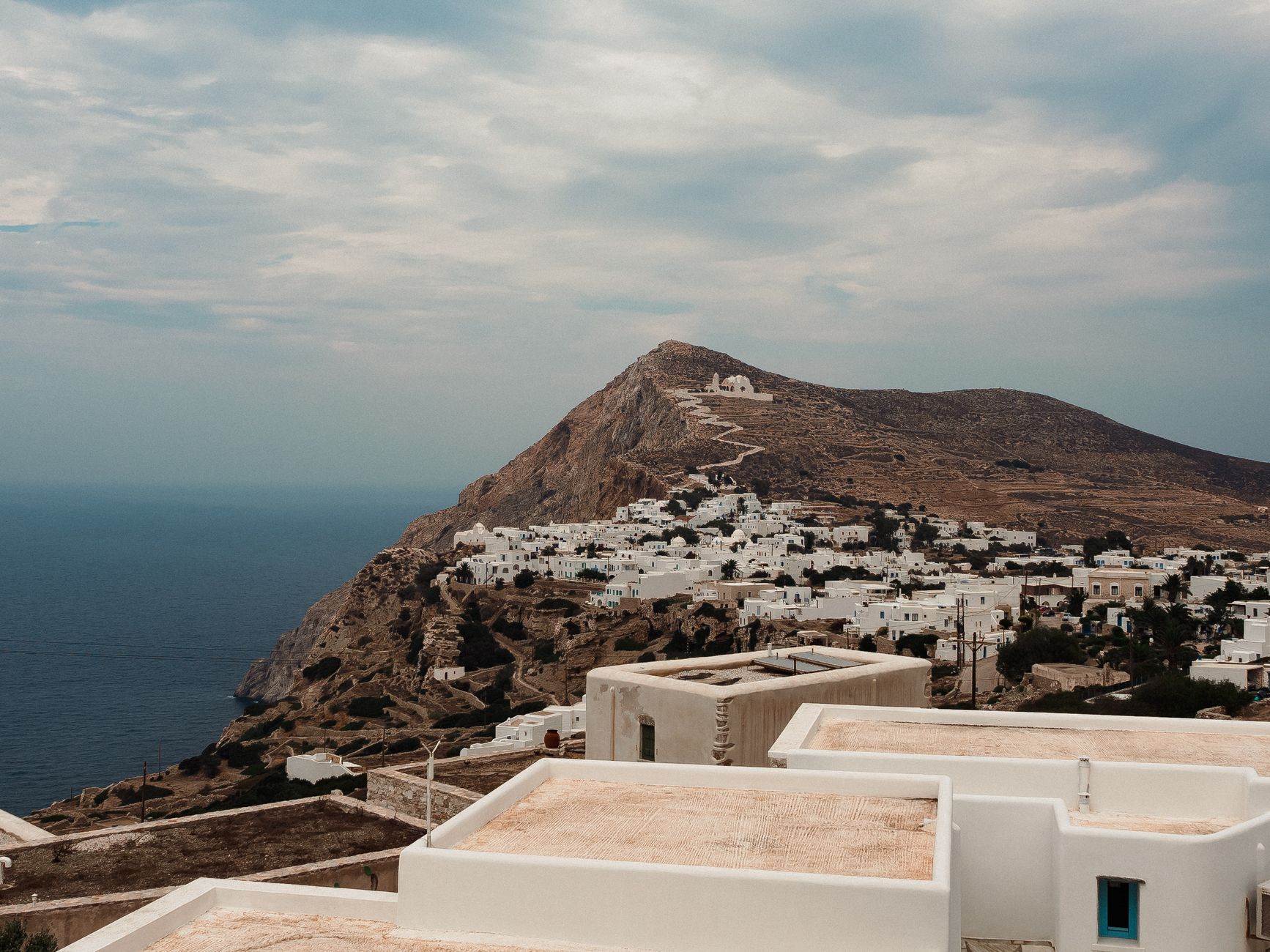
I was on Folegandros, an island just a couple of hours away from Santorini by high-speed boat, yet light-years away in spirit.
For the past decade, Santorini has been the poster child of Greek tourism. But let’s be honest: the dream has curdled. The reality of Santorini today involves dodging selfie sticks in Oia, waiting in line for forty minutes to take a photo of a blue dome, and watching the sunset surrounded by ten thousand sweating strangers.
Savvy travel advisors are quietly steering their high-value clients away from the caldera gridlock. Here are the definitive, advisor-approved alternatives to Santorini that preserve the magic of the Cyclades without the crowds.
---
1. Folegandros: The Dramatic Cliffside Sunset Without the Elbows
If you love Santorini for its dramatic, sheer-cliff architecture and jaw-dropping sunsets, Folegandros is your direct substitute.
The Vibe & Architecture
The main town, or Chora, is arguably the most beautiful in the Cyclades. Built on the edge of a sheer 200-meter drop, it features three contiguous plazas shaded by leafy plane trees, lined with tiny, family-run tavernas. The buildings are classic Cycladic: brilliant white plaster, contrasting wooden doors painted in deep blues and sage greens, and cascading bougainvillea that smells of sweet honey.
Unlike Oia, where the sunset is a commercialized spectator sport, the sunset on Folegandros is a quiet, almost spiritual experience. You walk up the zigzagging stone path to the Church of Panagia, perched high on the hill. As the sun dips below the horizon, painting the Aegean in shades of bruised plum and liquid gold, the only sound you’ll hear is the wind whipping off the cliffs.
- Pro-Tip: Walk up the path to the Church of Panagia at exactly 7:15 PM (in summer). Most tourists head up too early and bake in the sun. The best light hits the white stone path during the last fifteen minutes before the sun drops.
- The Food Detail: Skip the generic tourist menus. Find a table at Chic in the Chora and order matsata—a traditional hand-rolled pasta served with slow-cooked rabbit or rooster in a rich, cinnamon-spiked tomato sauce.
---
2. Milos: The Volcanic Wonderland That Out-Shines Kamari and Perissa
Santorini is famous for its volcanic beaches, but Milos blows them out of the water. With over 75 distinct beaches, this volcanic island boasts some of the most surreal coastal geology on earth.
Surreal Coastlines & Fishing Villages
The crown jewel of Milos is Sarakiniko, a beach made of bone-white volcanic pumice sculpted by wind and waves into smooth, undulating waves that look exactly like a lunar landscape. Swimming here feels like floating in a turquoise pool on the moon.
Equally enchanting are the syrmata—traditional fisherman cottages carved directly into the soft volcanic rock. In villages like Klima and Mandrakia, these tiny dwellings feature garage-style doors painted in vibrant primary colors, designed to store fishing boats during the winter storms.
- Pro-Tip: Sarakiniko gets hot and bright by midday. Arrive at 6:30 AM to catch the sunrise. The white rock glows with a pale pink hue, and you will likely have the entire lunar landscape entirely to yourself.
- The Hidden Entrance: To access the secluded cove of Tsigrado, you must descend a wooden ladder through a narrow crevice in the cliff. It’s not for the faint of heart, but the crystal-clear emerald water at the bottom is worth the scramble.
---
3. Sifnos: The Culinary Capital of the Cyclades
If your travel plans revolve around your stomach, bypass Santorini’s overpriced, mediocre cliffside restaurants and head straight to Sifnos.
A Culinary Legacy
Sifnos is the birthplace of Nikolaos Tselementes, the chef who wrote the definitive Greek cookbook in 1910. The island’s gastronomy is deeply rooted in slow-cooked clay pot dishes, made possible by the island’s rich clay deposits and generations of master potters.
The air in Sifnos smells of burning olive wood and slow-roasting meat. The villages here, like Apollonia and the medieval fortress town of Kastro, are exceptionally elegant. There is a quiet wealth here; the streets are paved in pristine marble, and the local shops sell high-end, locally made ceramics rather than cheap plastic souvenirs.
- Pro-Tip: Book a table weeks in advance at Omega 3, a tiny fish bar located right on the sand in Platis Gialos. Order the smoked eel with yellow split-pea purée (fava) and the citrus-cured sea bream carpaccio.
- The Food Detail: Try the revithada (a chickpea stew slow-baked for 15 hours in a clay pot called a skepastaria) and mastelo (goat or lamb washed in local red wine, seasoned with wild dill, and baked on a bed of vine twigs).
---
4. Syros: The Aristocratic, Marble-Paved Capital
Most people think of the Cyclades as strictly blue-and-white. Syros, the administrative capital of the island group, shatters that stereotype with its grand, pastel-hued neoclassical architecture.
Neoclassical Grandeur
The main town of Ermoupoli looks more like a miniature Italian city-state than a sleepy Greek village. It features grand marble-paved squares, towering 19th-century mansions built by wealthy shipowners, and the magnificent Apollo Theater, which was built as a smaller replica of La Scala in Milan.
Syros is a living, breathing island that does not rely solely on tourism. It remains vibrant year-round, offering an authentic slice of Greek life where children play tag in the massive Miaouli Square while their grandparents sip Greek coffee at nearby cafes.
- Pro-Tip: Head to the neighborhood of Vaporia (often called the "Little Venice" of Syros). Skip the public beaches and walk down the concrete steps behind the mansions to a stone platform where locals dive directly into deep, crystalline water.
- The Insider Detail: Walk up the hundreds of steps to the hilltop medieval settlement of Ano Syros at dusk. Seek out Lilly’s Steki, a tiny taverna where you can drink local red wine and listen to live rebetiko (Greek blues) played on a bouzouki.
---
5. Naxos: The Green Giant of the Cyclades
If you want an island that has it all—ancient ruins, dramatic mountains, endless sandy beaches, and incredible local produce—Naxos is the ultimate all-rounder.
Ancient Ruins and Mountain Villages
While Santorini imports almost all of its food, Naxos is entirely self-sufficient. The island is incredibly fertile, covered in olive groves, potato fields, and vineyards.
The coastline is a continuous stretch of golden sand beaches like Plaka and Mikri Vigla, which are far superior to Santorini’s hot black-pebble shores. In the interior, dramatic granite peaks rise up to support ancient mountain villages like Apeiranthos, where the streets are paved in marble and the locals still speak in a distinct regional dialect.
- Pro-Tip: Skip the sunset crowd at the Portara (the massive 2,500-year-old marble doorway to the unfinished Temple of Apollo in Naxos Town). Instead, drive up to the mountain village of Halki in the late afternoon. Visit the Vallindras Distillery to taste Kitron, a local liqueur distilled from the leaves of the citron tree, which is exclusive to the island.
- The Food Detail: Order a plate of Naxian potatoes fried in local olive oil and topped with a mountain of grated Graviera Naxou, a sweet, nutty local cheese that has PDO (Protected Designation of Origin) status.
---
6. Amorgos: The Wild, Dramatic Soul of the Aegean
For travelers who want to completely unplug and experience the raw, untamed beauty of the Aegean, Amorgos is the holy grail.
The Monastery in the Sky
Amorgos is a rugged, mountainous finger of rock that rises dramatically out of the deep blue sea. It is famous for being the filming location of Luc Besson's 1988 cult film The Big Blue.
The defining sight of the island is the Monastery of Panagia Hozoviotissa. Built in the 11th century, this dazzling white structure clings precariously to a sheer cliff face, 300 meters above the churning sea. It looks less like a building and more like a white brushstroke painted onto the dark rock.
- Pro-Tip: When visiting the monastery, dress respectfully (shoulders covered; long pants for men, long skirts for women). If you make the steep climb up the stone steps, the resident monks will welcome you into a tiny reception room and serve you a glass of psimeni raki (a warm, homemade liqueur infused with honey, cloves, and cinnamon) alongside a piece of Turkish delight.
- The Vibe: The Chora of Amorgos is incredibly atmospheric, wind-swept, and quiet. There are no boutique luxury hotels here; instead, you’ll find small, family-run guesthouses and tavernas where the menu is written by hand on a chalkboard based on what was caught that morning.
---
The Budget & Logistics: Fast Facts
| Island | Est. Daily Budget (Mid-Range) | Best Time to Visit | How to Get There | Top Highlight | | :--- | :--- | :--- | :--- | :--- | | Folegandros | €150 - €220 | June & September | Ferry from Santorini (45 mins) or Athens (4 hours) | Sunset from the Church of Panagia | | Milos | €160 - €250 | June to September | Flight from Athens (40 mins) or ferry from Piraeus | Sarakiniko lunar beach | | Sifnos | €140 - €210 | May to October | Ferry from Athens (3 hours) or Milos (1 hour) | Clay-pot culinary scene | | Syros | €100 - €160 | Year-round | Flight from Athens (35 mins) or ferry from Piraeus | Neoclassical architecture of Ermoupoli | | Naxos | €110 - €180 | June to October | Flight from Athens (45 mins) or ferry from Piraeus | Golden sand beaches & mountain villages | | Amorgos | €90 - €140 | June & September | Ferry from Athens (5.5 hours) or Naxos (2 hours) | Cliffside Hozoviotissa Monastery |
---
Reclaiming the Magic of the Aegean
The magic of the Greek islands isn’t found in a crowded sunset photo that looks exactly like everyone else's. It is found in the quiet moments: the taste of cold Assyrtiko wine after a long swim, the sound of wind rustling through dry reeds, and the warm hospitality of locals who actually have the time to talk to you.
By choosing one of these advisor-approved alternatives, you aren’t settling for second best. You are choosing to experience the authentic Greek islands before they became a postcard of themselves.
Pack your bags, skip the Santorini crowds, and go find your own slice of the Aegean.
---
More pictures


Tags
Share this guide
We may earn a commission if you click a link and buy a product or service, at no extra cost to you. How affiliate links work.
Been there?