
Forget overcrowded tourist traps – it's time to experience the raw power and beauty of Earth's volcanoes before everyone else does. We're diving into thrilling yet safe volcano tours that promise unforgettable adventures, insider tips, and bragging rights for years to come. Get ready to witness nature's most spectacular show, responsibly and breathtakingly. ---
The air was thick with a primal hum, a low growl that vibrated through the soles of my hiking boots and straight into my chest. Above us, a scarlet plume briefly bloomed against the inky canvas of the night sky, followed by a shower of incandescent rocks arcing gracefully before disappearing into the darkness. I wasn't watching a documentary; I was standing, safely, on the slopes of Stromboli, Sicily, witnessing one of nature's most spectacular and consistent fireworks displays.
That moment, a perfect blend of awe and a healthy dose of thrill, cemented my love affair with volcanoes. For too long, these geological titans have been shrouded in a veil of danger, reserved only for extreme adventurers or the truly reckless. But what if I told you that the world is brimming with incredible, accessible, and safe volcano experiences that are just waiting to be discovered? Experiences that let you feel the earth breathe, see liquid fire, and walk on landscapes that feel truly alien – all without risking life and limb.
Welcome to the Tripsora guide to volcano tours that won't kill you before they become mainstream. We're talking about getting ahead of the curve, finding those sweet spots where safety meets genuine, raw adventure. So, lace up your boots, pack your sense of wonder, and let's embark on a journey to the fiery heart of our planet.
The Irresistible Pull of the Inferno (Observed Safely, Of Course!)
Why are we so drawn to volcanoes? Is it their destructive power, a stark reminder of our planet's untamed forces? Or is it their creative spirit, constantly reshaping the land, giving birth to new islands and fertile soils? For me, it's both. A volcano is a living, breathing entity, a geological pulse that connects us to the very core of Earth.
The misconception, fueled by dramatic Hollywood blockbusters, is that every volcano is a ticking time bomb ready to unleash Armageddon. The reality is far more nuanced. Many active volcanoes are incredibly well-monitored, exhibiting predictable patterns of activity, or offering safe viewing distances to their more explosive siblings. The key, as with all true adventure, lies in preparation, respect, and choosing the right guides.
The thrill of being an early adopter in volcano tourism is undeniable. Imagine showing your friends photos of roasting marshmallows over slow-moving lava, or waking up to a sunrise over a vast, sulfuric caldera, long before those spots are overrun with selfie sticks and tour buses. These are the journeys that define a true traveler – authentic, exhilarating, and deeply personal.
Decoding Volcano Safety: Your Essential Pre-Adventure Checklist
Before we dive into specific destinations, let's get serious about safety. This isn't just about avoiding molten rock; it's about respecting the environment, understanding risks, and ensuring you have an unforgettable, safe experience.
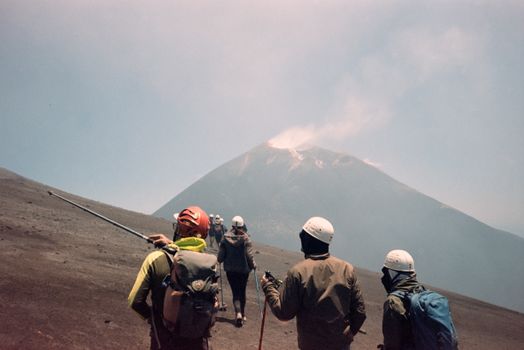
- Always Go with Certified Local Guides: This is non-negotiable for active volcanoes. Local guides know the terrain, the volcano's current mood, and emergency protocols. They speak the language, understand the local alerts, and can adapt plans on the fly. Don't cheap out on this!
- Check Local Alerts & Activity Levels: Before and during your trip, stay informed. Websites of national geological surveys or park authorities are your best friends. Volcanic activity can change rapidly.
- Gear Up Appropriately:
- Sturdy Hiking Boots: With good ankle support and grip.
- Layers: Temperatures can vary wildly from base to summit, and from day to night.
- Water: Plenty of it. Dehydration is a real risk.
- Headlamp: Essential for pre-dawn or night hikes.
- Dust Mask/Bandana: For ash and sulfur fumes, especially near craters.
- Sun Protection: Hat, sunglasses, high-SPF sunscreen.
- First-Aid Kit: Basic essentials.
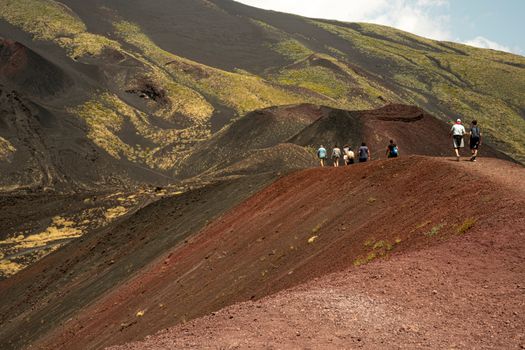
- Respect the Boundaries: Stay on marked paths. Do not approach restricted areas, even if they look "safe." Signs and guide instructions are there for a reason.
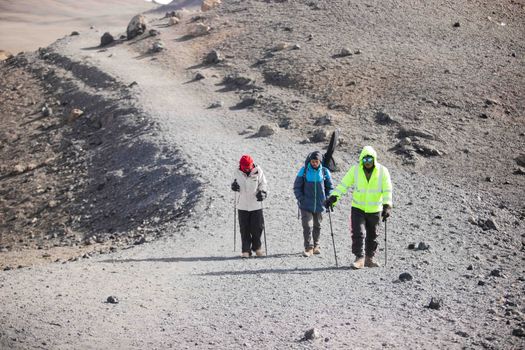
- Listen to Your Body: Volcanic hikes can be strenuous, often at altitude. Be honest about your fitness level and don't push yourself unnecessarily.
- Leave No Trace: Pack out everything you pack in. Do not disturb the flora or fauna. These are fragile ecosystems.
I'll never forget a hike up Mount Pacaya in Guatemala. Our guide, a seasoned local named Miguel, kept a constant eye on the wind direction and the subtle changes in the ground beneath our feet. At one point, he subtly redirected us, explaining that a new vent had opened up overnight, releasing more concentrated gases. Without his expertise, we might have unknowingly walked into an uncomfortable, if not dangerous, situation. That day, Miguel didn't just lead a hike; he ensured our safety and deepened our appreciation for the volcano's dynamic nature.
Hidden Gems: My Top Picks for Safe & Spectacular Volcano Adventures
Now for the fun part! These are my personal recommendations for volcano experiences that deliver maximum awe with minimum risk, perfect for the adventurous traveler looking to explore before the masses arrive.
1. Stromboli, Italy: The Mediterranean's Fiery Lighthouse
- What it is: One of the most active volcanoes in the world, Stromboli has been in near-constant eruption for over 2,000 years, earning it the nickname "Lighthouse of the Mediterranean." Its activity is typically effusive (lava flows) and mildly explosive, characterized by regular, small bursts of incandescent material from its summit craters.
- The Experience: The magic of Stromboli truly comes alive at night. Guided treks typically start in the late afternoon, allowing you to hike up the slopes as the sun sets, painting the Aeolian Islands in golden hues. Reaching the viewing platforms (at around 400m for safety) as darkness falls, you'll witness Stromboli's predictable "Strombolian" eruptions – bursts of molten rock and ash that light up the night sky. It's a mesmerizing, rhythmic display that feels like watching the Earth breathe.
- Logistics: The island of Stromboli is accessible by ferry from Sicily (Milazzo) or the other Aeolian Islands. You must go with a certified guide for summit hikes. Reputable operators like Magmatrek or Stromboli Adventures offer daily tours.
- Approx. Cost: Guided hike €30-€40 per person (excluding ferry).
- Tripsora Tip: Book your guide in advance, especially during peak season. Wear sturdy shoes you don't mind getting dusty, and bring a warm layer for the evening chill at altitude. The sound of the eruptions, a deep, guttural rumble, is as captivating as the sight!
2. Mount Bromo, Indonesia: Otherworldly Sunrise over a Sea of Sand
- What it is: Part of the Tengger massif in East Java, Mount Bromo is an active volcano renowned for its stunning, almost lunar landscape. It sits within a vast caldera, surrounded by other volcanic cones, creating a truly epic panorama.
- The Experience: This is an early bird's delight. You'll typically start before dawn with a jeep safari across the "Sea of Sand" – a vast, ash-covered plain – to a viewpoint on Mount Penanjakan. From there, you'll witness one of the most breathtaking sunrises imaginable as the light slowly illuminates the surreal landscape, revealing Mount Bromo, Mount Batok, and the distant Mount Semeru, often with plumes of smoke rising from their craters. Afterward, the jeep takes you to the base of Bromo, where you can hike up a flight of steps to its crater rim, peering into its sulfuric, churning heart.
- Logistics: Most travelers base themselves in Cemoro Lawang, the closest village, or nearby Probolinggo. Tours can be arranged from Surabaya or Malang. While you can technically visit Bromo without a guide for the main path, a jeep tour is highly recommended for the sunrise experience and crossing the Sea of Sand efficiently.
- Approx. Cost: Jeep tour (shared) 250,000-350,000 IDR per person, National Park entrance fee 220,000-320,000 IDR (weekdays/weekends).
- Tripsora Tip: It gets incredibly cold at the sunrise viewpoint, so layer up! Bring a mask for the sulfur fumes at the crater, and be prepared for crowds at the most popular viewpoints during peak season. The view is worth every early alarm!
3. Pacaya, Guatemala: Roast Marshmallows on Active Lava Flows
- What it is: One of Guatemala's most active volcanoes, Pacaya is renowned for its relatively gentle, accessible lava flows. While its activity varies, it frequently offers opportunities to get up close (safely!) to the Earth's molten surface.
- The Experience: A moderate 1.5-2 hour hike takes you through forest and then across old lava fields, gradually ascending to an area where you can feel the heat radiating from the ground. If conditions are right (and they often are), your guide will lead you to slow-moving lava rivers or hot spots where you can literally roast marshmallows or cook hot dogs over the volcanic heat. The views of nearby volcanoes, Agua, Fuego (often erupting in the distance!), and Acatenango, are spectacular.
- Logistics: Pacaya is an easy day trip from Antigua. Numerous tour operators in Antigua offer daily departures, including transport and a local guide. Park entry fees are usually separate.
- Approx. Cost: Tour (transport + guide) ~$20-$30 USD, Park entrance fee Q100 (approx $13 USD).
- Tripsora Tip: Wear sturdy shoes – the lava fields are uneven and sharp. Bring water and snacks. The marshmallow roasting is a highlight, so grab a stick from your guide! It's an incredibly tangible experience of volcanic power.
4. Furnas, Azores, Portugal: Geothermal Culinary Delights & Hot Springs
- What it is: While not a "lava-spewing" experience, Furnas on São Miguel Island is a testament to the Azores' volcanic origins. It's a caldera lake surrounded by active fumaroles (steam vents), bubbling mud pots, and natural hot springs. It offers a gentler, yet equally fascinating, encounter with geothermal activity.
- The Experience: Witnessing the famous "Cozido das Furnas" being unearthed is a unique sight. This traditional Portuguese stew is cooked for hours in pots buried in the hot volcanic earth. You can explore the fumaroles, marvel at the bubbling mud, and then relax and rejuvenate in the iron-rich thermal waters of Terra Nostra Park or the Poça da Dona Beija hot springs. The beautiful botanical gardens surrounding the springs add another layer of charm.
- Logistics: Furnas is easily accessible by car or public transport from Ponta Delgada, São Miguel's capital. Many tour companies offer day trips.
- Approx. Cost: Cozido lunch (price varies by restaurant, often part of a tour), Terra Nostra Park entrance ~€8, Poça da Dona Beija ~€8.
- Tripsora Tip: Be prepared for the distinct sulfuric smell, especially around the fumaroles. The hot springs can stain light-colored swimsuits due to the iron content, so bring an old one! It's a wonderfully relaxing way to experience the Earth's inner heat.
5. Erta Ale, Ethiopia: The Danakil Depression's Fiery Jewel (For the Truly Adventurous)
- What it is: Erta Ale, meaning "smoking mountain" in the local Afar language, is one of the world's few continuously active volcanoes with a permanent lava lake. It's located in the scorching Danakil Depression, one of the hottest and lowest places on Earth.
- The Experience: This is an expedition, not a day trip. Typically a 3-4 day journey from Mekele, you'll travel by 4x4 across vast salt flats and desert landscapes. The hike to the crater rim is done at night to avoid the extreme daytime heat, leading you to the mesmerizing sight of the lava lake. Witnessing the churning, bubbling, and occasional fountaining of liquid magma up close is an otherworldly, unforgettable experience. You'll sleep under the stars near the rim.
- Logistics: Due to its remote location and geopolitical sensitivities, visiting Erta Ale requires a highly organized and secure tour package. This includes armed guards, experienced local guides, drivers, and all logistics (food, water, camping gear). Do not attempt this independently. Reputable operators like Ethio Travel and Tours or ETT are essential.
- Approx. Cost: This is the most expensive option, often ranging from $800-$1500+ USD for a multi-day group tour.
- Tripsora Tip: This is for experienced adventurers who understand and accept the inherent risks of travel in a remote and occasionally unstable region. Research your tour operator meticulously. The heat is extreme, so pack light, breathable clothing, and stay hydrated. The visual spectacle is unparalleled, but it demands respect and careful planning.
Capturing the Moment: Instagram-Worthy Volcano Shots (Safely!)
Volcanoes offer incredible photographic opportunities, but remember: no shot is worth compromising your safety.
- Golden Hour Magic: Sunrise and sunset provide the best light, softening harsh landscapes and creating dramatic silhouettes.
- Night Photography: For lava viewing, a tripod is essential. Use a wide aperture (low f-number) and a longer exposure (e.g., 5-30 seconds, experiment!) to capture the glow.
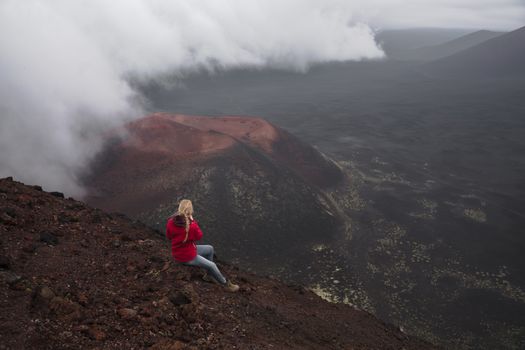
- Scale and Perspective: Include people in your shots (from a safe distance!) to convey the immense scale of the volcanic landscapes.
- Drone Shots (Permitted Areas Only!): If you have a drone and it's allowed, you can capture incredible aerial perspectives. Always check local regulations first.
- Detail Shots: Don't just focus on the big picture. Capture the textures of cooled lava, the steam from a fumarole, or the unique flora that thrives in volcanic soil.
- Hashtags: #VolcanoAdventures #TripsoraVolcanoes #EarthsPower #LavaLife #VolcanoTrekking #UnforgettableJourneys #AdventureBeforeCrowds
Beyond the Lava: The Broader Volcanic Experience
Volcanoes aren't just about fiery eruptions. They shape entire ecosystems and cultures. Think about:
- Geothermal Spas & Hot Springs: Like those in the Azores, Iceland, or Japan, offering relaxation and therapeutic benefits.
- Unique Flora & Fauna: Volcanic soils are incredibly fertile, leading to unique biodiversity.
- Volcanic Wines: Grapes grown in volcanic soil, like on Santorini or Sicily, produce distinct, mineral-rich wines.
- Caldera Lakes: Often stunningly beautiful, like Lake Toba in Indonesia or Crater Lake in Oregon.
- Cultural Significance: Many indigenous cultures have deep spiritual connections to volcanoes, viewing them as sacred mountains or homes of deities.
My journey to explore Earth's fiery heart has been nothing short of transformative. From the rhythmic pulse of Stromboli to the surreal sunrise over Bromo, each volcano has offered a unique lesson in power, resilience, and beauty. These aren't just landscapes; they're living monuments to our planet's incredible dynamism.
So, are you ready to trade your mundane routine for a truly epic adventure? Are you prepared to feel the rumble, witness the glow, and breathe the sulfuric air of a world being constantly reborn? These safe, spectacular volcano tours are waiting for you, offering a chance to connect with our planet on a profound level, long before they become just another item on everyone else's bucket list.
Which volcano will ignite your wanderlust? Start planning your fiery adventure today, and tell us where you're headed!
---
More pictures

Tags
Share this guide
We may earn a commission if you click a link and buy a product or service, at no extra cost to you. How affiliate links work.
Been there?