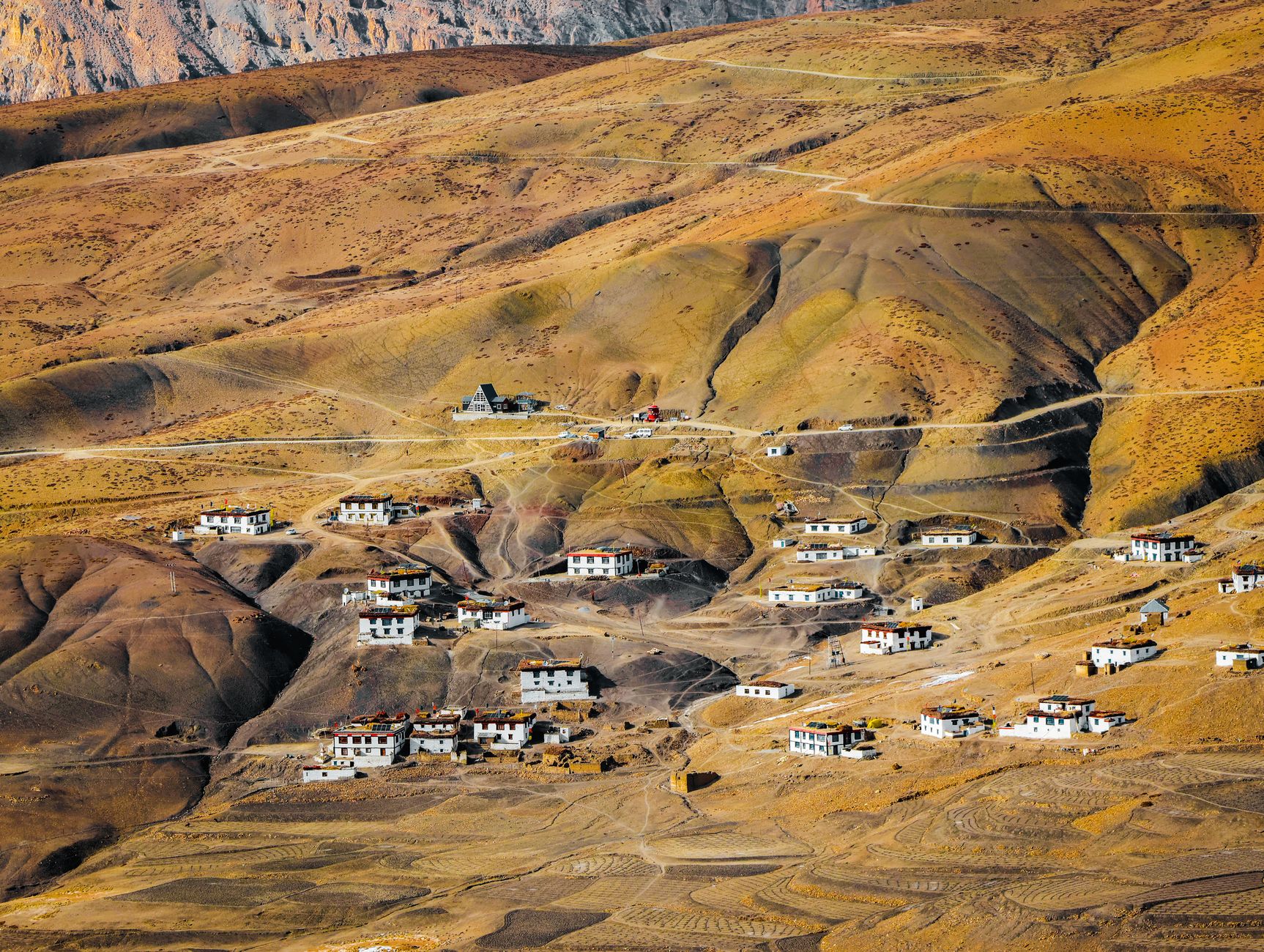
Tired of seeing the same curated perfection on your feed? We’re pulling back the curtain on the world’s most enchanting, untouched villages – places where time genuinely seems to have stopped a century ago. Prepare to discover true authenticity, rich traditions, and a travel experience Instagram influencers don't want you to know. ---
The Algorithm's Blind Spot: Uncovering the World's Timeless Villages
I remember staring at my laptop screen, the glow reflecting a familiar frustration. Another perfectly posed shot of a 'secluded beach' overflowing with tourists just out of frame. Another influencer, another sponsored post, another destination reduced to a backdrop for a selfie. I’d been there, done that, and honestly, I was burnt out. My passion for travel, for discovery, was starting to feel… commercialized.
That’s when I decided to go rogue. To stop chasing the trending hashtags and start searching for the places the algorithms simply couldn’t compute. Places where Wi-Fi was a myth, where the rhythm of life beat to an ancient drum, and where the most precious commodity wasn't likes, but genuine human connection. I wanted to find villages where time truly stopped 100 years ago, places so authentic, so untouched, that the very idea of an Instagram influencer felt like an alien concept.
And I found them. Oh, did I find them.
Forget the perfectly filtered sunsets and the 'hidden gems' that are anything but. This isn't about finding a new backdrop for your OOTD. This is about peeling back the layers of modernity, stepping into a living history book, and experiencing travel as it was meant to be: raw, real, and utterly transformative.
Are you ready to truly disconnect and rediscover the magic of the world?
The Allure of Unfiltered Authenticity: Why These Villages Matter
In an age of hyper-connectivity and instant gratification, the concept of a place where time stands still feels almost mythical. Yet, these villages exist, tucked away in mountain ranges, cradled by ancient valleys, or clinging to remote coastlines. They are sanctuaries of tradition, where generations have lived by the same rhythms, preserving crafts, languages, and ways of life that have largely vanished elsewhere.
What makes these places so special? It’s the absence of the familiar. No Starbucks, no fast food, often no paved roads, and sometimes, not even reliable electricity. Instead, you'll find:
- Genuine Local Life: Observe daily routines unchanged for centuries – farmers tending fields with traditional tools, women weaving intricate textiles, children playing games passed down through generations.
- Deep-Rooted Culture: Experience festivals, rituals, and music that tell stories of a people deeply connected to their land and heritage.
- Unparalleled Hospitality: In communities where visitors are rare, you're often welcomed not as a tourist, but as a guest, invited to share meals and stories.
- Digital Detox by Default: The lack of connectivity forces you to put down your phone and truly engage with your surroundings and the people in them. It's the ultimate reset button for your soul.
- Breathtaking, Unspoiled Landscapes: These villages have remained untouched precisely because they are remote, nestled in areas of incredible natural beauty that haven't been marred by mass tourism.
This isn't just travel; it's an education. It's a chance to see the world through a different lens, to understand humanity beyond the urban sprawl, and to remember what truly matters.
---
Mani's Stone Heartbeat: Vathia, Greece
My first foray into this world of forgotten villages took me to the rugged, sun-baked landscape of the Mani Peninsula in Greece. While many flock to the islands, the Mani remains a wild, untamed corner of the Peloponnese, famous for its austere beauty and defiant history. And within it, perched precariously on a hill overlooking the turquoise sea, lies Vathia.
Getting There: This isn't a place you casually stumble upon. From Athens, it's a scenic 4-5 hour drive south to Areopoli, the gateway to Mani. From there, the roads get narrower, winding through olive groves and past ancient tower houses. Vathia itself is about an hour further south, accessible by car. I recommend renting a sturdy vehicle, as some roads are unpaved or less maintained. Public transport is virtually non-existent for the final leg.
What to Expect: As you approach Vathia, it looks like a ghost town. A cluster of imposing, grey stone tower houses, built for defense during centuries of feuds, stand silent against the sky. Most are abandoned, crumbling gracefully, but a handful have been lovingly restored. There are no shops, no cafes, no tourist infrastructure. The only sounds are the wind, the occasional bleating of a goat, and the distant crash of waves.
I stayed in one of the restored tower houses, now operating as a small guesthouse (prices around €80-120 per night depending on the season, usually booked through local Greek agencies or smaller booking sites). My room had thick stone walls, a tiny window overlooking the sea, and a profound sense of peace. The closest place for a meal was a taverna in a tiny fishing village called Porto Kagio, about a 15-minute drive down the hill. They served the freshest grilled octopus I’d ever tasted, accompanied by local wine, for about €15-20 per person.
My Anecdote: One evening, as the sun dipped below the horizon, painting the sky in fiery oranges and purples, I found myself sitting on a stone wall, utterly alone. A wizened old man, the only permanent resident I saw in the village during my stay, shuffled past. He stopped, offered a toothless smile, and simply pointed to the sunset, then to his heart. No words, just a shared moment of awe. It was a reminder that some experiences transcend language and likes.
Why it's untouched: The Maniotes are fiercely independent and have historically resisted outside influence. The harsh landscape and challenging access have also kept mass tourism at bay.
---
Echoes in the Northern Hills: Bản Phùng, Vietnam
After the stark beauty of Greece, I craved lush green and vibrant culture. My journey led me to the remote reaches of Northern Vietnam, far beyond the well-trodden paths of Sapa. My destination: Bản Phùng, a village nestled deep in the Hoàng Su Phì district, known for its breathtaking terraced rice fields and the unique culture of the La Chí ethnic minority.
Getting There: This is an adventure in itself. From Hanoi, I took an overnight sleeper bus to Hà Giang city (around $15-20 USD). From Hà Giang, it's a full day's journey by motorbike or private car (renting a motorbike costs about $10/day, a private car with driver around $60-80/day) along winding, often unpaved mountain roads to Hoàng Su Phì, and then even deeper into the hills to Bản Phùng. Be prepared for stunning views, challenging terrain, and frequent stops for photos. This is not for the faint of heart, but the reward is immense.
What to Expect: Bản Phùng is a mosaic of emerald green and golden yellow, depending on the season. The rice terraces here are among the most magnificent in Vietnam, cascading down mountainsides like giant staircases. Life revolves around agriculture, with buffaloes ploughing fields and villagers tending their crops. The La Chí people are incredibly welcoming, and homestays are the primary form of accommodation (typically $10-15 USD per person per night, including dinner and breakfast).
I stayed with a family whose stilt house overlooked the terraces. My room was simple, with a mosquito net and a thin mattress on the floor, but the hospitality was boundless. Dinners were communal affairs – steaming bowls of rice, fresh vegetables, and local pork, all washed down with potent rice wine. I learned a few basic Vietnamese phrases, which went a long way in breaking the ice.
My Anecdote: One morning, I woke before dawn to the sound of roosters and the subtle hum of the village coming to life. I watched as the family patriarch, a man with a face etched by sun and wisdom, led his buffalo to the fields, a silhouette against the rising sun. Later, his wife showed me how to hull rice by hand, a rhythmic, meditative process. It was a powerful reminder of the dignity of labor and the deep connection these people have to their land. I tried to take a photo, but she gently shook her head, smiling, and offered me a cup of tea instead. The moment was for me, not for my lens.
Why it's untouched: Its extreme remoteness and difficult access have protected Bản Phùng from mass tourism. The focus here is on sustainable, community-based tourism, ensuring that visitors contribute directly to the local economy.
---
Andean Whispers: The Weavers of Chinchero Alto, Peru
My next journey took me high into the Peruvian Andes, to a place where ancient traditions are not just preserved but lived daily. While many tourists flock to Cusco and the Sacred Valley, few venture beyond the main attractions to places like Chinchero Alto, a smaller, less-visited community above the more accessible Chinchero town, where the art of traditional weaving thrives.
Getting There: From Cusco, you can take a local colectivo (shared van) to Chinchero town (around S/5-7 soles, $1.50-2 USD). From there, instead of staying on the main road, you'll need to arrange a taxi or, better yet, ask your guesthouse host to guide you to one of the higher, more traditional communities like Chinchero Alto. It’s about a 15-20 minute drive up a bumpy, unpaved road. Negotiate the taxi fare beforehand (expect S/15-20 soles, $4-6 USD).
What to Expect: Chinchero Alto sits at a breathtaking altitude of over 3,700 meters (12,000 feet), so acclimatization is key. The air is crisp, and the views of the surrounding mountains are spectacular. The village is known for its expert weavers, mostly women, who use age-old techniques to create vibrant textiles from alpaca and sheep wool. You’ll see them spinning, dyeing with natural plant-based colors, and weaving on backstrap looms, just as their ancestors did.
Accommodation is typically in basic homestays or small, family-run guesthouses (around S/30-50 soles, $8-15 USD per night, often including breakfast). Food is simple but hearty: quinoa soup, potatoes (Peru has thousands of varieties!), and vegetables, often cooked over an open fire. I paid about S/10-15 soles ($3-4 USD) for a delicious, home-cooked lunch.
My Anecdote: I spent an afternoon with a group of women, watching their nimble fingers transform raw wool into intricate patterns. One woman, with a kind, weathered face, patiently demonstrated each step. She didn’t speak much Spanish, and my Quechua was non-existent, but her eyes conveyed a deep pride in her craft. I bought a small, hand-woven bracelet directly from her (for S/20 soles, $5 USD), knowing the money went straight to her and her family. It felt like acquiring a piece of living history, far more valuable than any mass-produced souvenir.
Why it's untouched: While Chinchero town sees a fair amount of tourist traffic for its Sunday market, the higher communities like Chinchero Alto are often overlooked. The focus here is on preserving cultural heritage through direct interaction and ethical craft sales, rather than catering to large tour groups.
---
Atlas Mountains' Ancient Soul: Aït Bouguemez Valley, Morocco
My final stop on this journey into the past took me to the majestic High Atlas Mountains of Morocco, to the incredibly fertile and breathtaking Aït Bouguemez Valley, often called "Happy Valley." This remote valley is home to numerous traditional Berber villages, where life moves at a pace dictated by the seasons and ancient traditions.
Getting There: From Marrakech, it's a stunning but long (5-6 hour) drive by grand taxi or private transfer to Azilal, and then further into the mountains to the valley. I hired a private driver for the journey (around €100-150 for a round trip over a few days, negotiable). The roads are mostly paved but winding, offering incredible views. Public transport is limited, making it harder for casual tourists to reach.
What to Expect: The Aït Bouguemez Valley is a verdant oasis, a stark contrast to the red earth and arid landscapes often associated with Morocco. Mud-brick and stone villages cling to the hillsides, surrounded by terraced fields of barley, apple orchards, and walnut trees. Life here is communal and deeply connected to the land. You'll see donkeys laden with goods, women baking bread in communal ovens, and children playing in the narrow alleys.
Accommodation is primarily in guesthouses (gîtes d'étape) run by local Berber families (expect €25-40 per person per night, including generous home-cooked breakfast and dinner). I stayed in a simple, but comfortable gîte in the village of Tabant, the valley's main hub, which felt more like a large family home. Dinners were a feast of tagine, couscous, and fresh bread. Lunch, often a simple salad or omelet, cost about €5-7.
My Anecdote: One afternoon, I set out for a hike to the granary of Sidi Moussa, a 13th-century fortified structure perched atop a hill, offering panoramic views of the entire valley. On my way back, I passed a group of women harvesting walnuts. They gestured for me to join them. We sat under a sprawling walnut tree, cracking nuts and sharing stories (with a bit of broken French and hand gestures). They offered me mint tea from a thermos and a handful of fresh dates. It was a moment of pure, unscripted connection, far more enriching than any guided tour.
Why it's untouched: The Aït Bouguemez Valley's remote location, high in the Atlas Mountains, has protected it from mass tourism. The focus here is on trekking and cultural immersion, supported by local guides and guesthouses who are deeply invested in preserving their heritage.
---
The Unwritten Rules: How to Travel Responsibly in Timeless Villages
Visiting these extraordinary places comes with a responsibility. These aren't theme parks; they are living, breathing communities. Your actions have an impact.
- Respect Local Customs & Dress Codes: Research before you go. Modest dress is usually appreciated, especially in religious or traditional settings. Always ask before taking photos of people.
- Learn Basic Phrases: A simple "hello," "thank you," and "please" in the local language goes a long, long way. It shows respect and opens doors to genuine interactions.
- Support the Local Economy Directly: Buy crafts directly from artisans. Stay in locally-owned guesthouses. Eat at family-run eateries. This ensures your money benefits the community, not outside corporations.
- Go Slow & Be Present: Resist the urge to rush. Embrace the slower pace of life. Put your phone away and truly observe, listen, and engage.
- Ask Permission: Before entering someone's home, taking a photo, or even picking a flower, always ask. A gesture and a smile often suffice.
- Pack Out What You Pack In: Leave no trace. Be mindful of your waste, especially in areas with limited infrastructure for trash disposal.
- Be Prepared for Discomfort: Running water, electricity, and internet might be intermittent or non-existent. Embrace it as part of the authentic experience. Bring cash, a power bank, and a sense of adventure.
- Hire Local Guides: If you need a guide for trekking or cultural insights, hire someone from the village. They know the area best and your money directly supports their family.
---
Beyond the Filters: Capturing the Spirit (Not Just the Shot)
The irony isn't lost on me: I'm writing about places influencers don't want you to know, yet I'm also encouraging you to capture the magic. The difference lies in intention.
- Prioritize Experience Over Photography: Your primary goal should be to experience the village, not just to get a "shot." Sometimes, the most profound moments are those you don't capture with a camera, but with your heart.
- Ethical Photography: Always ask for permission before taking someone's photo, especially children. A simple gesture, a smile, or a few words can make all the difference. If they decline, respect their wishes. Never pay for a photo, as it can create a transactional dynamic that harms authentic interaction.
- Focus on the Details: Instead of sweeping panoramas (though those are great too!), look for the small, intimate details: a weathered hand weaving, a child's curious gaze, the intricate patterns on a doorway, the texture of an ancient wall. These tell a deeper story.
- Share Responsibly: When you do share, share with context. Talk about the people, their traditions, the challenges they face, and how others can visit respectfully. Use your platform to educate and inspire, not just to show off. Use hashtags like #TripsoraAuthentic #TimeStoppedVillages #BeyondTheFeed.
- The True 'Instagram-Worthy' Moment: It's not the perfectly filtered selfie; it's the feeling of connection, the taste of a home-cooked meal, the sound of ancient music, the profound peace of disconnecting. These are the memories that truly last.
---
Your Adventure Awaits: Disconnect to Reconnect
Stepping into these villages is like stepping back in time, a profound journey that strips away the superficial and connects you to the raw essence of humanity and nature. It’s challenging, sometimes uncomfortable, and always eye-opening. You won't find manicured resorts or endless Wi-Fi, but you will find something far more valuable: authenticity.
So, next time you scroll through your feed, feeling the familiar pang of wanderlust for places that look too perfect to be real, remember these timeless villages. They are waiting for you, not with perfectly staged photo opportunities, but with genuine smiles, rich stories, and a profound sense of peace.
Dare to ditch the digital noise. Dare to venture beyond the filters. Dare to discover the places where time truly stopped 100 years ago, and let them change the way you see the world.
What's your dream 'time-stopped' village? Have you discovered a hidden gem that influencers haven't touched? Share your stories and tips in the comments below! Let's inspire each other to travel deeper, not just wider.
---
More pictures


Tags
Share this guide
We may earn a commission if you click a link and buy a product or service, at no extra cost to you. How affiliate links work.
Been there?