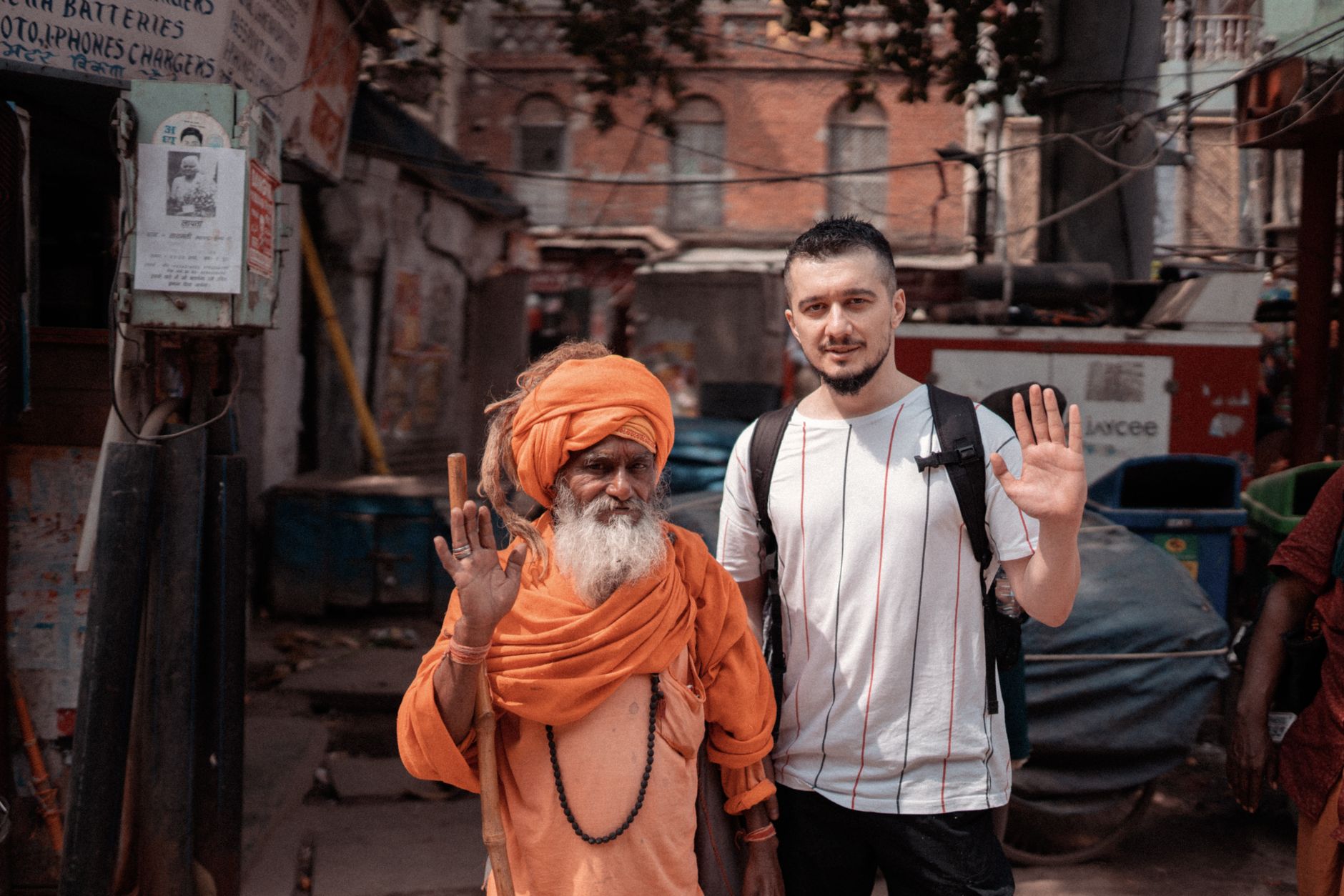
Ever wondered what truly lies beneath the surface of a destination, beyond the curated tours? We're talking about the ancient, sacred rituals that form the beating heart of local communities – experiences so profound, most locals prefer to keep them guarded from the tourist gaze. This isn't about sneaking in; it's about earning your way into moments of raw, unvarnished culture that will forever change how you see the world. ---
Unseen Rituals: Unlocking the World's Most Sacred & Secret Cultural Experiences
The air was thick with the scent of frangipani and incense, the rhythmic chant of a Balinese priest echoing through the humid jungle. I stood ankle-deep in the cool, rushing river, water swirling around my feet, as a local woman gently poured holy water over my head. This wasn't a pre-booked tour or a well-advertised cultural show. This was a Melukat, a Balinese purification ritual, and I was one of only two foreigners present, invited by a new friend I'd met over a shared plate of nasi goreng. It was a moment of profound connection, utterly uncommercialized, and honestly, something I felt privileged to witness. And that's when it hit me: the most transformative travel experiences aren't found on TripAdvisor; they're whispered secrets, guarded by locals who hold the keys to their culture's deepest soul.
For years, I've chased these ethereal encounters – the rituals, ceremonies, and traditions that haven't been packaged for mass consumption. The ones locals cherish, protect, and often, don't want tourists to know about because they fear over-commercialization will dilute their sacred meaning. But here's the thing: with immense respect, genuine curiosity, and the right approach, it is possible to respectfully immerse yourself in these profound cultural tapestries. This isn't about being a voyeur; it's about being an engaged, humble guest, eager to learn and connect on a deeper level.
Are you ready to peel back the layers and discover the world's most authentic, breathtaking, and often hidden spiritual traditions? Let's dive in.
The Call of the Unseen: Why Seek What's Hidden?
In an age of curated Instagram feeds and "top 10 must-sees," the quest for truly authentic travel has become a pilgrimage in itself. We crave experiences that resonate, that challenge our perspectives, and that connect us to humanity in its rawest form. Ancient rituals, often centuries old, offer just that. They are the living embodiment of a culture's beliefs, history, and communal spirit.
But why the secrecy? It's not malice. It's preservation. Imagine your most cherished family tradition suddenly becoming a photo op for strangers. The reverence is lost, the meaning diminished. Locals guard these ceremonies because they are sacred, intimate, and fundamental to their identity. To be invited, or even allowed to respectfully observe, is a privilege that must be earned through trust, humility, and a genuine desire to understand, not just consume.
My first encounter with this "hidden" world was accidental. I was backpacking through rural Vietnam, far from the tourist buses of Ha Long Bay. I found myself in a tiny village, invited to a family gathering. What unfolded was a multi-day ancestral worship ceremony, complete with elaborate altars, offerings, and hauntingly beautiful music. I understood little of the language, but the palpable sense of reverence, community, and connection to the past transcended words. It wasn't something I could have booked; it was a gift of connection. And it taught me that the most profound moments often lie just beyond the well-trodden path.
Bali's Melukat: Cleansing the Soul in Sacred Waters
Bali, the "Island of the Gods," is famous for its vibrant spiritual life. Temples abound, offerings are everywhere, and ceremonies are a daily occurrence. But beneath the surface of the well-known temple tours lies the Melukat, a purification ritual that Balinese Hindus undertake regularly to cleanse their body, mind, and soul of negative energies. While some larger temples offer a version of this for tourists, the truly authentic and deeply personal Melukat experiences happen in smaller, local springs and rivers, often guided by a village priest or pemangku.
My Experience: I was staying in a small guesthouse near Ubud, run by a local family. After several days of sharing meals and conversations, I mentioned my interest in Balinese spiritual practices. The grandmother, a serene woman with a twinkle in her eye, offered to take me to a local spring, not far from their village. Early one morning, before the sun had fully risen, we drove on a scooter down a winding path to a secluded spot where a natural spring fed into a small river. There were only a handful of local families already there, quietly preparing.
Under the guidance of a pemangku, I was instructed to make an offering of flowers and incense, then enter the cool, clear water. The priest chanted ancient mantras, his voice a soothing hum against the rush of the river. He poured holy water over my head, cleansing me from crown to toe, a symbolic washing away of impurities. It felt deeply personal, almost meditative. I wasn't just observing; I was participating in a sacred act alongside the community, connected by the shared intention of purification.
How to Witness (Respectfully):
- Build Relationships: This is key. Stay in local guesthouses, frequent small warungs (local eateries), and engage genuinely with the community. Show respect for their culture.
- Ask a Local: Once you've established trust, gently express your interest in Balinese spiritual traditions. Ask if there are any local ceremonies you might respectfully observe. Avoid asking directly about "secret rituals." Phrase it as "I'm deeply interested in understanding Balinese spiritual life, and if there are any community ceremonies I might respectfully learn from, I would be honored."
- Find a Local Guide/Host: A trusted local who can introduce you to a pemangku or guide you through the process is invaluable. They will ensure you understand the etiquette, dress appropriately (sarong and sash are essential), and make the necessary offerings.
- Expect to Offer a Donation: These are not commercial events. A respectful donation to the priest or temple is customary and appreciated. For my experience, I offered around 100,000 IDR (about $7 USD) to the priest and a small gift to my host family.
- Be Patient and Flexible: Ceremonies happen on their own schedule. Don't rush or demand.
- Location: While specific springs are closely guarded, rural areas around Ubud, Sidemen, and Munduk are more likely to offer these intimate experiences than crowded tourist centers.
Instagram-worthy moment: The serene expression of locals in prayer, the intricate flower offerings floating on the water, the misty jungle light filtering through the trees. But remember, discretion and respect are paramount. Ask permission before taking photos, or better yet, put your phone away and be fully present.
West Africa's Vodun: Beyond the Stereotypes
Forget the Hollywood clichés of voodoo dolls and dark magic. In countries like Benin and Togo, Vodun (often spelled Voodoo) is a deeply complex, ancient, and vibrant religion, the official religion of Benin. It’s a spiritual practice rooted in ancestor veneration, the worship of deities (Orishas), and a profound connection to nature. While there are public festivals, many of the most powerful and authentic ceremonies are held within communities, often in sacred groves or family compounds, far from the tourist gaze.
My Experience: My journey into the heart of Vodun began in Ouidah, Benin, a historical epicenter of the transatlantic slave trade and a spiritual capital for Vodun. I hired a local guide, a soft-spoken man named Jean-Luc, who had deep family roots in the community. Through him, I was introduced to a local "fetish priest" (Vodun priest) named Papa Mawu, a man of immense wisdom and presence.
After several days of respectful interaction, learning about the various Orishas and the philosophy of Vodun, I was invited to a family ceremony in a secluded compound. The air vibrated with the rhythmic drumming, the chanting, and the energy of dozens of participants dressed in vibrant traditional attire. I witnessed offerings made to specific deities, saw people enter trance-like states, and felt the raw, unbridled power of a living, breathing spiritual tradition. It was intense, exhilarating, and utterly mesmerizing – a world away from any preconceived notions I'd held. The sense of community and devotion was overwhelming.
How to Witness (Respectfully):
- Hire a Knowledgeable Local Guide: This is non-negotiable. A guide with genuine connections to Vodun communities is your only way in. They act as your cultural bridge, translator, and advocate. Expect to pay a fair daily rate (e.g., $50-100 USD/day, depending on the region and experience).
- Show Deep Respect: Vodun is often misunderstood and demonized. Approach it with an open mind, humility, and genuine curiosity. Avoid judgment or sensationalism.
- Dress Modestly: Cover your shoulders and knees.
- Bring an Offering: It's customary to bring a small gift for the priest or community, such as kola nuts, gin, or a monetary donation (e.g., 5,000-10,000 CFA, about $8-16 USD). Your guide can advise.
- Ask Permission for Photos: Always, always ask. Some ceremonies or individuals may not wish to be photographed, and their wishes must be respected without question. Often, it's best to put the camera away and simply be present.
- Location: Ouidah, Ganvié, and rural areas around Abomey in Benin, or parts of Togo, are places where Vodun is deeply ingrained.
Instagram-worthy moment: The vibrant colors of traditional dress, the intricate patterns of fetish altars, the powerful energy of drumming and dance. But again, the most powerful images might be the ones you keep in your memory, not on your phone.
Andean Pachamama Despachos: Honoring Mother Earth
High in the Peruvian Andes, among the breathtaking peaks and ancient Incan ruins, the indigenous Quechua people maintain a profound connection to Pachamama (Mother Earth). Their spiritual practices often revolve around reciprocity and gratitude, symbolized by the Despacho ceremony – an elaborate offering to Pachamama, asking for blessings, health, and balance, or expressing thanks. While some tourist-oriented "shamanic" experiences exist, the truly authentic Despacho ceremonies are deeply personal, often performed by local shamans (paqos) for families or small communities, far from the bustling streets of Cusco.
My Experience: After trekking the Salkantay trail to Machu Picchu, I spent an extra week in the Sacred Valley, feeling drawn to the spiritual energy of the mountains. Through a referral from a guesthouse owner, I met an elderly paqo named Don Ricardo, who lived in a small village outside Pisac. He spoke only Quechua and a little Spanish, so a young local woman from the village acted as our translator.
One crisp morning, we hiked up a quiet hillside overlooking the valley. Don Ricardo carefully laid out a colorful cloth, then began arranging an intricate mandala of offerings: coca leaves, seeds, sweets, incense, flowers, and even llama fat – each element imbued with symbolic meaning. He chanted softly, invoking the spirits of the mountains (Apus) and Pachamama. It was a slow, deliberate, and incredibly grounding ceremony. I was invited to place my own intention into a coca leaf, which was then added to the offering bundle. As the sun warmed our faces, the bundle was carefully wrapped and then burned or buried, returning the offering to the earth. The silence, the crisp mountain air, and the deep reverence for nature made it an unforgettable experience of connection.
How to Witness (Respectfully):
- Seek Referrals: Ask reliable local contacts (guesthouse owners, trustworthy guides, small shopkeepers) for recommendations for a respected paqo in the area. Avoid touts in tourist centers.
- Understand the Purpose: These are not performances. They are sincere acts of devotion. Approach with a respectful attitude of learning and participation, not just observation.
- Offer a Fair Contribution: Shamans rely on these contributions for their livelihood. Discuss the appropriate offering with your guide or translator beforehand. It might range from 100-300 Peruvian Soles (approx. $25-80 USD) for a private or small group ceremony, plus any materials for the offering.
- Bring an Offering: It's customary to bring a small gift for the paqo, perhaps some coca leaves, a bottle of water, or fruit.
- Location: The Sacred Valley (Pisac, Ollantaytambo, Urubamba) and rural areas around Cusco are prime locations.
Instagram-worthy moment: The vibrant colors of the despacho offerings against the backdrop of the majestic Andes, the serene expression of the paqo, the smoke rising from the burning offering. Again, prioritize being present over capturing every moment.
The Art of Discovery: How to Find Your Own Sacred Moments
So, how do you find these hidden gems without being intrusive or disrespectful? It's an art, not a science, and it requires patience, humility, and a genuine love for cultural exploration.
- Go Local, Go Slow:
- Stay in Homestays/Local Guesthouses: These are your golden tickets. Living with a local family or in a community-run guesthouse is the fastest way to build trust and gain insights.
- Spend More Time: Don't just breeze through. Staying in a place for a week or more allows you to establish connections, understand the rhythm of local life, and be there when opportunities arise.
- Go Off-Season: Fewer tourists mean more genuine interactions and less commercial pressure.
- Build Genuine Relationships:
- Learn Basic Phrases: A few words in the local language go a long way in showing respect and opening doors.
- Share Meals: Food is a universal connector. Accept invitations to eat, and reciprocate if possible.
- Listen More Than You Speak: Be genuinely curious about their lives, their history, and their beliefs. Don't interrogate; engage in conversation.
- Be Patient: Trust takes time to build. Don't expect immediate invitations to sacred ceremonies.
- Hire Local, Ethical Guides:
- Beyond the Tour Companies: Look for independent guides who are from the community itself, not just those employed by large agencies. Ask for recommendations from your guesthouse or trusted locals.
- Clarify Intent: Explain your desire for authentic, respectful cultural immersion. A good guide will understand and help facilitate.
- Pay Fairly: Don't haggle aggressively. These guides are your bridge to experiences money can't buy.
- Do Your Homework (Respectfully):
- Research Local Beliefs: Understand the basics of the dominant religion or spiritual practices before you go. This shows respect and helps you understand what you might encounter.
- Read Beyond Travel Guides: Seek out ethnographies, historical accounts, and local literature.
- Google with Caution: If you find mentions of "secret rituals" online, approach with extreme skepticism. True secrets aren't usually plastered on public forums.
- Be Open to Serendipity:
- Sometimes, these moments just happen. Be present, keep your eyes and heart open, and be ready to accept an unexpected invitation. My Vietnamese ancestral ceremony was purely serendipitous.
The Unwritten Rules: Etiquette for the Engaged Traveler
Witnessing a sacred ritual is a privilege, not a right. Your behavior directly impacts whether these experiences remain accessible and authentic for future generations.
- Respect Above All Else: This is the golden rule. Respect the beliefs, the people, the space, and the traditions.
- Dress Modestly: Always. This means covering shoulders, knees, and sometimes even your head, depending on the culture. Ask your guide or host for specific requirements.
- Ask Permission for Photography (Every Time): Never assume. If granted permission, be discreet, don't use flash, and avoid interrupting the ceremony. If denied, accept it gracefully and put your camera away. Often, the most meaningful moments are best experienced without the lens of a camera.
- Don't Interrupt or Draw Attention: Be a quiet observer. Avoid talking loudly, making sudden movements, or doing anything that would disrupt the solemnity of the event.
- Follow Instructions: If you're invited to participate, listen carefully to your guide or the ceremony leader and follow their directions precisely. If you're unsure, observe others or ask your guide quietly.
- Offer a Donation/Gift: It's almost always appropriate to offer a respectful donation or a small, culturally appropriate gift to the community, the priest, or the host. Your guide can advise on the amount and type.
- Be Mindful of Your Energy: Approach with a calm, humble, and open heart. Your presence should be one of reverence, not curiosity for curiosity's sake.
- Keep Sensitive Information Private: If a local shares something deeply personal or a location that is intentionally kept secret, honor that trust. Don't broadcast it on social media with exact coordinates. Share the experience, not the precise details that could lead to over-tourism.
Your Journey Awaits: Beyond the Postcard
The world is brimming with incredible, untold stories and sacred practices that exist just beyond the tourist bubble. To seek them out is to embark on a journey of profound discovery – not just of a new culture, but of yourself. These aren't just "things to see"; they are living connections to humanity's ancient past, powerful reminders of our shared spiritual heritage.
By approaching these experiences with humility, respect, and a genuine desire to connect, you'll not only witness something truly extraordinary but also contribute to the preservation of these precious traditions. You'll return home not just with souvenirs, but with stories etched into your soul, a deeper understanding of the world, and a profound appreciation for the magic that still thrives in its hidden corners.
So, are you ready to step off the well-worn path and embark on a journey that will truly transform your perspective? The world's secret heart awaits.
Share your thoughts! Have you ever stumbled upon a truly authentic, uncommercialized ritual or ceremony during your travels? Tell us about it in the comments below! And if this post inspired you, share it with your fellow curious travelers!
---
More pictures

Tags
Share this guide
We may earn a commission if you click a link and buy a product or service, at no extra cost to you. How affiliate links work.
Been there?