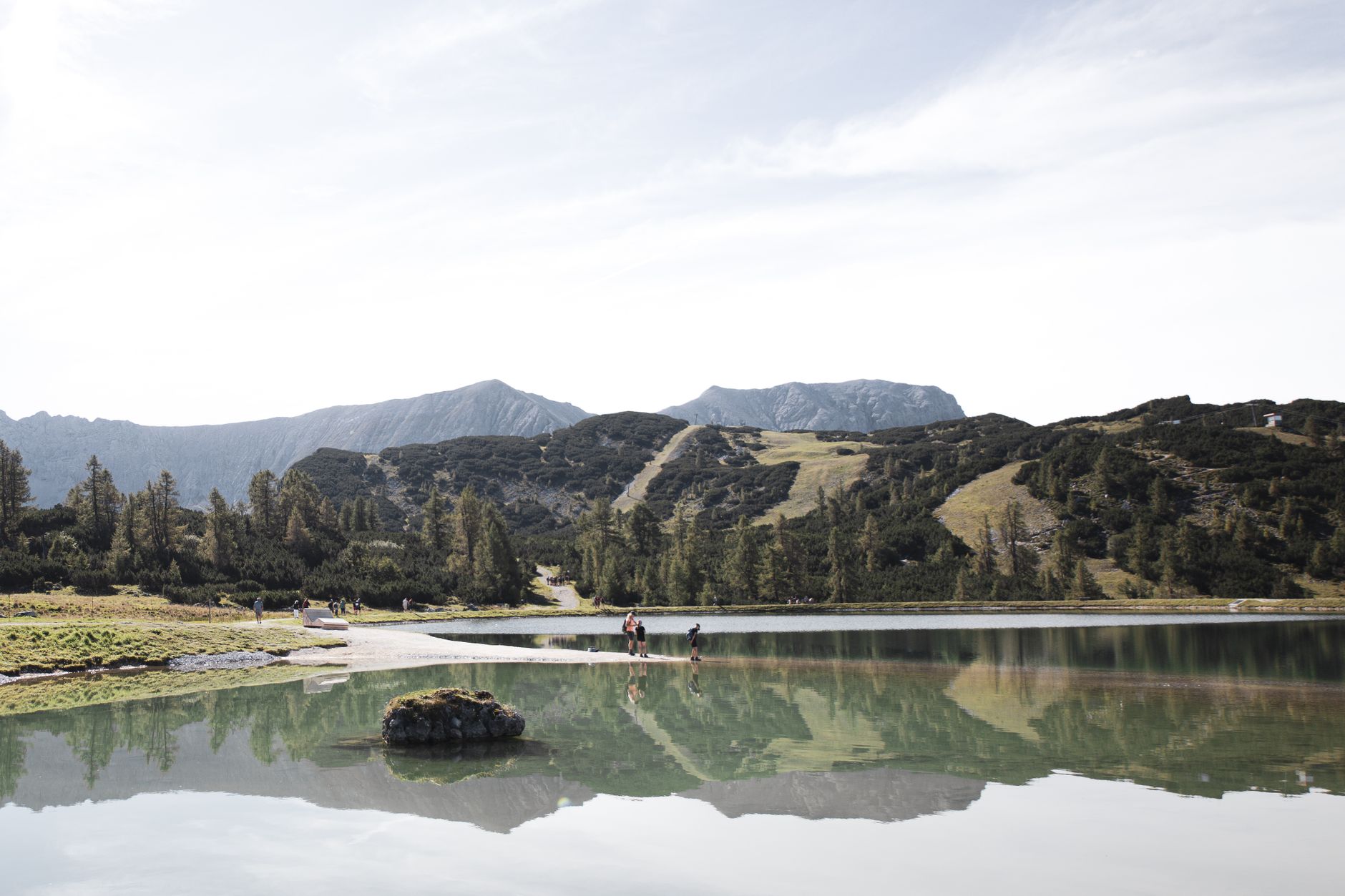
Tired of the relentless pace of modern life? Imagine stepping into a world where the clock stopped a century ago, a place where ancient traditions, simple living, and breathtaking landscapes still define daily existence. Join us for a journey to these extraordinary villages in October 2025, where time truly stands still. ---
The incessant hum of notifications, the never-ending scroll, the pressure to always be "on" – sometimes, don't you just yearn for a pause button? A real, tangible escape from the relentless march of progress? I certainly do. Just last month, after a particularly grueling week of deadlines and digital overload, I found myself staring blankly at my laptop screen, a half-written blog post about the latest tech-infused travel gadgets feeling utterly soulless. What I truly craved wasn't faster Wi-Fi or AI-powered recommendations; it was silence. It was authenticity. It was a world where time, for just a moment, truly stood still.
That's when the idea sparked: what if we could find places where life still hums to the rhythm of a century ago? Not a theme park, not a historical reenactment, but living, breathing communities where traditions have held firm against the tide of modernity. And what better time to explore these pockets of enduring heritage than in October 2025, when the autumn air brings crisp comfort, harvest festivals paint the landscape, and the crowds of summer have long dissipated?
Forget the future for a moment. Let's talk about the past. Not a past locked in museums, but one you can touch, taste, and experience. These aren't just villages; they're living postcards, vibrant testaments to resilience and the beauty of a simpler existence. They're places where the "100 years ago" isn't a precise historical marker, but a feeling – a profound sense that here, the world hasn't quite caught up, and that's precisely their magic.
Join me as we chart a course for October 2025, to four incredible regions across the globe where you can truly disconnect, breathe deep, and discover the profound beauty of a life lived at a different pace.
1. The Enchanted Forests of Maramureș, Romania: Where Wood Whispers Tales
Imagine a place where horse-drawn carts are a common mode of transport, where nearly every home is a masterpiece of carved wood, and where ancient wooden churches with towering spires pierce the sky. Welcome to Maramureș, a region in northern Romania that feels less like a destination and more like a journey back in time. For me, the first glimpse of a village like Breb, nestled in a valley, smoke curling from chimneys, felt like stepping into a forgotten fairytale.
The people of Maramureș, known as Maramureșeni, are fiercely proud of their heritage, and they live it daily. Their traditional costumes aren't just for festivals; you'll see women in embroidered blouses and men in felt hats going about their chores. The famous wooden gates, intricately carved with symbols of prosperity and protection, stand guard at every homestead, each telling a silent story.
My Anecdote: I remember staying at a guesthouse in Sârbi, a family-run affair where "modern" conveniences were minimal but the warmth was boundless. My host, a kindly woman named Elena, insisted I help her prepare a traditional mămăligă (polenta) and sarmale (cabbage rolls) dinner over a wood-fired stove. We communicated mostly through gestures and smiles, but the connection was profound. That evening, sitting by the crackling fire, listening to her husband play a traditional flute, I felt a peace I hadn't known in years. It wasn't just a meal; it was an immersion.
Why October 2025: Autumn in Maramureș is spectacular. The rolling hills burst into fiery reds, oranges, and golds, providing a stunning backdrop to the dark wooden houses and churches. It's also harvest season, meaning you might witness locals bringing in crops, distilling horincă (plum brandy), or preparing for winter, offering a genuine glimpse into their agrarian lifestyle. The air is crisp, perfect for exploring on foot or by bicycle.
Practicalities for Your Trip:
- Getting There: The easiest way is to fly into Cluj-Napoca (CLJ) or Satu Mare (SUJ) and rent a car. A car is highly recommended for exploring the scattered villages. Public transport is sparse and slow.
- Best Villages to Visit: Breb, Sârbi, Bârsana (for its stunning monastery), Desești (UNESCO church), Ieud.
- Accommodation: Stay in traditional guesthouses (pensiune). Expect basic but clean rooms, incredible home-cooked meals, and unparalleled hospitality. Prices range from €30-€60 per night, including breakfast.
- Don't Miss: Visiting a working water mill, attending a Sunday service at a wooden church, tasting local horincă, and simply walking through the villages, observing daily life.
- Cost: Maramureș is incredibly affordable. Expect to spend €50-€100 per day, including accommodation, food, and activities.
2. The Sun-Drenched Alpujarras, Spain: Moorish Echoes in White
High in the foothills of Spain's Sierra Nevada, just south of Granada, lies a region known as Las Alpujarras. This collection of whitewashed villages, clinging precariously to steep mountain slopes, feels like a relic of a bygone era. Their unique architecture, with flat roofs and narrow, winding streets, is a direct legacy of their Moorish past, resisting the passage of time for centuries. Here, the rhythm of life is dictated by the sun and the seasons, not by clocks.
The air is fragrant with wild herbs, the sound of goat bells echoes across the valleys, and the views stretch endlessly across terraced fields and olive groves to the distant Mediterranean. It's a place where you can hike for hours between villages, encountering only a shepherd and his flock, and feel completely detached from the modern world.
My Anecdote: One crisp October morning, I embarked on a hike from Pampaneira to Bubión and then to Capileira, the three most famous pueblos blancos of the Poqueira Gorge. As I walked, I saw an elderly woman tending her vegetable patch, her face weathered by the sun, humming a tune as old as the hills. Later, in Capileira, I stumbled upon a tiny workshop where a man was weaving traditional Alpujarra rugs by hand, just as his ancestors had for generations. He offered me a small glass of local wine, and we talked (or rather, he talked, and I tried my best Spanish) about the changing seasons and the simple joys of his craft. It was a moment of pure, unadulterated connection.
Why October 2025: October is arguably the best time to visit the Alpujarras. The scorching summer heat has mellowed into pleasant, sunny days, perfect for hiking and exploring. The landscape is still green from late summer rains, and the grape harvest might still be underway in some areas, offering a chance to taste local wines. The tourist crowds have thinned, allowing for a more intimate experience.
Practicalities for Your Trip:
- Getting There: Fly into Malaga (AGP) or Granada (GRX), then rent a car. A car is essential for exploring the region fully.
- Best Villages to Visit: Pampaneira, Bubión, Capileira (the Poqueira Gorge villages), Trevélez (Spain's highest village, famous for jamón), Órgiva (a larger hub).
- Accommodation: Stay in charming rural guesthouses (casas rurales) or boutique hotels within the villages. Expect authentic decor and breathtaking views. Prices range from €50-€100 per night.
- Don't Miss: Hiking between the white villages, tasting the famous local jamón serrano, exploring the craft shops, and enjoying the incredible views from a village terrace.
- Cost: The Alpujarras offer excellent value. Budget €60-€120 per day, including accommodation, food, and activities.
3. High in the Hills of Ha Giang, Vietnam: A Tapestry of Tradition
Venturing further afield, we arrive in the remote, mountainous province of Ha Giang in northern Vietnam. While the famous Ha Giang Loop is gaining popularity, the true "time stopped" experience lies in its scattered ethnic minority villages, accessible only by winding mountain roads. This is a land of dramatic limestone karsts, terraced rice fields that defy gravity, and a vibrant mosaic of cultures – primarily H'mong, Dao, Tay, and Lolo people – who maintain their distinct languages, customs, and traditional attire.
Life here is tough, but rich in community and tradition. Farming practices have remained unchanged for centuries, and markets are bustling hubs where goods are traded and stories are shared, much as they were a hundred years ago. The sheer remoteness has preserved a way of life that feels profoundly ancient and authentic.
My Anecdote: My most vivid memory from Ha Giang was a homestay in a small H'mong village near Dong Van. The family welcomed me into their traditional wooden house, offering me strong, sweet tea and sharing stories (through a young interpreter) of their daily lives. We ate simple, delicious food cooked over an open fire, and in the evening, the grandmother showed me how she spun hemp into thread for their traditional clothing. There was no Wi-Fi, no television, just the sounds of the village, the crackle of the fire, and the quiet rhythm of family life. It was a stark reminder of how little we truly need to be content.
Why October 2025: October brings some of the most favorable weather to Ha Giang – dry, cool, and clear, perfect for navigating the winding roads and trekking through the stunning landscapes. While the main rice harvest might be ending, the golden hues of the terraced fields are still breathtaking, and the buckwheat flower season often begins, painting entire valleys in delicate pinks and purples, offering incredible photographic opportunities.
Practicalities for Your Trip:
- Getting There: Fly into Hanoi (HAN), then take an overnight bus or private car to Ha Giang city. From there, renting a a motorbike (with or without a guide) is the primary way to explore the loop. Many tour operators offer guided motorbike tours.
- Best Areas to Visit: Dong Van Karst Plateau Geopark, Meo Vac, Lung Cu Flag Tower, Ma Pi Leng Pass. Focus on staying in homestays in smaller villages along the loop.
- Accommodation: Homestays are the heart of the experience, offering basic amenities but genuine cultural immersion. Prices are very low, often €10-€20 per night, including dinner and breakfast.
- Don't Miss: Riding the Ma Pi Leng Pass (one of the most spectacular roads in the world), visiting local markets (especially the Sunday markets), trying local corn wine, and interacting respectfully with ethnic minority communities.
- Cost: Ha Giang is incredibly budget-friendly. Expect to spend €30-€60 per day, including motorbike rental, fuel, homestays, and food.
4. Italy's Hidden Heart: Basilicata's Ancient Soul
When you think of Italy, your mind might jump to Rome, Florence, or the Amalfi Coast. But tucked away in the southern "instep" of the boot lies Basilicata, one of Italy's least-visited and most enchanting regions. While Matera, with its ancient Sassi cave dwellings, has gained fame, the true "time stopped" feeling permeates the smaller, inland villages, particularly in the dramatic Lucanian Dolomites (Dolomiti Lucane) or the Pollino National Park. Here, life moves at a glacial pace, dictated by ancient agricultural cycles and unwavering traditions.
These villages, often perched atop rocky outcrops, feel almost untouched by the passage of time. Stone houses, narrow cobblestone alleys, and the aroma of slow-cooked ragu wafting from open windows transport you to a past where community, family, and good food were the pillars of existence.
My Anecdote: I found myself in Castelmezzano, a village literally carved into the rock face of the Lucanian Dolomites. One afternoon, while sitting in the quiet piazza, sipping a strong espresso, an elderly woman emerged from a stone archway, carrying a basket of freshly picked wild mushrooms. She stopped to chat with the local men, her voice echoing off the ancient buildings. It was a scene that could have played out a century ago, or even five. Later, I had dinner at a tiny trattoria where the owner's nonna (grandmother) still made the pasta by hand. Every dish was a revelation, a taste of generations of culinary wisdom. It was a reminder that authenticity doesn't need to be loud; it just needs to be.
Why October 2025: October in Basilicata is a gourmand's dream and a hiker's paradise. The weather is mild and pleasant, ideal for exploring the dramatic landscapes. It's prime season for truffles (especially white truffles in some areas), chestnuts, and the olive harvest, meaning local festivals and delicious seasonal produce. The absence of summer crowds allows for a more peaceful and genuine interaction with the local culture.
Practicalities for Your Trip:
- Getting There: Fly into Bari (BRI) or Naples (NAP), then rent a car. A car is essential for exploring Basilicata's remote villages.
- Best Villages to Visit: Castelmezzano, Pietrapertosa (famous for the "Flight of the Angel" zipline, but the villages themselves are charming), Acerenza, Viggianello (in Pollino National Park), Craco (a fascinating ghost town nearby).
- Accommodation: Look for charming agriturismos (farm stays) or family-run B&Bs in the villages. Expect warm hospitality and delicious local food. Prices range from €60-€120 per night.
- Don't Miss: Exploring the unique architecture, hiking in the Lucanian Dolomites or Pollino National Park, indulging in the local cuisine (especially peperoni cruschi and pane di Matera), and simply soaking in the slow pace of life.
- Cost: Basilicata is more affordable than many other Italian regions. Budget €80-€150 per day, including accommodation, food, and activities.
Practicalities of Your Time-Travel Journey: General Tips for October 2025
Embarking on a journey to these "time stopped" villages is more than just a vacation; it's an experience that requires a slightly different mindset. Here's how to make the most of your October 2025 escape:
- Embrace the Digital Detox: The whole point is to disconnect. Expect limited to no Wi-Fi, and weak phone signals. Charge your devices, then put them away. Bring a good book, a journal, or simply enjoy the silence.
- Respect Local Culture: These are living communities, not tourist attractions. Dress modestly, especially when visiting religious sites. Learn a few basic phrases in the local language (hello, thank you, please). Ask permission before taking photos of people. Be open, friendly, and curious.
- Pack Smart for October: Autumn weather can be unpredictable. Pack layers – light shirts, sweaters, a waterproof jacket. Sturdy, comfortable walking shoes are a must, as you'll be doing a lot of exploring on foot. Don't forget a small backpack for day trips, a reusable water bottle, and a power bank for your phone (for emergencies, not scrolling!).
- Cash is King (or Queen): Many smaller establishments, especially in remote areas, may not accept credit cards. Always carry a good amount of local currency.
- Getting Around: As highlighted, a rental car often offers the most flexibility for exploring these remote regions. Research local bus schedules if you plan to rely on public transport, but be prepared for infrequent services and longer travel times.
- Savor the Local Flavors: Food is a cornerstone of culture. Eat where the locals eat. Try regional specialties, often made with locally sourced, seasonal ingredients. Don't be afraid to ask for recommendations.
- Book Ahead for October 2025: While October is shoulder season, these unique accommodations and experiences can book up, especially if you're targeting specific dates. Plan your trip well in advance.
- Travel Insurance: Always a good idea, especially when venturing into more remote areas.
Are You Ready to Unplug and Unwind?
The world keeps spinning, relentlessly pushing forward, but in these extraordinary villages, you'll find places where the hands of the clock have deliberately slowed, where the past is not just remembered but lived. These are destinations that offer more than just sights; they offer a profound sense of peace, a chance to reconnect with something deeper, more authentic.
October 2025 is your invitation to step off the hamster wheel, to breathe in the crisp autumn air, and to discover the timeless beauty of a life lived simply and meaningfully. Imagine the stories you'll tell, the photographs you'll capture, and the profound sense of calm you'll bring back with you.
Don't just dream about it. Start planning your escape to these villages where time stopped 100 years ago. Your authentic, unforgettable journey awaits. Which one will you visit first?
---
More pictures


Tags
Share this guide
We may earn a commission if you click a link and buy a product or service, at no extra cost to you. How affiliate links work.
Been there?