
Tired of tourist traps? Imagine stepping into a world where time truly paused a century ago, where ancient traditions thrive and the pace of life is dictated by nature, not Wi-Fi. Join me on a journey to uncover Europe's most captivating, untouched villages before they become the next mainstream sensation. ---
The crisp mountain air bites at my cheeks, carrying the faint scent of woodsmoke and damp earth. Below, a cluster of stone houses clings to the hillside, their slate roofs dusted with snow. No power lines mar the view, no satellite dishes protrude from ancient walls. A lone figure, hunched against the cold, guides a flock of sheep through a narrow, cobbled path, their bells a gentle melody in the stillness. It’s 2024, yet I could swear I’ve just stepped out of a time machine, directly into a scene from a century ago. This, my friends, is the magic of a village where time truly stopped.
We live in a world obsessed with speed, connectivity, and constant updates. Our travel itineraries often mirror this frantic pace, hopping from one major city to another, ticking off landmarks, and snapping photos for the 'gram. But what if I told you there’s a different way to travel? A way to peel back the layers of modernity and immerse yourself in a rhythm of life that most of us have long forgotten?
For years, my quest as a Tripsora blogger has been to unearth these hidden gems, these pockets of authenticity that resist the relentless march of progress. I’ve found them tucked away in remote valleys, clinging to rugged coastlines, and nestled deep within ancient forests. These aren't just pretty places; they're living museums, vibrant communities where traditions are cherished, local crafts thrive, and the connection to the land is palpable. And trust me, the clock is ticking. The world is getting smaller, and these secrets won't stay secret forever. So, pack your bags, because I’m about to share some of my most treasured discoveries, and guide you on how to find your own slice of timeless paradise before the mainstream discovers them.
The Allure of the Untouched: Why These Villages Call to Us
Why seek out places where time has seemingly stood still? It’s more than just a desire for Instagram-worthy shots (though you'll get plenty!). It's about a profound yearning for authenticity, for a connection to something real in an increasingly artificial world.
I remember my first encounter with a truly 'time-warp' village in the Spanish Pyrenees. I'd been researching a remote hiking trail and stumbled upon a tiny hamlet called "Añes." The village consisted of maybe twenty houses, a small church, and a communal fountain. There was no shop, no café, just the gentle murmur of a stream and the distant bleating of goats. The elder villagers, weathered and wise, spoke a dialect I barely understood, but their smiles needed no translation. They invited me to share their simple meal of bread, cheese, and homemade wine. It was unpretentious, deeply human, and utterly unforgettable.
These villages offer:
- Authentic Cultural Immersion: You're not just observing; you're often participating. From learning a traditional craft to sharing a meal, these interactions are genuine and enriching.
- A Slower Pace of Life: The "slow travel" movement finds its purest expression here. Days are dictated by the sun, the seasons, and the simple rhythms of daily life. It's a profound antidote to burnout.
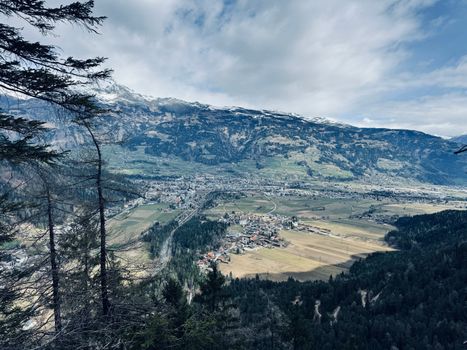
- Unspoiled Landscapes: Often, the very remoteness that preserved these villages also protected their natural surroundings. Think pristine mountains, ancient forests, and untouched coastlines.
- Connection to History: The architecture, the customs, even the way people speak – it all whispers stories of generations past, offering a tangible link to history.
- Mindfulness and Presence: Without the constant distractions of modern life, you're forced to be present, to notice the small details, to truly experience your surroundings.
This isn't just a trip; it's a reset button for your soul.
Your Compass to the Past: How to Uncover Hidden Gems
So, how do you find these elusive time capsules? It takes a bit more effort than booking a flight to Rome, but the rewards are exponentially greater. Here’s my tried-and-true method:
- Go Local, Go Small: Forget the big guidebooks. Start by looking at regional tourism boards for less-known areas. Search for "smallest villages," "most isolated communities," or "traditional architecture" in specific, less-visited regions of countries. Think beyond capital cities and popular coastal strips.
- Mapping and Topography are Your Friends: Look for areas with challenging terrain – mountains, deep valleys, remote islands. These geographical barriers historically protected communities from external influence and development. Google Maps satellite view can be a surprisingly good tool for spotting clusters of traditional buildings far from major roads.
- Language is Key: The more local the language or dialect, the more likely the village has retained its character. Learning a few phrases in the local tongue will also unlock doors and hearts.
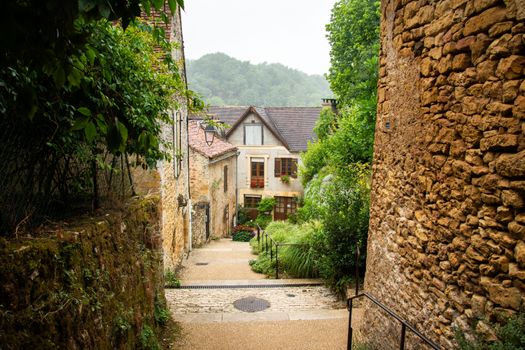
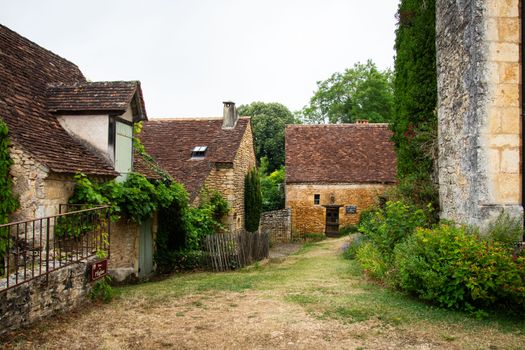
- Seek Out Specific Architectural Styles: Research traditional building methods of a region (e.g., stone houses in the Dolomites, whitewashed cubic homes in the Cyclades, half-timbered houses in Bavaria). Then, look for villages where these styles dominate, often indicating a lack of modern construction.
- Talk to Locals (Offline!): Once you're in a general region, the best intel often comes from local people in slightly larger, but still non-touristy, towns. Ask about their grandparents' villages, where they go for peace and quiet, or places that "haven't changed in years." This is how I stumbled upon Añes!
- Embrace the "Dead End" Road: Often, the most rewarding villages are at the end of a long, winding, sometimes unpaved road. If your GPS starts looking confused, you’re probably on the right track!
Practical Tip: Don't expect fancy hotels. Accommodation will likely be simple guesthouses (agriturismos, pensiones), homestays, or even basic campsites. Embrace it – it's part of the experience! Budget around €30-€70/night for a charming, rustic room.
My Personal Journeys: Three Untouched European Time Capsules
Let's dive into some specific (and illustrative!) examples to get your imagination flowing. These aren't necessarily exact coordinates you can plug into your GPS, but rather archetypes of the kinds of places I've been fortunate enough to discover. Think of them as jumping-off points for your own expeditions.
1. The Alpine Whisper: Glimpses of Stone and Silence in the Dolomites
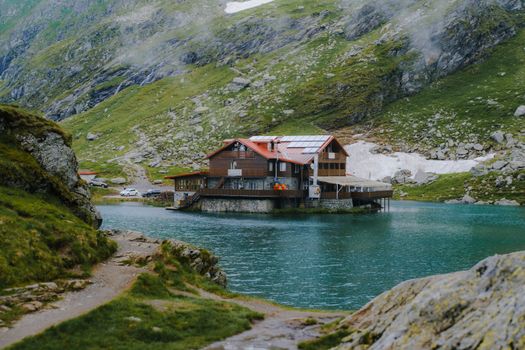
Imagine a cluster of ancient stone and timber houses nestled precariously on a steep slope in the Italian Dolomites, far from the bustling ski resorts. Let's call it "Valleperduta" (Lost Valley). I found a village much like this during a solo hiking trip. The only way in was a single-track road that turned into a gravel path, eventually requiring a short hike.
- The Vibe: Life revolves around the seasons: haymaking in summer, timber gathering in autumn, snow shoveling in winter. The air is impossibly clean, scented with pine and damp earth. Sounds are limited to cowbells, the rush of a mountain stream, and the occasional distant chop of an axe.
- What You'll Find: Ancient barns converted into cozy guesthouses (expect shared bathrooms, but incredible views). A tiny, centuries-old church with faded frescoes. A single "trattoria" run by a nonna who makes the best polenta and wild mushroom ragu you've ever tasted, using ingredients foraged from the surrounding forests. There’s no menu; you eat what she cooks that day. Expect to pay around €15-€20 for a hearty, multi-course meal.
- Activities: Hiking pristine trails, learning about traditional wood carving from a local artisan (I spent an afternoon watching an elderly man carve intricate figures – a truly humbling experience), foraging for wild berries, or simply sitting on a worn wooden bench, breathing in the silence.
- Instagram Moment: The morning mist rising from the valley, revealing the jagged peaks, with smoke curling from a chimney. Or a close-up of a gnarled, ancient wooden door.
2. The Aegean Echo: Whitewashed Dreams on a Forgotten Greek Island
Picture a tiny, car-free village clinging to a cliff face on a lesser-known Cycladic island, perhaps one you've never heard of. Let's call it "Pyrgos Nisiou" (Island Tower). I once spent a week in a village like this, reached only by a small ferry that runs twice a week.
- The Vibe: Whitewashed cubic houses stacked like sugar cubes, connected by labyrinthine cobblestone alleys barely wide enough for a donkey. The dominant colors are brilliant white, the deep blue of the Aegean, and the vibrant fuchsia of bougainvillea. Life is slow, dictated by the sun and the sea. Fishermen mend their nets by the tiny harbor, and women hang laundry to dry in the salty breeze.
- What You'll Find: A handful of family-run rooms for rent (often with breathtaking sea views for €40-€60/night). One or two tavernas serving the freshest seafood imaginable, caught that morning, alongside simple Greek salads and local wine. No loud music, just the gentle lapping of waves. Expect to pay €10-€15 for a seafood main. The local baker still uses a wood-fired oven for his bread.
- Activities: Swimming in crystal-clear, deserted coves (I found one accessible only by a goat path – pure bliss!), helping a fisherman pull in his nets (if you’re lucky and ask politely), learning to cook traditional Greek dishes from your guesthouse host, or simply watching the sunset paint the sky in fiery hues from a quiet spot overlooking the sea.
- Instagram Moment: A narrow, flower-filled alleyway leading to a vibrant blue door, with the Aegean sparkling in the background. Or a shot of a traditional fishing boat silhouetted against a golden sunset.
3. The Celtic Hearth: Folklore and Hospitality in the Scottish Highlands
Imagine a remote hamlet nestled deep within a glen in the Scottish Highlands, far from the tourist buses of Loch Ness. Let's call it "Glen Ceò" (Misty Glen). I once stayed in a place like this, a true haven of Gaelic culture and rugged beauty.
- The Vibe: Stone cottages with thick walls, peat fires burning in hearths, and the constant murmur of a nearby river. The landscape is dramatic – rolling hills, ancient forests, and sudden, breathtaking lochs. The people are incredibly warm, their accents thick, their stories richer than any history book.
- What You'll Find: A handful of B&Bs or self-catering cottages (around €60-€100/night). A tiny, historic pub where locals gather in the evenings to share drams of whisky, play traditional music (a fiddle, a bodhrán, sometimes bagpipes!), and swap tales. Food is hearty and comforting: venison stew, freshly baked bread, local cheeses. A full pub meal might cost €15-€25.
- Activities: Hillwalking through ancient glens, searching for elusive wildlife (red deer, golden eagles), visiting ancient standing stones or ruined castles, learning about Gaelic folklore from a local storyteller at the pub, or trying your hand at fly-fishing in a pristine loch.
- Instagram Moment: A lone, ancient stone cottage shrouded in mist, with a faint glow from a window. Or a close-up of a weathered sign in Gaelic, with a backdrop of a dramatic, untouched landscape.
Navigating the Past: Practical Tips for a Respectful Visit
Visiting these untouched villages requires a different mindset and a commitment to responsible travel. Remember, you are a guest in someone's home, not just a tourist passing through.
- Pack Light, Pack Smart: Cobblestone streets and unpaved paths mean wheeled luggage is often a nightmare. A sturdy backpack is your best friend. Bring layers, as weather can change quickly, especially in mountainous or coastal areas.
- Learn Basic Phrases: Even a few words in the local language (hello, thank you, please, excuse me) will go a long way in showing respect and opening doors.
- Embrace Disconnection: Wi-Fi might be nonexistent or spotty. Mobile signal might be weak. See this as an opportunity, not a hindrance. Bring a good book, a journal, or simply enjoy the quiet.
- Support Local Economies: Eat at local tavernas, buy crafts directly from artisans, stay in family-run guesthouses. Your money has a much more direct and positive impact here. Avoid chain stores or anything that feels 'imported'.
- Respect Local Customs and Privacy: Ask before taking photos of people. Dress modestly, especially if visiting churches or religious sites. Understand that their way of life is not a performance for you.
- Leave No Trace: Pack out everything you pack in. Be mindful of water and energy consumption. These communities often have limited resources.
- Be Patient and Flexible: Things move at a different pace. Buses might be late (or not run at all on certain days). Shops might close for hours in the afternoon. Embrace the rhythm.
- Carry Cash: Many small establishments, especially in remote areas, may not accept cards.
- Inform Someone of Your Plans: If you're heading to a truly remote area for hiking, let your guesthouse host know your route and expected return time. Safety first!
- Open Your Heart: Be open to conversations, impromptu invitations, and unexpected experiences. These are often where the deepest memories are made.
The Gift of Slow Travel: Why It Matters More Than Ever
In a world hurtling towards an uncertain future, these villages offer a precious anchor to the past. They remind us of the resilience of human spirit, the beauty of simplicity, and the enduring power of community. My journeys to these time capsules have taught me more about myself, about patience, and about the true meaning of connection than any bustling city break ever could.
The quiet moments, the shared smiles, the taste of food prepared with generations of love, the feeling of ancient stones beneath your fingertips – these are the real treasures. They are experiences that cannot be bought or perfectly replicated, only lived. And they are experiences that, once discovered by the masses, will inevitably begin to change.
So, if you’ve been yearning for a travel experience that transcends the ordinary, that truly nourishes your soul and challenges your perception of time, then this is your call to adventure. Go forth, explore responsibly, and discover your own slice of history before the secret gets out. These villages are waiting, patiently, for you to step into their timeless embrace.
Ready to step back in time? Share your favorite untouched villages or your dreams of slow travel in the comments below! Let's keep the spirit of authentic exploration alive.
---
More pictures

Tags
Share this guide
We may earn a commission if you click a link and buy a product or service, at no extra cost to you. How affiliate links work.
Been there?