
Tired of seeing perfectly curated, often unattainable travel posts? We're diving deep into the world of truly unique hotels where the wild comes to you – places where you can genuinely sleep with animals, far from the polished feeds influencers want you to see. Prepare to trade likes for once-in-a-lifetime roars, chirps, and splashes. ---
Forget Filters: Hotels Where You Sleep With Animals (No Influencer Tricks!)
There’s a secret I’ve been keeping, a travel truth that Instagram’s glossy, airbrushed feeds often miss. It’s not about finding the perfect angle for your avocado toast or posing endlessly in front of a famous landmark. It’s about something far more primal, more authentic, and infinitely more exhilarating: waking up to the gentle snore of an elephant, the playful chatter of monkeys, or the silent, majestic glide of a shark just inches from your bed.
For years, I chased those picture-perfect moments, scrolling through endless grids of flawless travelers in exotic locales. But a few years ago, after a particularly disheartening trip where the "iconic" spot was overrun and the "secluded" beach was anything but, I realized something profound. The most shareable moments aren’t the ones you meticulously plan for a photo; they’re the ones that genuinely take your breath away, the ones that make your heart pound, the ones that connect you to something bigger than yourself. And for me, often, that "something bigger" involved fur, feathers, or fins.
This isn't about zoos or petting farms. This is about incredible, often luxurious, sometimes rustic, but always unforgettable accommodations that are so deeply integrated into their natural environments that the local wildlife becomes your neighbor, your alarm clock, and your evening entertainment. These are the places that offer genuine, unscripted animal encounters – the kind that influencers might not even know about, let alone perfectly curate for their feeds.
Ready to trade filters for fur? Let's dive in.
The Gentle Giants at Your Window: Immersive Elephant Sanctuaries
My first truly "wild" wake-up call came in the Golden Triangle of Northern Thailand. I'd booked a stay at the Anantara Golden Triangle Asian Elephant Camp & Resort, drawn by their commitment to elephant conservation. I’d seen pictures, of course, but nothing, absolutely nothing, prepared me for the reality.
Imagine this: You wake up with the first blush of dawn, and as you sip your coffee on your private balcony, a magnificent Asian elephant ambles into view, its mahout (caretaker) gently guiding it through the lush jungle. It stops just a few feet from your room, its intelligent eyes meeting yours. You hear the rustle of leaves as it snacks, the soft rumble in its chest, the almost rhythmic swing of its trunk. It's not a show; it’s just life happening around you.
The "Jungle Bubbles" at Anantara are next-level. These transparent, fully furnished domes allow you to literally sleep under the stars, with elephants grazing just outside your clear walls. It’s surreal, intimate, and profoundly moving. You’re not just observing; you're part of their world, albeit briefly and respectfully.
Why it's special: Anantara's camp is a haven for rescued elephants, offering a genuine sanctuary. Your stay directly contributes to their welfare, and you learn about their rehabilitation, participate in walking with them, and even help with their daily feeding. It’s an ethical encounter that leaves a lasting impression.
Location & Price: Anantara Golden Triangle Asian Elephant Camp & Resort, Chiang Rai, Thailand. Stays often include elephant experiences. Expect prices to start from around $800-$1000 USD per night for a room, with Jungle Bubbles as an add-on or special package. Book well in advance!
Monkey Business & Rainforest Rhythms: Waking Up to the Jungle Choir
There’s a certain magic to the rainforest, a symphony of sounds that begins before the sun even thinks of rising. My most memorable experience of this was at Lapa Rios Lodge in Costa Rica’s Osa Peninsula, a place so wild it feels like you've stepped into a nature documentary.
Here, the "rooms" are open-air bungalows perched on a ridge overlooking the Pacific Ocean, surrounded by dense primary rainforest. There are no TVs, no air conditioning – just the elements and the wildlife. One morning, I was jolted awake, not by an alarm, but by the booming, guttural roar of a howler monkey, seemingly right outside my screenless window. It was so loud, so raw, I practically jumped out of bed!
Peeking out, I saw a troop of mantled howler monkeys making their way through the canopy, their calls echoing through the valley. Throughout the day, white-faced capuchins would scamper across the roof, sloths would slowly traverse the trees nearby, and toucans with their vibrant beaks would perch on branches just a few feet away. One afternoon, I even saw a curious agouti (a large rodent, surprisingly cute!) sniffing around the porch.
Why it's special: Lapa Rios is a pioneer in eco-tourism, dedicated to conservation and community. Staying here means minimal environmental impact, and the lodge's guides are incredibly knowledgeable, helping you spot wildlife you'd never see on your own. It's an immersion into pure, untamed nature.
Location & Price: Lapa Rios Lodge, Osa Peninsula, Costa Rica. Rates typically start from $500-$700 USD per night, often including meals and some activities. Accessibility requires a domestic flight and a 4x4, adding to the adventurous feel.
Sleeping with the Fishes (and Sharks!): Underwater & Aquarium Hotels
Now, for something truly out of this world: diving into the deep blue without ever getting wet. The idea of sleeping surrounded by marine life always fascinated me, and my visit to The Manta Resort in Zanzibar delivered beyond imagination.
Their "Underwater Room" is exactly what it sounds like – a private, floating structure with an upper deck for sunbathing and stargazing, and a submerged bedroom. Descending into the bedroom is like entering another dimension. Three large glass windows offer panoramic views of the coral reef teeming with life. Schools of iridescent fish swim past, curious trumpetfish peek in, and at night, a spotlight attracts even more nocturnal creatures.
I remember lying in bed, watching a majestic barracuda glide by, its silhouette momentarily blocking the moonlight filtering through the water. It was incredibly peaceful, almost meditative. Later, a giant trevally, seemingly as big as a small person, hovered outside my window for what felt like an eternity. It felt like being in a giant, living aquarium, and I was the exhibit.
For a more luxurious, yet equally mesmerizing, experience, the underwater suites at Atlantis The Palm in Dubai offer floor-to-ceiling views into their Ambassador Lagoon, home to 65,000 marine animals, including sharks and rays. It’s opulent, grand, and utterly breathtaking.
Why it's special: These experiences offer a unique perspective on marine ecosystems. You witness the underwater world in its natural rhythm, fostering a deep appreciation for ocean conservation.
Location & Price:
- The Manta Resort, Pemba Island, Zanzibar: The Underwater Room is a premium experience, often booked months in advance. Prices are around $1700-$2000 USD per night.
- Atlantis The Palm, Dubai, UAE: Underwater Suites are extremely luxurious. Expect prices upwards of $7000-$10,000 USD per night.
Wild Plains & Roaming Beasts: Safari Lodges Where Animals Are Your Neighbors
When most people think of sleeping with animals, safari lodges often come to mind. But not all safari lodges are created equal. Some, like the iconic Giraffe Manor in Kenya, elevate the experience to an almost fairytale level.
My stay at Giraffe Manor was one of those pinch-me moments. Nestled within 12 acres of private land, this boutique hotel is home to a herd of endangered Rothschild's giraffes. They freely roam the grounds, and the magic happens at breakfast. As you sit down to eat, these elegant giants poke their long necks through the dining room windows, gently nudging you for a pellet or two.
I remember laughing so hard as a giraffe delicately plucked a piece of toast from my hand with its surprisingly soft, purplish tongue. It’s utterly charming, slightly chaotic, and provides unparalleled photo opportunities (no filters needed when a giraffe is your breakfast buddy!).
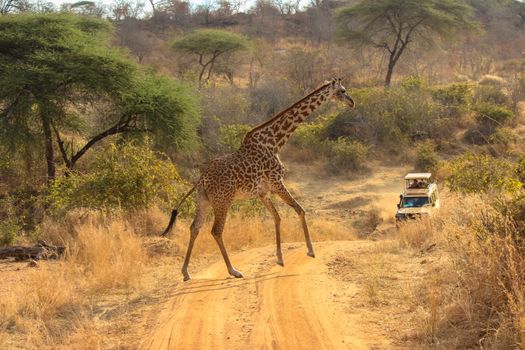
Beyond the giraffes, many high-end safari lodges in places like South Africa's Sabi Sands Game Reserve (e.g., Singita, &Beyond) are unfenced. This means lions, elephants, leopards, and other incredible creatures can, and often do, wander through the lodge grounds. I’ve heard lions roaring so close to my tented suite at Singita Boulders Lodge that I could feel the vibrations in my chest, and watched an elephant herd drink from the lodge pool just meters from my veranda. It’s an adrenaline rush combined with profound awe.
Why it's special: These lodges often play a crucial role in conservation efforts, protecting vast tracts of wilderness and supporting anti-poaching initiatives. The proximity to animals reinforces the importance of preserving their habitats.
Location & Price:
- Giraffe Manor, Nairobi, Kenya: Extremely popular, book 1-2 years in advance. Prices start from around $800-$1000 USD per person per night, all-inclusive.
- Singita Boulders Lodge, Sabi Sands, South Africa: Luxury safari experience. Prices can range from $1500-$3000+ USD per person per night, all-inclusive. Many other excellent unfenced lodges exist across Africa.
Feathered Friends & Nocturnal Nests: Unique Bird & Bat Experiences
While elephants and giraffes grab headlines, some of the most subtle yet captivating animal encounters come from our feathered and winged friends. Imagine waking up to a chorus of exotic bird calls, or watching thousands of bats emerge at dusk.
In the cloud forests of Ecuador, lodges like Mashpi Lodge offer unparalleled birdwatching opportunities. Though not "sleeping with" in the same way, the lodge is designed to immerse you in the forest canopy. The floor-to-ceiling windows in your room feel like a giant bird blind, allowing you to watch hummingbirds flit, vibrant tanagers feed, and even elusive toucanets without disturbing them. I spent an entire morning just watching the forest come alive from my bed, binoculars in hand.
A more niche, but incredible experience, can be found near specific bat caves. While you won't typically find luxury hotels inside bat caves, some eco-lodges or guesthouses are strategically located near significant bat roosts. For example, some areas in Texas or even parts of Southeast Asia offer opportunities to stay near caves where millions of bats emerge at sunset. It's a spectacular natural phenomenon, a swirling vortex of wings against the twilight sky. Your accommodation might be simple, but the show is five-star.
Why it's special: These experiences highlight biodiversity often overlooked. They encourage patience, observation, and a deeper connection to the intricate web of nature, showing that wild encounters aren't just about the 'big five'.
Location & Price:
- Mashpi Lodge, Chocó Rainforest, Ecuador: Luxury eco-lodge. Prices start around $1500-$2000 USD per night, all-inclusive, with guided activities.
- Bat-watching accommodations: Varies wildly. For example, near Bracken Cave Preserve in Texas (seasonal), basic hotels or B&Bs might be $100-$300 USD, with guided bat tours extra. Research local options near known bat colonies.
Beyond the Glitz: Ethical Considerations & Choosing Your Animal Adventure
The allure of sleeping with animals is undeniable, but as a responsible traveler, it's crucial to approach these experiences ethically. The last thing we want is to contribute to animal exploitation, even inadvertently. This is where you, the savvy Tripsora reader, come in.
Here are my actionable tips for choosing your animal adventure:
- Do Your Homework: This is non-negotiable. Research the lodge or resort thoroughly. Look beyond their marketing materials. What do independent reviews say? Are there any red flags regarding animal welfare?
- Look for Conservation & Community Involvement: Reputable establishments will proudly highlight their conservation efforts, rehabilitation programs, and how they support local communities. Do they have accredited certifications (e.g., eco-tourism, responsible tourism)?
- Prioritize Natural Behavior: The best experiences allow you to observe animals in their natural habitats, exhibiting natural behaviors. Be wary of places where animals seem overly habituated, perform tricks, or are kept in unnaturally confined spaces for tourist interaction.
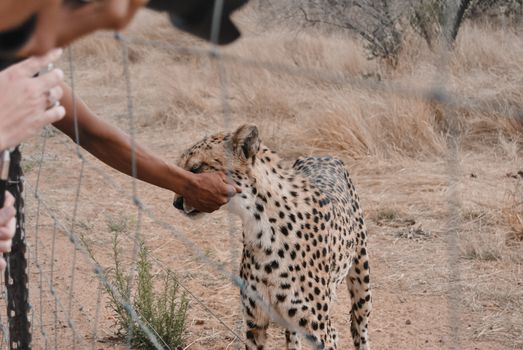
- Hands-Off is Often Best: While some ethical interactions exist (like feeding rescued elephants under strict supervision), generally, the less direct physical contact, the better. True appreciation comes from observation and respect, not forced selfies.
- Question the "Exotic Pet" Vibe: If a place markets itself around having "exotic pets" that you can cuddle, run the other way. Wild animals are not pets.
- Read Between the Lines: Sometimes, a glossy Instagram feed can mask questionable practices. Look for transparency. Does the organization openly discuss its challenges and successes in conservation?
For me, the most profound encounters have always been the most natural. The unplanned sight of a leopard on a night drive, the distant roar of a lion echoing through the African bush, the gentle presence of an elephant outside my window – these are the moments that truly stick, that can't be replicated by a filter or a staged pose.
These are not just hotels; they are gateways to understanding, places where the barrier between human and wild thins, allowing for genuine connection. They remind us that the world is vast and full of wonder, far beyond what any screen can capture.
So, next time you're planning a trip, consider ditching the influencer-approved checklist. Seek out the wild, the authentic, the places where the animals truly run the show. You might just find that the best stories, and the most unforgettable photos, are the ones you never even planned to take.
Which animal adventure will you choose first? Share your wildest travel dreams in the comments below!
---
More pictures

Tags
Share this guide
We may earn a commission if you click a link and buy a product or service, at no extra cost to you. How affiliate links work.
Been there?