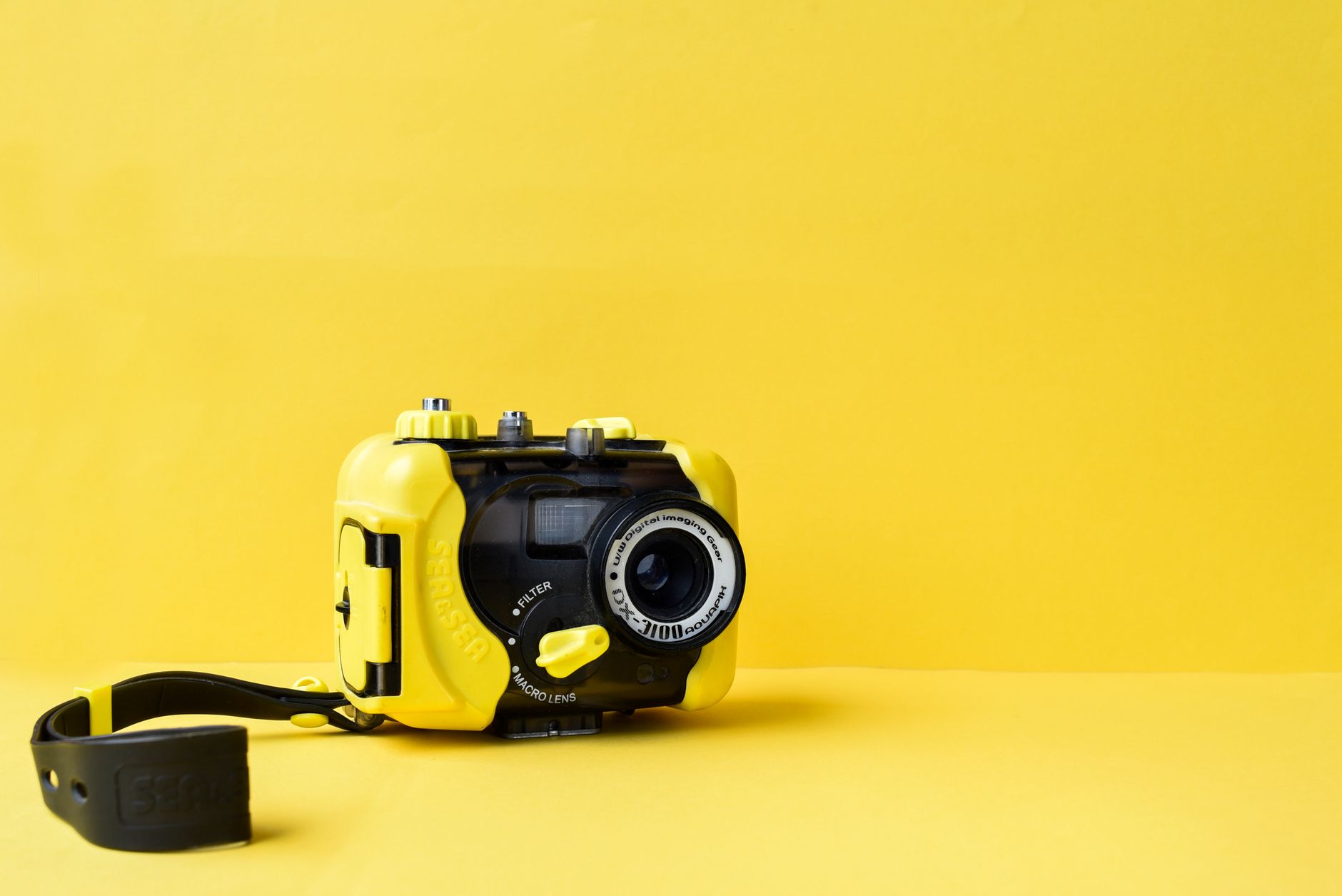
Ever dreamt of capturing the breathtaking beauty beneath the waves with crystal-clear photos and vibrant colors? This comprehensive guide unveils the hottest, beginner-friendly underwater photography gear trending right now, making it easier than ever to dive into the mesmerizing world of aquatic visuals. Get ready to transform your next snorkeling or diving adventure into an unforgettable photo safari and bring home incredible memories! ---
Unlocking the Blue: Your Beginner's Guide to Trending Underwater Photography Gear
The sun was beating down on my skin, the salty air filling my lungs, as I peered over the edge of our longtail boat into the shimmering turquoise waters of El Nido, Palawan. Below, a vibrant world of coral gardens, curious fish, and gentle sea turtles beckoned. I wanted nothing more than to capture that magic, to bring a piece of that breathtaking beauty home with me. My weapon of choice? A flimsy, supposedly "waterproof" phone case that, inevitably, fogged up within minutes, leaving me with blurry, green-tinted blobs that looked more like abstract art than a pristine reef. Talk about a missed opportunity!
Fast forward a few years, and a lot has changed. The world of underwater photography, once the exclusive domain of seasoned pros with intimidatingly expensive setups, has undergone a revolution. Thanks to incredible advancements in technology, it’s now more accessible, affordable, and beginner-friendly than ever before. You no longer need to be a professional diver or a tech wizard to snap Instagram-worthy shots of Nemo or that majestic manta ray gliding by.
My journey from blurry blobs to vibrant reefscapes has been an exhilarating one, filled with trial, error, and plenty of "aha!" moments. And today, I’m thrilled to share with you the hottest, most beginner-friendly underwater photography gear that’s trending right now, helping you avoid my early mistakes and dive straight into capturing the awe-inspiring beauty beneath the surface. So, grab your fins, because we’re about to plunge into the exciting world of aquatic imaging!
Why Now is the Best Time to Dive In: The Accessibility Revolution
Before we explore the gear, let's talk about why now is the perfect moment to dip your toes (and your camera!) into underwater photography. The democratization of tech has brought forth a wave of innovation that benefits us, the aspiring underwater photographers:
- Smarter Smartphones: Your phone’s camera is more powerful than ever, and robust underwater housings mean you can leverage that power beneath the waves.
- Action Camera Dominance: GoPros and their competitors have perfected compact, durable, and surprisingly capable underwater cameras.
- Compact Camera Evolution: Dedicated compact cameras like the Olympus TG series are built like tanks and offer pro-level features in a user-friendly package.
- Affordable Accessories: Red filters, simple strobes, and video lights are no longer budget-busters, making color correction and illumination achievable for beginners.
- Community & Learning: Online resources (like this one!), tutorials, and communities make learning and sharing easier than ever.
This means you don't have to break the bank or carry a cumbersome rig to get incredible results. Let's dive into the gear that's making waves!
The Core Contenders: Trending Gear Categories for Beginners
When it comes to starting your underwater photography journey, there are a few key categories of gear that are dominating the scene for their ease of use, quality, and affordability.
1. Smartphone Housings: Your Pocket-Sized Powerhouse
Why it's trending: You already own a fantastic camera – it's in your pocket! Smartphone housings leverage your phone's advanced optics and processing power, offering an incredibly accessible entry point into underwater photography. They're compact, easy to travel with, and the learning curve is minimal.
What to look for:
- Robust Waterproofing: This is non-negotiable. Look for housings with secure latches, O-ring seals, and a depth rating that matches your needs (snorkeling vs. diving).
- Ergonomics: Good grip and easy access to controls (either physical buttons or a touch-sensitive membrane) are crucial.
- Lens Port Quality: Ensure a flat optical port for clear, undistorted images underwater. Some offer interchangeable ports for wide-angle or macro lenses.
Trending Picks & Details:
- AxisGO (for iPhone): This is my personal go-to for quick snorkeling trips or shallow dives. It's incredibly user-friendly, feels sturdy, and offers fantastic image quality thanks to its high-quality optical glass port. I used my AxisGO with my iPhone 14 Pro Max during a recent trip to Raja Ampat, Indonesia, and the clarity was astounding for such a simple setup.
- Price Range: $199 - $349 (depending on model and accessories).
- Depth Rating: Up to 10m (33ft) for most models.
- SeaLife SportDiver (for iPhone & Android): A step up, offering more robust construction and compatibility with a wider range of phones. What makes it stand out is its integrated vacuum check system, which gives you peace of mind before you even hit the water. Plus, it connects via Bluetooth to a dedicated app, allowing full control over your phone's camera settings (ISO, shutter speed, white balance).
- Price Range: $349 - $399.
- Depth Rating: Up to 40m (130ft).
- Kraken KRH03 (for iPhone & Android): Similar to the SportDiver, the Kraken housing is a solid choice for serious smartphone photographers. It also features a vacuum pump system and offers excellent control through its app. Many users praise its build quality and accessory mounting options.
- Price Range: $299 - $349.
- Depth Rating: Up to 80m (262ft) – impressive for a phone housing!
Pro Tip: Always do a dry run with your phone in the housing before going near water. Submerge the empty housing in a sink for 30 minutes to check for leaks. Better safe than soggy!
2. Action Cameras (GoPro & DJI Osmo Action): The Adventure Beasts
Why it's trending: Action cameras are synonymous with adventure, and their compact size, ruggedness, and impressive video capabilities make them fantastic for underwater use. Most modern action cameras are waterproof out of the box to a certain depth, and with a dedicated housing, they become deep-dive champions.
What to look for:
- Built-in Waterproofing: Look for models that are waterproof without a housing for shallow use (e.g., snorkeling).
- Image Stabilization: Crucial for smooth video, especially when currents are strong.
- Color Profile/Protune: Advanced settings can help you capture flatter images for better post-processing.
- Accessory Ecosystem: GoPros, in particular, have a vast array of mounts, filters, and lights.
Trending Picks & Details:
- GoPro Hero 11/12 Black: The undisputed king of action cameras. Both models offer incredible 5.3K video, 27MP photos, and phenomenal HyperSmooth stabilization. They are waterproof down to 10m (33ft) without a housing, but for anything deeper or for added protection, you'll want the official GoPro Protective Housing (up to 60m/196ft). I always pack my Hero 11 for quick action shots – it’s perfect for capturing that sudden school of fish or a playful dolphin encounter.
- Price Range: $349 - $449 (camera only), $49 - $60 (housing).
- DJI Osmo Action 4: A strong contender to GoPro, the Osmo Action 4 boasts excellent low-light performance, a larger sensor, and impressive color science. It's waterproof to 18m (59ft) without a housing, and its dedicated waterproof case extends that to 60m (196ft). Many prefer its magnetic quick-release mounting system.
- Price Range: $299 - $399 (camera only), $39 - $50 (housing).
Pro Tip: Action cameras excel at wide-angle shots. Consider a dome port accessory for split shots (half above, half below water) – they look incredibly professional and are surprisingly easy to achieve!
3. Compact Cameras: Stepping Up Your Game
Why it's trending: For beginners who are ready to invest a bit more for superior image quality, more manual control, and dedicated underwater features, rugged compact cameras are the sweet spot. They offer a significant leap in image quality over phones and action cameras, especially for macro photography, without the bulk and complexity of a full mirrorless or DSLR setup.
What to look for:
- Built-in Ruggedness: Waterproof, shockproof, freezeproof are standard features.
- Macro Capabilities: Many excel at close-up shots of tiny critters.
- RAW File Capture: Essential for serious photographers who want maximum flexibility in post-processing.
- Accessory Compatibility: Look for cameras with a good range of compatible housings, strobes, and wet lenses.
Trending Picks & Details:
- Olympus Tough TG-6 (and the newer TG-7): This series is legendary in the underwater photography community for beginners and pros alike. The TG-6 is waterproof to 15m (50ft) out of the box, incredibly durable, and its microscopic macro mode is simply unparalleled. When paired with an Olympus PT-059 Housing (up to 45m/147ft), it becomes a formidable underwater machine. I rented a TG-6 on a recent dive trip to Coron, Philippines, to explore the WWII shipwrecks, and it perfectly captured the eerie beauty and the vibrant marine life that has made them home. The TG-7 builds on this with USB-C and improved features.
- Price Range: $449 - $549 (camera only), $329 - $379 (housing).
- SeaLife Micro 3.0: This camera is unique because it's permanently sealed – no O-rings to clean or maintain! It’s incredibly simple to use, waterproof to 60m (200ft), and takes fantastic photos and 4K video. It’s perfect for those who want a dedicated underwater camera without any fuss.
- Price Range: $599 - $699.
- Depth Rating: Up to 60m (200ft).
Pro Tip: These cameras often have a "red" or "underwater" white balance mode. Experiment with it, but remember that a physical red filter (discussed next!) will almost always yield better results.
4. Underwater Drones/ROVs: Exploring Deeper Without Getting Wet (Emerging Trend)
Why it's trending: While not strictly "photography gear" in the traditional sense, compact underwater drones are gaining popularity for their ability to explore deeper realms and capture unique perspectives without you needing to get wet. They're fantastic for scouting dive sites, observing shy marine life from a distance, or simply exploring the mysteries of the deep from the comfort of a boat.
What to look for:
- Tether Length: Determines how deep and far you can send your drone.
- Camera Quality: Look for 4K video and decent still photo capabilities.
- Maneuverability: Easy controls are key.
- Lighting: Integrated lights are essential for deeper exploration.
Trending Picks & Details:
- Chasing Dory: This mini ROV is incredibly portable and user-friendly. It connects wirelessly to your phone (via a Wi-Fi buoy) and can dive to 15m (49ft). It's perfect for casual exploration and capturing fun videos of what's beneath your boat or dock. I used one off the coast of Sardinia to explore a shallow cave entrance, and it was a blast!
- Price Range: $399 - $499.
- Chasing Gladius Mini S: A more advanced option, offering a longer tether, deeper depth rating (100m/328ft), and more powerful thrusters. It also features a 4K camera and integrated lights, making it suitable for more serious exploration and inspection tasks.
- Price Range: $1299 - $1499.
Pro Tip: Underwater drones are fantastic for capturing shy creatures that might flee from a human diver. They offer a unique, non-intrusive way to observe and document marine life.
Essential Accessories You Can't Live Without (The Game Changers)
Having a great camera is only half the battle. These accessories are crucial for truly transforming your underwater photos from "okay" to "wow!"
1. Red Filters / Color Correction Filters: Your Underwater Sunglasses
Why they're essential: Water absorbs red and orange light very quickly. Without a filter, everything deeper than a few feet will look green or blue. A red filter (or magenta for green water) corrects this, restoring natural colors to your photos and videos. This is the most important accessory for natural light underwater photography.
Details:
- Compatibility: Make sure it fits your camera housing or lens.
- Depth Specific: Some filters are optimized for specific depth ranges (e.g., shallow, deep).
- Price: Typically $20 - $80.
Personal Anecdote: My first few GoPro videos in Mexico were a depressing shade of green. Adding a simple red filter transformed them instantly – the corals popped, the fish looked vibrant, and the videos finally matched what I saw with my own eyes. It's a game-changer!
2. Lighting (Strobes & Video Lights): Illuminating the Depths
Why they're essential: As you go deeper, not only do colors disappear, but ambient light also diminishes. Strobes (flashes) are for still photography, providing a burst of light to restore color and illuminate your subject. Video lights provide continuous light, perfect for video or as focus lights for stills.
Trending Picks & Details (Beginner-Friendly):
- SeaLife Sea Dragon Mini: A compact, powerful video light that's easy to mount on most housings. It's great for macro subjects or adding a bit of fill light to wider shots.
- Price Range: $99 - $149.
- Kraken Hydra 1000/2000: These are versatile video lights that can also function as focus lights. They offer different power settings and are robustly built.
- Price Range: $199 - $349.
- Internal Flash Diffusers: For compact cameras with built-in flashes, a diffuser can help soften the light and prevent backscatter (light reflecting off particles in the water). Often comes with camera housings.
Pro Tip: Start with one video light. It's easier to manage and can make a huge difference in bringing out colors, especially for macro subjects. Position it slightly to the side and above your subject to minimize backscatter.
3. Buoyancy Floats / Trays: Stability and Mounting
Why they're essential: Underwater, your camera rig can feel heavy and unwieldy. Buoyancy floats help neutralize the weight, making your setup easier to handle and more stable. Trays provide a stable platform to mount your camera and lights.
Details:
- Materials: Aluminum or plastic.
- Arm Systems: Articulating arms allow you to position your lights precisely.
- Price: Trays range from $50 - $200, floats can be $20 - $100 each.
Personal Anecdote: Trying to hold my GoPro steady while finning against a current in Komodo National Park was a nightmare. Adding a small tray with a single video light made it feel much more stable, and my videos instantly improved!
4. Anti-Fog Inserts: The Clarity Keepers
Why they're essential: When you descend, the air inside your housing cools, causing condensation to form on the lens port. Anti-fog inserts (small silica gel packets) absorb this moisture, keeping your lens clear.
Details:
- Reusable: Many can be dried out and reused.
- Price: Very affordable, typically $5 - $15 for a pack.
Pro Tip: Always put fresh anti-fog inserts in your housing before each dive, especially in humid climates. Nothing is more frustrating than a perfectly framed shot ruined by a foggy lens!
Mastering the Blue: Beginner Tips & Tricks for Stunning Shots
Great gear is only part of the equation. Here are a few essential tips to help you capture incredible underwater photos right from your first dive:
- Get Close (Then Get Closer!): Water absorbs light and clarity. The closer you are to your subject, the less water is between you and it, resulting in sharper images and better color. Don't rely on zoom underwater – it only magnifies particles and reduces quality.
- Shoot Upwards: Whenever possible, shoot slightly upwards towards the surface. This uses the ambient light from above to illuminate your subject and provides a beautiful blue background, making your subject pop. It also helps avoid distracting seabed clutter.
- Understand Light & Color: Remember the red filter discussion? Use it! If you're using a light, position it to illuminate your subject without creating harsh shadows or too much backscatter.
- Practice Buoyancy Control: This is paramount for divers. Good buoyancy means you can hover stably, allowing you to compose your shot without kicking up sand or damaging coral. For snorkelers, learning to duck dive smoothly helps.
- Respect Marine Life & Environment: Never touch, chase, or harass marine life. Maintain a respectful distance. Be mindful of your fins and gear to avoid damaging fragile corals. A great photo is never worth harming the ecosystem.
- Shoot in Burst Mode (for action cameras/phones): Fish move fast! Burst mode increases your chances of getting that perfect shot.
- Post-Processing is Your Friend: Even with filters and lights, a little post-processing (adjusting contrast, saturation, and sharpness) can dramatically improve your images. Many phone apps or free desktop software can do wonders.
My Personal Picks & Where to Test Them Out
For most of my casual snorkeling and shallow freediving trips, my iPhone 14 Pro Max in an AxisGO housing with a small red filter is my absolute favorite. It's light, easy to use, and the image quality is surprisingly good. For dedicated dive trips where I want more control and better macro capabilities, I often rent an Olympus TG-6 with its housing and a single video light. It’s a fantastic workhorse!
Want to put your new gear to the test? Here are some incredible beginner-friendly locations where you can practice your newfound skills:
- Gili Islands, Indonesia: Shallow, vibrant reefs teeming with turtles. Perfect for snorkelers and beginner divers. Many dive shops offer gear rentals.
- Koh Lanta, Thailand: Beautiful soft corals and plenty of macro subjects in relatively calm waters. I spent a week here practicing my buoyancy and getting close to nudibranchs.
- Bonaire, Caribbean: Known as a diver's paradise with easy shore diving. The reefs are incredibly healthy, and visibility is often superb, making it ideal for photography practice.
- Cozumel, Mexico: Drifting along its stunning walls and reefs provides ample opportunities for wide-angle shots of diverse marine life.
- Red Sea, Egypt: While some sites are for advanced divers, many shallow reefs near Hurghada or Sharm El Sheikh are perfect for beginners to witness vibrant corals and fish.
Remember, the best camera is the one you have with you and know how to use. Start simple, focus on learning, and most importantly, have fun exploring the incredible underwater world!
Ready to Dive In?
The magic of the ocean is calling, and now, capturing its beauty is more achievable than ever. With these trending gear options and practical tips, you’re well-equipped to transform your travel memories into stunning visual stories. Imagine showing off those vibrant clownfish photos from your trip to Thailand or that majestic turtle shot from your dive in the Caribbean!
So, what are you waiting for? Pick your gear, pack your bags, and get ready to make a splash! Share your first underwater photography adventures with us on social media using #TripsoraUnderwater – we can't wait to see what incredible moments you capture beneath the waves! Happy clicking!
---
More pictures


Tags
Share this guide
We may earn a commission if you click a link and buy a product or service, at no extra cost to you. How affiliate links work.
Been there?