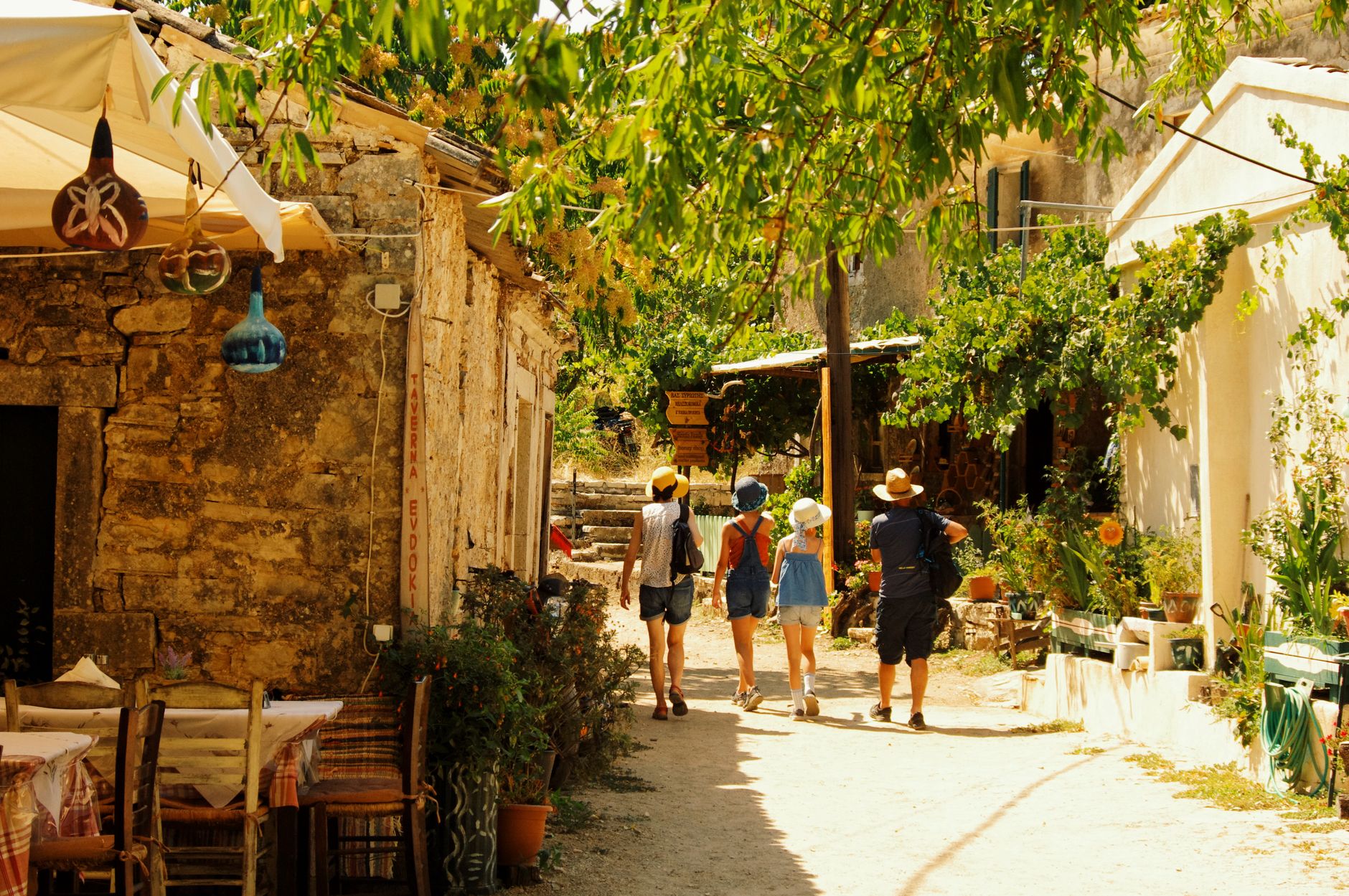
Forget bland guided tours and crowded landmarks. We're talking about educational trips so deeply embedded in local culture, they feel like shared secrets. Prepare to explore, learn, and live like a local, uncovering adventures tourists typically miss. ---
Beyond the Postcard: Educational Adventures Locals Don't Want Tourists to Know About
I still remember the moment it clicked. I was in Rome, standing shoulder-to-shoulder with hundreds of other tourists, all craning our necks to snap a photo of the Colosseum. It was magnificent, yes, but something felt… hollow. I’d seen it in books, on TV, and now, in person, it felt like checking off a box rather than truly experiencing something. Later that day, lost down a side street, I stumbled upon a tiny, non-descript trattoria. The aroma of garlic and tomatoes was intoxicating. I ventured in, and an elderly woman, Nonna Maria, gestured me to a small table. She spoke no English, I spoke little Italian, but through smiles and gestures, I learned more about Roman life, food, and hospitality in that hour than I had in three days of sightseeing.
That’s when I realized: the best travel isn't about seeing the most famous sights, but about experiencing the world in a way that truly educates and transforms you. It’s about peeling back the layers, moving beyond the tourist facade, and discovering the hidden rhythms of a place – the kind of adventures locals cherish and often keep to themselves.
Welcome to the world of educational trips that feel less like a classroom and more like an exhilarating secret. This isn't about lectures; it's about doing, tasting, creating, and connecting. It's about learning a skill, understanding a culture, or contributing to a community in ways that leave you richer than any souvenir ever could. And trust me, these are the stories you'll be telling for years.
The Philosophy of "Local Learning": Why These Trips Are Different
So, what exactly defines these "secret" educational adventures? It’s a blend of immersion, authenticity, and a genuine desire to learn. We’re talking about:
- Hands-on Engagement: You’re not just observing; you’re participating. Rolling pasta dough, weaving a basket, planting a tree, or learning basic phrases from a local.
- Cultural Exchange, Not Just Consumption: These trips foster genuine connections. You’re often learning directly from community members, supporting local economies, and gaining insights that no guidebook can provide.
- Off-the-Beaten-Path Exploration: While some experiences might be near popular destinations, they often take you into neighborhoods, workshops, or natural spaces rarely frequented by mass tourism.
- Sustainable & Responsible Travel: Many of these experiences are inherently sustainable, focusing on preserving local traditions, environments, and livelihoods. You become part of the solution, not the problem.
- A Deeper Understanding: Beyond facts and figures, you gain empathy, perspective, and a profound appreciation for different ways of life. It’s education for the soul.
Ready to swap your selfie stick for a chef's knife, a paintbrush, or a pair of gardening gloves? Let's dive into some incredible ways to make your next trip an adventure in local learning.
Culinary Quests & Gastronomic Lore: Eating Your Way to Enlightenment
Food is the universal language, and there’s no better way to understand a culture than through its kitchen. Forget fancy restaurants; we're talking about getting your hands dirty, learning family recipes, and understanding the stories behind the ingredients.
My Experience in Bologna, Italy: My quest for authentic pasta led me to a small, family-run agriturismo outside Bologna. For about €80 ($90 USD), I spent an entire afternoon with a nonna and her granddaughter, learning to make tortellini from scratch. The flour dusted my clothes, my hands ached from kneading, and my tortellini looked more like misshapen dumplings than elegant rings. But the laughter, the shared prosecco, and the pride in eating something I’d created from start to finish? Priceless. Nonna even taught me a few Italian curse words when I messed up the rolling – a true cultural exchange!
Where to Find Your Culinary Classroom:
- Oaxaca, Mexico: Famous for its seven moles, Oaxacan cooking classes are legendary. Many local families offer classes that include a market visit, where you learn about indigenous ingredients like chapulines (grasshoppers) and exotic chiles. Expect to pay around $70-$120 USD for a full-day experience, including a meal.
- Chiang Mai, Thailand: Numerous organic farms and cooking schools offer immersive experiences where you pick your own herbs and vegetables before transforming them into fragrant curries and stir-fries. Prices range from $30-$60 USD for a half-day class.
- Marrakech, Morocco: Dive into the vibrant chaos of the souks to gather spices and ingredients, then learn to prepare a traditional tagine or couscous in a local riad. Many classes are offered through Airbnb Experiences or small local tour operators for around $50-$90 USD.
Tips for Your Culinary Quest:
- Look for market visits: This is where the real learning begins, understanding local produce and bargaining culture.
- Ask about family recipes: These are often the most authentic and come with wonderful stories.
- Be open to new flavors: Don't shy away from unfamiliar ingredients – that's part of the adventure!
Artisan Trails & Creative Immersion: Crafting Culture with Your Own Hands
Imagine not just buying a souvenir, but making it yourself, guided by a master artisan whose skills have been passed down through generations. This is a profound way to appreciate the artistry and dedication embedded in a culture.
My Indigo Dyeing Adventure in Kyoto, Japan: Kyoto is a city steeped in tradition, and I wanted something more than just temple visits. I found a small indigo dyeing studio, Aizenkobo, tucked away near the Kamo River. For about ¥4,000 (approx. $27 USD), I spent two hours learning the ancient aizome technique. The smell of the fermenting indigo vats was earthy and unique, and the process of tying, dipping, and revealing the intricate patterns was mesmerizing. I left with a beautiful, hand-dyed scarf and a deep respect for the craft – a far more meaningful keepsake than any mass-produced trinket.
Where to Find Your Creative Classroom:
- San Juan La Laguna, Guatemala: This lakeside village is renowned for its Mayan weavers who use natural dyes. You can participate in weaving workshops, learning to spin cotton and operate a backstrap loom. Many cooperatives offer half-day experiences for $20-$40 USD.
- Hanoi, Vietnam: Explore the ancient craft of lacquerware or silk painting. Workshops are often found in the Old Quarter or surrounding villages, allowing you to create your own piece under expert guidance. Prices vary but can start from $30 USD for a basic workshop.
- Fez, Morocco: Delve into the intricate world of Moroccan tile making (zellige) or leather tanning. Some artisan workshops welcome visitors for short demonstrations or hands-on sessions, often for a small fee or as part of a longer tour.
Tips for Your Artisan Adventure:
- Research small studios: Often found slightly away from the main tourist hubs.
- Be patient: Craft takes time and precision. Embrace the learning curve!
- Support local: Your participation directly supports traditional crafts and livelihoods.
Nature's Classroom & Eco-Adventures: Learning from the Land
For those who crave the wild, educational trips can take you deep into natural environments, connecting you with conservation efforts, indigenous knowledge, and sustainable living practices. It's about learning to read the land, understand ecosystems, and contribute to their preservation.
My Coffee Farm Stay in Costa Rica: I spent a week on a sustainable coffee farm in the mountains of Monteverde, not just sipping coffee, but learning its entire lifecycle. For about $50 a night (including meals and basic accommodation), I helped with picking beans, learned about organic farming practices, and even roasted my own batch. I hiked through the cloud forest with a local guide who pointed out medicinal plants and explained the delicate balance of the ecosystem – knowledge passed down through generations. Waking up to the sound of howler monkeys and the smell of fresh coffee was an unforgettable education in itself.
Where to Find Your Nature Classroom:
- The Amazon Rainforest (Ecuador/Peru): Participate in community-based ecotourism projects. Stay in indigenous-run lodges, learn about traditional medicine from shamans, track wildlife, and understand rainforest conservation firsthand. Multi-day tours can range from $150-$300 USD per day, but many directly support local communities.
- Iceland's South Coast: Beyond the waterfalls, join a geology tour led by a local expert to understand the island's volcanic activity, glacier formation, and geothermal energy. Some tours even include hands-on citizen science projects. Half-day tours start from $70 USD.
- Galapagos Islands (Ecuador): While often seen as luxury, look for smaller, locally-owned boat tours or land-based stays that prioritize conservation education. Learn directly from naturalist guides about evolution and unique wildlife. This is generally a higher price point, but the educational value is immense.
Tips for Your Eco-Adventure:
- Look for community-based tourism: These often offer the most authentic and impactful educational experiences.
- Ask about conservation efforts: Ensure your money is supporting responsible tourism.
- Pack for the elements: Be prepared for varying weather and outdoor activities.
History Unscripted & Community Stories: Beyond the Museum Walls
History isn't just in museums; it's in the streets, in the memories of elders, and in the ongoing narratives of communities. These educational trips offer a living history lesson, allowing you to connect with the human stories that shaped a place.
My Berlin Wall Walk with a Local Historian: I’d visited the Brandenburg Gate and Checkpoint Charlie before, but this time, I joined a small walking tour led by a retired history teacher who grew up in East Berlin. For €20 (approx. $22 USD), he shared personal anecdotes, pointed out subtle architectural differences between East and West, and explained how ordinary people navigated life under division. His stories of escape attempts, everyday struggles, and the joy of reunification were far more poignant and educational than any plaque. We ended up at a local pub, where he continued to answer questions, adding layers of personal experience to the historical facts.
Where to Find Your Living History Lesson:
- New Orleans, USA: Beyond Bourbon Street, take a historical walking tour through the Treme neighborhood led by a resident. Learn about African American history, jazz origins, and the ongoing resilience of the community. Many tours operate on a "pay-what-you-can" or small fixed fee ($20-$30 USD).
- Northern Ireland (Belfast/Derry): Black Taxi tours in Belfast or walking tours in Derry led by former paramilitaries or residents offer raw, personal accounts of "The Troubles." These are incredibly powerful and provide a nuanced understanding of a complex history. Expect to pay around £30-£50 (approx. $38-$63 USD) per person.
- Indigenous Communities (Australia/Canada/USA): Many Indigenous communities offer cultural immersion experiences, from storytelling and traditional bushcraft to learning about sacred sites and their history. These can range from single-day tours to multi-day stays, often supporting community initiatives.
Tips for Your History Adventure:
- Seek out personal guides: Look for tours led by locals, elders, or those with direct experience of the history.
- Be respectful: Listen actively, ask thoughtful questions, and approach sensitive topics with empathy.
- Support local initiatives: Choose tours that directly benefit the communities sharing their stories.
Planning Your Secret Adventure: Practical Tips for the Savvy Traveler
Ready to ditch the tourist traps and embrace genuine learning? Here’s how to plan your next educational adventure:
- Define Your Interest: What sparks your curiosity? Food, art, history, nature, language? Having a focus will help narrow your search.
- Go Local in Your Search:
- Community-based tourism websites: Look for organizations that connect travelers directly with local communities for authentic experiences. (e.g., Global Exchange, Planeterra Foundation, or smaller local co-ops).
- Airbnb Experiences/Viator/GetYourGuide (with caution): While these platforms can be touristy, they also host many small, independent local guides offering unique workshops and tours. Read reviews carefully, looking for "authentic," "local," and "hands-on."
- Local tourism boards (the smaller ones): Often have information on niche activities beyond the main attractions.
- Word-of-mouth: Ask locals, fellow travelers, or online travel forums for recommendations.
- Small group tour operators: Companies specializing in "experiential" or "adventure" travel often curate these kinds of trips.
- Budget for Authenticity: These experiences can range from very affordable (a few dollars for a market tour) to moderately priced (a multi-day craft workshop). Often, they offer incredible value for money compared to generic tours, as your money directly supports local livelihoods. Always clarify what's included (meals, materials, transport).
- Embrace the Language Barrier (or learn a little): Learning a few basic phrases in the local language (hello, thank you, please, how much, delicious) goes a long way. Use translation apps, but don't be afraid of charades and smiles – they often lead to the most memorable interactions.
- Be Flexible and Open-Minded: Things might not always go as planned. Embrace the unexpected, be patient, and allow for serendipitous discoveries. The most rewarding experiences often come from stepping outside your comfort zone.
- Pack Smart & Respectfully:
- Comfortable shoes: For walking, exploring, and standing during workshops.
- Appropriate clothing: Research local customs for modesty, especially when visiting religious sites or conservative communities.
- A reusable water bottle: Stay hydrated and reduce plastic waste.
- A small notebook and pen: To jot down recipes, phrases, or insights.
- An open heart and mind: The most essential items!
- Give Back: Support the local economy by purchasing directly from artisans, tipping generously where appropriate, and leaving positive reviews for local guides and businesses.
The Ultimate Souvenir: A Changed Perspective
The beauty of these educational adventures isn't just in the skills you learn or the places you see; it's in the profound shift in perspective they offer. You return home not just with photos, but with stories that resonate, a deeper understanding of the world, and perhaps even a new passion. You've stepped into someone else's shoes, shared their laughter, learned their traditions, and in doing so, you've become a part of their story.
These aren't just trips; they are investments in yourself, in global understanding, and in the communities you visit. They are the true hidden gems of travel, waiting for you to uncover them. So, are you ready to ditch the tourist trap and embark on an adventure that truly educates, inspires, and transforms? The locals are waiting to share their secrets with you.
What's the most authentic, educational travel experience you've ever had? Share your stories in the comments below! And if you know someone craving a deeper travel experience, share this post with them!
---
More pictures


Tags
Share this guide
We may earn a commission if you click a link and buy a product or service, at no extra cost to you. How affiliate links work.
Been there?