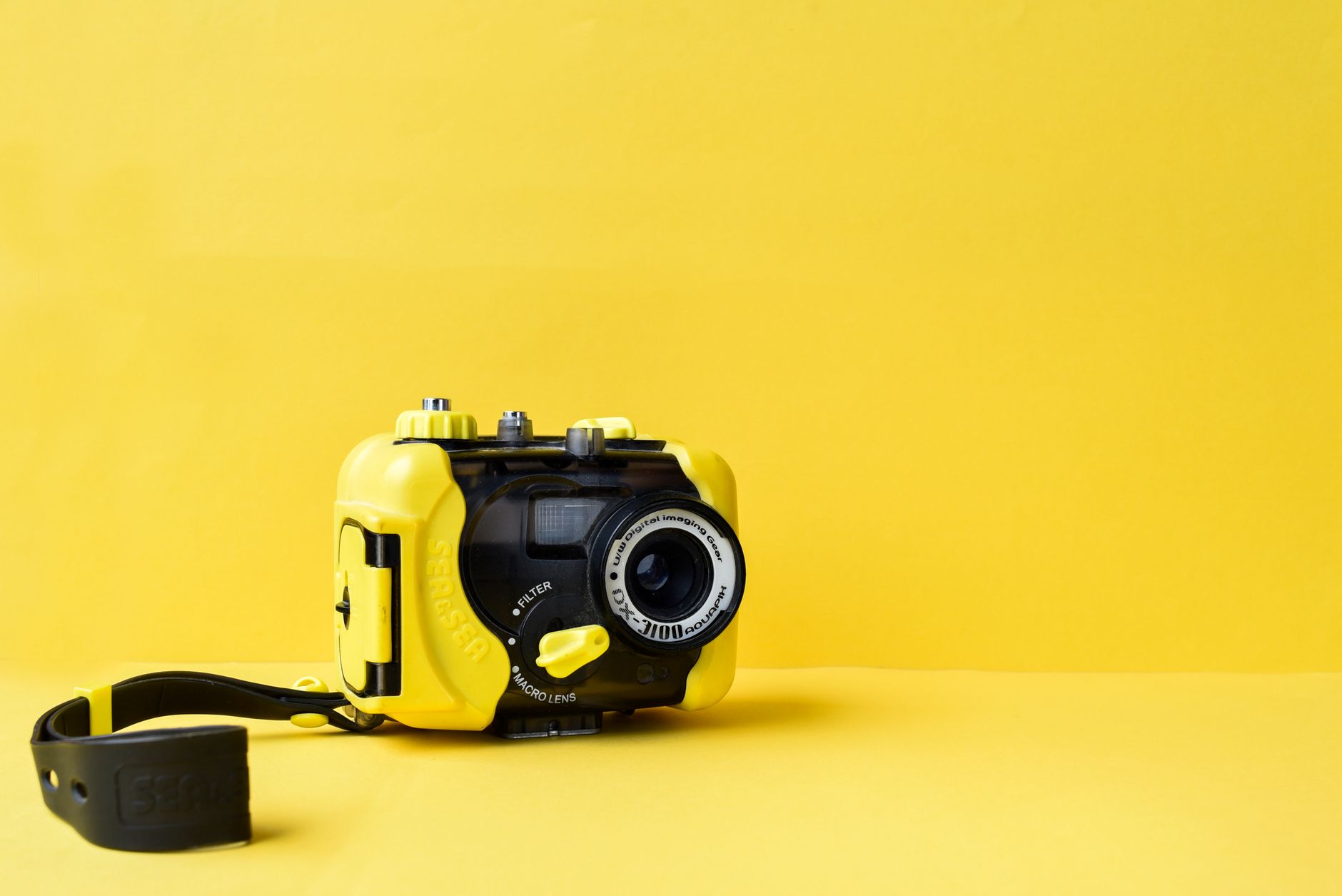
Ever dreamt of freezing those fleeting moments with a majestic manta ray or a vibrant coral garden? This comprehensive guide is your passport to the magical world of underwater photography, specifically tailored for beginners looking to make a splash with their first gear in October 2025. Get ready to transform your dive memories into stunning, shareable masterpieces! ---
Dive Into Magic: Your Ultimate Guide to Beginner Underwater Photography Gear (October 2025)
The first time I saw a whale shark, a gentle giant gliding effortlessly through the cerulean waters off the coast of Oslob, Philippines, my heart nearly burst. It was majestic, ethereal, and utterly breathtaking. I watched, mesmerized, as it swam past, its colossal body dappled with star-like spots, and in that moment, all I could think was: "I have to capture this." I had my trusty waterproof phone, of course, but the resulting blurry, green-tinged blobs barely hinted at the grandeur I’d witnessed. That’s when the spark ignited. That’s when I knew I needed to dive deeper – not just into the ocean, but into the captivating world of underwater photography.
Fast forward a few years, countless dives, and more than a few trial-and-error moments, and I've learned that capturing the ocean's magic isn't just for the pros. It's accessible, incredibly rewarding, and with the right beginner gear, you too can start telling your underwater stories. As we approach October 2025, the world of underwater photography gear is more exciting and user-friendly than ever. Whether you're planning a tropical escape to the Maldives, exploring the vibrant reefs of Raja Ampat, or simply eager to document your local lake's hidden treasures, this guide is your definitive starting point. Forget blurry phone shots; let's get you equipped to capture the vibrant, awe-inspiring beauty that lies beneath the surface!
Why Dive In? The Irresistible Allure of Underwater Photography
Why bother with specialized gear when you can just enjoy the view? Because underwater photography isn't just about taking pictures; it's about preserving memories, sharing wonders, and even contributing to marine conservation. Imagine showing your friends the intricate details of a pygmy seahorse, the playful dance of clownfish in an anemone, or the sheer scale of a shipwreck. These images transport people, educate them, and inspire them to appreciate and protect our oceans.
For me, it’s also about the challenge and the immense satisfaction of nailing that perfect shot. It's a meditative process, requiring patience, good buoyancy, and an understanding of light and marine behavior. Every successful photo feels like a small victory, a testament to the magic I've been privileged to witness. And trust me, once you see your first truly stunning underwater photograph, you'll be hooked.
Your First Splash: Understanding the Basics of Underwater Gear
Before we dive into specific recommendations, let's break down the core components of an underwater photography setup for beginners. Unlike land photography, the marine environment adds unique challenges: pressure, limited light, and the need for absolute waterproofing.
- The Camera Body: This is your primary image-capturing device. For beginners, we're primarily looking at compact cameras or action cameras. While professional setups often involve bulky DSLRs or mirrorless cameras in massive housings, these are overkill (and over-budget) for starting out.
- The Underwater Housing: Unless your camera is specifically rated for significant depth (like some rugged compacts), you'll need a dedicated housing. This is a sealed, pressure-resistant case that protects your camera and allows you to operate its controls underwater. This is non-negotiable for most setups.
- Underwater Lighting (Strobe or Video Light): The deeper you go, the more colors the water absorbs, particularly reds and oranges. External lighting is crucial for bringing back those vibrant hues and for adding dimension to your subjects. Don't underestimate its importance!
- Accessories: Think trays, arms, buoyancy aids, and maintenance kits. These improve stability, allow you to mount your lights, and keep your gear in top shape.
Now, let's get specific about what you should be looking at for October 2025.
The Heart of the Matter: Compact Cameras & Action Cams for Beginners (October 2025 Picks)
The good news is that camera technology has advanced significantly, offering fantastic options for every budget and skill level. For beginners, I always recommend starting with something manageable, allowing you to focus on buoyancy and composition rather than complex camera settings.
1. Action Cameras: Your Pocket-Sized Powerhouses (GoPro, DJI Osmo Action)
Action cameras are undeniably the easiest and most budget-friendly entry point into underwater photography, especially if you're keen on video. By October 2025, we can expect even more advanced models building on current successes.
- Pros: Incredibly compact, excellent video quality (often 4K or higher), wide-angle lenses perfect for big scenes (wrecks, schooling fish), very user-friendly, and relatively affordable. Many are waterproof to shallow depths (10-15m) out of the box, but a dedicated dive housing is essential for deeper dives.
- Cons: Still photo quality, especially in low light, can be limited compared to dedicated cameras. Less manual control over settings.
- October 2025 Picks:
- GoPro Hero 14/15 (or its successor): GoPro consistently innovates. By late 2025, we'll likely see the Hero 14 or 15 offering even better image stabilization, improved low-light performance, and potentially higher megapixel counts for stills. Expect features like enhanced HyperSmooth and improved color science.
- Price Estimate (Camera + Housing): $350 - $600 USD
- My Take: Perfect for snorkelers, freedivers, or divers who prioritize video and don't want to break the bank. Add a red filter for color correction in tropical waters, and you're good to go!
- DJI Osmo Action 5/6 (or its successor): DJI's action cameras are strong contenders, often praised for their front-facing screens and excellent stabilization. By 2025, expect similar advancements to GoPro, with a focus on robust build quality and intuitive interfaces.
- Price Estimate (Camera + Housing): $300 - $550 USD
- My Take: A fantastic alternative to GoPro, especially if you appreciate DJI's ecosystem.
2. Rugged Compact Cameras: Ready for Adventure (Olympus Tough TG-Series, Ricoh WG-Series)
These cameras are built tough, often waterproof to significant depths without an additional housing, and excel in macro photography.
- Pros: Durable, shockproof, freezeproof, and waterproof to 15-20 meters (50-65 feet) right out of the box. This means less bulk for shallow dives and snorkeling. They often have excellent macro modes, making them fantastic for tiny critters. More manual control than action cameras.
- Cons: Still require a dedicated housing for deeper dives (beyond 15-20m). Image quality, while good, might not match higher-end compacts.
- October 2025 Picks:
- Olympus Tough TG-7/8 (or its successor): The TG series is legendary in the underwater community for its incredible macro capabilities and robust design. The TG-6 is still a benchmark, and by 2025, we'll likely see a TG-7 or TG-8 with incremental improvements like better sensors, faster processors, and potentially 8K video. Its microscopy mode is unparalleled for tiny marine life.
- Price Estimate (Camera): $500 - $800 USD (Housing extra for deep dives, approx. $300-$500)
- My Take: If you love macro photography and want a camera that can handle anything you throw at it, the TG-series is your best friend. I've personally seen divers capture mind-blowing nudibranch and tiny crab shots with these.
- Ricoh WG-Series (Latest Model): While less popular than Olympus for underwater, Ricoh's WG cameras offer similar ruggedness and unique features like ring lights for macro. They are a solid alternative if you find a good deal.
- Price Estimate (Camera): $350 - $600 USD
- My Take: A decent choice if the Olympus isn't available or if you find a better price point, but generally, the Olympus TG line is the go-to for serious underwater rugged compact photography.
3. Advanced Compact Cameras with Housings: Stepping Up Your Game (Sony RX100, Canon G7X, Fujifilm X-E)
If you're looking for superior image quality, more manual control, and greater versatility, these cameras paired with a dedicated underwater housing are your next step.
- Pros: Larger sensors (typically 1-inch) deliver significantly better image quality, especially in low light. More advanced manual controls, allowing for creative adjustments to aperture, shutter speed, and ISO. Excellent video capabilities.
- Cons: More expensive, bulkier due to the housing, and require more attention to maintenance (O-rings, seals).
- October 2025 Picks:
- Sony RX100 Series (Mark VIII/IX or successor): Sony's RX100 line is a powerhouse, known for its superb image quality, fast autofocus, and compact size. By 2025, expect even faster burst rates, improved video features, and potentially more advanced AI-driven autofocus.
- Price Estimate (Camera + Housing): $1200 - $2500 USD (camera ~$800-$1200, housing ~$400-$1300 depending on brand)
- My Take: This is where I started to feel like a "real" underwater photographer. The image quality jump is noticeable, and the ability to add strobes truly transforms your photos. My first truly vibrant coral shot, taken in Komodo, Indonesia, was with an RX100 setup, and it blew me away.
- Canon PowerShot G7X Mark IV (or successor): Canon's G7X series offers similar performance to the RX100, often with a slightly more user-friendly interface for those familiar with Canon. By 2025, expect refinements in sensor technology and video capabilities.
- Price Estimate (Camera + Housing): $1100 - $2200 USD
- My Take: A fantastic alternative to the Sony, especially if you prefer Canon's color science.
- Fujifilm X-E Series with Underwater Housing (e.g., X-E4/5): While less common for dedicated underwater use, Fujifilm's compact mirrorless cameras offer stunning image quality and film simulations. With a third-party housing (like those from Nauticam or Ikelite), these can be excellent for beginners who want mirrorless quality without the full DSLR bulk.
- Price Estimate (Camera + Housing): $1500 - $3000 USD
- My Take: A more niche but incredibly rewarding option for those who love Fujifilm's aesthetic.
Beyond the Camera: Essential Accessories for Underwater Success
Having the right camera is just the beginning. These accessories are crucial for elevating your shots and ensuring your gear's longevity.
1. Underwater Housings: Your Camera's Lifeline
- Why they're crucial: Even if your camera is waterproof to 15m, a dedicated housing extends its depth rating (often to 40-60m or more) and provides physical protection.
- Types:
- Manufacturer-specific: Designed specifically for your camera model (e.g., Olympus PT-059 for TG-6). Often more affordable.
- Third-party (Ikelite, Nauticam, Sea&Sea, Fantasea): These offer higher depth ratings, better ergonomics, and often allow for more accessories like external lenses. They are an investment but worth it.
- Key Tip: ALWAYS check the depth rating of your housing and ensure it exceeds your planned maximum dive depth. And practice assembling/disassembling it before your trip!
2. Underwater Lighting: Bringing Back the Color
This is arguably the most impactful upgrade you can make to your beginner setup. Water absorbs color, especially red, quickly. Lighting brings it back.
- Strobes (Flash): Best for still photography. They provide a burst of light, freezing motion and restoring natural colors.
- Beginner Recommendation: Look for compact, user-friendly strobes. The Sea & Sea YS-03 Solis (around $350-$450) or Ikelite DS50 (around $600-$700) are excellent entry-level options. They often work in "auto" mode, simplifying things for beginners.
- Video Lights (Constant Light): Best for video, but also useful for focusing your camera or as a fill light for stills.
- Beginner Recommendation: Brands like Bigblue or Kraken Sports offer great compact video lights (e.g., Bigblue AL1200NP, Kraken Hydra 1500) in the $150-$400 range. Look for lights with a high CRI (Color Rendering Index) for natural colors and a wide beam angle.
- My Tip: If you can only afford one, start with a video light. It's versatile for both photos and videos and helps with focusing. If you're serious about stills, a strobe is the way to go.
3. Trays & Arms: Stability and Light Positioning
- Why they're crucial: A tray provides a stable platform for your camera and housing, reducing shake. Arms allow you to position your strobe or video light optimally.
- Beginner Recommendation: Start with a simple single-handle tray (around $50-$100) and a single flexible arm or a short ball-arm setup (around $100-$200) for your light. This keeps things manageable. As you advance, you might add a second handle and another arm for dual lighting.
4. Buoyancy & Float Arms: Achieving Neutrality
- Why they're crucial: Your camera setup will be heavier underwater. Float arms (hollow or foam-filled arms) help achieve neutral buoyancy, making it easier to maneuver your rig and preventing it from sinking or floating uncontrollably.
- My Tip: Test your setup in a pool or shallow water to see if it's positively, negatively, or neutrally buoyant. Adjust with float arms or small weights as needed. A neutrally buoyant rig is much easier to manage and less fatiguing.
5. Maintenance Kit: The Lifesaver
- Essentials: O-ring grease, O-ring remover tool, silica gel packets (to absorb moisture), lens cleaning solution and cloth, spare O-rings (especially for your housing).
- My Tip: After every dive, rinse your housing thoroughly in fresh water (with the camera still inside!), dry it, and only open it when you're in a clean, dry environment. Inspect O-rings meticulously for any hair, sand, or cracks. A tiny speck can lead to a flood!
Mastering the Depths: Beginner Tips for Stunning Shots
Gear is only half the battle. Here are some actionable tips to help you capture incredible images from your very first splash.
- Buoyancy Control is EVERYTHING: This is the golden rule. Master your buoyancy so you can hover effortlessly without touching the reef or stirring up sand. Good buoyancy protects the environment and frees you to focus on your shot. Practice, practice, practice!
- Get Close, Then Get Closer: Water absorbs light and clarity. The more water between your lens and your subject, the more muted and blurry your photo will be. Minimize that water column!
- Shoot Upwards (When Possible): Whenever you can, try to get below your subject and shoot upwards towards the surface. This uses natural light, creates dramatic silhouettes, and often provides a beautiful blue background.
- Use Natural Light (Initially): Don't rely solely on your strobe/video light. In shallow, sunny conditions, natural light can be beautiful. Use a red filter for GoPro/rugged compacts in depths up to 15-20m to bring back colors.
- Know Your Gear Before You Dive: Practice assembling your housing, operating camera controls, and even taking test shots in a pool or bathtub before your first ocean dive. This reduces stress and increases your chances of success.
- Respect Marine Life: Never touch, chase, or harass marine animals. Maintain a respectful distance. Your photos will be better if the animals are relaxed and behaving naturally.
- Take Lots of Photos: Digital photography is cheap! Take multiple shots of the same subject. You'll increase your chances of getting one with perfect focus, composition, and animal behavior.
- Post-Processing is Your Friend: Even the best underwater photos benefit from a little post-processing. Adjust white balance, contrast, and saturation to bring out the vibrant colors. Start with free tools like Snapseed on your phone or basic editors on your computer.
My Personal Journey & Recommended Starter Kits (October 2025)
My journey began with that frustrating whale shark encounter. I started with a simple GoPro Hero 5 Black in its dive housing, adding a red filter. It was basic, but it allowed me to capture my first decent video of a giant manta ray in Nusa Penida, Indonesia. The thrill was immense! As I got more serious, I upgraded to a Sony RX100 Mark V in an Ikelite housing with a single Ikelite DS51 strobe. That's when my photos truly transformed. The colors popped, the details were sharp, and I felt like I was finally doing justice to the incredible scenes I was witnessing, like the vibrant soft coral gardens of Raja Ampat.
For October 2025, here are my top beginner kit recommendations, balancing performance and budget:
1. The "Adventure Seeker" Kit (Budget-Friendly Action)
- Camera: GoPro Hero 14/15 (or successor)
- Housing: Official GoPro Dive Housing
- Lighting/Filter: Backscatter FLIP filter system (red filter for tropical water)
- Accessory: Simple tray with a wrist lanyard
- Estimated Total Cost (October 2025): $450 - $700 USD
- Best for: Snorkelers, freedivers, casual divers, video enthusiasts. Great for wide-angle shots of reefs and large marine life. Super portable for travel.
2. The "Macro Marvel" Kit (Rugged & Ready)
- Camera: Olympus Tough TG-7/8 (or successor)
- Housing: Olympus PT-059 (or equivalent if deeper dives are planned)
- Lighting: Small video light (e.g., Bigblue AL1200NP)
- Accessory: Weefine WFL-05S +13 Macro Wet Lens (for incredible close-ups)
- Estimated Total Cost (October 2025): $1000 - $1500 USD
- Best for: Divers who love finding tiny critters (nudibranchs, pygmy seahorses), excellent for both shallow and deeper dives, very durable.
3. The "Serious Starter" Kit (Advanced Compact)
- Camera: Sony RX100 Mark VIII/IX (or successor)
- Housing: Fantasea, Ikelite, or Nauticam housing (choose based on budget and ergonomics)
- Lighting: Entry-level strobe (e.g., Sea & Sea YS-03 Solis)
- Accessory: Double-handle tray with two flexible arms
- Estimated Total Cost (October 2025): $1800 - $3000 USD
- Best for: Beginners serious about image quality, wanting more manual control, and ready to invest in a system that can grow with them. Excellent for both wide-angle and macro with additional wet lenses.
Future-Proofing Your Passion: Upgrading and Growing
Once you've mastered your beginner setup, you'll naturally start thinking about upgrades. This might involve adding a second strobe, investing in higher-quality wet lenses (macro or wide-angle), or eventually moving to a mirrorless camera system (like a Sony A7C, Canon EOS R10, or Fujifilm X-T5 in an advanced housing).
The key is to learn your current gear inside and out. Understand its limitations and how to push them. The best photographers aren't necessarily those with the most expensive gear, but those who understand how to use what they have to its fullest potential.
Ready to Make a Splash?
The underwater world is a realm of unparalleled beauty, mystery, and wonder. With the right gear and a passion for exploration, you can capture its magic and share it with the world. October 2025 is the perfect time to take the plunge, invest in your first underwater photography setup, and start creating memories that will last a lifetime.
Imagine yourself, camera in hand, hovering silently as a school of barracuda swirls around you, or capturing the intricate patterns of a peacock mantis shrimp. These aren't just dreams; they're moments waiting to be photographed. So, what are you waiting for? Research your ideal kit, practice your buoyancy, and get ready to tell your own incredible underwater story.
What's your dream underwater shot? Share your aspirations and any questions you have in the comments below! And don't forget to tag us on Instagram with #TripsoraUnderwater when you share your first masterpiece!
---
More pictures


Tags
Share this guide
We may earn a commission if you click a link and buy a product or service, at no extra cost to you. How affiliate links work.
Been there?