
Ready to escape the curated feeds and taste the true soul of a city? We're diving deep into the bustling, fragrant world of night markets where locals truly eat, far from the selfie sticks and sponsored posts. Prepare your taste buds for an unforgettable, authentic culinary adventure that influencers simply don't want you to know about. ---
The aroma hit me first – a complex symphony of grilled meats, simmering broths, pungent spices, and sweet fried dough. It wasn't the sanitized, brightly lit, English-menu-laden "famous" night market I'd just left, teeming with tourists awkwardly posing for photos. No, this was different. This was real.
I’d stumbled upon it down a dimly lit alley in Bangkok, guided by nothing more than the distant murmur of a crowd and an insatiable curiosity. My previous experience at the "must-visit" market had been… underwhelming. Overpriced food, long queues for mediocre dishes, and a distinct lack of local flavor, both literally and figuratively. It felt like a stage set for Instagram, not a place for genuine culinary exploration.
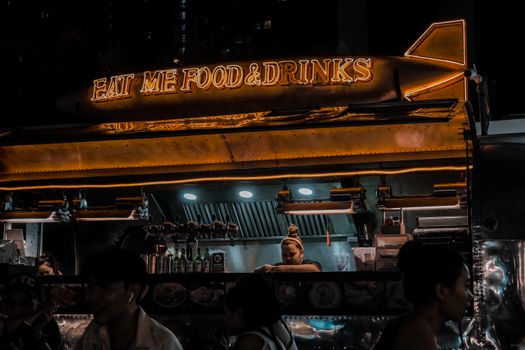
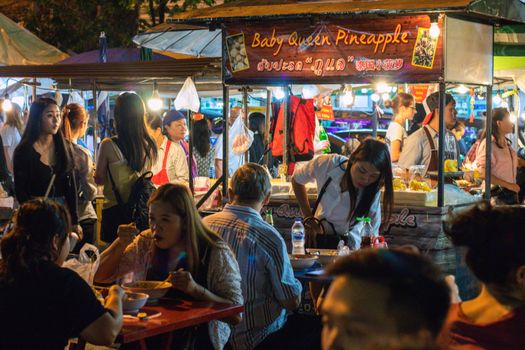
But this alley market? It was a riot of sights, sounds, and smells. Grandmothers expertly flipping omelets, teenagers slurping noodles on tiny plastic stools, families sharing plates of steaming dumplings. There wasn't an English menu in sight, nor a single influencer meticulously framing a shot. This was where the city truly came alive after dark, where the heart of its culinary culture beat strongest. And in that moment, devouring a plate of the most incredible, spicy Isaan sausage I’d ever tasted for less than a dollar, I knew I had found my mission: to share these hidden havens with you.
The Influencer Illusion vs. Local Reality: Why Authenticity Gets Lost
Let's be honest. The travel world has changed. Instagram feeds dictate itineraries, and algorithms push "viral" spots. While there's nothing wrong with a beautiful photo, the pursuit of aesthetic perfection often overshadows the raw, unpolished beauty of genuine local experiences. Influencers, often bound by brand deals, ease of access, or the need for a universally "pretty" shot, tend to gravitate towards the same well-trodden paths.
These paths, while sometimes charming, are often sanitized for tourist consumption. The prices creep up, the authenticity of the food can waver, and the vibrant local energy gets diluted by crowds of visitors looking for the same photo op. The true magic, my friends, often lies just a few blocks away, down an unpaved road, or behind an unassuming facade – places where the food is cooked with generations of tradition, where the flavors are unapologetically bold, and where the only "likes" that matter are the satisfied smiles of the locals.
These aren't the places for perfectly staged flat lays. They're for messy fingers, happy bellies, and stories you'll tell for years. They’re for connecting with a culture through its most universal language: food.
Decoding the Local Night Market Vibe: How to Spot the Real Deal
So, how do you find these elusive culinary treasures? It takes a bit of courage, a dash of intuition, and a willingness to step outside your comfort zone. Here’s what I look for:
- The Language Barrier is Your Friend: If you see more English than the local script, it's likely a tourist spot. The best markets often have minimal English signage, if any. Embrace the challenge; pointing and smiling are universal languages.
- Follow the Locals (Literally): This is my golden rule. If a stall has a long queue of locals, it's almost always a winner. They know where the good stuff is.
- The Aroma Test: Does it smell like genuine, hearty cooking, or something generic? The best markets have a distinct, intoxicating scent profile that speaks volumes about the fresh ingredients and traditional methods.
- Plastic Stools & Humble Setups: Forget fancy decor. The most authentic spots often feature rickety plastic tables, basic seating, and simple, functional stalls. The focus is entirely on the food.
- Specific Food Focus: While some markets offer variety, many truly local gems have stalls specializing in one or two dishes they do exceptionally well. This expertise usually translates to incredible flavor.
- Beyond Souvenirs: While some local markets might sell household goods or clothing, if it's primarily souvenir stalls, you're likely in a tourist trap. Look for fresh produce, meats, and everyday items being sold alongside the food.
My Top Undiscovered Gems: Where to Eat Like a Local
I've scoured cities across the globe, following my nose and my gut, to bring you some of my absolute favorite night markets where the food is king and the tourist crowds are (blissfully) absent.
1. Khlong Toei Market, Bangkok, Thailand: The Belly of the Beast
Forget Asiatique or even parts of Jodd Fairs. Khlong Toei is Bangkok's largest wet market, and while it's primarily a bustling wholesale hub during the day, as evening descends, the perimeter and some inner sections transform. This isn't a "night market" in the conventional sense of curated stalls, but rather a collection of incredibly authentic food vendors catering to the market workers and local residents.
- The Vibe: Gritty, raw, and unapologetically Thai. You'll navigate narrow paths between stalls overflowing with exotic fruits, fresh seafood, and mountains of spices. The cooked food section is less about ambiance and more about pure, unadulterated flavor. It's hot, humid, and utterly exhilarating.
- What to Eat:
- Pla Pao (Salt-Crusted Grilled Fish): Look for whole fish, often Tilapia or Snakehead, generously crusted with salt and herbs, slow-grilled over charcoal. The skin is crispy, the flesh moist and flaky. Served with a fiery seafood dipping sauce and sticky rice. Expect to pay: 150-250 THB ($4-7 USD) for a whole fish.
- Isaan Sausage (Sai Krok Isaan): Fermented pork and rice sausage, grilled until slightly charred, often served with fresh cabbage, ginger, and chilies. A tangy, savory, addictive snack. Expect to pay: 20-40 THB ($0.60-$1.20 USD) for a skewer.
- Khao Man Gai (Hainanese Chicken Rice): Simple, comforting, and done to perfection. Tender poached chicken served over fragrant rice cooked in chicken broth, with a spicy ginger-garlic sauce. Expect to pay: 40-60 THB ($1.20-$1.80 USD).
- Tripsora Tip: Go after 6 PM when the market workers are finishing up and looking for dinner. Don't be shy; point at what looks good. The experience is as much about the immersion as it is about the food.
2. Chau Long Market, Hanoi, Vietnam: A Timeless Culinary Journey
While many tourists flock to the Old Quarter's night market, Chau Long Market, nestled near Truc Bach Lake, offers a glimpse into Hanoi's everyday culinary life. While it operates throughout the day, some of its best food stalls truly come alive in the late afternoon and early evening, catering to locals stocking up on dinner or grabbing a quick bite.
- The Vibe: Less of a dedicated "night market" and more of a traditional wet market that transitions into an evening food hub. It’s a sensory overload of sounds – vendors calling out, motorbikes whizzing by, the clatter of chopsticks on ceramic bowls. The air is thick with the scent of simmering broths and grilling meats.
- What to Eat:
- Bún Chả: Hanoi's iconic dish of grilled pork patties and slices of pork belly served in a sweet and sour broth with vermicelli noodles and a mountain of fresh herbs. It's a symphony of textures and flavors. Expect to pay: 30,000-50,000 VND ($1.20-$2 USD).
- Phở Cuốn (Fresh Pho Rolls): A lighter, often overlooked variation of pho. Slices of beef and fresh herbs rolled in a delicate, un-cut pho noodle sheet, served with a savory dipping sauce. Perfect for a warm evening. Expect to pay: 25,000-40,000 VND ($1-1.60 USD) for a plate.
- Chè (Sweet Dessert Soup): A delightful array of sweet soups, often made with beans, fruits, jellies, and coconut milk. Perfect for cooling down after spicy food. Expect to pay: 15,000-25,000 VND ($0.60-$1 USD).
- Tripsora Tip: Look for small, unassuming eateries with plastic stools spilling onto the sidewalk. Many of these have been run by the same families for decades. Don't be afraid to try multiple places for different dishes.
3. Mercado de San Cosme, Mexico City, Mexico: A Taco Lover's Paradise
Mexico City is a street food mecca, but many tourists stick to the well-known spots in Roma or Condesa. Head to Mercado de San Cosme, a bustling traditional market in the Cuauhtémoc borough, and you'll find a different world. While it's a daytime market, many food stalls around its perimeter and inside its food court extend their hours, especially on weekends, serving the local community.
- The Vibe: Energetic, colorful, and utterly authentic Mexican. The market itself is a labyrinth of fresh produce, flowers, and spices. The food section is loud, lively, and filled with the sizzling sounds of griddles and the chatter of locals. It's a true feast for the senses.
- What to Eat:
- Tacos al Pastor: The undisputed king. Marinated pork, cooked on a vertical spit, shaved onto warm tortillas with pineapple, cilantro, and onion. The best stalls here will have a line. Expect to pay: 15-25 MXN ($0.80-$1.40 USD) per taco.
- Quesadillas de Huitlacoche: Don't let the name scare you (corn smut!). This mushroom-like fungus is a delicacy, offering an earthy, umami flavor. Wrapped in a fresh tortilla with cheese, it's a must-try. Expect to pay: 30-50 MXN ($1.60-$2.80 USD).
- Sopa de Tortilla: A rich, comforting tortilla soup, often served with avocado, cheese, and crispy tortilla strips. Perfect for a cooler evening. Expect to pay: 60-90 MXN ($3.30-$5 USD).
- Tripsora Tip: Wander through the main market first to soak in the atmosphere, then head to the food stalls. Don't be afraid to try the aguas frescas (fresh fruit waters) – they're incredibly refreshing.
4. Nanjichang Night Market, Taipei, Taiwan: A Taste of Old Taipei
Taipei is famous for its night markets, but many, like Shilin or Raohe, have become tourist magnets. For a truly local experience, venture to Nanjichang (South Airport) Night Market. It’s smaller, older, and caters almost exclusively to residents, offering a nostalgic glimpse into Taipei's culinary past.
- The Vibe: Unpretentious, cozy, and buzzing with local chatter. It lacks the flashy signs and elaborate setups of bigger markets but makes up for it with genuine warmth and incredible food. It feels like stepping into a neighborhood gathering.
- What to Eat:
- Lu Rou Fan (Braised Pork Rice): A Taiwanese staple. Fragrant rice topped with succulent, slow-braised pork belly, often served with a hard-boiled egg. Simple perfection. Expect to pay: 30-50 TWD ($1-1.60 USD).
- Gua Bao (Pork Belly Bun): Often called "Taiwanese burgers." A soft, steamed bun filled with tender braised pork belly, pickled mustard greens, crushed peanuts, and cilantro. A textural and flavor masterpiece. Expect to pay: 50-70 TWD ($1.60-$2.30 USD).
- Stinky Tofu (Chòu Dòufu): For the adventurous! The smell is potent, but the flavor (especially the fried version with pickled cabbage) is surprisingly addictive. It's a quintessential Taiwanese experience. Expect to pay: 60-100 TWD ($2-3.30 USD).
- Tripsora Tip: This market is known for its small, family-run stalls that have perfected their dishes over generations. Don't be afraid to try a little bit from several places. It's easy to walk around and grab small portions.
Navigating the Chaos: Practical Tips for the Authentic Foodie
Venturing into these local markets is an adventure. Here's how to make the most of it:
- Cash is King (and Small Bills are Emperor): Many local vendors won't accept cards. Always carry plenty of local currency, especially smaller denominations, to make transactions smooth.
- Embrace the Language Barrier: Don't stress! Point at what you want, use a translation app (Google Translate's camera feature is a lifesaver), and smile. Most vendors are incredibly kind and patient.
- Hygiene Smarts: Look for busy stalls – high turnover means fresh food. Observe how food is handled. If it looks suspiciously unkempt or food is sitting out for too long, trust your gut and move on.
- Go Early or Late: While these markets don't have "tourist peak hours," going just as they open or closer to closing can sometimes mean fewer crowds and more personalized service.
- Be Adventurous, But Smart: Try new things, but if you have dietary restrictions, research common ingredients beforehand or stick to dishes where you can clearly identify what's in them.
- Dress Comfortably & Lightly: These markets are often hot, crowded, and sometimes a bit messy. Wear comfortable shoes and breathable clothing. Leave your valuables securely stored.
- Watch and Learn: Observe how locals order, eat, and interact. Mimic their behavior. It's a great way to learn cultural nuances.
- Stay Hydrated: Carry a water bottle. The excitement (and sometimes the spice!) can make you thirsty.
Beyond the Plate: The Cultural Immersion
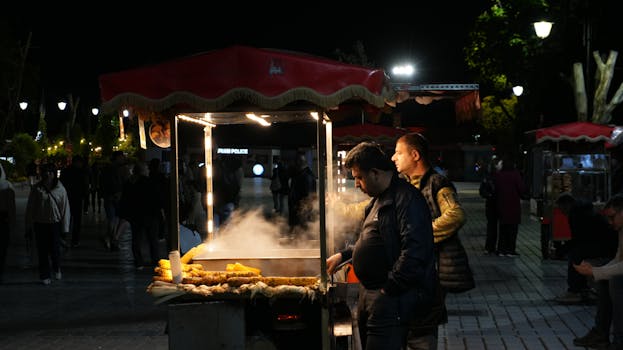
These local night markets are more than just places to eat; they are the pulsating heart of a community. They're where families gather, friends catch up, and the day's stories are swapped over steaming bowls of noodles. You'll witness genuine human connection, hear the rhythm of a city, and feel the pulse of its everyday life.
It's in these moments, perched on a tiny plastic stool, surrounded by the beautiful chaos of a truly local market, that you experience the profound joy of travel. It’s a connection that transcends language barriers, a taste that lingers long after the last bite, and a memory far richer than any perfectly filtered photo could ever capture. You're not just eating food; you're eating history, culture, and the very soul of a place.
So, next time you're planning your trip, consider ditching the influencer-approved checklist. Put away your phone (after a quick, authentic snap, of course!), and let your senses lead you. Seek out the hidden alleys, the unassuming stalls, and the markets where the locals truly feast. You might just discover the most delicious secret of your entire journey.
What's your favorite hidden night market gem? Share your authentic foodie finds in the comments below! Let's build a community of travelers who truly taste the world.
---
More pictures
Tags
Share this guide
We may earn a commission if you click a link and buy a product or service, at no extra cost to you. How affiliate links work.
Been there?