
Ever felt a pang of longing watching divers explore vibrant coral reefs, thinking "If only I could swim"? Well, prepare to have your mind blown! This post is your ultimate guide to experiencing the breathtaking underwater world, no swimming skills required.
Non-Swimmers: Dive Deep! Mind-Blowing Underwater Adventures Await
Let me tell you a secret, one that used to fill me with a quiet, persistent envy: I can’t really swim. Oh, sure, I can doggy paddle my way across a pool if my life depended on it, but anything beyond that? Forget it. For years, this held me back from what felt like the ultimate travel dream: exploring the vibrant, mysterious, and utterly mesmerizing world beneath the ocean’s surface. I’d scroll through Instagram, seeing friends free-diving with manta rays or snorkeling with turtles, and a little voice in my head would whisper, “You’re missing out.”
But then, something shifted. Call it stubbornness, call it a refusal to let a perceived limitation dictate my adventures. I started digging, asking questions, and much to my utter delight, I discovered a whole universe of underwater experiences designed precisely for people like me – the enthusiastic, ocean-loving non-swimmers!
What I found wasn't just a handful of alternatives; it was a spectrum of incredible, immersive opportunities that completely blew my mind. From walking on the seabed surrounded by fish to cruising through coral gardens in a personal submarine, the ocean truly opened up. And today, I’m thrilled to share my discoveries, my personal anecdotes, and all the practical tips you need to embark on your own unforgettable underwater journey, no breaststroke required!
Let's dive in, shall we? (Pun absolutely intended!)
1. The Dry & Mighty: Submarines & Semi-Submersibles – Your Personal Window to the Deep
Imagine this: you’re comfortably seated, air-conditioned, perhaps sipping a drink, as a massive glass window reveals a world of unimaginable beauty. Schools of iridescent fish dart past, a majestic sea turtle glides by, and vibrant coral formations stretch out before you like an alien garden. This isn't a dream, it's the reality of exploring the ocean in a tourist submarine or a semi-submersible.
This was my first true "underwater adventure," and it was nothing short of magical. I remember the slight lurch as the submarine submerged, the light outside dimming, and then, suddenly, an explosion of color. It felt like stepping into a giant, living aquarium.
What they are:
- Tourist Submarines: These are genuine submarines that fully submerge, often to depths of 100-150 feet. You sit inside a pressurized cabin, enjoying panoramic views through large portholes. They're completely dry, comfortable, and often narrated by marine experts.
- Semi-Submersibles: These vessels have an above-water deck for sunbathing and surface viewing, but their lower hull is submerged, featuring large windows. You descend a few steps into the viewing chamber, staying dry while getting up-close views of shallower reefs.
Where to find them & what to expect:
- Atlantis Submarines: These are arguably the most famous, operating in stunning locations like Hawaii (Maui, Oahu, Kona), Guam, Aruba, and St. Martin. Prices typically range from $100-$150 USD per adult for a 1-2 hour tour. I took the Atlantis Submarine in Maui, and seeing the sunken shipwrecks alongside the natural reefs was an unforgettable sight.
- Reef Discovery Submarine (Mauritius): Offers a fantastic 45-minute dive to 35 meters, perfect for spotting local marine life and exploring shipwrecks. Expect prices around €80-€100.
- Yellow Submarine (Sharm El Sheikh, Egypt): A popular choice in the Red Sea, known for its incredible coral reefs. Tours often last about 1.5 hours and cost around $50-$70.
- Great Barrier Reef Pontoon Tours (Australia): Many of the large pontoons stationed on the outer reef offer semi-submersible tours as part of their package. This is a fantastic option if you're visiting the GBR, as you get multiple activities in one. Expect package prices from $200-$300 AUD which includes ferry, lunch, and other activities.
Tripsora Tip: These are perfect for all ages and mobility levels. Book in advance, especially during peak season, as spots fill up fast! If you're prone to motion sickness, take medication beforehand, though the ride is usually very smooth.
2. Walk on the Ocean Floor: Helmet Diving & SeaTREK – My Favorite "I Can't Believe I Did That!" Moment
This is where things get truly immersive and, in my opinion, utterly mind-blowing. Imagine walking on the seabed, breathing normally, completely surrounded by schools of fish, touching coral (gently, of course!), and feeling like an astronaut exploring an alien planet. That, my friends, is helmet diving, also known as SeaTREK or "sea walking."
I first tried helmet diving in Boracay, Philippines, and it completely redefined what I thought was possible for a non-swimmer. The initial apprehension was real – lowering myself into the water, feeling the weight of the helmet settle on my shoulders. But the moment my feet touched the sandy bottom, and I looked up to see a clownfish peeking out of an anemone just inches from my face, all fear vanished. It was pure, unadulterated wonder.
How it works: You wear a specially designed helmet (it looks a bit like an old-school diving helmet, but much lighter and more comfortable) that sits on your shoulders and is constantly supplied with air from the surface via a hose. This means your head stays dry, you can wear glasses or contact lenses, and you breathe completely normally. You then descend a ladder to the seabed (usually 10-20 feet deep) and walk around with a guide. No swimming, no complex gear, no experience necessary!
Where to find them & what to expect:
- SeaTREK: This is a branded experience available in numerous locations worldwide, including Hawaii (Maui, Oahu), various Caribbean islands (Aruba, St. Lucia, Cozumel), Mexico (Cancun, Playa del Carmen), Bali (Indonesia), and even some aquariums. Look for certified SeaTREK operators for a consistent and safe experience.
- Phuket Sea Walking (Thailand): A very popular option, allowing you to explore the vibrant reefs around Phuket. Expect prices around 1,500-2,500 THB ($40-$70 USD) for a 20-30 minute walk.
- Boracay Helmet Diving (Philippines): Where I had my first experience! Prices are very competitive, often around 1,000-1,500 PHP ($18-$28 USD) for about 15-20 minutes.
- Mauritius, Maldives, Malaysia: Many resorts and tour operators in these tropical havens offer similar sea walking experiences.
Tripsora Tip: Your hair will get wet around the neck/shoulders, but your face and head stay dry. Don't forget your underwater camera or ask your guide about photo packages – you’ll want to capture these moments! Always listen carefully to your guide’s instructions, especially regarding ear equalization.
3. Glass-Bottom Wonders: Boats, Kayaks & Observatories – Passive Perfection
Sometimes, you just want to sit back, relax, and let the ocean come to you. For those moments, glass-bottom experiences are your best friend. They offer a serene, effortless way to observe marine life without even getting a toe wet.
I've spent countless hours on glass-bottom boats, especially in places like the Florida Keys and the Red Sea. There’s something so peaceful about gliding over a reef, watching the kaleidoscope of colors unfold beneath you, all from the comfort of a boat deck. And for those who prefer an even more intimate connection without getting wet, clear kayaks are a game-changer!
What they are:
- Glass-Bottom Boats: Traditional boats with large, reinforced glass panels in their hulls, allowing passengers to view the underwater world directly below.
- Clear Kayaks/Canoes: Kayaks or canoes made entirely or mostly of transparent material, offering a unique, unobstructed view directly beneath and around your vessel.
- Underwater Observatories: Stationary structures, often built into the ocean or coastal areas, featuring large windows below the waterline for continuous marine life viewing.
Where to find them & what to expect:
- Glass-Bottom Boats: Almost any popular coastal tourist destination with reefs will offer these.
- Florida Keys (John Pennekamp Coral Reef State Park): Offers excellent tours over the only living coral reef in the continental US. Tours usually cost around $30-$45 USD for 2-2.5 hours.
- Red Sea (Egypt, Jordan): Famous for its vibrant corals. Many resorts and tour operators in Sharm El Sheikh, Hurghada, and Eilat (Israel) offer glass-bottom boat trips. Prices typically $20-$40 USD.
- Maldives: Many resorts offer complimentary or paid glass-bottom boat tours, and some even have glass-bottom sections in their overwater bungalows!
- Clear Kayaks/Canoes: Increasingly popular in calm, clear waters.
- Bora Bora, Hawaii, Caribbean islands, parts of Mexico: Many resorts and rental companies offer these. Rental prices typically range from $30-$60 USD per hour/half-day. It's a fantastic way to paddle over shallow reefs and spot fish.
- Eilat Underwater Observatory Park (Israel): A prime example of a permanent observatory, allowing you to descend to an underwater viewing chamber. Expect entrance fees around $25-$35 USD.
Tripsora Tip: These are fantastic for families with young children or anyone who prefers a completely dry, relaxed experience. If you opt for a clear kayak, go on a calm day for the best visibility and less chance of getting splashed.
4. Snorkeling for the Shallow-Minded (and Non-Swimmers!) – My Journey to Confidence
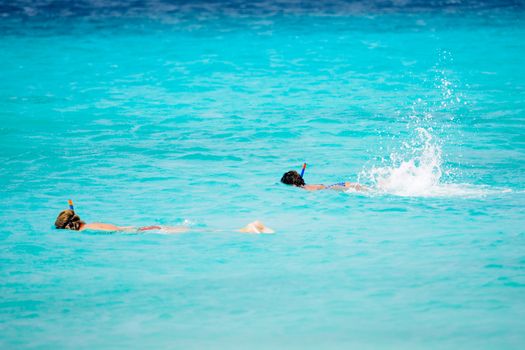
Okay, I know what you’re thinking: “Snorkeling? But you said you can’t swim!” And you’re right, traditionally, snorkeling involves some level of comfort in the water. But hear me out – with the right gear, guidance, and mindset, snorkeling is absolutely accessible for non-swimmers, especially in calm, shallow waters. This was a personal victory for me, a slow build of confidence that eventually let me float above some truly stunning reefs.
My first "snorkeling" attempt involved clutching a life vest like it was my lifeline, staying in water no deeper than my waist, and slowly, cautiously, putting my face in the water. The first time I saw a school of tiny, iridescent fish dart beneath me, I gasped (through my snorkel, thankfully!). It was exhilarating.
How non-swimmers can snorkel:
- Life Vests & Noodle Floats: These are your best friends. A good, snug life vest will keep you effortlessly afloat, allowing you to focus purely on the underwater view. Noodle floats offer extra stability.
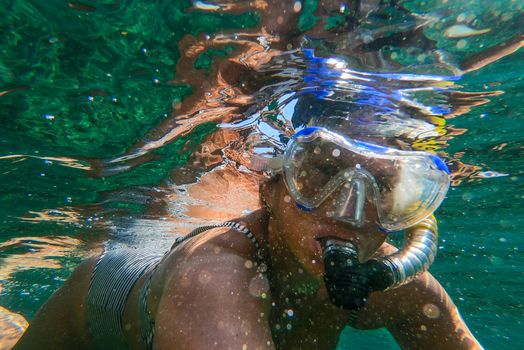
- Full-Face Snorkel Masks: These revolutionary masks cover your entire face, allowing you to breathe naturally through your nose and mouth, eliminating the discomfort of a traditional snorkel mouthpiece. They also often offer a wider field of vision.
- Shallow, Calm Waters: Start in areas where you can easily stand up, like protected lagoons or resort beaches. This builds confidence and allows you to take breaks whenever needed.
- Guided Tours with Buoyancy Aids: Many snorkeling tours cater to beginners and provide life vests. Inform your guide that you're a non-swimmer; they can offer extra assistance and point out ideal shallow spots. Some even offer "snorkeling safaris" where you hold onto a rope attached to the boat, being pulled along slowly.
- Flotation Devices (e.g., Snorkel Boards): Some tours provide boards with a viewing window and handles, allowing you to float above the reef while looking down.
Where to find them & what to expect:
- Resort Beaches with Calm Lagoons: Many resorts in places like Bora Bora, Fiji, Maldives, and parts of the Caribbean have incredibly calm, shallow waters perfect for beginner snorkelers.
- Great Barrier Reef Pontoons (Australia): Again, the large pontoons often have designated, roped-off shallow areas with life vests available, specifically for non-swimmers or those less confident in the water.
- Anywhere with a good, protected beach: Look for areas with minimal currents and clear water. Ask locals or your hotel staff for recommendations.
Tripsora Tip: Don't be ashamed to wear a life vest, even if others aren't. Your safety and comfort are paramount. Invest in your own full-face snorkel mask if you plan multiple trips – hygiene and a perfect fit make a huge difference. Practice breathing through the mask in a bathtub or shallow pool first to get comfortable.
5. Immersive Tech & Grand Aquariums: The "Almost There" Experience
While not truly "underwater" in the sense of being in the ocean, these experiences offer incredible ways to connect with marine life and explore virtual underwater worlds, perfect for those who want a completely dry, controlled environment.
I’ve always loved aquariums, but modern ones are on a whole different level. Walking through a massive tunnel with sharks swimming overhead at the Georgia Aquarium, or watching a whale shark glide by at Okinawa Churaumi, feels incredibly immersive. And then there's VR, which has completely opened up new dimensions of exploration!
What they are:
- World-Class Aquariums: These aren't just fish tanks; they're marine science centers with massive exhibits, walk-through tunnels, and often interactive displays that make you feel like you're part of the ocean.
- Virtual Reality (VR) Underwater Experiences: Step into a headset and be transported to vibrant coral reefs, swim with whales, or explore sunken shipwrecks, all from the comfort of a dry seat.
Where to find them & what to expect:
- Aquariums:
- Georgia Aquarium (Atlanta, USA): Home to whale sharks and manta rays, with a fantastic walk-through tunnel. Entry is around $40-$50 USD.
- Dubai Aquarium & Underwater Zoo (UAE): Located in the Dubai Mall, it boasts one of the largest suspended aquariums in the world. Entry around $30-$50 USD.
- Okinawa Churaumi Aquarium (Japan): Famous for its massive Kuroshio Sea tank, home to whale sharks and manta rays. Entry around ¥1,880 ($12-15 USD).
- Monterey Bay Aquarium (California, USA): Known for its incredible kelp forest exhibit and focus on conservation. Entry around $50-$60 USD.
- Two Oceans Aquarium (Cape Town, South Africa): Features diverse marine life from the Atlantic and Indian Oceans. Entry around R230 ($12-15 USD).
- VR Experiences: Increasingly available at museums, theme parks, and dedicated VR centers in major cities worldwide. Search for "VR diving experience" or "underwater VR" in your destination. Prices vary widely but often range from $15-$40 USD for a session.
Tripsora Tip: Aquariums are excellent year-round, rain-or-shine options. Check for feeding times or special shows. For VR, ensure the headset is clean and comfortable, and choose experiences with good reviews for the most realistic immersion.
6. Practical Tips for Your Non-Swimmer Underwater Adventure
Now that you're armed with possibilities, here are some actionable tips to ensure your underwater adventure is smooth, safe, and truly unforgettable:
- Always Inform Your Guides: Before booking or starting any activity, clearly communicate that you are a non-swimmer or not confident in the water. This allows them to provide extra attention, appropriate gear (like life vests), and reassurance.
- Embrace the Life Vest (or other flotation): There's no shame in wearing a life vest for any activity that involves being in the water, even if it's just for snorkeling in shallow areas. It’s about comfort and safety, not swimming prowess.
- Start Slow & Build Confidence: If you're nervous, begin with completely dry experiences like submarines or glass-bottom boats. Once you're comfortable seeing the underwater world, you might feel more confident trying helmet diving or shallow snorkeling with a vest.
- Read Reviews (Specifically for Non-Swimmers): When researching tours, look for reviews from other non-swimmers. They often share valuable insights about the tour's suitability and the staff's attentiveness.
- Book in Advance: Popular tours, especially unique ones like submarine rides or SeaTREK, can sell out quickly, particularly during peak travel seasons.
- Budget Accordingly: While some experiences like glass-bottom boats can be quite affordable, others like submarine tours or SeaTREK are more of an investment. Research prices for your specific destination.
- Consider Motion Sickness Medication: If you're prone to seasickness, take preventative measures before boat trips, submarine dives, or even helmet diving (the slight sway can sometimes be felt).
- Waterproof Camera is a Must: You'll want to capture these incredible moments! A GoPro or a waterproof phone case is highly recommended. Many tours also offer professional photo/video packages.
- Stay Hydrated & Sun Protected: Even if you're not swimming, you'll be on or near the water. Sunscreen, a hat, and plenty of water are essential.
- Ask About Accessibility: If you have mobility concerns, inquire about ramp access, comfortable seating, and assistance for boarding vessels.
The Ocean Awaits, No Swimming Required!
My journey from a wistful non-swimmer to an enthusiastic underwater explorer has been one of the most rewarding aspects of my travels. It taught me that perceived limitations are often just opportunities to find alternative, equally incredible paths. The ocean, with its boundless beauty and mystery, is not exclusive to those who can master the crawl stroke. It welcomes all of us, eager to share its wonders.
So, if you’ve been dreaming of vibrant coral, playful fish, and the serene quiet of the deep, stop waiting. The underwater world is calling, and it's ready to blow your mind, one incredible adventure at a time.
Which one will you try first? Share your experiences and plans in the comments below! Let’s inspire each other to dive into these amazing, accessible ocean adventures!
More pictures
Tags
Share this guide
We may earn a commission if you click a link and buy a product or service, at no extra cost to you. How affiliate links work.
Been there?