
Tired of the 9-to-5 grind? I was too, until I discovered the liberating power of a mobile office. This isn't just a dream; it's a practical guide to reclaiming your time, seeing the world, and truly changing your life forever. ---
How to Set Up a Mobile Office Anywhere That Changed My Life Forever
The fluorescent lights hummed, the air conditioning blasted, and the clock on my computer screen seemed to mock me with its glacial pace. Another Monday, another week trapped in a cubicle, dreaming of the world outside. I remember staring out my office window in downtown Toronto, watching the autumn leaves fall, and feeling a profound ache for something more. That day, something snapped. I wasn't just tired; I was done. Done with the commute, done with the stagnant air, done with the feeling that my life was happening after work, not during it.
Fast forward three years, and I’m typing this from a sun-drenched cafe overlooking the bustling streets of Medellín, Colombia. Later today, I’ll hike up to a viewpoint, then grab some incredible street food. Tomorrow, who knows? This isn't a vacation; it's my life, my work, my everyday. The shift from that soul-crushing cubicle to this vibrant, ever-changing reality wasn't magic. It was the deliberate, exhilarating decision to set up a mobile office, and it truly changed my life forever. If you’ve ever yearned for more than the conventional, if the idea of working from a beach in Bali or a charming cafe in Lisbon sets your heart racing, then this is for you. Let me show you how I did it, and how you can too.
The Great Escape: Why I Ditched the Desk and Embraced the World
My journey to location independence wasn't born out of a sudden trust fund or a lottery win. It was a slow burn of dissatisfaction that ignited into a fierce desire for freedom. I was a marketing manager, well-paid but utterly unfulfilled. My "vacations" felt like fleeting escapes, not genuine breaks. I craved genuine connection with different cultures, the thrill of discovery, and the simple joy of choosing my own view.
The tipping point came during a two-week trip to Thailand. I remember sitting on a beach in Koh Lanta, laptop precariously balanced on my knees, responding to a few urgent work emails. The absurdity struck me: I was working, yes, but my "office" was a tropical paradise. Why couldn't this be my everyday? The thought was intoxicating. When I returned to my office, the contrast was stark, almost painful. That's when I started researching, planning, and saving. I transitioned to freelance marketing and content creation, slowly building a client base that didn't care where I worked, only that I delivered. It wasn't easy, but the vision of that beach office kept me going. It wasn't just about escaping; it was about building a life rich with experiences, where work funded adventure, and adventure fueled my work.
Your Digital Nomad Toolkit: Essential Gear for a Seamless Mobile Office
When you're constantly on the move, every item in your backpack needs to earn its place. My first mistake was overpacking, thinking I needed every gadget under the sun. My second, more serious mistake, was underestimating the importance of reliable tech. Here’s a refined list of what I’ve found truly essential:
- Reliable Laptop: This is your command center. I swear by my MacBook Air M2 (around $1100-$1500). It's lightweight, has incredible battery life (crucial for long travel days or power outages), and handles all my tasks without a hitch. If you're into heavy video editing or design, you might need a Pro, but for most digital nomads, the Air is perfect.
- Portable Monitor (Optional but Game-Changing): For serious productivity, a second screen is a godsend. I use an ASUS ZenScreen (approx. $250-350). It’s USB-C powered and incredibly thin. It makes a huge difference when I'm deep into writing or managing multiple projects.
- Noise-Cancelling Headphones: Non-negotiable. My Sony WH-1000XM5s (approx. $350-400) are my sanctuary. They block out airport announcements, cafe chatter, and even crying babies on planes, allowing me to focus deeply.
- Portable Power Bank: Never be caught with a dead device. The Anker PowerCore 26800mAh (approx. $60-80) can charge my phone multiple times and even give my laptop a boost.
- Universal Travel Adapter with USB Ports: One adapter to rule them all. Look for one with surge protection and multiple USB-A and USB-C ports. I bought mine for about $25 on Amazon.
- Portable Wi-Fi Hotspot (Backup): While local SIMs are usually best, a dedicated hotspot like the Netgear Nighthawk M6 Pro (approx. $800, but cheaper models exist around $150-300) can be a lifesaver if you're in a pinch or need a private, secure connection. Load it with a local data SIM.
- External SSD Drive / Cloud Storage: Back up everything. I use a Samsung T7 Portable SSD (1TB for approx. $100-150) for local backups and Google Drive/Dropbox for cloud storage. Redundancy is key.
- Ergonomic Mouse & Keyboard: Your wrists will thank you. I carry a small, foldable Bluetooth keyboard and a compact ergonomic mouse. They weigh next to nothing but save me from discomfort on longer work sessions.
- Quality Backpack: Your mobile office needs a home. I invested in an Osprey Farpoint 40L (approx. $160-200), which doubles as my carry-on luggage and laptop bag. It's comfortable, durable, and has smart compartments.
Mastering Connectivity: Your Lifeline to the World (and Your Work)
"No Wi-Fi, no life," is a common digital nomad mantra, and for good reason. Reliable internet is your most critical resource. Here’s my playbook for staying connected anywhere:
- Local SIM Cards are King: Forget expensive international roaming. As soon as I land in a new country, my first stop (after immigration) is usually a local telco booth at the airport. In Thailand, I picked up a DTAC Happy Tourist SIM for about 299 Baht (approx. $8 USD), giving me unlimited data for 8 days. In Colombia, a Claro SIM with 15GB cost me around 30,000 COP (approx. $7.50 USD) for a month. These are almost always faster and cheaper than roaming or relying solely on public Wi-Fi.
- eSIMs for Convenience: For shorter stays or quick transfers, Airalo (or similar eSIM providers) can be incredibly convenient. You can buy a data plan for a specific country or region before you even land. Prices vary, but a 5GB plan for 30 days in Europe might cost around $15-20. It's a great backup, or for seamless transitions.
- Co-working Spaces: These are not just for dedicated desks; they often have incredibly fast, stable internet. Many offer day passes (e.g., Dojo Bali offered day passes for 150,000 IDR, roughly $10 USD). They’re also great for networking and a professional environment.
- Cafes with a Purpose: Not all cafe Wi-Fi is created equal. Before settling in, I do a quick speed test (fast.com is your friend). Look for cafes that explicitly cater to remote workers – they often have better infrastructure. I once found myself relying on a surprisingly robust Wi-Fi from a tiny cafe in a small town in Portugal that became my go-to for a week!
- Hotel/Airbnb Research: When booking accommodation, always check reviews for Wi-Fi quality. Some hotels boast "free Wi-Fi" but it's agonizingly slow. I often message Airbnb hosts directly to ask about their internet speed.
- Always Have a Backup: My phone's hotspot is my ultimate emergency lifeline. If all else fails, I can tether my laptop to my phone's local SIM data. This saved me during a power outage in a small village in Laos when I had an urgent client deadline.
Finding Your Perfect Workspace: From Balinese Beaches to Lisbon's Bustling Bistros
One of the greatest joys of a mobile office is the sheer variety of your "desk." I’ve worked from places I once only dreamed of.
- Co-working Spaces (My Go-To): For focused work, these are unbeatable. They offer ergonomic chairs, reliable internet, printing facilities, and a sense of community. My favorites include Dojo Bali (Canggu, Indonesia), Outsite (various locations like Lisbon, Costa Rica), and Selina (various locations, great for social nomads). Day passes typically range from $8-$25 USD. Monthly memberships offer better value if you're staying put for a while.
- Cafes (The Vibe Chasers): My absolute favorite. I seek out cafes with good natural light, comfortable seating, and visible power outlets. My routine involves buying a coffee and maybe a pastry, settling in, and being respectful of their space (don't overstay your welcome, especially during peak hours). Some gems: Nomad Cafe in Lisbon, Portugal, with its vibrant atmosphere and strong coffee, or The Elephant House in Edinburgh, Scotland, where J.K. Rowling famously wrote Harry Potter (though it's often too busy for actual work now!). I budget around $5-10 USD per day for coffee and snacks.
- Accommodation with a View: Many Airbnbs now specifically list "laptop-friendly workspaces." I once rented an Airbnb in Split, Croatia, with a balcony overlooking the Adriatic Sea. Finishing a project and immediately stepping out to that view was pure bliss. Look for dedicated desks, good lighting, and comfortable chairs in listings.
- Libraries & Public Spaces: Often overlooked, public libraries can be excellent, quiet workspaces with free Wi-Fi. University campuses sometimes offer guest Wi-Fi. I've even worked from beautiful public parks in cities like Barcelona, using my phone's hotspot, though the elements can be unpredictable!
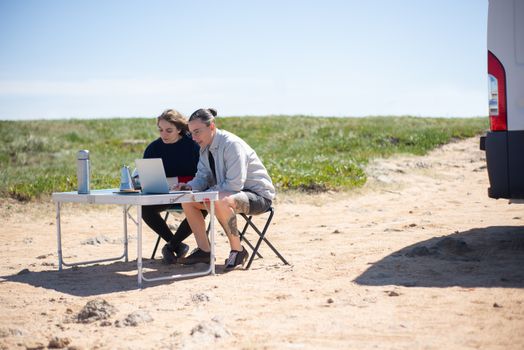
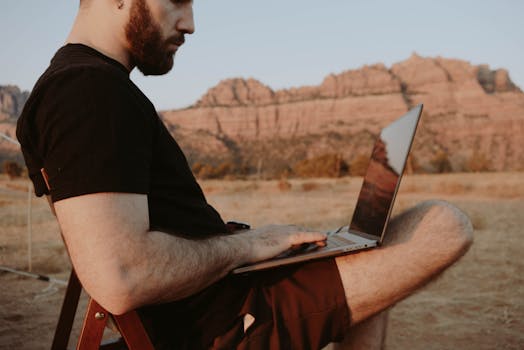
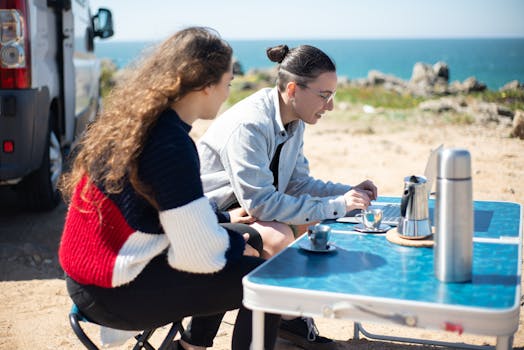
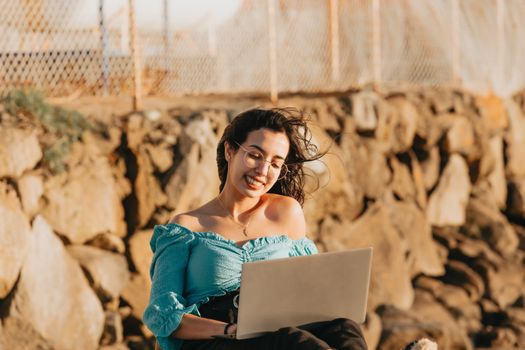
- Portable Setups: For short bursts of inspiration, I’ve worked from beachside hammocks in Mexico, train rides through Europe, and even mountain overlooks in Patagonia. This is where your power bank and a fully charged laptop come in handy. Just be mindful of sun glare and sand!
Productivity Hacks & Maintaining Work-Life Balance on the Road
The romantic image of working from a beach is often just that – an image. In reality, the sun glare makes screens impossible to see, and sand gets everywhere. Maintaining productivity and balance while constantly traveling requires discipline.
- Structure Your Day: I use the Pomodoro Technique (25 minutes of focused work, 5-minute break). This helps me break down tasks and avoid burnout. I aim for 4-6 "Pomodoros" of deep work daily.
- Set Boundaries: It’s easy to get swept up in new surroundings. I designate specific "work hours" and stick to them. From 9 AM to 3 PM, I'm working. After that, it's exploration time. This prevents work from bleeding into every waking moment.
- Create a Routine (Even a Flexible One): My mornings usually start with coffee, a quick workout (even just bodyweight exercises in my room), then diving into work. Having a predictable start helps anchor my day, no matter where I am.
- Embrace Imperfection: Things will go wrong. Wi-Fi will drop, a cafe will be too loud, you’ll get distracted by an incredible street parade. Learn to adapt, laugh it off, and have backup plans. Don't let minor setbacks derail your entire day. I once had a crucial client call interrupted by a flock of parrots outside my window in Costa Rica – I just leaned into it and made a joke!
- Prioritize Self-Care: Travel can be exhausting. Make time for exercise, healthy eating, and adequate sleep. I often cook my own meals in Airbnbs to ensure I’m getting nutrients. A yoga session or a run along a new beach can do wonders for mental clarity.
- Disconnect Regularly: Schedule tech-free days or evenings. Put your phone away, close your laptop, and truly immerse yourself in your surroundings. This prevents digital overload and allows for genuine connection with new places and people.
Overcoming Challenges & Unexpected Adventures
While the mobile office life is incredibly rewarding, it’s not without its hurdles. I’ve faced my share of frustrating moments that taught me resilience.
- The Internet Abyss: I once had a crucial video conference scheduled from a relatively remote Airbnb in the Philippines. The internet, which had been "reliable" according to the host, completely died an hour before the call. I scrambled, running to the nearest town, buying a local SIM, and tethering from a shaky 3G connection under a tree. I made the call, but it was stressful!
- Power Outages: Common in many developing countries. Always keep your devices charged, and have a power bank. I learned to schedule important tasks for mornings when power is most reliable.
- Security Scares: Working in public places means being vigilant. I never leave my laptop unattended, even for a bathroom break. I use a VPN (Virtual Private Network) like NordVPN (approx. $3-5/month) for secure connections on public Wi-Fi. Physical theft is a concern, so I'm always aware of my surroundings.
- Loneliness and Isolation: While amazing, constant travel can sometimes feel isolating, especially if you're an introvert. Co-working spaces, local meetups (check Facebook groups for "digital nomads in [city name]"), and even just striking up conversations in cafes can help. I’ve made some incredible friends this way.
- Visa Runs and Bureaucracy: Staying in a country often means being aware of visa limits. I’ve done my share of "visa runs" – quick trips across borders to reset my tourist visa. Always research visa requirements before you arrive.
These challenges, though annoying in the moment, often become the most memorable stories. They push you out of your comfort zone and force you to problem-solve in new ways, which is incredible for personal growth.
The Unforgettable Rewards: Why It's Worth Every Effort
Despite the occasional hiccup, setting up my mobile office and embracing this lifestyle has been the single best decision of my life. The rewards far outweigh any challenges:
- Unparalleled Freedom: The freedom to choose where I live, when I work, and what I do with my downtime is priceless. No more asking for vacation days, no more missing out on incredible experiences because of office hours.
- Deeper Cultural Immersion: I don't just visit places; I live in them. I learn basic phrases, discover local markets, make friends with shop owners, and truly get a feel for the rhythm of a city. That week I spent working from a small guesthouse in Hoi An, Vietnam, allowed me to explore the ancient town at dawn and dusk, long after the day-trippers had left.
- Personal Growth: Navigating new countries, solving unexpected problems, and constantly adapting has made me more resilient, resourceful, and open-minded than I ever thought possible. My perspective on the world has expanded exponentially.
- Financial Flexibility: While I earn a good living, the cost of living in many parts of the world (e.g., Southeast Asia, Latin America, Eastern Europe) is significantly lower than in Toronto. This means my money goes further, allowing me to save more and experience more. My monthly expenses in Medellín are roughly half of what they were in Toronto, for a much higher quality of life.
- A Life of Adventure: Every day is an adventure. Finishing a big project and celebrating with fresh ceviche on a beach in Peru, or hiking through ancient ruins after a productive morning – these are the moments that make it all worthwhile. I've seen sunsets from mountaintops in Patagonia, explored hidden waterfalls in Laos, and learned to salsa in Colombia, all while building a thriving career.
This isn't just about escaping a job; it's about building a life that truly aligns with your values. It’s about proving to yourself that there's more than one way to live, work, and thrive. My mobile office didn’t just change my career; it changed my entire existence. It gave me back my time, showed me the world, and allowed me to design a life I genuinely love.
---
Ready to ditch the cubicle and embrace the world? Start small, plan meticulously, and take that leap. The world is waiting for your office. What's the first dream destination for your mobile office? Share your aspirations and questions in the comments below! And don't forget to tag @Tripsora and use #TripsoraMobileOffice on your journey!
More pictures
Tags
Share this guide
We may earn a commission if you click a link and buy a product or service, at no extra cost to you. How affiliate links work.
Been there?