
For years, the magic of the underwater world felt exclusive to skilled swimmers and divers. But what if I told you that you, a proud non-swimmer, can now plunge into breathtaking marine landscapes? Get ready to discover incredible, pre-mainstream aquatic adventures that require zero swimming skills – trust me, your Instagram feed (and your soul) will thank you!
No Swim? No Problem! My Dive into Underwater Adventures Before They Go Mainstream
Let's get one thing straight: I love the ocean. The vastness, the mystery, the vibrant life teeming beneath the surface – it all calls to me. There's just one tiny, inconvenient truth: I'm not a strong swimmer. In fact, for most of my life, the idea of truly experiencing the underwater world felt like a cruel joke, a beautiful realm forever beyond my reach. Scuba diving? Snorkeling in open water? Forget about it. My fear of deep water and my less-than-graceful doggy paddle kept me firmly on the sand.
Sound familiar? If so, you're in for a revelation. Over the past few years, as a travel blogger constantly seeking out the next big thing, I’ve stumbled upon (and enthusiastically tested!) a growing number of incredible underwater adventures that require absolutely no swimming ability. These aren't just glass-bottom boats (though we'll cover those too!); these are immersive, awe-inspiring experiences that put you face-to-face with marine life, feeling like a true ocean explorer. And the best part? They're still relatively niche, offering a unique, uncrowded perspective that you absolutely need to experience before they become the next mainstream tourist craze.
Join me as I recount my personal journey from poolside observer to underwater explorer, proving that the ocean truly is for everyone.
Section 1: The "Dry" Dive – My First Glimpse into the Blue
My initial foray into underwater exploration without getting wet was, admittedly, born out of desperation. I was in the Maldives, surrounded by the most impossibly turquoise water, watching confident swimmers glide with manta rays. My heart ached. That's when a local suggested a semi-submarine tour. Skeptical but hopeful, I booked it.
Stepping into the air-conditioned cabin of the Whale Submarine (yes, that’s its name!) near Malé was like entering a secret viewing gallery. Large, panoramic windows lined both sides, and as we slowly descended, the world outside transformed. Suddenly, I wasn't just looking at the ocean; I was in it. Schools of iridescent fish swirled past, a majestic sea turtle leisurely paddled by, and vibrant coral gardens unfolded beneath us. I saw reef sharks cruising with an effortless grace that made my jaw drop. The guide pointed out different species, sharing fascinating facts, and I found myself utterly mesmerized, completely forgetting my swimming limitations.
What it feels like: Imagine sitting in a comfortable, climate-controlled room, but instead of a TV, you have a living, breathing aquarium stretching endlessly before you. It's peaceful, awe-inspiring, and incredibly accessible. You're completely dry, safe, and utterly immersed in the underwater spectacle.
Where to find them & approximate costs:
- Maldives: Whale Submarine (Malé) – A must-do. Prices start from around $80-$100 USD per person.
- Hawaii (Maui & Oahu): Atlantis Submarines (though more a full submarine, they offer a similar dry experience). Prices from $100-$130 USD.
- Caribbean (e.g., Aruba, Grand Cayman): Various semi-submarine operators. Expect prices in the $60-$90 USD range.
Pro-Tip: Book a morning tour! The water tends to be clearest, and marine life often more active. Bring a good camera with a wide-angle lens for those stunning panoramic shots!
Section 2: Walking on the Seabed – My Helmet Diving Revelation
This was the game-changer for me. The idea of helmet diving, or "sea walking," sounded utterly futuristic. You wear a specially designed helmet that rests on your shoulders, constantly supplied with air, allowing you to breathe normally while walking on the ocean floor. No swimming, no heavy gear, no complicated lessons. Just walk and breathe.
My first helmet dive was in Mauritius, off the coast of Grand Baie. After a quick briefing, I descended a ladder from a platform boat. The water was waist-deep, then shoulder-deep, and finally, a friendly guide placed the heavy, clear helmet over my head. The initial sensation was strange – a slight pressure, the sound of my own breathing amplified – but then, as I reached the seabed about 3-4 meters down, pure wonder took over.
I was walking underwater! Surrounded by a kaleidoscope of fish that seemed completely unfazed by my presence, I could reach out and almost touch them (though I resisted, respecting their habitat). The feeling of weightlessness, the gentle sway of the current, the vibrant coral beneath my feet – it was surreal. The guide even handed me some fish food, and I was instantly swarmed by a friendly, colorful cloud. My fear of the deep vanished, replaced by pure, unadulterated joy. This wasn't just seeing the ocean; this was being in the ocean.
What it feels like: It's like being an astronaut on an alien planet, except the planet is teeming with life and brilliantly colored. You're completely submerged but totally dry from the neck up. You breathe normally, can talk (though no one can hear you!), and feel completely safe and secure. It's hands-on interaction without the need for complex skills.
Where to find them & approximate costs:
- Mauritius: Numerous operators around Grand Baie and Belle Mare. Prices from $40-$60 USD.
- Bali, Indonesia: Sanur and Tanjung Benoa areas. Often combined with other water sports. Prices from $35-$50 USD.
- Great Barrier Reef, Australia (certain pontoons): Some pontoon tours offer helmet diving as an add-on. Prices from $100-$150 AUD.
- Mexico (Cancun, Cozumel): Popular in resort areas. Prices from $50-$80 USD.
Pro-Tip: Wear comfortable swimwear. Don't forget reef-safe sunscreen before you get on the boat. Listen carefully to the safety briefing; it's crucial for equalizing pressure as you descend. Your hair will get wet, but your face will stay dry inside the helmet!
Section 3: Submersible Thrills & Scooter Adventures – Deeper, Faster, More Epic
For those who want to go deeper, or perhaps add a dash of adrenaline, there are even more high-tech options that require zero swimming.
Passenger Submarines: The Deep Dive Experience
Remember the Atlantis Submarines I mentioned earlier? While some are semi-submarines, others are full, certified passenger submarines that take you to depths conventional divers rarely reach. I experienced one in Aruba, descending over 100 feet into the Caribbean Sea.
This was a completely different beast. The submarine itself was a marvel of engineering, and sitting in my comfortable seat, looking out a large porthole, I felt like a true deep-sea explorer. We glided past ancient shipwrecks, explored dramatic coral walls, and encountered creatures that prefer the deeper, cooler waters – a massive barracuda, schools of vibrant snapper, and even a glimpse of an octopus camouflaged against the rocks. The silence, broken only by the gentle hum of the sub, amplified the awe. It’s an educational and deeply moving experience, offering a perspective of the ocean that few ever witness.
What it feels like: A journey to another world. It's calm, cool, and utterly fascinating. You're safe inside a robust vessel, witnessing the untouched beauty of the deep ocean through crystal-clear windows.
Where to find them & approximate costs:
- Aruba, Grand Cayman, Barbados, St. Thomas, Hawaii (Maui & Oahu): Atlantis Submarines are the most prominent operator. Prices typically range from $100-$130 USD per person.
Underwater Scooters (BOB Sub): Your Personal Mini-Sub
This is where things get really fun and personal. Imagine riding a scooter, but underwater! The BOB (Breathing Observation Bubble) Sub is essentially a single-person submersible scooter. You sit on a seat, with a large, clear bubble helmet over your head, and you "drive" yourself around underwater.
I tried this in Grand Cayman, and it was an absolute blast. After a quick orientation, you slowly descend a ramp from a boat, and once your head is inside the bubble, you're breathing normally. The scooter has handlebars to steer and buttons to control your depth (up and down). You cruise effortlessly through coral gardens, weaving between fish, feeling completely independent. A guide is always nearby, ensuring safety, but the sense of freedom is exhilarating. It's like flying through an aquatic wonderland.
What it feels like: Pure, unadulterated fun! It’s easy to operate, gives you incredible maneuverability, and offers a more intimate, active experience than a larger submarine. You feel like a character in a James Bond movie, exploring the ocean with your own personal vehicle.
Where to find them & approximate costs:
- Grand Cayman: BOB Sub operators. Prices usually start around $90-$120 USD.
- Maui, Hawaii: Similar "scooter" experiences. Prices from $100-$130 USD.
- Cancun, Mexico: Some adventure parks offer similar self-propelled underwater experiences. Prices from $80-$100 USD.
Pro-Tip: While easy to use, pay attention to the safety instructions for operating the BOB Sub. It's a fantastic photo opportunity, so ask your guide about photo packages!
Section 4: The Best of Both Worlds – Almost Wet, Still No Swim
For those who are a little more adventurous and don't mind getting partially wet, but still can't swim, there are fantastic options that bridge the gap.
Transparent Kayaks & SUPs: Floating Over the Abyss
Imagine paddling across crystal-clear waters, and seeing the vibrant marine life directly beneath you, as if through a magic window. That's the beauty of transparent kayaks and stand-up paddleboards (SUPs). While you're on the surface, the clear bottom allows for incredible, uninterrupted views of coral reefs, fish, and even sea turtles gliding below.
I rented a transparent kayak in a calm lagoon in Palawan, Philippines. Every paddle stroke revealed a new wonder – a school of tiny, iridescent fish darting through seagrass, a solitary starfish clinging to a rock, the intricate patterns of the coral reef. It was peaceful, meditative, and profoundly beautiful. You get the fresh air, the sunshine, and the sensation of being on the water, combined with the breathtaking underwater views. If you capsize (unlikely in calm conditions, but possible!), you're in shallow water and can easily right yourself or be assisted.
What it feels like: Like having X-ray vision for the ocean floor. It's serene, active, and offers a unique perspective from the surface, connecting you to the environment without ever having to put your head underwater.
Where to find them & approximate costs:
- Palawan, Philippines (El Nido, Coron): Many resorts and tour operators offer these. Rentals from $10-$20 USD per hour.
- Bioluminescent Bays (Puerto Rico, Jamaica): Experience glowing plankton beneath your clear kayak at night – truly magical! Tour prices from $50-$70 USD.
- Florida Keys, USA: Popular for exploring mangroves and shallow reefs. Rentals from $15-$25 USD per hour.
Snorkel Safaris with Buoyancy Aids: A Step Towards the Surface
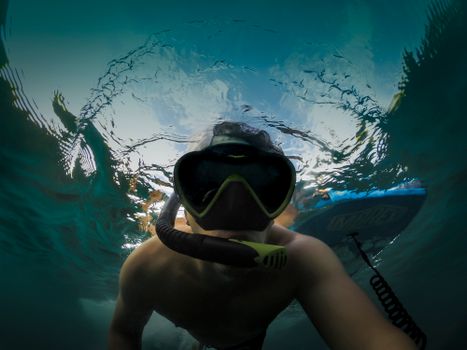
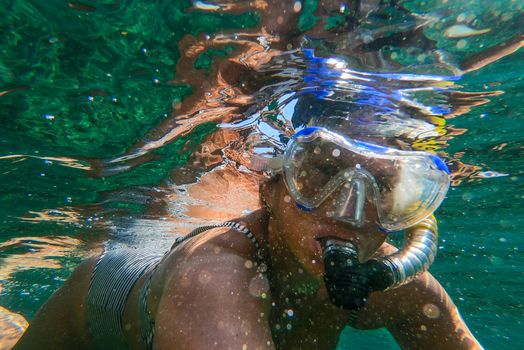
Okay, this one is for the truly brave non-swimmers who want to try snorkeling but are held back by fear. Many operators now offer "snorkel safaris" specifically designed for beginners or non-swimmers, utilizing a plethora of buoyancy aids. Think life jackets, swim noodles, flotation rings, and even guided "snuba" experiences (where you breathe through a long hose connected to a surface air supply).
My sister, also a non-swimmer, tried a guided snorkel experience in Bora Bora. She was equipped with a full-face snorkel mask (less intimidating than traditional ones) and a super-buoyant life vest. A guide held onto a flotation ring, and she simply held onto the ring, floating effortlessly as the guide pulled her along. She was able to put her face in the water and see the vibrant reef and fish, all while feeling completely secure. It was a huge step for her, building confidence in the water.
What it feels like: A gentle introduction to direct interaction with marine life. You're supported and guided, allowing you to focus on the incredible sights rather than your swimming ability. It's a safe, encouraging way to dip your toes (and face!) into the snorkeling world.
Where to find them & approximate costs:
- Bora Bora, French Polynesia: Many luxury resorts and tour operators offer tailored experiences. Prices vary widely, often part of a larger tour package ($80-$150 USD).
- Hawaii, Caribbean, Mexico: Look for "beginner snorkel tours" or "non-swimmer snorkel experiences." Often include guides and various flotation devices. Prices from $40-$70 USD.
Pro-Tip: Communicate your non-swimmer status clearly to the tour operator. They are usually very accommodating and will provide extra safety measures and personal attention. A full-face snorkel mask can be a game-changer for comfort and ease of breathing.
Section 5: Planning Your Non-Swimmer Underwater Escape – Tips for a Seamless Adventure
Ready to book your own pre-mainstream underwater escapade? Here are my essential tips to ensure your trip is as smooth and spectacular as possible:
- Do Your Research (and Read Reviews!): Not all operators are created equal. Look for companies that explicitly mention catering to non-swimmers, emphasize safety, and have excellent reviews. Pay attention to comments about guide patience and equipment quality.
- Communicate Your Needs: When booking, clearly state that you are a non-swimmer. This allows the operator to assign appropriate guides, provide extra assistance, and reassure you. Don't be shy!
- Safety First, Always: For helmet diving and BOB subs, listen intently to the safety briefing. Understand how to equalize pressure (crucial for comfort) and what emergency signals to use. These experiences are incredibly safe, but awareness is key.
- Consider Your Comfort Level: Start with "dry" experiences like semi-submarines if you're very apprehensive. If you're feeling a bit more daring, move to helmet diving or BOB subs. Transparent kayaks are a great middle ground.
- Pack Smart:
- Reef-safe sunscreen: Protect yourself and the marine environment.
- Motion sickness medication: If you're prone to seasickness, take it before you board the boat, especially for submarine tours.
- Quick-dry clothes: For activities where you might get splashed.
- Underwater camera/GoPro: Many operators offer photo packages, but having your own means you capture your unique perspective. For helmet diving, ensure it has a wrist strap!
- Swimwear: Even for dry activities, you'll likely be on a boat.
- Manage Expectations & Embrace the Unexpected: While operators strive for amazing sightings, marine life is wild and unpredictable. Enjoy the journey and the experience itself, and any incredible animal encounter will be a bonus!
- Go Now! Seriously, the "before they become mainstream" isn't just a catchy phrase. As these experiences gain popularity, they will become more crowded and potentially more expensive. Enjoy the exclusivity while it lasts!
Conclusion: The Ocean Awaits, No Swim Lesson Required
My journey from a fearful observer to an enthusiastic underwater explorer has been nothing short of transformative. I used to believe the ocean's greatest treasures were reserved for a select few, but I've learned that's simply not true. Thanks to innovative technology and adventurous tour operators, the breathtaking beauty of the world beneath the waves is now accessible to everyone – even those of us who prefer to keep our feet firmly on the seabed (or dry inside a bubble!).
These unique, non-swimmer-friendly adventures offer a chance to connect with marine life on a deeply personal level, to witness vibrant ecosystems, and to create memories that will last a lifetime. They are authentic, awe-inspiring, and currently, refreshingly uncrowded.
So, what are you waiting for? Stop letting a lack of swimming prowess hold you back from your dreams of ocean exploration. The coral reefs are calling, the fish are waiting, and an entirely new world is ready to unfold before your eyes. Dive into these incredible experiences before everyone else does!
Which of these non-swimmer underwater adventures are you adding to your bucket list first? Share your thoughts and questions in the comments below – I'd love to hear from you!
More pictures
Tags
Share this guide
We may earn a commission if you click a link and buy a product or service, at no extra cost to you. How affiliate links work.
Been there?