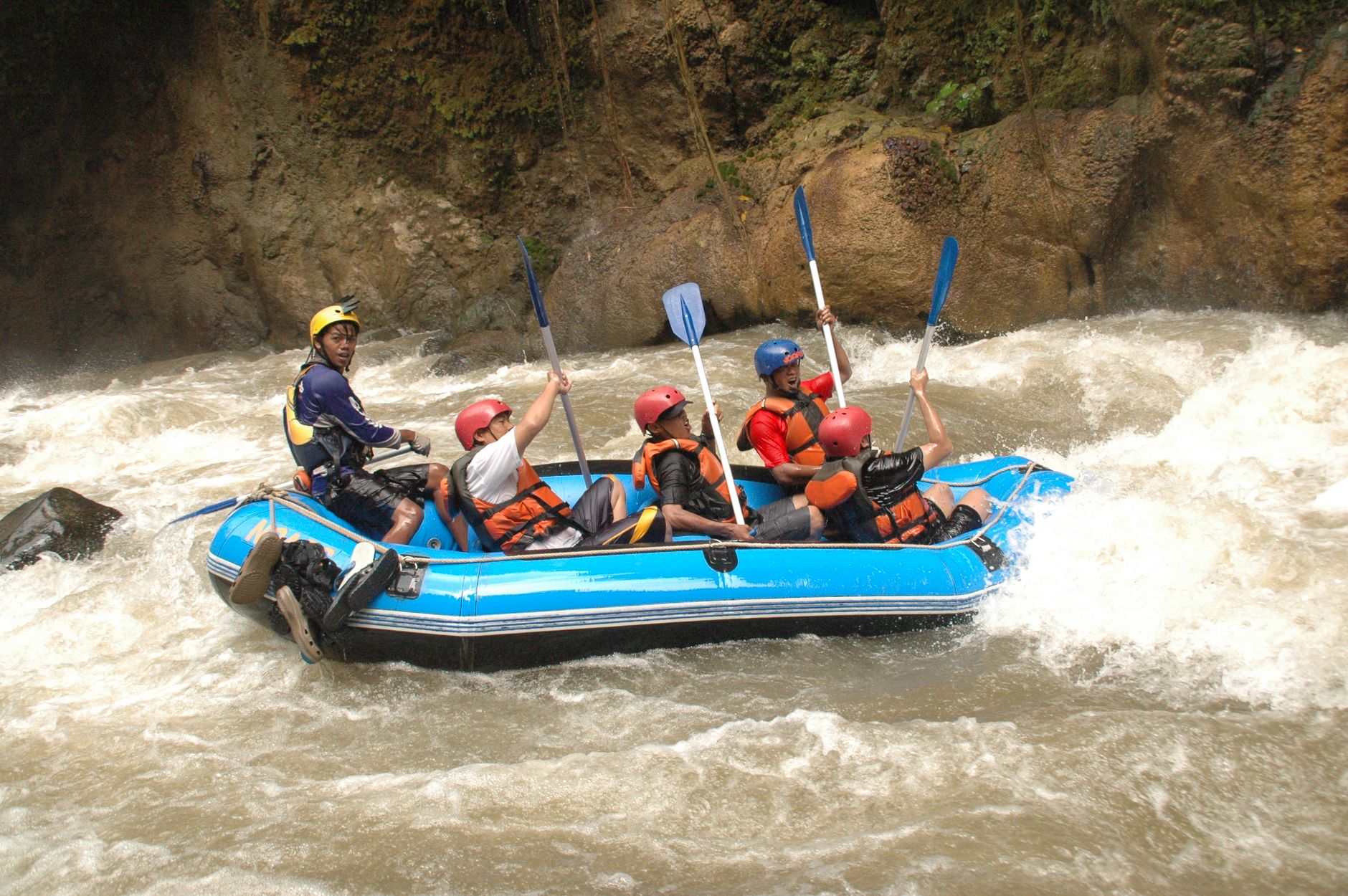
Ever dreamt of pushing your limits but felt "extreme" wasn't for you? Think again! This guide uncovers thrilling, beginner-friendly extreme sports that offer unparalleled adventure before they become everyone's next Instagram story. Get ready to dive into experiences that will redefine your comfort zone. --- ##
Beyond the Bucket List: Your Guide to Pre-Mainstream Extreme Adventures
Let’s be honest, we’ve all scrolled through Instagram, eyes wide with envy, watching adventurers conquer dizzying heights, navigate raging rapids, or shred epic slopes. You see the hashtags, the perfectly filtered shots, and a little voice in your head whispers, “I wish I could do that.” But then another, louder voice, usually fueled by a healthy dose of self-preservation and a slight fear of heights (or depths, or speed), chimes in: “Nah, that’s too extreme for me.”
I used to be that person. My travel adventures leaned more towards charming cafes, picturesque hikes, and maybe a gentle kayak if the water was exceptionally still. I craved the thrill, the stories that started with "So, there I was, dangling off a cliff...", but the perceived barrier to entry for "extreme sports" felt insurmountable. I imagined years of training, expensive gear, and a total disregard for personal safety. It wasn't until a serendipitous conversation with a seasoned guide in the Slovenian Alps that my perspective completely flipped. He told me, "Every pro started somewhere. And many of the best adventures are still waiting to be discovered by the masses, especially for those willing to learn."
That conversation sparked a revelation: what if there were incredible, adrenaline-pumping activities that were technically extreme but perfectly suited for beginners? What if you could experience the raw thrill of pushing your boundaries, not just safely, but authentically, before these activities become the next crowded tourist trap?
My friends, I’m here to tell you they exist. And I’ve tried them. This isn't about jumping out of a plane solo on your first go (though, hey, if that's your jam!). This is about embracing the spirit of extreme sports – the challenge, the exhilaration, the unique perspective – in ways that are accessible, guided, and utterly unforgettable. So, grab your sense of adventure and let's dive into some incredible pre-mainstream extreme sports for beginners that will have you feeling like a seasoned pro long before the crowds catch on.
---
1. Canyoning: Descending into Nature's Hidden Waterworld
Imagine a natural water park, carved by millennia of rushing water, where you’re the star of the show. That’s canyoning (or canyoneering, depending on your geography). It’s a multi-faceted adventure involving hiking, scrambling, jumping into crystal-clear pools, sliding down natural rock slides, and rappelling (abseiling) down waterfalls. It sounds intense, right? And it is! But here's the secret: with a certified guide, it's incredibly beginner-friendly.
My first canyoning experience was in Bovec, Slovenia, a region renowned for its emerald Soča River and countless pristine canyons. I remember standing at the top of my first rappel, looking down at the rushing water below, heart thumping like a drum solo. My guide, a jovial local named Marko, calmly talked me through the technique, emphasizing safety and trust in the ropes. The moment I leaned back, my feet finding purchase on the slick rock, and slowly descended into the cool spray, a wave of pure exhilaration washed over me. It wasn't just the thrill; it was the sheer beauty of being deep within a canyon, seeing formations untouched by regular hikers, feeling the power of the water.
Why it’s perfect for beginners: You’re always tethered and under the watchful eye of an expert. The jumps are optional (or can be lowered with a rope), and the slides are often more fun than scary. It's a fantastic way to build confidence in a dynamic, stunning natural environment.
Practical Tips for Your First Descent:
- Go with a Certified Guide: This is non-negotiable. They provide all the gear (wetsuit, helmet, harness, ropes) and crucial safety instructions.
- Listen Closely: Pay attention to all instructions, especially on rappelling techniques and safe jumping.
- Embrace the Cold: Most canyoning involves cold water. A good wetsuit is essential, but be prepared for a refreshing dip!
- Wear Appropriate Shoes: Closed-toe shoes with good grip that you don't mind getting wet are a must. Many tour operators rent specialized canyoning shoes.
Where to Get Wet & Wild:
- Bovec, Slovenia: The undisputed capital of European canyoning. Expect to pay €80-120 for a half-day guided tour. The canyons like Sušec and Fratarica are legendary.
- La Fortuna, Costa Rica: Offers a tropical twist with lush rainforest backdrops. Prices range from $70-100 USD.
- Interlaken, Switzerland: Home to stunning glacial canyons, prices similar to Slovenia.
Instagram-Worthy Moment: The moment you leap from a rock into a turquoise pool, or rappel down a shimmering waterfall, captured by your guide's GoPro. #CanyoningAdventures #HiddenGems #SloveniaExtreme
---
2. Via Ferrata: The Iron Path to Panoramic Peaks
If you've ever dreamt of scaling mountains but lack the technical climbing skills (or the desire to learn them for years), Via Ferrata is your gateway to the alpine world. Originating in the Dolomites during WWI, these "iron paths" are essentially protected climbing routes built into rock faces. You'll find steel cables to clip into, iron rungs, ladders, and even suspended bridges, allowing you to traverse otherwise inaccessible terrain.
My introduction to Via Ferrata was in the majestic Dolomites of Italy. I had always admired the jagged peaks from below, never imagining I'd be clinging to their flanks. The feeling of being hundreds of meters up, clipped securely to the cable, with the vast, ancient mountains stretching out before me, was profoundly humbling and exhilarating. It felt like a cheat code to mountaineering – all the views, a fraction of the traditional risk and skill. The sense of accomplishment after navigating a particularly exposed section, with the wind whipping around, was immense. It's an incredible blend of hiking, scrambling, and light climbing that makes you feel like a bona fide adventurer.
Why it’s perfect for beginners: The continuous steel cable acts as your lifeline, and the iron fixtures provide ample handholds and footholds. If you can climb a ladder and have a reasonable head for heights, you can do a Via Ferrata. Many routes are graded for difficulty, with beginner-friendly options available.
Practical Tips for Your First Ascent:
- Rent or Buy Proper Gear: You'll need a helmet, a climbing harness, and a specialized Via Ferrata lanyard with two carabiners designed for continuous clipping.
- Wear Gloves: Your hands will thank you for protection against the steel cable and rock.
- Check Route Difficulty: Start with a "K1" or "K2" route (easy to moderate) to get a feel for it.
- Go with a Guide (Initially): While many routes are self-guided, a guide can teach you proper technique, movement, and provide reassurance on your first few routes.
Where to Find Your Iron Path:
- Dolomites, Italy: The birthplace of Via Ferrata, offering hundreds of routes from beginner to expert. Guided tours start around €90-150.
- Squamish, British Columbia, Canada: The Sea to Sky Gondola offers an accessible Via Ferrata experience right off the gondola, priced around $40-60 CAD for gear rental and access (after gondola ticket).
- Lake District, UK: Honister Slate Mine boasts the UK's original Via Ferrata, a unique experience within an old mine. Tours start from £45.
Instagram-Worthy Moment: Standing on a suspended bridge with a dramatic mountain backdrop, or a selfie with the vast valley stretching below you. #ViaFerrata #DolomitesAdventure #MountainConqueror
---
3. Packrafting: Your Personal Wilderness Navigator
Forget cumbersome canoes or rigid kayaks. Packrafting is the art of exploring remote waterways with an ultra-lightweight, inflatable raft that packs down to the size of a sleeping bag. This allows you to hike deep into the wilderness, then inflate your raft and paddle out, opening up incredible multi-sport adventures that combine trekking and paddling in pristine environments. It's the ultimate freedom for wilderness exploration.
My first packrafting trip was a revelation. I hiked for a couple of hours into a relatively secluded section of a river in the Scottish Highlands, the lightweight packraft strapped to my backpack. The weather was moody, the air crisp, and the scenery breathtaking. When I reached a calm pool, I quickly inflated the raft (it takes mere minutes with a special bag), slipped into the surprisingly comfortable seat, and pushed off. The silence was profound, broken only by the gentle dip of my paddle and the occasional bird call. It wasn't about speed or rapids (though packrafts can handle surprisingly challenging water); it was about the intimate connection with nature, accessing parts of the landscape rarely seen by others. It felt like I was discovering a secret world, one paddle stroke at a time.
Why it’s perfect for beginners: Packrafts are incredibly stable and forgiving, making them easy to learn on calm lakes or slow-moving rivers. The lightweight nature means you can combine them with hiking, offering a unique adventure without needing extensive paddling experience.
Practical Tips for Your First Float:
- Start on Calm Water: Begin on a lake or a slow-moving river to get comfortable with paddling and maneuvering.
- Learn Basic Strokes: A few hours practicing forward, backward, and sweep strokes will make a huge difference.
- Check Regulations: Be aware of any local rules for paddling in specific areas (e.g., permits, restricted zones).
- Bring a Repair Kit: Punctures are rare but can happen. A small patch kit is a smart addition.
- Dry Bag Essentials: Keep electronics, extra layers, and snacks in a waterproof dry bag.
Where to Paddle into the Wild:
- Alaskan Wilderness, USA: The ultimate packrafting destination, though often requires guided multi-day trips (which can be $1000+).
- Scottish Highlands, UK: Numerous lochs and rivers offer stunning, accessible packrafting opportunities. Rentals are available from around £30-50/day.
- Local Lakes & Rivers: Many regions with calm waterways are perfect for a DIY packrafting adventure. Look for local outfitters for rentals or introductory courses.
Instagram-Worthy Moment: Your tiny raft floating on a vast, mirror-like lake surrounded by mountains, or a perfectly composed shot of your raft packed up on your backpack against a stunning hiking backdrop. #PackraftingAdventures #WildernessExplorer #MicroAdventure
---
4. Coasteering: Leap into the Wild Coastline
Coasteering is an exhilarating activity that originated in the UK and is rapidly gaining popularity worldwide. It involves traversing a rocky coastline at sea level, combining elements of scrambling, climbing, swimming through natural pools, and, most famously, cliff jumping into the ocean. It's a raw, elemental adventure that connects you directly with the power and beauty of the sea.
My first coasteering experience was along the rugged cliffs of Pembrokeshire, Wales. The Atlantic crashing against the rocks, the salty spray in the air, the sheer drama of the landscape – it was intoxicating. Our guide, a sun-weathered local named Gareth, led us through sea caves, across barnacle-covered rocks, and then, inevitably, to a series of jump points. The first jump, a modest 5-meter leap into a churning pool, felt like a monumental act of courage. The icy shock of the water, the brief freefall, and the triumphant splash were instantly addictive. We progressed to higher jumps, always with Gareth assessing the conditions and ensuring our safety. It’s an incredible way to experience the coastline from a completely unique perspective, feeling the rush of adrenaline with every wave and jump.
Why it’s perfect for beginners: You’re always supervised by experienced guides who know the tides, currents, and safe jump spots. Wetsuits provide buoyancy and warmth, and helmets protect you from bumps. You can often choose your level of challenge, opting for smaller jumps or bypassing them entirely if you're not ready.
Practical Tips for Coastal Thrills:
- Always Go with a Certified Guide: This is crucial for safety, as tides, currents, and hidden rocks can be dangerous.
- Wear a Wetsuit & Helmet: Essential for warmth, buoyancy, and protection. These are typically provided by tour operators.
- Assess Jump Heights: Don't feel pressured to do the highest jumps. Start small and work your way up if you feel comfortable.
- Listen to the Briefing: Guides will explain safe entry and exit points, as well as how to navigate the water.
- Secure Your Valuables: Leave anything you don't want to get wet or lost behind.
Where to Make a Splash:
- Pembrokeshire, Wales, UK: The spiritual home of coasteering, offering dramatic cliffs and vibrant marine life. Expect to pay £40-60 for a half-day session.
- Algarve, Portugal: Offers warmer waters and stunning grottoes and sea caves to explore. Prices typically around €50-80.
- Cornwall, UK: Another fantastic British option with rugged coastlines and excellent guiding companies.
Instagram-Worthy Moment: A mid-air shot of you plunging into the ocean from a cliff, or a group photo perched on a dramatic rock formation with waves crashing behind. #Coasteering #CoastalAdventures #CliffJumping
---
5. Sandboarding: Desert Dunes, Boarding Thrills
Think snowboarding, but swap the snow for sand, the ski lift for a dune buggy, and the freezing temperatures for warm desert air. Sandboarding is a surprisingly accessible and incredibly fun extreme sport that offers a unique thrill. It’s less common than its snowy counterpart, making it a truly pre-mainstream experience.
My encounter with sandboarding was in Huacachina, Peru, a surreal oasis town surrounded by colossal sand dunes. The desert stretched endlessly, golden and sculpted. After a thrilling, roller-coaster-like ride in a dune buggy up the towering slopes, our guide handed us wooden boards. My initial attempts were, shall we say, less than graceful – more face-plant than freestyle. But the beauty of sandboarding is that falling is soft, often hilarious, and part of the fun. Soon, I was kneeling on the board, then attempting to stand, gliding down the vast slopes with surprising speed. The feeling of carving through the soft sand, the wind in my hair, and the panoramic desert views was pure joy. It's a fantastic way to experience a desert landscape in a truly adventurous way.
Why it’s perfect for beginners: Sand is forgiving! Falls are generally soft and harmless. You can start on smaller dunes, learn to sit or kneel before attempting to stand, and the learning curve is much quicker than snowboarding.
Practical Tips for Dune Riding:
- Wax Your Board: Just like snowboarding, waxing the bottom of your board makes a huge difference in speed and glide. Guides usually provide this.
- Pick Your Dune Wisely: Start on gentler slopes to get a feel for the board before tackling the giants.
- Protect Your Eyes: Sand can get everywhere. Sunglasses are a must, and a bandana can help with wind-blown sand.
- Hydrate: Desert environments are hot. Bring plenty of water.
- Wear Closed-Toe Shoes: Protect your feet from hot sand and potential stubbed toes.
Where to Catch Some Sand:
- Huacachina, Peru: The most famous sandboarding spot, often combined with exhilarating dune buggy rides. Expect to pay around $20-30 USD for a buggy and board rental for a few hours.
- Swakopmund, Namibia: Offers some of the highest dunes in the world, providing epic descents. Half-day tours range from $50-70 USD.
- Dubai, UAE: Many desert safari tours offer sandboarding as an add-on, giving you a taste of the sport amidst luxury.
Instagram-Worthy Moment: A dramatic shot of you mid-glide down a colossal dune, or a silhouette against a stunning desert sunset. #Sandboarding #DesertAdventure #HuacachinaOasis
---
6. Fat Biking: Conquering Extreme Terrains on Two Wheels
Mountain biking is awesome, but fat biking takes it to another level, allowing you to cycle across terrains traditionally deemed impassable. These bikes feature oversized tires (typically 3.8 inches or wider) run at low pressure, providing incredible traction and flotation on soft surfaces like snow, sand, or mud. It's a unique and incredibly fun way to explore extreme environments that would be impossible on a regular bike.
My first fat biking adventure was on a snowy winter trail near Banff, Canada. I’d always thought winter cycling meant icy roads and treacherous conditions. But on the fat bike, it was a revelation. The wide tires gripped the packed snow with surprising stability, and I glided effortlessly over drifts that would have swallowed a regular mountain bike. The silent, snow-covered forest felt magical, and the sheer capability of the bike was astounding. It wasn't about speed, but about exploration and accessing landscapes that were otherwise off-limits to cyclists. It’s an empowering experience that truly expands your cycling horizons.
Why it’s perfect for beginners: The stability of the wide tires makes them surprisingly easy to balance, even for novice riders. The low gear ratios allow you to tackle steep, soft terrain slowly and deliberately. It's less about technical skill and more about enjoying the unique sensation of floating over challenging surfaces.
Practical Tips for Your First Ride:
- Lower Your Tire Pressure: This is key! Lower pressure increases the tire's contact patch, providing better float and grip on soft surfaces. Your rental shop can advise.
- Dress for the Conditions: If riding in snow, layer up. If riding in sand, wear light, breathable clothing and protect yourself from the sun.
- Start on Packed Terrain: Begin on relatively packed snow or firm sand to get a feel for the bike before tackling deeper, softer sections.
- Look Ahead: Just like any biking, looking where you want to go helps with balance and steering.
- Embrace the Climb: Fat bikes are heavy, and soft terrain makes climbing a workout. Enjoy the challenge!
Where to Roll on Unique Terrain:
- Moab, Utah, USA: While famous for its slickrock mountain biking, Moab's sandy trails are perfect for fat biking, especially in cooler months. Rentals are around $40-60 USD/day.
- Banff & Canmore, Alberta, Canada: Fantastic winter destinations with groomed fat bike trails through stunning snowy landscapes. Rentals around $50-70 CAD/day.
- Any Coastal Beach: Many beaches with wide, firm sand at low tide are ideal for fat biking, offering a unique perspective of the coastline. Check local regulations.
Instagram-Worthy Moment: A shot of your fat bike tracks disappearing into a pristine snowy landscape, or cruising along a deserted beach at sunset. #FatBiking #WinterWonderland #BeachCruiser
---
Your Adventure Awaits: Don't Wait for the Crowds!
There you have it – six incredible, beginner-friendly extreme sports that are ripe for your adventurous spirit to explore before they become the next big thing. These aren't just activities; they're experiences that will challenge you, connect you with nature in profound ways, and leave you with stories that go far beyond the typical vacation tales.
Stepping out of your comfort zone doesn't mean risking life and limb; it means embracing new skills, trusting expert guides, and discovering a newfound confidence you never knew you had. These activities are designed to be accessible, thrilling, and, yes, incredibly Instagrammable, but more importantly, they offer an authentic taste of adventure that feels truly earned.
So, ditch the "I can't" and embrace the "I will." The world is full of incredible, untapped adventures waiting for you. Which pre-mainstream extreme sport will you tick off your list first? Share your picks and stories with us – let's inspire each other to go beyond the ordinary!
#TripsoraAdventures #ExtremeForBeginners #GoExplore
---
More pictures
Tags
Share this guide
We may earn a commission if you click a link and buy a product or service, at no extra cost to you. How affiliate links work.
Been there?