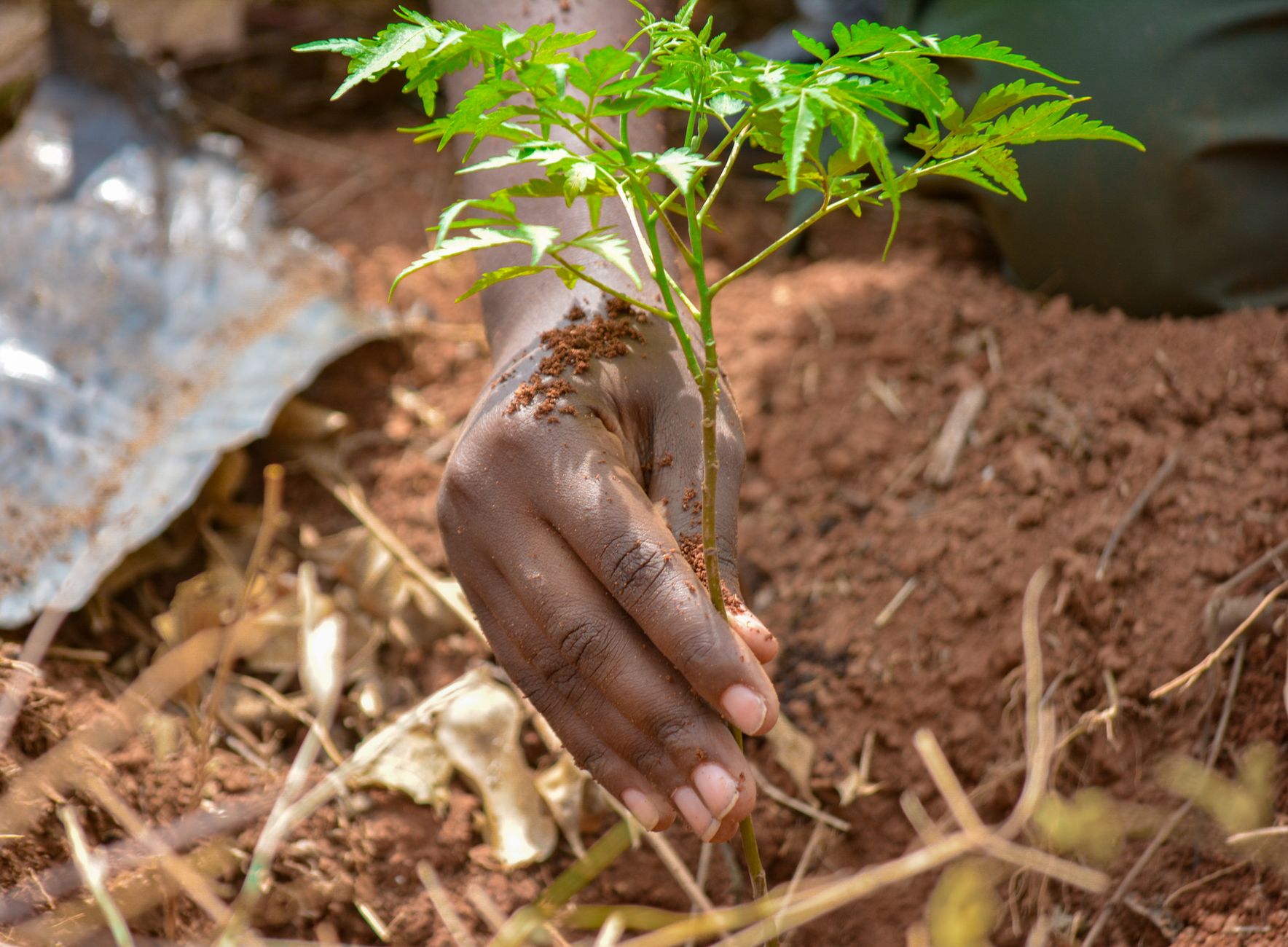
Ditch the beach, embrace the dirt! February 2026 calls for a different kind of adventure: tree-planting trips in deforested regions. Imagine the scent of damp earth, the satisfaction of a sapling in your hands, and the knowledge you're rebuilding a vital ecosystem. This is your ultimate guide to making a real impact, one tree at a time.
The Hook: Breathing Life Back into a Sleeping Forest
I stepped off the rickety bus, the air thick with the scent of damp earth and something wild, something that whispered of resilience. It wasn't the salty tang of the coast or the sterile perfume of a city park. This was the raw, untamed aroma of a forest stirring from a long sleep. February in the foothills of the Andes, and the morning mist clung to my eyelashes like tiny diamonds. The only sounds were the distant chatter of unseen birds and the gentle crunch of my boots on the leaf-strewn path. In my hands, I held a small, sturdy sapling, its roots wrapped in damp burlap. This wasn't just a holiday; it was a calling. A chance to be part of something bigger, to weave myself into the very fabric of this recovering landscape.
Why February 2026 is Your Moment for Reforestation Travel
February often conjures images of winter blues or last-minute Valentine's Day dashes. But for the eco-conscious traveler, it's a prime window for impactful adventures. Many tropical and subtropical regions are entering their cooler, drier seasons, making it an ideal time for planting. The earth is still moist from previous rains, but the intense heat of summer hasn't yet set in, giving young trees the best chance to establish their roots.
This isn't about ticking a box; it's about tangible action. Deforestation, a relentless enemy of our planet, has left scars across the globe. From the Amazon's shrinking canopy to the denuded hillsides of Southeast Asia, the need for reforestation is urgent. Tree-planting trips offer a unique opportunity to directly combat this crisis, contributing to biodiversity, climate regulation, and the livelihoods of local communities.
The Ripple Effect: More Than Just Planting Trees
When you participate in a tree-planting trip, you're not just a tourist; you're a temporary custodian of the earth. Your efforts contribute to:
- Climate Change Mitigation: Trees are our planet's lungs, absorbing CO2 and releasing oxygen. Planting them is a direct investment in a healthier atmosphere.
- Biodiversity Restoration: Deforested areas often become barren wastelands, devoid of the rich ecosystems they once supported. Reforestation provides habitat for countless species, from insects to primates.
- Soil Conservation: Tree roots bind the soil, preventing erosion and landslides, especially in vulnerable mountainous regions.
- Water Cycle Regulation: Forests play a crucial role in the water cycle, influencing rainfall patterns and ensuring clean water sources.
- Community Empowerment: Many projects work hand-in-hand with local communities, providing employment, education, and a renewed sense of stewardship over their environment.
Top Destinations for Your February 2026 Tree-Planting Adventure
The world is vast, and the need is great. Here are a few regions where your February 2026 efforts can make a profound difference:
1. Costa Rica: Biodiversity Hotspot Reborn
Why February? Costa Rica experiences its dry season from December to April, making it perfect for outdoor activities, including planting. The lush green landscapes are a testament to its commitment to conservation, but pockets still need our help.
The Experience: Imagine planting saplings of native hardwood trees like Guanacaste or Cedar amidst the symphony of the rainforest. You'll likely be working with local conservation organizations or eco-lodges that have established reforestation programs. Expect to encounter vibrant wildlife – sloths, monkeys, toucans – as you work.
Pro-Tip: Many lodges offer integrated packages that combine your volunteer work with guided nature walks, birdwatching tours, and even surfing lessons. Visit the nearby La Fortuna waterfall at sunrise for a truly magical experience before the crowds arrive.
2. Borneo, Malaysia: Saving the Orangutan's Home
Why February? Borneo’s climate is tropical, meaning rain is possible year-round, but February typically sees slightly less intense rainfall, making planting more manageable.
The Experience: This is where you can directly contribute to saving the critically endangered orangutan. Projects here often focus on restoring degraded palm oil plantations or areas affected by illegal logging. You'll be planting native fruit trees and canopy species that will eventually form vital corridors for wildlife. The sense of urgency is palpable, but so is the hope.
Insider Lingo: You might hear locals refer to the young trees as "anak pokok" (child trees). Ask your guides about the "jalan orangutan" – the wildlife corridors you're helping to create.
Pro-Tip: Pack lightweight, quick-drying clothing. The best time to spot orangutans is often early morning or late afternoon; be patient and quiet.
3. Peru: Andean Resilience and Community Roots
Why February? February falls within Peru's rainy season, but in many Andean regions, this is also when the soil is most receptive for planting after the drier months. The landscapes are breathtakingly verdant.
The Experience: Picture yourself on steep, terraced hillsides, planting native species like Queñua or Aliso trees. These projects often involve indigenous communities, offering a profound cultural exchange. You'll learn about traditional farming methods, the importance of native flora for local livelihoods, and the challenges of rebuilding after environmental degradation. The air here is crisp and cool, carrying the scent of eucalyptus and damp soil.
Pro-Tip: Altitude sickness can be a factor. Acclimatize in Cusco for a day or two before heading to higher planting sites. Drink plenty of coca tea – it really helps!
4. Vietnam: Rebuilding Mangrove Coastlines
Why February? Vietnam's central and southern regions enjoy pleasant weather in February, with lower humidity and less rainfall, ideal for coastal planting.
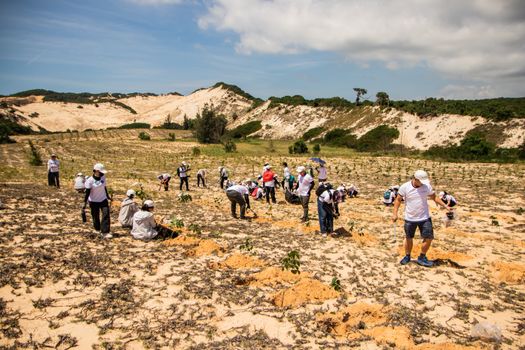
The Experience: Focus on planting mangrove saplings along the coastline. Mangroves are ecological powerhouses, acting as natural barriers against tsunamis and storm surges, filtering water, and providing crucial nurseries for marine life. You'll be working with local fishermen and coastal communities whose livelihoods are directly threatened by coastal erosion. The salty air mixed with the earthy scent of mangrove soil is invigorating.
Insider Lingo: The Vietnamese word for mangrove is "rừng ngập mặn." Ask about the local "vựa tôm" (shrimp farms) that benefit from healthy mangrove ecosystems.
Pro-Tip: Wear sturdy, waterproof boots. The best time to plant is during low tide; check the tide tables with your local guides.
Quick Facts: Your February 2026 Tree-Planting Trip Planner
| Feature | Costa Rica | Borneo, Malaysia | Peru | Vietnam | | :------------------ | :------------------------------------------ | :-------------------------------------------- | :-------------------------------------------- | :-------------------------------------------- | | Estimated Cost | $800 - $1500 (per week, incl. lodging & activities) | $900 - $1600 (per week, incl. lodging & activities) | $700 - $1300 (per week, incl. lodging & activities) | $600 - $1200 (per week, incl. lodging & activities) | | Best Time (Planting) | December - April (Dry Season) | Year-round, but Feb is less intense rain | February - April (Rainy Season, good for soil) | February - April (Pleasant, lower humidity) | | How to Get There | Fly into Juan Santamaría International Airport (SJO), then local transport. | Fly into Kota Kinabalu International Airport (BKI) or Kuching International Airport (KCH), then local transport. | Fly into Jorge Chávez International Airport (LIM), then domestic flights/buses. | Fly into Noi Bai International Airport (HAN) or Tan Son Nhat International Airport (SGN), then local transport. | | Typical Duration | 5-10 days | 7-14 days | 7-12 days | 5-10 days |
Note: Costs are estimates and can vary based on the specific organization, duration, and inclusions.
Making the Most of Your Impactful Journey
Choosing the right organization is crucial. Look for reputable NGOs or social enterprises with transparent project goals and strong community ties.
Beyond the Planting: Immersive Experiences
Your trip isn't just about the physical act of planting. Embrace the opportunity to connect:
- Learn from the Locals: Spend time with the communities who call these regions home. Understand their challenges, their traditions, and their deep connection to the land.
- Sustainable Cuisine: Savor the local flavors. Many eco-lodges and projects incorporate farm-to-table concepts, using ingredients grown sustainably in the region.
- Cultural Immersion: Participate in local activities, learn a few phrases of the local language, and respect their customs. This is where the true magic of travel lies.
- Digital Detox (Optional but Recommended): While capturing memories is important, allow yourself to disconnect from screens and truly be present in the moment. The scent of damp earth and the rustle of leaves are far more rewarding than endless scrolling.
Pro-Tips for a Smooth Experience:
- Pack Light, Pack Smart: Focus on quick-drying, breathable clothing. Include sturdy hiking boots, a wide-brimmed hat, reef-safe sunscreen, and insect repellent.
- Stay Hydrated: Always carry a reusable water bottle. Many projects provide filtered water stations.
- Be Prepared for Basic Accommodations: While some eco-lodges are luxurious, many volunteer-focused trips involve simpler, shared accommodations. Embrace the rustic charm!
- Respect the Environment: Follow all instructions from your guides, avoid single-use plastics, and leave no trace.
- Learn Basic Phrases: A few words in the local language can go a long way in building rapport and showing respect.
The Ultimate Takeaway: A Seed of Change
As I packed my bags, the scent of damp earth still clung to my clothes. I left a piece of myself in that recovering forest, but I took back something far more profound: a renewed sense of purpose, a deeper connection to our planet, and the quiet satisfaction of knowing I'd helped plant a seed of hope.
February 2026 isn't just another month on the calendar. It's an invitation. An invitation to trade the ordinary for the extraordinary, to embark on a journey that nourishes not just your soul, but the very earth beneath your feet. These tree-planting trips are more than vacations; they are investments in a greener future, one sapling at a time. Will you answer the call?
More pictures
Tags
Share this guide
We may earn a commission if you click a link and buy a product or service, at no extra cost to you. How affiliate links work.
Been there?