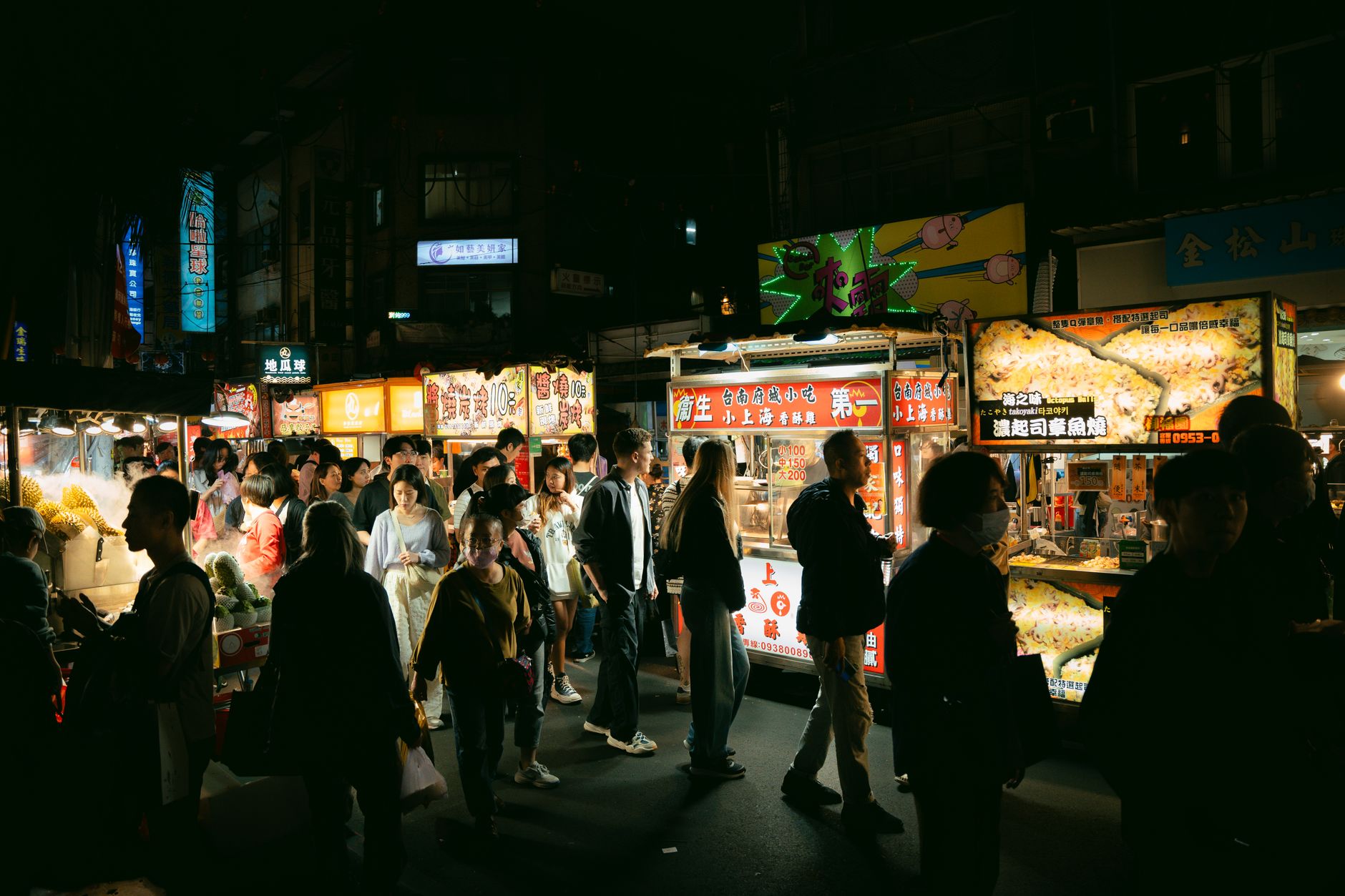
Forget the usual European foodie haunts! We’re diving headfirst into Asia’s electrifying street food scenes, revealing markets so sensational, they’ll make any Michelin star blush. Get ready for an explosion of authentic flavors, vibrant chaos, and culinary discoveries that’ll redefine your tastebuds. This is the real deal, unmissable for any serious food adventurer!
The Unseen Symphony: My First Taste of Asia's Culinary Soul
I stepped off the train in Chiang Mai, and the air hit me like a delicious, spicy wave. It wasn’t just the scent of grilling meats or the sweet perfume of ripe mangoes; it was a symphony of a thousand sizzling woks, the rhythmic chop of cleavers, and the cheerful chatter of vendors hawking their wares. This was the real Asia, a sensory overload I’d only dreamed of, and a world away from the curated, albeit charming, food markets I’d encountered in Europe. I’d heard the whispers, seen the glossy magazine spreads touting Parisian bistros and Roman trattorias, but standing there, with a steaming bowl of Khao Soi in my hands, I knew I’d stumbled upon something infinitely more raw, more exhilarating, and, frankly, better.
For too long, the travel elite have steered us towards predictable culinary destinations. While I appreciate a perfectly flaky croissant as much as the next person, Asia’s street food markets offer an unparalleled depth of flavor, authenticity, and sheer exhilaration that European experts often overlook. These aren't just places to eat; they are pulsating hubs of local life, where generations of culinary wisdom are passed down, one perfectly seasoned skewer at a time.
1. Bangkok, Thailand: The Unrivaled Street Food Capital
Bangkok. The name itself conjures images of bustling streets and intoxicating aromas. While many recommend specific restaurants, the true magic lies in its sprawling, chaotic, and utterly delicious street food markets. Forget the tourist traps; we’re talking about the real deal, the places where locals queue for hours.
Yaowarat (Chinatown): A Neon-Lit Feast
This isn't just a market; it's a spectacle. As dusk settles, Yaowarat transforms into a vibrant artery of glowing neon signs and an endless procession of food stalls. The air is thick with the scent of grilled seafood, roasted duck, and the sweet, sticky aroma of mango sticky rice.
- Insider Tip: Don't be afraid to wander off the main drag. Some of the best stalls are tucked away in smaller soi (alleys). Look for the longest queues – they’re always a good sign.
- Must-Try: Oyster omelets (Hor Mok), dim sum, and the legendary shark fin soup (though I encourage ethical alternatives!). For dessert, the durian is a rite of passage.
Or Tor Kor Market: The Gourmet's Playground
While Yaowarat is about vibrant chaos, Or Tor Kor is a more refined, yet equally authentic, experience. It's a high-end fresh market that also boasts an incredible selection of prepared foods. Think of it as a farmer's market meets a gourmet food court, but with distinctly Thai flavors.
- Pro-Tip: Visit in the morning for the freshest produce and a less crowded atmosphere. It's a fantastic place to pick up exotic fruits and learn about local ingredients.
- Don't Miss: The perfectly grilled satay, the fragrant curries, and the impossibly sweet coconut ice cream.
Quick Facts: Bangkok Street Food
| Category | Estimated Cost ($) | Best Time to Visit | How to Get There | | :----------------- | :----------------- | :----------------- | :--------------------------------------------------- | | Yaowarat | $2 - $10 per meal | 6 PM - 1 AM | MRT to Wat Mangkon, then walk or take a tuk-tuk. | | Or Tor Kor Market | $5 - $15 per meal | 8 AM - 5 PM | MRT to Kamphaeng Phet Station, then a short walk. |
2. Kuala Lumpur, Malaysia: A Melting Pot of Flavors
Kuala Lumpur is a city where cultures collide, and nowhere is this more evident than in its street food scene. The fusion of Malay, Chinese, and Indian influences creates a culinary landscape that is both familiar and thrillingly new.
Jalan Alor: The Legendary Food Street
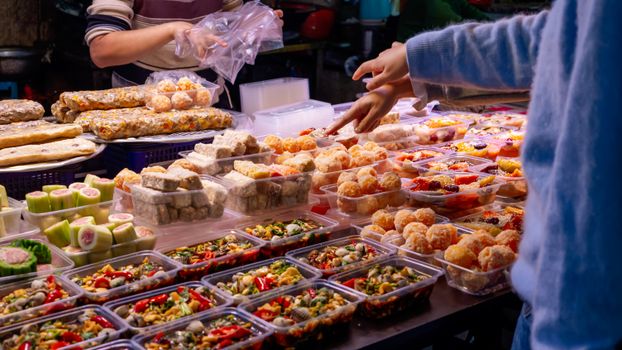
Jalan Alor is KL’s most famous street food destination, and for good reason. It’s a long, vibrant street lined with countless hawker stalls, each vying for your attention with tantalizing aromas and colorful displays.
- Authenticity Check: While it's popular, Jalan Alor still retains its authentic charm. The key is to look for stalls that are packed with locals, not just tourists.
- Order This: Satay skewers (especially chicken and beef), Char Kway Teow (stir-fried noodles), and Roti Canai (flaky flatbread with curry). The variety of seafood is also exceptional.
Imbi Market: A True Local Haunt
For a more local, less tourist-centric experience, head to Imbi Market. This bustling morning market is a hive of activity, with vendors selling everything from fresh produce to delicious breakfast and lunch options.
- Hidden Gem Alert: The "Yong Tau Foo" stalls here are legendary. You pick your own ingredients (fish balls, tofu, vegetables) and they're cooked in a flavorful broth or served with a rich curry sauce.
- Pro-Tip: Arrive early, around 7 AM, to experience the market at its peak and snag the freshest ingredients.
Quick Facts: Kuala Lumpur Street Food
| Category | Estimated Cost ($) | Best Time to Visit | How to Get There | | :------------- | :----------------- | :----------------- | :----------------------------------------------------------- | | Jalan Alor | $3 - $12 per meal | 5 PM - 2 AM | Monorail to Bukit Bintang Station, then a short walk. | | Imbi Market | $2 - $8 per meal | 6 AM - 2 PM | LRT to Imbi Station, then a 5-minute walk. |
3. Hanoi, Vietnam: The Soul of Vietnamese Cuisine
Hanoi’s street food is an art form. It’s about balance, freshness, and a deep understanding of ingredients. The city’s narrow streets are a culinary playground, offering an authentic taste of Vietnam that’s hard to replicate.
Old Quarter: A Culinary Labyrinth
The Old Quarter is the heart of Hanoi, and its streets are a treasure trove of culinary delights. Each corner turned reveals a new aroma, a new dish to discover.
- Sensory Detail: The scent of star anise and cinnamon from a simmering Pho broth, the sharp tang of lime, the earthy notes of fresh herbs – it’s an olfactory masterpiece.
- Must-Eat: Pho (beef noodle soup), Bun Cha (grilled pork with vermicelli noodles), and Banh Mi (Vietnamese baguette sandwich). Don't forget Ca Phe Trung (egg coffee) for a sweet, creamy treat.
Dong Xuan Market: The Local's Choice
Dong Xuan is Hanoi’s largest indoor market, and while it sells a bit of everything, its food section is where the real magic happens. It’s less about the ambiance and more about the pure, unadulterated flavor.
- Insider Knowledge: The food stalls are generally located in the back and basement areas. Look for the bustling sections where locals are clearly the primary customers.
- Pro-Tip: Try the various types of Banh Cuon (steamed rice rolls) and the fresh spring rolls.
Quick Facts: Hanoi Street Food
| Category | Estimated Cost ($) | Best Time to Visit | How to Get There | | :------------- | :----------------- | :----------------- | :--------------------------------------------------------- | | Old Quarter | $1 - $5 per meal | All day, evenings best | Walk from most central hotels; taxis readily available. | | Dong Xuan Market | $1 - $4 per meal | 6 AM - 6 PM | Bus routes are plentiful; taxis are also an option. |
4. Singapore: Hawker Centers – A Culinary Utopia
Singapore’s hawker centers are a UNESCO-recognized cultural heritage. They are meticulously clean, incredibly organized, and offer an astonishing array of delicious and affordable food. This is where Asia’s street food culture is elevated to an art form.
Maxwell Food Centre: A Classic Choice
Maxwell is one of Singapore’s most iconic hawker centers, famous for its diverse offerings and consistent quality. It’s a fantastic introduction to the hawker culture.
- Legendary Stall: Tian Tian Hainanese Chicken Rice is a must-visit, often with long queues, but worth the wait for its succulent chicken and fragrant rice.
- Beyond Chicken Rice: Explore the rich Laksa, the flavorful Char Kway Teow, and the refreshing Chendol for dessert.
Chinatown Complex Food Centre: The Local's Secret
While Maxwell gets the tourist spotlight, Chinatown Complex Food Centre is where many locals flock for authentic and unbelievably cheap eats. It's a sprawling, multi-level complex that can feel overwhelming at first, but the rewards are immense.
- Budget Traveler's Dream: You can eat like royalty here for under $5.
- Don't Miss: Liao Fan Hong Kong Soya Sauce Chicken Rice & Noodle (a Michelin-starred hawker stall!), the various noodle dishes, and the fresh seafood options.
Quick Facts: Singapore Hawker Centers
| Category | Estimated Cost ($) | Best Time to Visit | How to Get There | | :---------------------------- | :----------------- | :----------------- | :----------------------------------------------------- | | Maxwell Food Centre | $3 - $8 per meal | 10 AM - 9 PM | MRT to Tanjong Pagar Station, then a short walk. | | Chinatown Complex Food Centre | $2 - $7 per meal | 7 AM - 11 PM | MRT to Chinatown Station, then a short walk. |
5. Seoul, South Korea: Beyond K-Pop and Kimchi
Seoul’s street food scene is a dynamic blend of traditional flavors and modern innovation. While kimchi is king, the street stalls offer a dizzying variety of delicious snacks and meals.
Myeongdong Street Food Alley: A Sensory Explosion
Myeongdong is a shopper's paradise, but its streets come alive after dark with an incredible array of street food vendors. The atmosphere is electric, with flashing lights and the sizzle of countless grills.
- Unique Offerings: Beyond the usual suspects, look for Tteokbokki (spicy rice cakes), Gyeranppang (egg bread), and Tornado Potatoes.
- Pro-Tip: Many vendors offer samples, so don't be shy to try before you buy. The variety of sweet treats is also impressive.
Gwangjang Market: A Culinary Institution
Gwangjang Market is one of Korea’s oldest and largest traditional markets, and its food section is legendary. It’s a place where you can truly immerse yourself in Korean culinary culture.
- Authentic Experience: This is where you’ll find generations-old recipes and vendors who have perfected their craft. The atmosphere is boisterous and authentic.
- Must-Try: Bindaetteok (mung bean pancakes), Mayak Gimbap (addictive mini seaweed rolls), and Yukhoe (Korean beef tartare).
Quick Facts: Seoul Street Food
| Category | Estimated Cost ($) | Best Time to Visit | How to Get There | | :------------------------ | :----------------- | :----------------- | :-------------------------------------------------------- | | Myeongdong Street Food Alley | $3 - $10 per meal | 2 PM - 11 PM | Subway to Myeongdong Station. | | Gwangjang Market | $3 - $9 per meal | 9 AM - 10 PM | Subway to Jongno 5-ga Station. |
The Verdict: Why Asia Trumps Europe for Street Food
While Europe offers refined dining and charming markets, Asia’s street food scene is an experience of a different caliber. It's about the thrill of discovery, the raw authenticity, the incredibly low prices, and the sheer explosion of flavors that bombard your senses. It’s a journey into the heart of local life, a chance to taste food prepared with passion and tradition.
European experts might point you to a well-lit food hall or a curated market. But I urge you to venture further. Seek out the bustling night markets, the hidden alleys, the local haunts. Taste the dishes that have been perfected over generations. Engage with the vendors, soak in the vibrant atmosphere, and let your taste buds lead the way. This is where true culinary adventure lies, and it’s waiting for you in the vibrant streets of Asia.
---
More pictures



Tags
Share this guide
We may earn a commission if you click a link and buy a product or service, at no extra cost to you. How affiliate links work.
Been there?