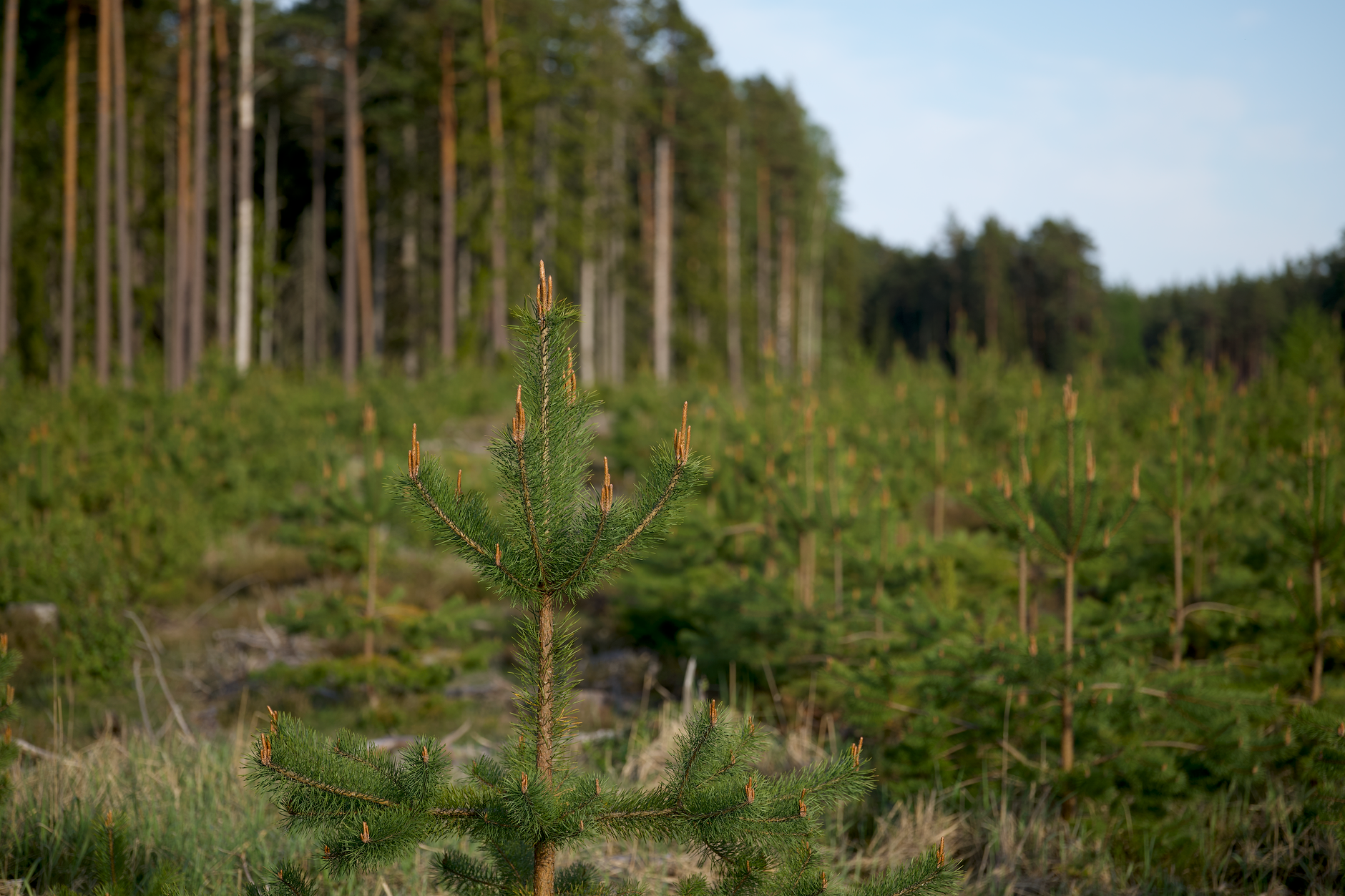
Forget passive sightseeing! This year, dive headfirst into *doing* with incredible tree-planting trips in regions crying out for rebirth. Imagine the scent of damp earth, the rhythm of shovels, and the sheer joy of watching a sapling take root. These aren't just vacations; they're
The Earth Breathes: My First Immersion in Forest Restoration
I stepped off the rickety bus, the air thick with the unique, earthy perfume of damp soil and nascent growth. It wasn't the sterile, manicured scent of a city park; this was the wild, untamed aroma of a place fighting to reclaim its lungs. A chorus of unseen insects buzzed a constant, vibrant symphony, punctuated by the distant, rhythmic thud of someone digging. My hands, still sticky from the bus’s worn upholstery, already itched to feel the cool, yielding earth. This was it. My first immersive tree-planting trip, and the raw, palpable energy of regeneration was intoxicating. I wasn't just a tourist; I was a participant in a vital act of healing.
This year, the call to action is louder than ever. Deforestation, a relentless force for decades, is finally meeting its match in a wave of conscious travelers eager to be part of the solution. Forget ticking off landmarks; the most profound journeys now involve getting your hands dirty, literally, in regions desperately needing a green embrace. These aren't just trips; they're pilgrimages of purpose, forging connections not only with nature but with the communities dedicated to its revival.
H2: Why Tree-Planting Trips Are the New Frontier of Conscious Travel
The statistics are stark. We've lost vast swathes of our planet's precious forests, impacting biodiversity, climate, and local livelihoods. But amidst the sobering data, a powerful counter-narrative is emerging: regenerative travel. This isn't about minimizing harm; it's about actively contributing to positive change. Tree-planting trips are the epitome of this movement, offering a tangible way to leave a place better than you found it.
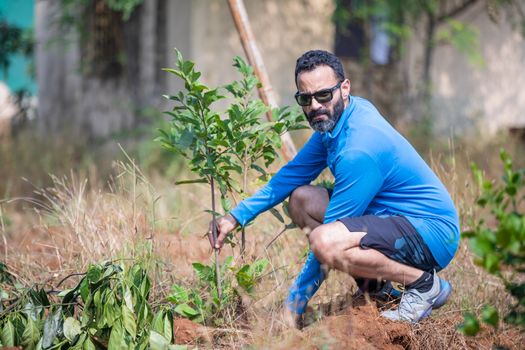
You're not just an observer; you're an agent of change. The satisfaction of planting a sapling, knowing it will grow to provide shade, shelter, and oxygen for generations, is a reward far greater than any souvenir. These trips offer a unique blend of adventure, cultural immersion, and genuine environmental impact.
H3: The Sensory Symphony of Reforestation
Beyond the intellectual appeal, there's a deeply visceral experience to be had. Imagine:
- The Scent: The rich, loamy smell of soil after a gentle rain, mingled with the fresh, slightly bitter aroma of young leaves.
- The Sounds: The constant hum of insects, the chirping of birds returning to their newly planted homes, the rustle of leaves overhead, and the satisfying thump of a sapling settling into its new bed.
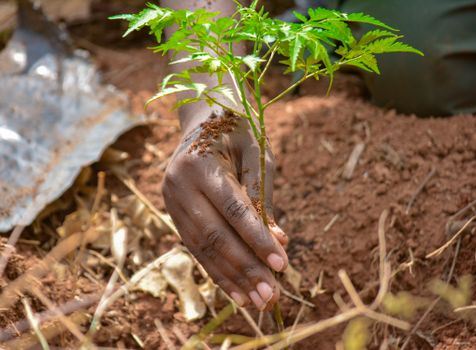
- The Feel: The cool, damp earth between your fingers, the rough bark of a young tree, the warmth of the sun on your back as you work, and the ache in your muscles that signifies honest, meaningful labor.
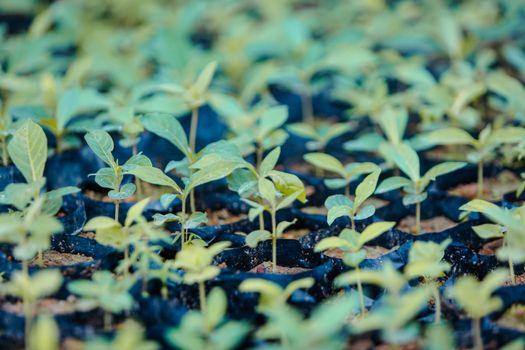
- The Sight: The vibrant green of new growth against the backdrop of recovering landscapes, the determined climb of vines, and the hopeful silhouette of a developing canopy against a clear sky.
H2: Emerging Hotspots: Where Your Sapling Makes the Biggest Difference
The beauty of these emerging destinations is their raw potential and the genuine need for your help. Organizations are working tirelessly, often in partnership with local communities, to restore these vital ecosystems.
H3: Costa Rica: Rebirthing the Rainforest Canopy
Pro-Tip: Visit during the shoulder seasons (April-May or September-November) for lush greenery and fewer crowds.
Costa Rica, a pioneer in ecotourism, is also at the forefront of reforestation efforts. Once heavily deforested, vast tracts are now being replanted with native species, creating vital corridors for wildlife. You'll find yourself working alongside passionate conservationists, learning about the intricate web of life that a healthy rainforest supports.
- What to Expect: Days spent digging, mulching, and tending to saplings in humid, tropical environments. Evenings are often spent in eco-lodges, sharing stories with fellow volunteers and local guides. You might even spot howler monkeys or toucans on your way to the planting site!
- Authenticity: Forget sterile resorts. You'll be staying in rustic, often open-air accommodations, where the sounds of the jungle are your lullaby. The meals are fresh, local, and bursting with tropical flavors – think gallo pinto for breakfast and freshly caught fish grilled with plantains.
H3: Borneo, Malaysia: Saving the Orangutans, One Tree at a Time
Pro-Tip: Pack lightweight, breathable clothing and sturdy, waterproof hiking boots. Malaria precautions are recommended.
Borneo's iconic orangutans are critically endangered, largely due to habitat loss from palm oil plantations. Reforestation projects here are directly linked to protecting these incredible primates. You'll be planting trees that will eventually form the vital food source and shelter for orangutans in rehabilitation centers and protected areas.
- What to Expect: A mix of jungle treks and hands-on planting. You might get to visit an orangutan rehabilitation center, witnessing firsthand the impact of your work. The heat and humidity can be intense, but the reward of contributing to orangutan survival is immense.
- Insider Knowledge: Many projects focus on planting fruit-bearing trees that are crucial for orangutan diets. Understanding the specific needs of the local fauna adds a profound layer to the experience.
H3: Madagascar: Battling Desertification with Baobabs and Beyond
Pro-Tip: Learn a few basic Malagasy phrases; locals deeply appreciate the effort.
Madagascar, an island of unparalleled biodiversity, faces severe deforestation and desertification. Projects here often focus on planting drought-resistant native species, including the iconic baobab trees, to stabilize soil, prevent erosion, and restore crucial habitats for lemurs and other endemic wildlife.
- What to Expect: Working in often arid or semi-arid conditions, learning about the unique flora and fauna adapted to these environments. You'll gain an appreciation for the resilience of nature and the critical role of each tree in this fragile ecosystem.
- Local Flavors: Expect simple yet delicious meals featuring rice, zebu (local cattle), and fresh vegetables. The warmth of the Malagasy people is as memorable as the landscape.
H3: The Amazon Basin, Brazil: Healing the Lungs of the Earth
Pro-Tip: Embrace the humidity and insect life; it's all part of the Amazonian charm. Consider a portable water filter for extra peace of mind.
While vast, the Amazon is under immense pressure. Several organizations are working with indigenous communities and local farmers to reforest degraded areas, often focusing on agroforestry systems that benefit both the environment and the people.
- What to Expect: Immersive experiences in the heart of the rainforest. You'll be planting a variety of native trees, learning about traditional ecological knowledge, and understanding the global significance of this vital ecosystem.
- Cultural Immersion: Many trips involve staying in or near indigenous communities, offering a rare opportunity to learn about their way of life and their deep connection to the forest.
H2: Your Impact: Beyond a Single Sapling
These trips are about more than just planting. They're about:
- Community Empowerment: You're supporting local economies by providing jobs and resources for conservation efforts.
- Education & Awareness: You'll gain a deep understanding of the challenges of deforestation and the importance of sustainable practices.
- Personal Transformation: The physical labor, the connection with nature, and the shared purpose create a profound sense of fulfillment.
H3: The Ripple Effect of Your Contribution
Every tree planted contributes to:
- Carbon Sequestration: Helping to combat climate change.
- Biodiversity Restoration: Providing habitats for endangered species.
- Soil Health: Preventing erosion and improving water cycles.
- Local Livelihoods: Supporting communities dependent on healthy ecosystems.
H2: Quick Facts: Planning Your Reforestation Adventure
| Feature | Estimated Cost ($) | Best Time to Visit | How to Get There | | :------------------- | :----------------- | :----------------- | :-------------------------------------------------------------------------------------------------------------------------------------------------------------------------------------------------------------------------------------------------------------------------- | | Costa Rica | $800 - $2000+ | April-May, Sep-Nov | Fly into Juan Santamaría International Airport (SJO) or Daniel Oduber Quirós International Airport (LIR). Transfers to project sites often arranged by the organization. | | Borneo, Malaysia | $1200 - $2500+ | Varies by region | Fly into major airports like Kota Kinabalu (BKI) or Kuching (KCH). Project sites often require boat or overland transport, usually coordinated by the volunteer organization. | | Madagascar | $1000 - $2200+ | Dry Season (May-Oct) | Fly into Ivato International Airport (TNR) in Antananarivo. Internal flights or overland travel are often necessary to reach project locations. | | Amazon Basin, Brazil | $1500 - $3000+ | Dry Season (June-Nov) | Fly into major hubs like Manaus (MAO) or Belém (BEL). Travel to remote project sites usually involves boat journeys, often arranged by the organizing body. |
Note: Costs are estimates and can vary widely based on the organization, duration, and inclusions. Flights to the country are typically extra.
H2: Budgeting and Logistics: Making it Happen
Choosing the right organization is crucial. Look for established groups with transparent practices and strong community ties. Many offer all-inclusive packages covering accommodation, meals, and the planting activities.
Pro-Tip: Book your flights and accommodation well in advance, especially if you're traveling during peak season. Many organizations offer early-bird discounts.
How to Get There: International flights are your first step. From there, most reputable organizations will arrange transfers to your project site, often involving local transport like buses, boats, or 4x4 vehicles. Embrace the journey; it’s part of the adventure!
H3: What to Pack: Essentials for an Impactful Trip
- Durable Work Clothes: Long pants and long-sleeved shirts to protect from sun and insects.
- Sturdy Footwear: Hiking boots or robust closed-toe shoes.
- Hat & Sunscreen: Essential for long days outdoors.
- Insect Repellent: Choose a high-DEET option for tropical regions.
- Reusable Water Bottle & Filter: Stay hydrated and minimize plastic waste.
- Small Backpack: For carrying essentials during planting days.
- Headlamp or Flashlight: For evenings or early mornings.
- Basic First-Aid Kit: For minor cuts and scrapes.
- Camera: To capture the incredible moments!
- An Open Mind & Willing Spirit: The most important tools!
H2: The Future is Green: Your Call to Adventure
These tree-planting trips are more than just a way to see the world; they're a way to heal it. They offer a chance to connect with the earth on a profound level, to contribute to something bigger than yourself, and to return home with a renewed sense of purpose.
This year, the planet is calling. Will you answer?
More pictures
Tags
Share this guide
We may earn a commission if you click a link and buy a product or service, at no extra cost to you. How affiliate links work.
Been there?