Want to heal the planet without getting trapped in a greenwashed volunteer scam? Recent satellite and field data reveal where traveler-assisted reforestation actually works. From the clay tracks of Brazil's Atlantic Forest to the peat swamps of Indonesian Borneo, here is your definitive, data-backed guide to the world's highest-impact tree-planting expeditions. ---
The Hook: Clay, Canopy, and the Call of the Rainforest
I stepped off the open-air wooden bed of a 1984 Toyota Land Cruiser and directly into ankle-deep, copper-red clay. The air in Brazil’s Guapiaçu Ecological Reserve didn’t just smell wet—it smelled ancient, heavy with crushed wild ginger, decaying leaf mulch, and the sharp, ozone crispness of a lingering morning thunderstorm. Overhead, a pair of Red-browed Amazons cut through the mist, their guttural screech echoing across a valley that, just fifteen years ago, was nothing more than degraded, compacted cattle pasture.
My knuckles were already stained dark brown from handling seedling pots of Inga edulis. The local nursery director, an indigenous field strategist named Josué, clapped me on the shoulder, handed me a narrow steel trowel, and pointed up the ridgeline. "Plant them two meters apart, right beside the decaying pioneer trunks," he said, wiping sweat from his brow with a forearm mapped in dirt. "The mycorrhizal fungi in this soil are already awake. If we get these twenty native species into the ground before noon, the rain will do the rest."
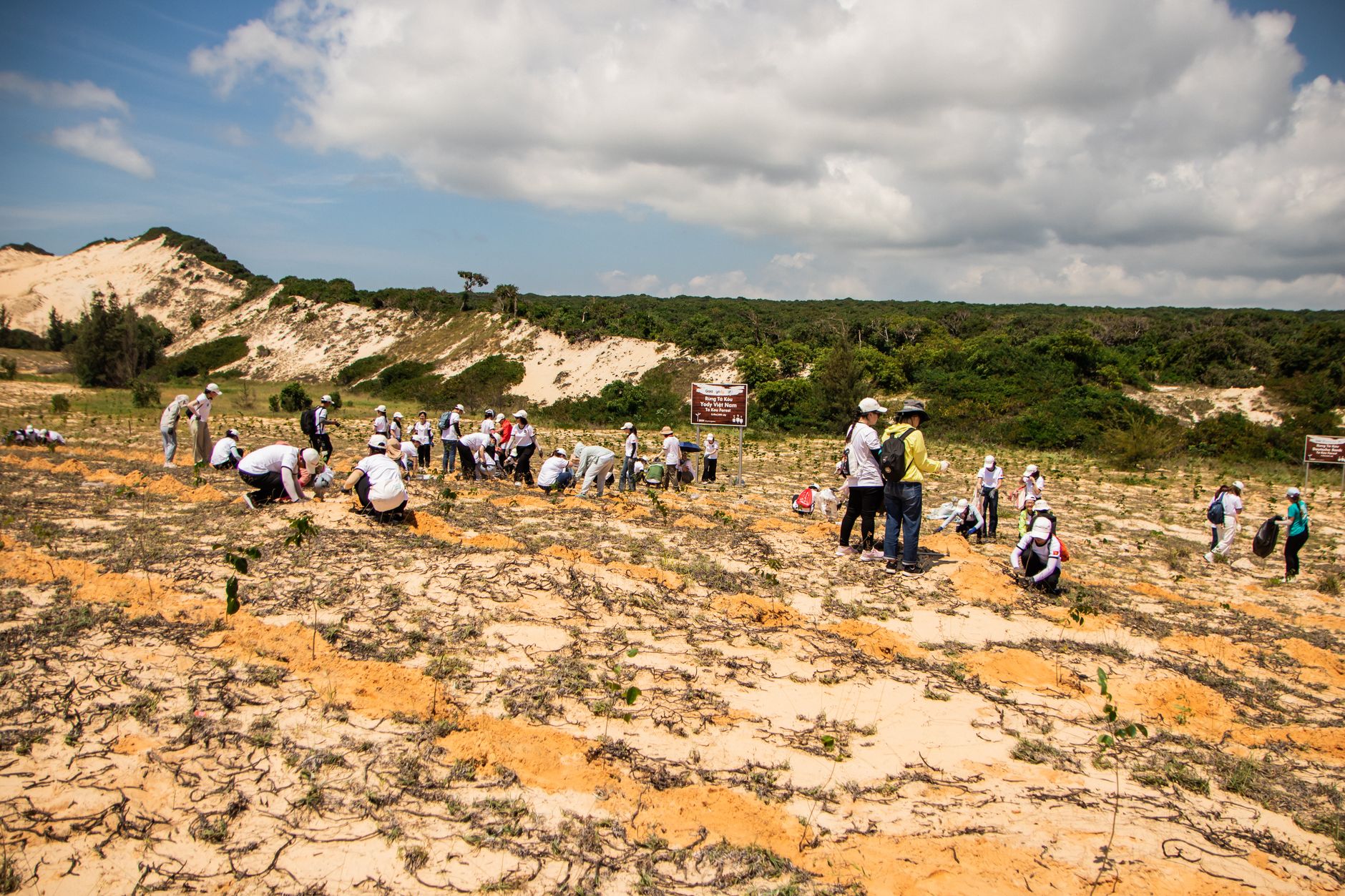
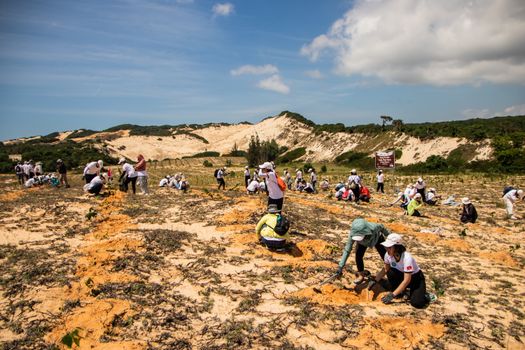
That morning, our crew of twelve international volunteers and local forestry workers planted 450 native trees. But more importantly, we were operating under a rigorous, satellite-tracked restoration protocol. This was not a quick photo-op for a feel-good brochure; it was precision ecosystem engineering.
---
The New Era of Voluntourism: What Recent Data Reveals
For over two decades, voluntourism earned a well-deserved bad reputation. Well-meaning travelers paid thousands of dollars to plant fast-growing eucalyptus or pine monocultures—trees that drained local water tables, wiped out soil biodiversity, and died off within three years due to lack of local stewardship.
However, recent spatial data from organizations like Global Forest Watch, the World Resources Institute (WRI), and ecological mapping platforms like Restor.eco have sparked a quiet revolution. According to recent multi-year observational studies, tree-planting initiatives achieve an average 82% five-year sapling survival rate when three specific variables are met:
- Community Ownership: Local residents are paid fair, living wages to manage nurseries long after travelers leave.
- Biodiversity Heterogeneity: Expeditions plant a minimum mix of 15 to 30 native species rather than single-crop timber trees.
- Post-Planting Maintenance: Active weeding and biochar enrichment continue for at least 36 months post-planting.
When you join a vetted, high-integrity restoration trip, your entry fee doesn't just buy a shovel—it funds native seed collection, local nursery jobs, and years of land protection. Here are the premier regions where real-time data proves volunteer-planted trees are thriving.
---
1. The Atlantic Forest Corridor, Brazil (Mata Atlântica)
While the Amazon gets the headline press, Brazil’s Atlantic Forest is arguably in far more critical condition. Having lost nearly 88% of its original cover to historical sugar cane and cattle farming, it remains one of the world's top biodiversity hotspots.
The Conservation Science
Data from the Pact for Atlantic Forest Restoration indicates that connecting fragmented forest patches through targeted wildlife corridors increases endemic bird species movement by up to 300%. Volunteers here focus on planting quick-growing pioneer species (pindaíba and inga) alongside slow-growing canopy hardwoods like the endangered Jequitibá-rosa.
``` [Pasture Land] ---> [Volunteer Planting Corridors] ---> [Primary Forest Reserve] (Restores Genetic Flow) ```
Field Report & Logistics
You'll wake up at 5:30 AM to beat the sweltering humid heat. Breakfast is a quick, nutrient-dense spread of fresh papaya, cassava bread, and dark Brazilian drip coffee brewed over a gas ring. By 6:30 AM, you are in the field unloading nursery trays.
- Pro-Tip: Skip standard hiking boots. They will get sucked off your feet by the sticky clay. Invest in a pair of tall, fitted rubber work boots (galochas) bought at the local supply shop in Cachoeiras de Macacu for under $15.
- The Insider Detail: The hidden entrance to the nursery's rare-seed vault is tucked behind the old wooden drying barn at the REGUA reserve headquarters—ask the project manager for a look at their wild-harvested Euterpe edulis (Juçara palm) seed stock.
---
2. The Atsinanana Rainforest Corridor, Madagascar
Madagascar's isolation has created an evolutionary wonderland where over 90% of wildlife exists nowhere else on Earth. Yet, satellite imagery from the IUCN Restoration Barometer reveals severe canopy fragmentation caused by slash-and-burn agriculture (tavy).
``` SPECIES DENSITY & RESTORATION IMPACT ----------------------------------- Primary Hardwoods (Rosewood/Ebony): █ 20% (Slow Growth) Pioneer Canopy (Tambourissa): ████████ 50% (Fast Shade) Understory Palms: ███ 30% (Soil Retention) ```
The Conservation Science
Voluntourism programs operating near the Ranomafana and Analamazaotra corridors deploy a strategic mix of fast-growing nurse trees like Tambourissa alongside fruit-bearing species. Recent ecological surveys show that within 48 months of restoration, indri lemurs and bamboo lemurs actively cross these newly established arboreal bridges to expand their genetic pool.
Field Report & Logistics
Days here are physically demanding. You’ll trek along steep, slippery rainforest ridges with backpack trays filled with saplings. The reward? Savoring a steaming bowl of Ravitoto (ground cassava leaves simmered with coconut milk and spices) at dusk while listening to the haunting, whale-like call of an Indri echoing across the valley.
- Pro-Tip: Pack light neoprene gaiters. Madagascar’s rainforest floor is home to small terrestrial leeches that thrive after heavy rain showers. Gaiters sealed over your boots keep them entirely at bay.
- The Insider Detail: The most successful planting plots aren't inside the national park boundaries; they are on the degraded edge-buffers managed by the VOI (local village management committees). Make sure your tour fees go directly to these local VOI accounts.
---
3. Kalimantan Peatland & Canopy Recovery, Indonesian Borneo
Borneo’s peat swamp forests store up to ten times more carbon per hectare than terrestrial tropical rainforests. However, decades of drainage canals dug for palm oil extraction left the peat dry, hyper-flammable, and degraded.
``` UN-DRAINED PEAT SWAMP DRAINED & DEGRADED PEAT (High Water Table / Carbon Sink) (Low Water Table / Fire Hazard)
🌳 🌴 🌳 🌴 🔥 🪵 🍂 🪵 ~~~~~~~~~~~~~~~~~~~~~~~~~ ------------------------- ========================= ========================= (Water-logged organic peat) (Dried, oxidizing peat substrate) ```
The Conservation Science
According to research published by the Center for International Forestry Research (CIFOR), re-wetting peatlands combined with targeted replanting of flood-tolerant native species like Ulin (Ironwood) and Shorea reduces wildfire incidence by more than 60%. Volunteers work alongside Dayak forest keepers to build wooden dams across abandoned drainage canals before out-planting saplings directly into the damp peat.
Field Report & Logistics
Basecamp is often a wooden klotok (riverboat) cruising up the blackwater rivers of Tanjung Puting or the Sabangau Basin. You'll spend mornings navigating quiet oxbow tributaries, pulling up to reforested riverbanks where wild orangutans often watch the planting efforts from the upper branches.
- Pro-Tip: Apply zinc-oxide sunscreen early, but refrain from using chemical insect repellents on your hands when handling raw sapling roots—recent field tests indicate chemical residue on hands can stunt sensitive root fungal structures.
- The Insider Detail: Ask your river guide to take you to the upstream nursery at Camp Leakey during late afternoon feeding hours; the path behind the ranger post contains a demonstration plot planted by volunteers in 2012 that now features a closed 15-meter canopy.
---
4. The Caledonian Forest Rewilding, Scottish Highlands
Reforestation isn't exclusive to the tropics. Scotland’s ancient Caledonian Forest once covered over 1.5 million hectares; today, overgrazing by unnaturally high red deer populations and commercial pine plantations have reduced it to less than 1% of its original footprint.
``` HISTORICAL CANOPY COVER (Scotland) Pre-Historic: [████████████████████] 100% Modern Day: [█] 1% 2050 Target: [██████] 30% (Rewilding Alliance Goal) ```
The Conservation Science
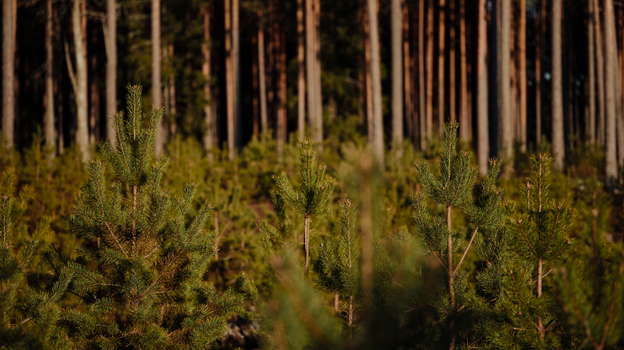
Data from the Scottish Rewilding Alliance proves that excluding deer with targeted fencing and manually replanting key keystone species—such as Scots Pine (Pinus sylvestris), Downy Birch, and Rowan—accelerates natural regeneration cycles by fifty years.
Field Report & Logistics
Expect crisp, cool air, dramatic granite glens, and damp heather moorlands. You’ll be wielding heavy-duty planting spears (mays) to break through thick turf layers before inserting bare-root saplings into the peaty soil.
- Pro-Tip: If volunteering between June and September, purchase a fine mesh head-net and local "Smidge" spray. The Highland midge is tiny, but its swarms can test even the most dedicated conservationist.
- The Insider Detail: When working around the Affric Highlands project, take the unmarked foot track branching west behind the old stone cottage at Dundreggan. It leads to an ancient, isolated stand of dwarf birches that survived the sheep grazing era—a living genetic blueprint for the forest you are rebuilding.
---
5. The Osa Peninsula Biological Corridor, Costa Rica
Costa Rica is famous for environmental stewardship, but its biological corridors—strips of reforested land connecting isolated national parks like Corcovado and Piedras Blancas—require continuous volunteer maintenance to combat historic cattle ranching clearance.
The Conservation Science
Monitoring data from the Osa Conservation Network reveals that continuous tree canopy corridors allow apex predators like jaguars and pumas to hunt across larger territories, dramatically reducing human-wildlife conflict on agricultural borders.
``` +--------------------+ Volunteer-Planted +--------------------+ | Corcovado Park | <=== Biological Corridor ===>| Piedras Blancas | | (Apex Predators) | (Targeted Trees) | (National Reserve)| +--------------------+ +--------------------+ ```
Field Report & Logistics
You'll work beneath a double-tiered rainforest canopy listening to the booming calls of howler monkeys. Voluntours here often blend seed-collection kayak expeditions through coastal mangrove swamps with high-elevation tree planting in the foothills.
- Pro-Tip: Plant early. The humidity in the lowland Pacific rainforest reaches 95% by 10:00 AM. Start your digging sets at 6:00 AM and finish physical field work by midday.
- The Insider Detail: Seek out local sea turtle monitoring teams operating on the beaches near Piro; they often coordinate night patrols that double as coastal reforestation surveys for native almond trees (Dipteryx panamensis), the primary food source for Great Green Macaws.
---
How to Vet a Tree-Planting Trip: The 5-Point Integrity Checklist
Before booking any eco-expedition or transferring a deposit, run the provider through this field-tested verification protocol:
- Are the trees tracked post-planting? High-integrity programs use apps like Restor, Tree Tracker, or satellite verification to log plant coordinates and monitor canopy growth over time.
- What is the native-to-exotic ratio? The target answer must be 100% native or non-invasive endemic species. If they are planting eucalyptus, teak, or commercial pine, walk away—it’s an industrial timber operation in disguise.
- Where do the seeds come from? Reputable trips source seeds directly from local wild seed-collectors or registered community nurseries to preserve local genetic adaptations.
- Who maintains the land? Ensure the land is either community-owned, held in a permanent conservation trust, or secured by long-term legal easements. Avoid projects on land short-leased to private developers.
- What is the local employment model? A minimum of 60% of program operational fees should directly support local staff wages, equipment purchases, and community infrastructure.
---
Quick Facts: Trip Budget & Logistics Comparison
| Region / Destination | Est. Cost (USD/Week) | Best Planting Season | Primary Transport Access | Vetted NGO / Project Partner | | :--- | :--- | :--- | :--- | :--- | | Mata Atlântica, Brazil | $900 – $1,400 | Oct – Mar (Wet Season) | Fly to Rio (GIG); 2hr drive north | REGUA / Ecological Reserve | | Atsinanana, Madagascar | $1,100 – $1,800 | Nov – Apr (Rainy Season) | Fly to Antananarivo; domestic connection | Eden Reforestation / Local VOIs | | Borneo, Indonesia | $1,200 – $2,100 | Nov – Mar (Monsoon) | Fly to Balikpapan or Pangkalan Bun | Friends of the National Parks Foundation | | Scottish Highlands, UK | $800 – $1,300 | Oct – Apr (Bare-root season)| Train to Inverness; local bus access | Trees for Life / Dundreggan | | Osa Peninsula, Costa Rica | $1,000 – $1,700 | May – Nov (Green Season) | Domestic flight to Puerto Jiménez | Osa Conservation |
\Note: Costs typically include field lodging, meals, local transport, nursery supplies, and ongoing community ranger stipends. International airfare excluded.
---
The Lasting Impact: Beyond the Mud
Standing on that clay ridge in the Guapiaçu reserve five days into my planting work, I looked down at a patch of slope we had completed earlier that week. The tiny green saplings, barely knee-high, looked fragile against the vast expanse of degraded hillside.
But then Josué pulled out an iPad and loaded up a high-resolution satellite overlay of the adjacent ridge—a plot planted by volunteers just eight years prior. Where there had once been yellowed, wind-scoured pasture grass, there was now a dense, multi-layered canopy. The satellite thermal sensors showed a drop in ground temperature of nearly 4°C, and acoustic monitoring sensors registered over 140 distinct bird species returning to feed.
When you join a data-backed tree-planting expedition, you aren't paying to play dirt gardener for a week. You are placing your hands directly into the machinery of global ecological restoration. You leave behind a living, breath-producing legacy that will outlive you, shade future generations, and anchor the wild places of this planet back into the earth. Pack your work gloves, leave your vanity at home, and go get your hands dirty.
---
More pictures
Tags
Share this guide
We may earn a commission if you click a link and buy a product or service, at no extra cost to you. How affiliate links work.
Been there?