
Fast fashion and mass production almost wiped out our planet's rarest heritage crafts—until now. This summer, conscious travelers are swapping crowded resort pools for authentic, hands-on masterclasses with legendary artisans. From fermenting natural indigo vats in rural Japan to carving Andean folk retablos in Peru, here are five trending craft revivals where your tourist dollars directly rescue centuries-old traditions from extinction. ---
The Indigo Stained Hands of Tokushima
I stepped into the dim, earth-floored workshop in Kamiita, and the pungent smell of fermenting wheat bran, wood ash lye, and sukumo indigo leaves hit my throat before my eyes adjusted to the low light. Master Akihito’s hands were stained a deep, iridescent navy—a color earned through forty years of stirring wooden vats sunk six feet into the clay floor.
"Natural indigo isn't a paint; it's a living microbe," Akihito told me, splashing raw cotton cloth into a dark green, bubble-topped liquid. When he pulled the fabric into the fresh mountain air, it oxidized within seconds, shifting miraculously from muted yellow to vivid cobalt before my eyes.
For decades, synthetic petroleum dyes almost pushed natural Japanese Aizome into complete oblivion. Today, a handful of studios in Tokushima Prefecture are waging a quiet revolution. But they cannot survive on local admiration alone. They need travelers who are willing to slow down, roll up their sleeves, and invest directly in their heritage.
If you are looking to escape cookie-cutter itineraries this summer, here are five legendary traditional craft revivals where your presence, passion, and travel budget can safeguard living history.
---
1. Tokushima’s Natural Indigo Dyeing (Aizome) – Shikoku, Japan
The Craft Revival
In the Edo period, Tokushima produced over 80% of Japan’s indigo. The advent of chemical dyes in the 20th century wiped out hundreds of indigo farms, leaving fewer than five traditional sukumo (fermented indigo leaf) producers alive today. A passionate coalition of younger artisans has taken over dormant vats, blending traditional techniques with contemporary textile design.
Why It Needs Your Support Now
Authentic indigo fermentation takes up to 100 days of daily temperature monitoring and stirring. Without hands-on workshop bookings and direct textile purchases from international travelers, these small-batch studios face crippling overhead costs for organic farming materials and wood ash fuel.
The Insider Experience
At Buaisou studio in Kamiita, you don't just dip fabric; you learn the chemistry of oxidation and hand-stitch complex shibori resists.
- Pro-Tip: Book the 9:00 AM private morning vat session before the summer humidity peaks. Look for the unpainted cedar barn with the blue linen curtain hanging over the doorway off Route 14.
- Local Flavor: Pair your visit with a bowl of local Tokushima ramen served with thick pork belly and a raw egg at Inotani down the road.
---
2. Modra’s Heritage Blueprinting (Modrotlač) – Little Carpathians, Slovakia
``` +-----------------------------------------------------------------------+ | MODROTLAČ PRINTING PROCESS: | | [Wooden Block + Rubber Paste] -> [Cotton Canvas] -> [Cold Indigo Vat] | +-----------------------------------------------------------------------+ ```
The Craft Revival
Modrotlač—the art of printing resist paste onto raw linen using hand-carved wooden blocks before cold-dyeing it in indigo—was inscribed on UNESCO’s Intangible Cultural Heritage list in 2018. During the communist era, state-run factories commercialized the process and destroyed small family ateliers. Today, third-generation printmakers in Modra are restoring original 18th-century brass-pinned blocks to create stunning, modern home textiles.
Why It Needs Your Support Now
Only three family-run cold-indigo vats remain active across Slovakia. The initial setup cost for a single vat of natural dye solution runs into thousands of Euros, and the hand-carved pear-wood blocks require expert maintenance that tourist workshop fees directly fund.
The Insider Experience
Spend an afternoon dipping custom-stamped linen tea towels alongside master craftspeople. The crisp smell of iron sulfate and dried paste fills the vaulted stone cellars of the workshop.
- Pro-Tip: Ask to see the secret archive room behind the courtyard press; it houses wooden blocks used during the Austro-Hungarian Empire.
- Logistics: Modra is an easy 40-minute drive from Bratislava. Combine your craft workshop with a wine tasting of local Veltlínske Zelené at a boutique vineyard nearby.
---
3. Ayacucho’s High-Andean Retablos & Gourd Carving – Ayacucho, Peru
The Craft Revival
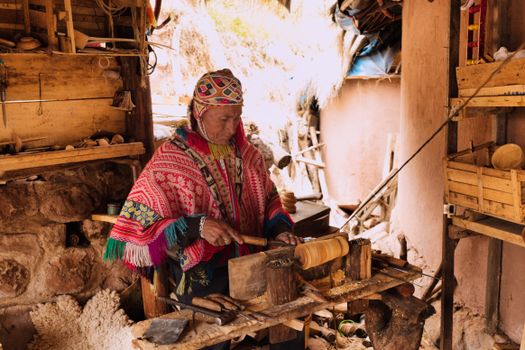
High in the Peruvian Andes, Ayacucho is the capital of Andean folk art. The retablo—a portable wooden box filled with intricate, hand-molded figurine scenes made from boiled potato paste and plaster—originated as portable altars for Spanish priests. Local artisans reclaimed the artform to tell stories of indigenous resistance, seasonal harvests, and traditional Andean mythology.
``` +-----------------------+ | /\ AYACUCHO /\ | | / \ RETABLO / \ | |/____\__________/____\| | | [Artisan Scene] | | | | Hand-Carved | | | | Potato Paste | | | |__________________| | +-----------------------+ ```
Why It Needs Your Support Now
Years of economic hardship and political instability in rural Peru forced younger generations to migrate to Lima, abandoning family workshops. Visiting Ayacucho directly injects capital into family-owned talleres (workshops) in the Santa Ana artisan neighborhood.
The Insider Experience
Visit the studio of the López family. Watch how master artists use micro-scalpels to shape individual faces smaller than a fingernail, then paint them using crushed cochineal insects and mineral pigments.
- Pro-Tip: Skip the overpriced tourist shops in Lima’s Miraflores district. Buy directly from the master's studio in Santa Ana, where your money goes 100% to the creator without distributor markups.
- Insider Detail: The best gourds (mates burilados) are etched using glowing eucalyptus charcoal embers to create dark, burnt shadows without using modern chemical ink.
---
4. Caltagirone’s Majolica & Terracotta Ceramics – Sicily, Italy
The Craft Revival
Caltagirone’s iconic 142-step Scalinata di Santa Maria del Monte is covered in hand-painted ceramic tiles, testifying to a pottery tradition dating back to Arab-Norman times. Majolica ceramics—tin-glazed pottery painted with vibrant cobalt, copper green, and antimony yellow—faced near extinction due to cheap mass-imported knockoffs flooding tourist markets.
Why It Needs Your Support Now
Running high-temperature ceramic kilns in southern Europe has become immensely expensive due to rising energy costs. Master glazes require hours of hand mixing. Certified heritage workshops rely on conscious travelers who choose authentic, hand-signed Testa di Moro vases over factory replicas.
The Insider Experience
Take a deep dive into tin-glazing at a studio along Via Via dei Vasai. You will learn how to brush fluid mineral pigments onto raw, unbaked glaze—a technique that leaves zero room for error, as raw glazes absorb paint instantly like dry chalk.
- Pro-Tip: Arrive at the studio by 8:00 AM while the morning sun hits the ceramic facades. The shop with the bright green wrought-iron door near the base of the stairs belongs to Master Ceramista Vincenzo; his studio tours include fresh ricotta pastries and espresso.
- Authenticity Check: Authentic Caltagirone majolica always has an uneven, porous terracotta base visible under the glaze, along with the master's hand-painted initials.
---
5. Ajrakhpur’s Natural Block-Printing Revival – Kutch, India
The Craft Revival
In the arid landscape of Kutch, Gujarat, the Khatri community has practiced Ajrakh—a 16-step resist block-printing process using natural dyes like madder root, indigo, and pomegranate rind—for over 400 years. After a devastating earthquake flattened their original village in 2001, the artisans established Ajrakhpur, a purpose-built craft village designed around eco-friendly water filtration for natural dye vats.
``` +-----------------------------------------------------------------+ | THE 16-STEP AJRAKH PROCESS | | 1. Washing (Saaj) -> 2. Harda Treatment -> 3. Block Printing | | 4. Indigo Dyeing -> 5. Washing -> 6. Madder Boiling (Repeat) | +-----------------------------------------------------------------+ ```
Why It Needs Your Support Now
Fast fashion screen-printing studios frequently steal traditional Ajrakh geometric designs and print them synthetically on cheap polyester. Supporting authentic artisans preserves ancient mathematical block alignment skills and natural riverbed wash methods.
The Insider Experience
Stand beside master block-printers as they align complex geometric teakwood blocks by eye alone, striking the back of the stamp with rhythmic, wooden thuds.
- Pro-Tip: Visit during late afternoon when thousands of meters of freshly dyed crimson and indigo fabric are laid out across the golden desert sands to dry under the setting sun.
- Logistics: Hire a local taxi from Bhuj (a 25-minute drive). Combine your trip with a stop at the nearby Rann of Kutch salt flat at dusk.
---
Quick Facts & Budget Logistics
| Craft Revival Location | Best Time to Visit | Estimated Daily Budget (USD) | Transport Access | Must-Try Local Specialty | | :--- | :--- | :--- | :--- | :--- | | Tokushima, Japan | May – September | $140 – $220 | 1-hour flight from Tokyo to Tokushima Airport; local car rental recommended | Tokushima Sudachi Citrus Noodles | | Modra, Slovakia | June – October | $70 – $120 | 40-minute drive or regional bus #540 from Bratislava Main Station | Pezinok Duck with Lokše (Potato Pancakes) | | Ayacucho, Peru | April – November | $50 – $90 | 50-minute flight from Lima to Ayacucho (ATH) | Puca Picante & Chicha de Jora | | Caltagirone, Italy | May – June, Sept | $110 – $180 | 1-hour drive or Interbus connection from Catania, Sicily | Fresh Pistachio Cannoli | | Ajrakhpur, India | October – March | $40 – $80 | 25-minute taxi from Bhuj Airport (BHJ) | Kutchi Dabeli & Fresh Butter Milk |
---
How to Be an Ethical Craft Tourist This Summer
Supporting dying crafts requires more than just showing up with a camera. Follow these three rules to ensure your journey makes a real difference:
- Pay the Artisan's Asking Price Without Haggling: Master artisans spend decades perfecting their craft. The price reflects hundreds of hours of labor, rare natural raw materials, and high energy costs. Bargaining undercuts their livelihood.
- Book Direct Workshops: Skip middle-party booking platforms that take a 20-30% cut. Contact studios directly through their local artisan cooperatives or municipal craft boards.
- Verify Authentic Certifications: Look for official geographical indication (GI) tags—such as Italy's DOC ceramic stamps, Japan's traditional craft seals, or India's Craftmark certification—to ensure your money goes to authentic heritage keepers rather than industrial gift shops.
By choosing these immersive, high-impact craft destinations this summer, your travels do more than fill your photo album—they keep humanity's richest traditions alive for generations to come.
---
More pictures
Tags
Share this guide
We may earn a commission if you click a link and buy a product or service, at no extra cost to you. How affiliate links work.
Been there?