
Ever feel like you're seeing the same perfectly curated travel photos and experiences online? Break free from the influencer bubble and dive into a world of genuine adventure! We're uncovering 7 mind-blowing, authentic transportation methods that offer incredible experiences and truly local insights, far beyond what you'll find on your feed. ---
Beyond the Feed: 7 Mind-Blowing Transport Methods Influencers Don't Want You to Know
Let's be honest. Scroll through your feed, and you'll see a parade of perfectly posed selfies, infinity pools, and glamorous train rides through Swiss Alps. While there’s nothing wrong with a little luxury, sometimes, as a seasoned traveler and blogger for Tripsora, I feel like we’re missing something deeper. The real grit, the unexpected joy, the heart-pounding moments that truly define an adventure.
I remember staring at my phone on a particularly uninspired Tuesday, feeling a pang of travel envy, but also a growing sense of déjà vu. Another picture of a Bali swing? Another shot of a pristine beach club? "Is this all there is?" I wondered. It was then that a memory flashed back – the wind whipping through my hair on a makeshift bamboo cart in rural Cambodia, my eyes wide with a mix of fear and exhilaration. That wasn't an "Instagrammable moment" in the traditional sense, but it was real. It was authentic. And it was an experience I'd never trade for a thousand filtered sunset shots.
What if I told you there's a whole world of travel experiences waiting, just beyond the perfectly filtered 'gram'? Transportation isn't just about getting from A to B; it's an integral part of the journey, a window into a culture, a story waiting to be told. And some of the most incredible stories are found on the roads (or tracks, or rivers, or air!) less traveled. These are the unique, sometimes quirky, always unforgettable transportation methods that influencers often skip – perhaps because they don't fit the 'luxury' narrative, or maybe because they require a little more bravery than a perfectly staged photo shoot.
Ready to ditch the mainstream and embrace the extraordinary? Let's dive in!
1. The Norry: Cambodia's Unforgettable Bamboo Train
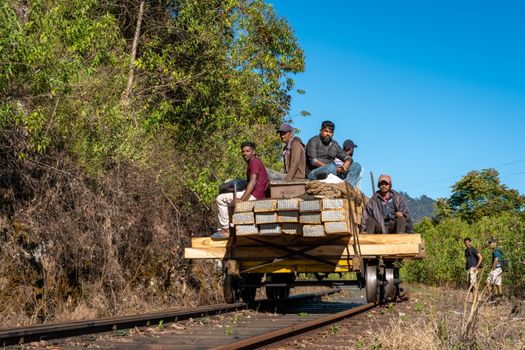
Imagine a small, open bamboo platform, powered by a tiny engine, hurtling down a single set of railway tracks. Now imagine that when another "train" comes from the opposite direction, one of you has to dismantle your vehicle and lift it off the tracks to let the other pass. Welcome to the Norry, Cambodia's legendary Bamboo Train.
My Story: My first encounter with the Norry in Battambang was pure, unadulterated chaos and charm. The heat was oppressive, but the moment our little bamboo cart started rattling down the tracks, a breeze kicked up, and a wide grin spread across my face. We zipped past rice paddies, waving at local kids, and then, suddenly, a head-on collision seemed imminent! Our driver calmly signalled, and within minutes, our platform, wheels and engine were disassembled and stacked beside the tracks, letting the other Norry pass. It felt like a scene straight out of an Indiana Jones movie, and the laughter that erupted from our group was infectious. It wasn't just a ride; it was an interactive performance.
Why Influencers Might Skip It: It's rustic, dusty, and definitely not air-conditioned. Getting a perfect selfie without looking wind-blown or a little dishevelled is a challenge. It's too "real" for the polished aesthetic.
Practical Tips for Your Norry Adventure:
- Location: Primarily found near Battambang, Cambodia.
- Cost: Expect to pay around $5-$10 USD for a round trip. Negotiate respectfully.
- Best Time to Go: Early morning or late afternoon to avoid the midday heat and catch beautiful light.
- What to Bring: Water, sunscreen, and a sense of humor. Hold onto your hats and phones!
- Experience Level: Easy, but embrace the bumps and the unexpected.
2. The Colorful Chaos: Philippines' Iconic Jeepneys
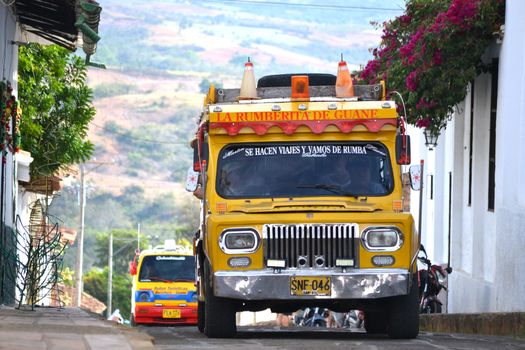
Step aside, sterile public transport. In the Philippines, the Jeepney is king – a vibrant, chrome-laden, often kitsch-decorated marvel of engineering and folk art. Originally made from US military jeeps left over from WWII, these elongated vehicles are the backbone of local transportation, each a unique expression of its owner's personality.
My Story: Navigating Manila's sprawling streets for the first time was daunting, until a local friend insisted we take a Jeepney. I squeezed into a seat, knees almost touching the person opposite, surrounded by booming pop music and the smell of exhaust. As we rattled along, money was passed down the line to the driver, who somehow managed to collect fares and steer through chaotic traffic simultaneously. It was loud, crowded, and utterly exhilarating. I felt like I wasn't just observing Manila; I was in it, part of its pulsating rhythm. The sheer joy on people's faces, the camaraderie, the shared experience – it was pure magic.
Why Influencers Might Skip It: Definitely not air-conditioned. Can be crowded, hot, and noisy. It’s hard to control the "aesthetic" when you're packed in like sardines, and it doesn't scream "luxury travel."
Practical Tips for Riding a Jeepney:
- Location: Ubiquitous across the Philippines, especially in major cities like Manila, Cebu, and Davao.
- Cost: Incredibly cheap, usually around ₱10-20 (less than $0.50 USD) for short rides.
- How to Ride: Know your destination or a major landmark along the route. Jeepneys have their routes painted on the side. Flag one down, hop in, and pass your fare to the driver. Say "Para!" when you want to get off.
- Safety: Keep your belongings close, especially in crowded areas.
- Experience Level: A little adventurous, but a must-do for cultural immersion.
3. Sailing into Serenity: Egyptian Feluccas on the Nile
Forget the crowded cruise ships. For a truly authentic and serene experience on the legendary Nile River, look no further than the felucca. These traditional wooden sailboats, powered solely by the wind, have plied these waters for millennia, offering a timeless journey through Egypt's heartland.
My Story: After the bustling markets of Aswan, stepping onto a felucca felt like entering a different dimension. The only sounds were the gentle lapping of water against the hull and the soft whisper of the wind in the sails. As the sun dipped below the horizon, painting the sky in fiery oranges and purples, I lay back on cushions, watching ancient temples glide by. Our Nubian captain, a man whose family had sailed the Nile for generations, pointed out landmarks and shared stories. It was a moment of profound peace, a genuine connection to history and nature that no luxury liner could ever replicate. We even anchored for a swim in the cool, refreshing Nile waters – an impromptu moment of pure bliss.
Why Influencers Might Skip It: It's slow travel, which doesn't always translate to fast-paced, high-engagement content. It's less about flashy outfits and more about quiet contemplation.
Practical Tips for a Felucca Journey:
- Location: Best experienced in Aswan or Luxor, Egypt.
- Cost: Varies widely based on duration (hourly, half-day, or overnight trips). Expect to pay $20-$50 USD for a private hourly/half-day trip. Overnight trips are more. Always negotiate the price beforehand.
- Best Time to Go: Sunset cruises are magical, but any time of day offers beauty.
- What to Bring: Snacks, drinks, sunscreen, a hat, and layers of clothing as it can get chilly after sunset.
- Finding a Ride: Ask your hotel or find reputable captains near the riverbanks. Always agree on the price and duration before departing.
- Experience Level: Relaxing and deeply immersive.
4. The Urban Thrill Ride: Southeast Asian Moto-Taxis (Grab/GoJek Bikes)
While ride-sharing apps like Grab and GoJek are globally recognized, many tourists opt for the car option. But in the congested, buzzing cities of Southeast Asia, the true local experience (and often the fastest way to get around) is on the back of a moto-taxi.
My Story: My first time in Hanoi, Vietnam, the sheer volume of scooters on the road was overwhelming. I hesitated, but with traffic at a standstill, I finally booked a Grab Bike. The driver handed me a helmet, and within seconds, we were weaving through the impossible labyrinth of cars, bicycles, and other scooters. My heart pounded, but then a strange calm settled over me. The city unfolded in a blur of sights and sounds – street food vendors, families on a single scooter, ancient temples tucked between modern buildings. I felt the pulse of the city directly, the wind in my face, the smells of pho and exhaust fumes. It was an exhilarating, immersive ballet of urban life, and I arrived at my destination feeling like I'd truly experienced Hanoi.
Why Influencers Might Skip It: Helmet hair is a real thing, and it's not always the most glamorous way to arrive. Plus, the sheer chaos can be intimidating for those used to more controlled environments.
Practical Tips for Riding a Moto-Taxi:
- Location: Ubiquitous in major cities across Vietnam (Hanoi, Ho Chi Minh City), Indonesia (Bali, Jakarta), Thailand (Bangkok), and other Southeast Asian countries.
- Cost: Incredibly cheap, often just $1-$3 USD for short to medium distances.
- How to Ride: Download Grab or GoJek apps. Select the "Bike" or "Moto" option. Always wear the provided helmet. Hold on tight to the driver or the grab handles!
- Safety: While generally safe with reputable apps, always use your best judgment. Avoid if you're uncomfortable with fast, weaving traffic.
- Experience Level: Adventurous and fast-paced, offering unparalleled city immersion.
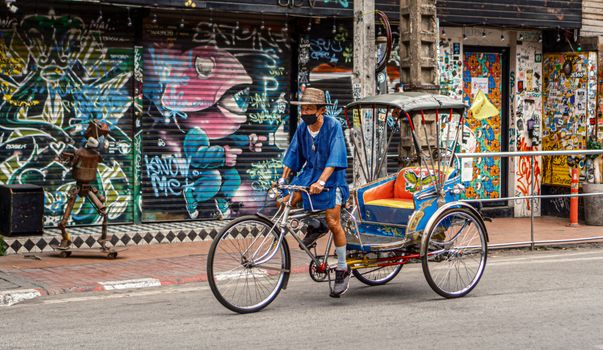
5. Pedaling Through Time: Malaysian Trishaws (Beca)
In the historic streets of Penang and Melaka, Malaysia, time seems to slow down, and there's no better way to embrace this gentle pace than from the comfort of a trishaw, or "beca." These human-powered tricycles offer a charming, intimate tour, often adorned with colorful decorations and even playing music.
My Story: Exploring the UNESCO World Heritage Site of George Town in Penang by trishaw was like stepping onto a movie set. My rider, a jovial man named Uncle Lim, pedaled me past colonial architecture, vibrant street art murals, and bustling hawker stalls. He didn't just drive; he was a storyteller, pointing out hidden gems and sharing anecdotes about the city's rich history. We paused for photos, he waited patiently, and the gentle pace allowed me to truly soak in the sights, smells, and sounds. It was a personal, unhurried journey, a stark contrast to the rush of modern travel. The highlight was when he started playing "Gangnam Style" on his built-in speaker system – pure joy!
Why Influencers Might Skip It: It's slow. It's not a high-octane adventure. And while charming, it might be perceived as "too touristy" by those looking for hyper-local, edgy content, missing the point that it is a genuine part of the local heritage tourism.
Practical Tips for a Trishaw Ride:
- Location: Most prominent in Penang (George Town) and Melaka, Malaysia.
- Cost: Negotiate before you start. Expect to pay around RM20-50 per hour (~$5-$12 USD), depending on the city and your bargaining skills.
- How to Ride: You'll find trishaw drivers congregating near major tourist attractions. Approach them, discuss your desired route and duration, and agree on a price.
- Etiquette: A tip is always appreciated for good service. Engage with your driver – they often have incredible stories and insights.
- Experience Level: Relaxed, cultural, and highly recommended for exploring historic centers.
6. Soaring Above the City: La Paz/Medellín's Teleféricos (Cable Cars)
When you think of cable cars, you might picture ski resorts or tourist attractions. But in cities like La Paz, Bolivia, and Medellín, Colombia, cable cars (or teleféricos) are an integral, vital part of the public transportation system, offering breathtaking views as locals commute to work.
My Story: Arriving in La Paz, the highest administrative capital in the world, the sheer scale of the city sprawling across the Andean peaks was overwhelming. Then I saw the network of cable car lines crisscrossing the sky. I hopped on the Red Line (Mi Teleférico), and as the cabin ascended, the entire city opened up beneath me. From the vibrant markets of El Alto to the modern downtown, the perspective was incredible. It wasn't a tourist ride; it was a quiet, efficient, and incredibly scenic commute for thousands. I watched mothers with their children, businessmen in suits, and students with backpacks, all silently gliding above the chaos, taking in views that would cost a fortune on a private tour. It felt like I was witnessing the city's heartbeat from above.
Why Influencers Might Skip It: It's public transport. While the views are spectacular, the primary purpose is utility, not a curated "experience." It requires navigating a local transport system, which some might find less glamorous than a private helicopter tour.
Practical Tips for Riding a Teleférico:
- Location: La Paz, Bolivia (Mi Teleférico - the world's largest urban cable car network); Medellín, Colombia (Metrocable).
- Cost: Incredibly affordable, usually less than $1 USD per ride, often integrated with other public transport passes.
- How to Ride: Purchase a ticket or use a rechargeable card at the station. Follow signage for different lines. Treat it like any other metro system.
- Best Time to Go: Off-peak hours to avoid crowds, but even during rush hour, the experience is unique. Go during the day for views, or at dusk for city lights.
- What to Bring: A wide-angle lens for stunning photos, but respect other commuters' privacy.
- Experience Level: Easy, safe, and offers unparalleled urban panoramas.
7. Wind in the Sails: East African Dhows
Along the stunning coastlines of East Africa, particularly in places like Zanzibar and the Lamu Archipelago, the dhow is more than just a boat; it's a living piece of history. These traditional wooden sailing vessels, with their distinctive triangular sails, have been used for trade and transport for centuries, offering a truly authentic way to explore turquoise waters.
My Story: On a trip to Zanzibar, I booked a sunset dhow cruise from Stone Town. As our dhow gracefully glided out into the Indian Ocean, the captain, a local Swahili fisherman, told us tales of ancient trade routes and spice merchants. The air was warm, scented with salt and distant cooking fires. We anchored in a secluded cove, jumping into the impossibly clear, warm water for a swim as the sun began its descent. Later, we feasted on freshly grilled seafood prepared right on board, the stars beginning to pepper the sky. It wasn't a fancy yacht, but the simplicity and authenticity made it infinitely more memorable. It was a sensory feast – the taste of the ocean, the feel of the wind, the sound of the waves, and the sight of a truly unspoiled paradise.
Why Influencers Might Skip It: It's an unpolished, rustic experience. You might get wet, your hair might get messy, and it’s not always about luxury amenities. It requires a willingness to embrace simplicity and the natural elements.
Practical Tips for a Dhow Experience:
- Location: Zanzibar (Tanzania), Lamu (Kenya), Oman, and other parts of the Arabian Peninsula.
- Cost: Varies widely based on duration and inclusions (e.g., half-day, full-day, sunset cruise, snorkeling, food). Expect $30-$70 USD per person for a good half-day trip.
- How to Book: Ask your hotel, or find reputable tour operators or local captains at the beach or port. Always confirm what's included and negotiate the price.
- What to Bring: Swimwear, towel, sunscreen, hat, sunglasses, and a waterproof bag for your electronics.
- Experience Level: Relaxing, adventurous, and deeply cultural.
Your Next Adventure Awaits, Beyond the Scroll!
There you have it – seven incredible transportation methods that offer not just a ride, but an immersive, authentic, and often thrilling travel experience. These aren't the polished, perfectly framed moments you see dominating your feed. These are the real, raw, unforgettable journeys that truly connect you with a place and its people.
So, next time you're planning a trip, challenge yourself to look beyond the obvious. Ditch the curated perfection for genuine adventure. Embrace the bumps, the crowds, the dust, and the unexpected encounters. You'll not only save money and gain unique insights, but you'll also collect stories that no filter can capture. These are the moments that make travel truly transformative, and they're waiting for you, just off the influencer radar.
Which of these hidden gems will you try first? Have you discovered another incredible, off-the-beaten-path mode of transport? Share your thoughts in the comments below! Don't forget to tag #TripsoraTravel and #UnseenJourneys on your next authentic adventure. Let's inspire each other to explore beyond the scroll!
---
More pictures
Tags
Share this guide
We may earn a commission if you click a link and buy a product or service, at no extra cost to you. How affiliate links work.
Been there?