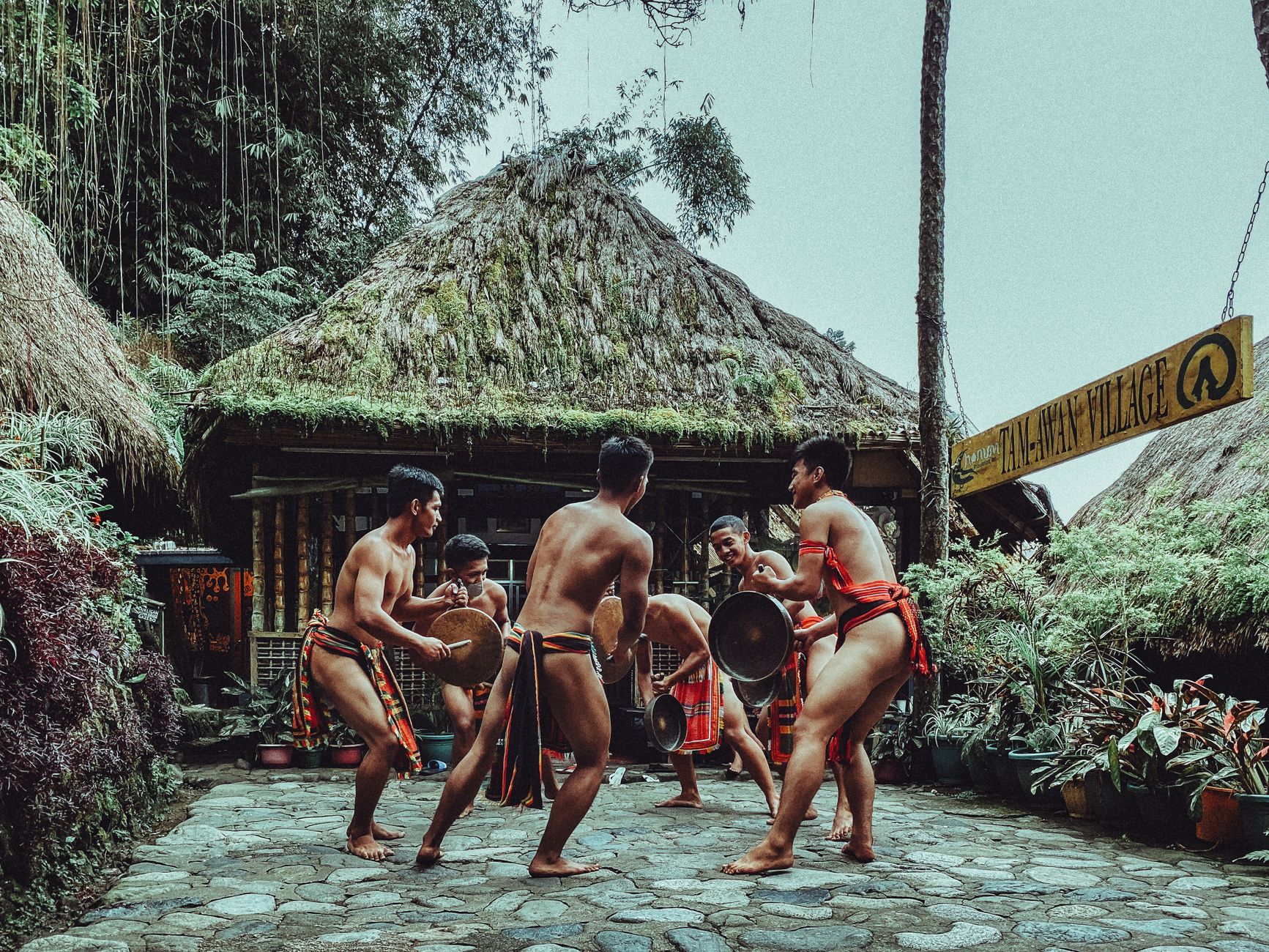
Forget guided tours and crowded museums for a moment. The true heart of a destination often beats in its playful spirit. Prepare to unlock a world of laughter, competition, and genuine connection as we dive into traditional games that locals are eager to teach you – experiences that will truly blow your mind! ---
Beyond the Postcard: How Traditional Games Unlocked My Most Authentic Travel Moments
I remember it vividly. I was backpacking through Ghana, feeling that familiar blend of awe and slight detachment that often comes with solo travel. I'd seen the markets, tasted the street food, and explored the historical sites. All incredible, yes, but I craved something deeper, a true connection that went beyond polite smiles and transactional exchanges.
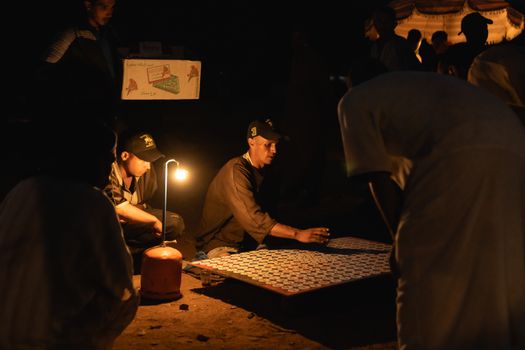
One sweltering afternoon, seeking shade in a dusty village square outside Kumasi, I saw it: a circle of men, old and young, gathered around a wooden board, their faces a mixture of intense concentration and booming laughter. They were playing something with seeds and carved holes, their hands moving with practiced rhythm. It looked complex, ancient, and utterly captivating.
My initial instinct was to just observe, to be the quiet tourist. But something shifted. A young man, noticing my curiosity, gestured with a friendly smile, "Akwaaba! Come, join us!" My heart pounded. I was awkward, shy, and had no idea what I was doing. Yet, I sat down. What followed was a clumsy, hilarious, and ultimately profound lesson in a game called Oware (a variant of Mancala). I lost spectacularly, but I gained something far more valuable: a shared moment, a genuine interaction, and a burst of connection that transcended language barriers. It was, quite simply, mind-blowing.
That day changed how I travel. I realized that the real magic isn't just in seeing a place, but in participating in its rhythm, its joy, its everyday life. And there's no faster, more universally understood way to do that than through traditional games. They are the ultimate ice-breakers, the secret passports to cultural immersion, and often, the source of your most unforgettable travel stories.
So, put down the guide book, look up from your phone, and prepare to get your hands (and feet!) dirty. Here are some incredible traditional games that locals around the world are waiting to teach you, promising experiences that will truly blow your mind.
1. Mancala (Oware/Congkak) – The Ancient Strategy of Seeds and Shared Wisdom
Where You'll Find It: Widely played across Africa (known as Oware in Ghana, Ayo in Nigeria), Southeast Asia (Congkak in Malaysia, Indonesia), and parts of the Caribbean.
Imagine a game so old its origins trace back thousands of years, played with seeds or beans on a carved wooden board or even just holes dug in the sand. That's Mancala, a family of 'count and capture' board games. While rules vary regionally, the essence remains: strategic distribution of pieces to capture your opponent's.
My first encounter with Oware in Ghana was a lesson in patience and observation. The elders who played seemed to possess an almost mystical understanding of the board, their moves deliberate, their expressions unreadable until a sudden, triumphant grin. Learning was a slow process of mirroring, failing, and trying again. There's a beautiful, almost meditative rhythm to the dropping of the seeds, the quiet calculation, and the sudden burst of explanation (often with much gesticulation) when you make a particularly bad move!
Why it will blow your mind: Mancala isn't just a game; it's a living piece of history. Playing it connects you to generations of players, to ancient agricultural practices, and to a way of thinking that values foresight and resourcefulness. It's a deep dive into local logic and social interaction, often accompanied by lively chatter and friendly banter. The quiet intensity of the game, followed by communal laughter, is an experience you won't forget.
How to find a game: Look for groups gathered in market squares, village centers, tea houses, or even just under a shady tree. In Southeast Asia, you might spot Congkak boards in homes or community centers. Approach with a smile, point to the board, and use a simple phrase like "Can I watch?" or "Can I learn?" (even if it's just in English). A small gesture like offering to buy a round of drinks is often appreciated. It's usually free to play, the real currency is your willingness to connect.
2. Sepak Takraw – The Airborne Ballet of Southeast Asia
Where You'll Find It: Predominantly in Southeast Asia – Thailand, Malaysia, Indonesia, the Philippines, Myanmar, Laos, and Cambodia.
Picture volleyball, but instead of hands, players use only their feet, knees, chest, and head to send a woven rattan ball soaring over a net. This is Sepak Takraw, and it is nothing short of an athletic marvel. Players perform incredible bicycle kicks, gravity-defying headers, and acrobatic spikes that would make a gymnast blush.
I first stumbled upon a Sepak Takraw game in a park near Chatuchak Market in Bangkok. The air buzzed with energy, the rhythmic thwack of the rattan ball echoing as players launched themselves into the air. I stood mesmerized, mouth agape, watching the sheer power and grace. One of the players, noticing my fascination, waved me over. "Try! Try!" he encouraged, handing me a ball. My attempts were, to put it mildly, pathetic. The ball bounced off my shin, my knee, everywhere but where I intended. Yet, the laughter was infectious, and their patience was endless. They showed me basic kicks, how to balance the ball, and even how to attempt a simple header.
Why it will blow your mind: The sheer athleticism and skill involved are breathtaking. But beyond the acrobatics, it's the spirit of the game – the camaraderie, the friendly competition, and the joy of movement – that truly shines. It's a vibrant, fast-paced game that embodies the lively spirit of the region. You'll be amazed not just by their skill, but by how quickly you're welcomed into the fold, even if your own contributions are more comedic than competitive.
How to find a game: Look for open spaces, parks, beaches, or even makeshift courts in urban areas, especially in the late afternoons or evenings when the heat subsides. The distinctive rattan ball and net are easy to spot. Again, a friendly smile and a gesture of interest are usually enough to get an invitation. Don't worry about being good; the effort and willingness to participate are what matter.
3. Carrom – The Finger Billiards of the Subcontinent
Where You'll Find It: Hugely popular across India, Pakistan, Bangladesh, Sri Lanka, Nepal, and other parts of South Asia and the Middle East.
Carrom is a tabletop game that's often described as 'finger billiards' or 'pool without cues.' Players flick a larger 'striker' disc with their fingers to pocket smaller 'carrom men' (often red, black, or white) into corner pockets on a square board. It requires precision, strategy, and a delicate touch.
I spent a rainy monsoon afternoon in a small chai shop in Mumbai, sheltering from the downpour. Inside, a group of friends were locked in a fierce, yet good-natured, Carrom battle. The air was thick with the scent of masala chai and the rhythmic thwack of the striker. Curious, I watched for a while, fascinated by the angles and spins they imparted to the discs. Eventually, one of the players, a jovial man named Rohan, invited me to join. He patiently explained the rules, demonstrated the different flicking techniques, and even let me borrow his lucky striker. We played for hours, sipping chai, sharing stories, and laughing at my amateurish shots. It was a perfect microcosm of local life.
Why it will blow your mind: Carrom is incredibly accessible and addictive. It's a game that brings people together across generations and social strata. You'll find it in bustling cafes, quiet homes, and community centers everywhere. It offers a unique window into the social fabric of the subcontinent – a place where friendly competition, good humor, and shared leisure are deeply valued. The feeling of finally sinking a tricky shot, cheered on by your new friends, is pure gold.
How to find a game: Carrom boards are ubiquitous in South Asia. Look for them in cafes, tea stalls, community halls, and even on street corners. Many guesthouses or hostels might have one too. Simply ask if you can join or learn. It's a fantastic way to pass time, especially if you're waiting for transport or seeking refuge from the heat. Expect to pay nothing, but perhaps offer to buy a round of chai for the table.
4. Pétanque – The Gentle Art of French Precision
Where You'll Find It: France (especially Provence and the South), and widely played across Mediterranean Europe (similar to Bocce in Italy).
Pétanque is a quintessential French pastime, particularly beloved in the sun-drenched squares of Provence. Players take turns throwing hollow metal balls (boules) as close as possible to a small wooden target ball called a cochonnet (little pig). It's a game of precision, strategy, and relaxed social interaction, often accompanied by a glass of rosé and lively conversation.
My first Pétanque experience was in a small, idyllic village square in the Luberon valley. The afternoon sun cast long shadows as locals, from teenagers to grandparents, gathered for their daily game. The rhythmic clink of boules hitting each other, punctuated by exclamations of delight or mock despair, was the soundtrack to a perfect day. I watched for a while, charmed by the unhurried pace and easy camaraderie. An elderly gentleman, noticing my interest, beckoned me over. He handed me a boule, demonstrated the proper throwing technique (palm down, arm swinging low), and patiently guided my clumsy attempts. We spent the next hour playing, communicating mostly through smiles, nods, and the universal language of a well-aimed throw.
Why it will blow your mind: Pétanque offers a glimpse into the timeless, unhurried pace of Mediterranean life. It's less about intense athleticism and more about precise skill, quiet strategy, and shared enjoyment. It's an incredibly social game, fostering conversation and connection in a relaxed atmosphere. You'll feel instantly immersed in the local culture, experiencing a slice of authentic daily life that most tourists miss. The feeling of your boule landing perfectly next to the cochonnet, earning a nod of approval from a seasoned player, is incredibly satisfying.
How to find a game: Look for dedicated pétanque terrains (often marked with gravel or dirt) in village squares, parks, or even casual gatherings in public spaces, especially in the late afternoon. In many French towns, the local bar will have a set of boules for patrons to use. A friendly "Bonjour, puis-je jouer?" ("Hello, can I play?") will go a long way. This is often a free activity, though offering to buy a round of pastis or rosé for the group is a wonderful gesture.
5. Go (Weiqi) – The Zen of Strategy in East Asia
Where You'll Find It: Deeply rooted in China (Weiqi), Japan (Go), and Korea (Baduk), with a growing international following.
Go is arguably the oldest board game still played in its original form, dating back over 2,500 years. Played with black and white stones on a grid, the objective is to surround and capture territory and opponent's stones. It's a game of profound strategic depth, often compared to chess but with a more fluid, organic approach.
During a quiet afternoon in Kyoto, I wandered into a traditional tea house that also served as a Go parlor. The atmosphere was one of serene concentration, broken only by the gentle clack of stones being placed on wooden boards. I was intimidated, knowing Go's reputation for complexity. However, a kind-faced proprietor, sensing my awe, invited me to sit and watch a game. He then offered to teach me the absolute basics. What followed was a silent, patient lesson in the principles of encirclement and balance. Though I barely understood the nuances, the sheer intellectual beauty and the meditative quality of the game captivated me. It was a moment of quiet cultural exchange, a connection to an ancient intellectual tradition.
Why it will blow your mind: Go is more than just a game; it's a philosophical pursuit, a reflection of East Asian strategic thinking and aesthetic principles. It offers an unparalleled opportunity for deep cultural immersion, even if you only grasp the rudiments. The quiet intensity, the focus, and the sense of history that emanates from the board are truly profound. It teaches patience, observation, and a different way of thinking. You'll leave with a newfound appreciation for the depth of human ingenuity and the power of silent communication.
How to find a game: Look for dedicated Go clubs (often called igo salons in Japan), tea houses, or community centers in larger cities. It might be harder to stumble upon casually than other games, but asking at your accommodation or a local information center can point you in the right direction. While a full game can be hours long, many players are happy to teach beginners the basic concepts for a short period. It's usually free to learn, but supporting the establishment (e.g., buying tea) is a good practice.
6. Jianzi (Chinese Shuttlecock) – The Street Dance of the Feet
Where You'll Find It: Popular in China, Vietnam (where it's called Da Cau), and other parts of Southeast Asia.
Jianzi is a traditional Chinese game where players aim to keep a heavily weighted shuttlecock (often made with feathers and a rubber or plastic base) airborne using only their feet and other body parts – no hands allowed! It's a vibrant, energetic game that combines elements of soccer, hacky sack, and dance.
One morning in a bustling Beijing park, I saw groups of people, young and old, gathered in circles, gracefully kicking a colorful shuttlecock back and forth. The shuttlecock would fly, twist, and turn, caught with a heel, a knee, or even a shoulder, always landing perfectly for the next player. The sheer agility and coordination were astounding. Intrigued, I edged closer. Soon, a friendly woman in the circle gestured for me to join. My first attempts were predictably clumsy, the shuttlecock veering wildly. But with encouragement and laughter, I slowly started to get the hang of it, managing a few consecutive kicks. The immediate sense of camaraderie, the shared effort, and the pure, unadulterated fun were exhilarating.
Why it will blow your mind: Jianzi is incredibly fun, active, and a fantastic way to connect with locals in a lively, informal setting. It's intergenerational, with people of all ages playing together, demonstrating a beautiful sense of community. The physical challenge, combined with the joyful atmosphere, makes for an instantly engaging experience. You'll be amazed by the skill of the locals and how quickly you can pick up the basics, leading to bursts of shared laughter and a genuine feeling of belonging.
How to find a game: Parks and public squares are the best places to find Jianzi games, especially in the mornings and evenings. The distinctive shuttlecock and the sound of it being kicked are usually easy to spot. Just observe, smile, and wait for an invitation, or politely ask to join. It's a completely free activity and a wonderful way to experience the vibrancy of local community life.
---
Practical Tips for Playing Games with Locals: Your Passport to Connection
Ready to dive in? Here’s how to make the most of these incredible opportunities:
- Be Approachable & Observe First: Smile! Body language is universal. Watch a game for a bit, show genuine interest, and make eye contact. Don't be afraid to look a little lost or curious.
- Learn Key Phrases: Even just "Hello," "Thank you," and "Can I play?" in the local language goes a long way. Google Translate or a phrasebook can be your best friend.
- Embrace the Language Barrier: Don't let a lack of shared language deter you. Laughter, gestures, and the actions of the game itself are powerful communicators.
- Respect the Rules (and the Players): You're a guest. Follow their lead, even if you don't fully understand. Be patient, humble, and good-natured. Don't be overly competitive.
- Offer to Share or Treat: If you're playing in a cafe or tea stall, offer to buy a round of drinks or snacks. It's a small gesture that shows appreciation and fosters goodwill.
- Patience is a Virtue: You won't be a master instantly. Embrace the learning process, laugh at your mistakes, and enjoy the journey.
- Be Present: Put your phone away (unless you're taking a quick, respectful photo). Engage fully in the moment.
- Carry Small Tokens (Optional): Sometimes, a small, inexpensive gift from your home country (like a postcard or a local candy) can be a lovely gesture of thanks, though never expected.
- Trust Your Gut: While these interactions are generally positive, always be aware of your surroundings and personal safety. If a situation feels off, politely excuse yourself.
---
Beyond the Scoreboard: The Real Win
The beauty of traditional games isn't just in the rules or the competition; it's in the shared experience. It's in the laughter that transcends language, the friendly rivalry that builds bridges, and the quiet moments of connection that remind you we're all just people, eager to play, learn, and belong.
These aren't just games; they're invitations. Invitations to step off the beaten path, to shed your tourist skin, and to truly connect with the heart and soul of a destination. They are the moments that transform a trip into an adventure, a memory into a story, and a stranger into a friend.
So, on your next adventure, put down the guide book, look up from your phone, and ask a local, "Can I play?" You might just find the most unforgettable, mind-blowing part of your trip.
What traditional game will you seek out next? Share your own game-playing stories below!
---
More pictures
Tags
Share this guide
We may earn a commission if you click a link and buy a product or service, at no extra cost to you. How affiliate links work.
Been there?