Forget the crowded Blue Lagoon and the overpriced spas of Budapest. We’re diving into the sulfurous, steam-filled world of clandestine soaking—from the travertine cascades of Tuscany to the volcanic ocean-fed pools of the Azores. This is your blueprint for finding the thermal baths locals have kept secret right now. ---
The Morning the Steam Spoke to Me
I stepped off the regional train at a station so small the conductor barely had time to whistle. The air in the French Pyrenees doesn't just smell like pine; it smells like ancient stone and impending snow. I followed a weathered man carrying a tattered towel and a loaf of levain. We walked past the village boulangerie, turned left at a crumbling Roman archway, and there it was: a plume of silver vapor rising against a backdrop of jagged, granite peaks.
No neon signs. No $80 entry fee. Just the rhythmic drip-drop of mineral-rich water that had been underground since the Caesars ruled. I realized then that the world’s best wellness experiences aren't found in five-star lobbies; they are tucked behind blue doors and down unmarked gravel paths.
1. The "White Whale" of Tuscany: Bagni San Filippo, Italy
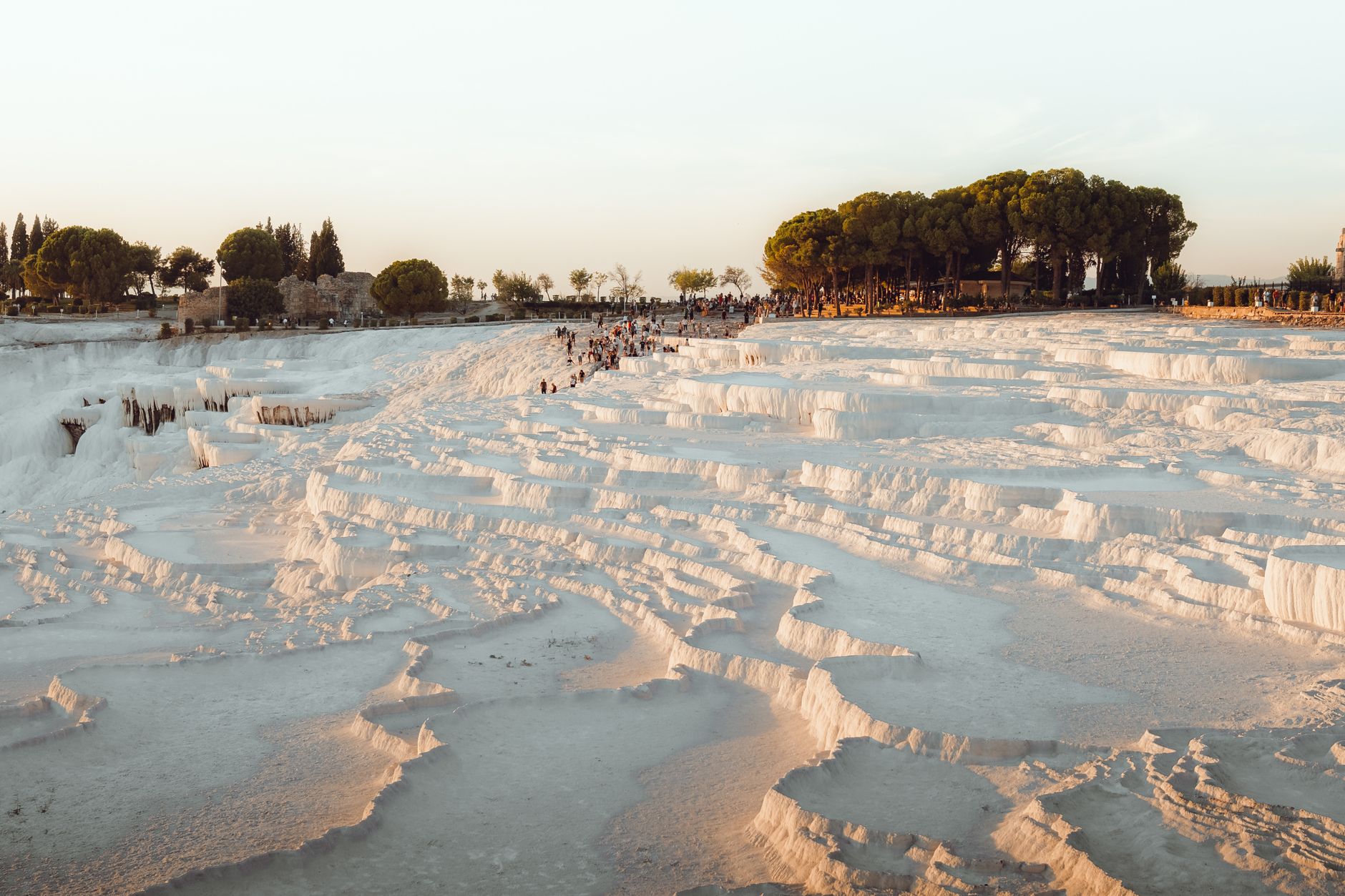
While the masses flock to Saturnia to fight for a square inch of water, the locals in the know drive deep into the Val d’Orcia. Bagni San Filippo is home to the Fosso Bianco, a series of calcium-rich hot springs hidden in a dense forest.
The centerpiece is the "Balena Bianca" (the White Whale), a massive, calcified waterfall formation that looks like a frozen wave of marble. The water here is a milky blue, thick with therapeutic mud that locals slather on their skin like a DIY ritual.
- The Insider Secret: Don't stop at the first pools you see near the road. Follow the dirt path deeper into the woods for at least ten minutes. The pools further down are hotter, deeper, and usually empty of everyone except the village elders.
- Pro-Tip: Bring an old swimsuit. The high sulfur and calcium content will permanently stiffen the fabric of your favorite designer trunks.
2. The Atlantic’s Boiling Heart: Ponta da Ferraria, Azores
In the middle of the Atlantic Ocean, on the edge of São Miguel island, lies a phenomenon that defies logic. Ponta da Ferraria is a geothermal spring that bubbles up inside a small ocean cove.
Imagine floating in the freezing, salty Atlantic, only to be hit by a surge of 100-degree volcanic water. It’s a visceral, rhythmic dance with the tide. When the tide comes in, the water is perfectly tepid; when it goes out, it’s a boiling cauldron.
- The Insider Secret: There are ropes strung across the cove. Hold onto them. The surge of the ocean can be powerful, and the ropes allow you to hover right over the thermal vents without being swept out to sea.
- Pro-Tip: Check the tide charts religiously. You want to arrive exactly two hours before or after low tide. Any other time, it’s either too hot to touch or too cold to enjoy.
3. The Roman Relic: Bains de Dorres, France
Perched at 1,450 meters in the Pyrénées-Orientales, Bains de Dorres has been a local sanctuary since the Roman era. These are not "pools" in the modern sense; they are hand-carved granite blocks overlooking a panoramic view of the Puigmal massif.
The water is a consistent 38°C (100°F) and smells faintly of wild thyme and sulfur. It is one of the most silent places on earth.
- The Insider Secret: The "hidden entrance" is actually a small, nondescript wooden gate behind the village church. If you don't see the tiny hand-painted sign, you'll walk right past it.
- Pro-Tip: Visit during a light snowfall. There is nothing more transformative than feeling the icy flakes melt on your shoulders while your lower half is encased in ancient, liquid heat.
4. The Steaming River: Reykjadalur, Iceland
While tourists pay $100 to sit in the silica-heavy waters of the Blue Lagoon, Icelanders head to Hveragerði. After a 45-minute hike through bubbling mud pots and neon-green moss, you reach the Reykjadalur Steam Valley.
Here, a literal river runs hot. You don't sit in a pool; you lie in a stream. By moving a few feet up or down the river, you can find your perfect temperature—the further upstream you go, the hotter it gets.
- The Insider Secret: Most people stop at the first wooden boardwalk. If you hike another 500 yards upstream, you’ll find "The Deep Spot," where the water forms a natural bathtub carved by the current.
- Pro-Tip: There are no changing rooms, only wooden partitions. Wear your swimsuit under your hiking gear to avoid a cold, awkward "towel change" in the Icelandic wind.
5. The Dragon’s Breath: Air Panas Banjar, Bali
Hidden in the north of Bali, far from the beach clubs of Seminyak, lies Air Panas Banjar. Set amidst a lush tropical garden, the water pours out of the mouths of stone nagas (dragons) into three tiered pools.
The water is a strange, opaque yellowish-green due to the high sulfur content, which the locals believe cures everything from eczema to heartbreak.
- The Insider Secret: Arrive at 7:00 AM. The locals come early for their morning prayers and ablutions. By 10:00 AM, the small groups of day-trippers arrive.
- Pro-Tip: Use the "massaging" spout in the second pool. The water drops from about three meters up, providing a heavy-pressure massage that rivals any high-end spa.
6. The Forest Sanctuary: Takaragawa Onsen, Japan
While Ginzan Onsen gets the Instagram fame, Takaragawa remains the rugged king of the Gunma Prefecture. It is one of the few konyoku (mixed-gender) onsens left in Japan, situated directly on the banks of a rushing mountain river.
The architecture is classic Taisho-era—dark wood, heavy beams, and stone lanterns that glow amber in the evening mist.
- The Insider Secret: Most visitors stay in the main ryokan. However, there is a small, day-use-only pool called "Maka" that is often overlooked. It offers the best view of the autumn leaves.
- Pro-Tip: Don't be shy about the mixed bathing. Women are provided with a yu-ami (a modest bathing wrap), making it much more approachable than traditional nude-only onsens.
Quick Facts & Logistics
| Location | Estimated Cost | Best Time to Visit | How to Get There | | :--- | :--- | :--- | :--- | | Bagni San Filippo | Free | Oct - May (Avoid Summer) | Rent a car from Florence; 2-hour drive. | | Ponta da Ferraria | Free | Low Tide (Check Charts) | 30-min drive from Ponta Delgada. | | Bains de Dorres | €5.50 | Sunset | Regional train to Latour-de-Carol, then local taxi. | | Reykjadalur | Free | Late Evening (Midnight Sun) | 45-min drive from Reykjavik to Hveragerði. | | Air Panas Banjar | $1.50 (20k IDR) | 7:00 AM | 20-min scooter ride from Lovina Beach. | | Takaragawa Onsen | $10 (Day Pass) | Winter (Snowy) | Shinkansen to Jomo-Kogen, then hotel shuttle. |
Why These Places Matter Now
In an era of "over-tourism," the act of finding a thermal bath locals have kept secret right now is an act of rebellion. It’s a return to the roots of travel: discovery, respect, and the willingness to get a little bit muddy.
When you visit these spots, remember the "Unspoken Code of the Soak":
- Keep it quiet. These are places of meditation, not pool parties.
- Leave no trace. If you brought a Peroni or a Pocari Sweat, take the bottle with you.
- Shower before you enter. It’s the universal sign of a respectful traveler.
The steam is rising. The "White Whale" is waiting. Will you follow the blue door?
---
More pictures


Tags
Share this guide
We may earn a commission if you click a link and buy a product or service, at no extra cost to you. How affiliate links work.
Been there?