
Thermal baths range from historic spa towns to geothermal pools and bathhouses with long traditions. This guide explains the main types, common etiquette expectations, and the health considerations that visitors should review before soaking.
Thermal baths are part of many cultures, from the historic spa towns of Europe to the hot spring resorts of Japan and the geothermal pools of Iceland. Some bathing traditions date back centuries, and others have been adapted for modern visitors with pools, saunas, massage and dining. Each type of bath has its own customs, rules and health considerations. This guide introduces the main kinds of thermal bath, explains common etiquette, and highlights health precautions to review before you soak.
Types of thermal bath
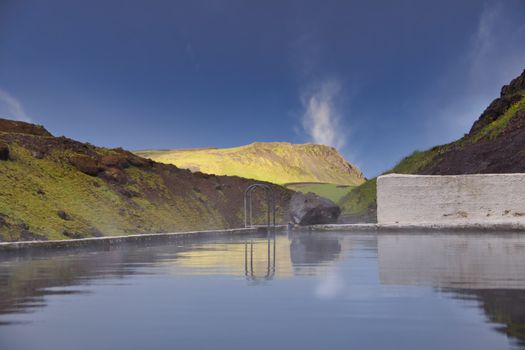
Thermal baths typically use water heated naturally by geothermal activity or from mineral-rich springs. Historic bathhouses in European spa towns often include indoor and outdoor pools, steam rooms and treatment areas, and some have been restored to show their architecture. In Japan, onsen are hot spring baths that may be indoor, outdoor or part of a ryokan, a traditional inn. Iceland is known for geothermal lagoons and pools that are heated by volcanic activity and are commonly used for relaxation. Turkish hammams are steam bathhouses with a tradition of washing and scrubbing, and similar bathing cultures exist across the region. The mineral content and temperature of water differ widely, so check the information for each facility.
Etiquette in Japanese onsen
Onsen etiquette is strict in many places. Bathers typically wash thoroughly before entering the communal bath, sitting on a stool at a washing station to clean the body. Towels are generally kept out of the water, and long hair is often tied up. Some onsen prohibit tattoos, which can be associated with certain groups, although policies vary, and some facilities provide private baths or accept covered tattoos. Check the posted rules at each onsen, and follow the lead of others. Photography is usually prohibited in bathing areas.
Etiquette in European and other bathhouses
Etiquette varies across Europe and beyond. Some spa baths require swimwear, while others have separate areas for men and women or specific days for each. Showering before entering is commonly expected, and bathing caps may be required in certain pools. Shoes may need to be removed at the entrance, and locker and towel rules differ between sites. In steam or sauna areas, quiet conduct is often appreciated. Ask staff about the rules when you arrive, since local expectations are not always the same as those in your home country.
Health considerations
Hot water places stress on the cardiovascular system, and some people should seek medical advice before bathing in very hot pools. This includes people with heart or circulatory conditions, high or low blood pressure, diabetes, a history of fainting, and anyone who is pregnant. Alcohol, sleep deprivation and certain medications can increase risk, as can prolonged exposure. Children and older adults may need closer supervision. Start with shorter sessions at moderate temperatures, drink water, and leave the bath if you feel dizzy, unwell or overheated. Infants and young children are generally advised to avoid very hot water.
Hygiene and facility standards
Thermal facilities typically have rules to protect water quality, such as requiring a shower before bathing and avoiding bringing food or drink into pools. Some facilities test and treat water regularly, and staff may monitor temperature and cleanliness. If you have an open wound, a skin infection or a recent surgical site, check with the facility before entering, since some pools may not be suitable. Keep personal belongings secure and follow the posted signage.
Choosing a bath
Consider what you want from the visit. Some baths are designed for quiet relaxation, others for social bathing or wellness treatments. Historic spa towns can combine bathing with walks and museums, while geothermal lagoons often focus on a scenic outdoor setting. Check opening hours, booking requirements and whether the facility is suitable for your mobility needs. Many venues have changing rooms, lockers and seating, though facilities differ.
Practical tips
- Read the posted rules and follow staff instructions on arrival.
- Shower before entering, and bring a towel, flip-flops and swimwear if required.
- Start with shorter sessions and drink water regularly.
- Seek medical advice first if you have heart, blood pressure or pregnancy concerns.
- Leave the water if you feel dizzy, faint or unwell.
Common mistakes to avoid
A common mistake is staying in very hot water for long periods, particularly after drinking alcohol or after a long day of activity. Another is skipping the shower before entering a communal pool, which is often expected and can affect water quality. Some visitors bring valuables into changing areas without using lockers, while others forget to remove jewellery or overlook posted rules about swimwear. Travelers also sometimes wade in with an open cut or skin condition, when staff may advise against entry. Finally, many people underestimate how quickly heat and temperature change can cause dizziness when moving between very hot and cold areas, such as going from a sauna to a cold room.
Who this suits and who it does not
Thermal baths tend to suit visitors who enjoy quiet relaxation, historic architecture and gentle wellness routines, and who are comfortable following etiquette. They can suit couples, friends and older visitors who prefer calm spaces. They may be less suitable for people with heart or circulatory conditions, pregnancy, very low or high blood pressure, or those who have recently had surgery, unless a medical professional has advised that bathing is safe. Children can enjoy some facilities, but they should be closely supervised and kept out of very hot water.
Frequently asked questions
Do I need to be fit to enjoy a thermal bath? Not necessarily, but you should start gently, keep sessions short and stop if you feel unwell. Speak to a doctor first if you have health concerns.
Can I bring my own swimwear? Often yes, but check the rules, as some facilities require specific styles or bathing caps.
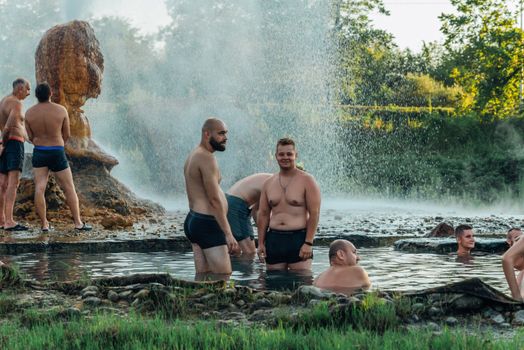
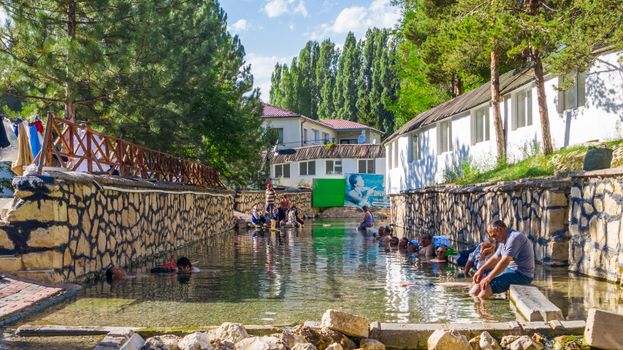
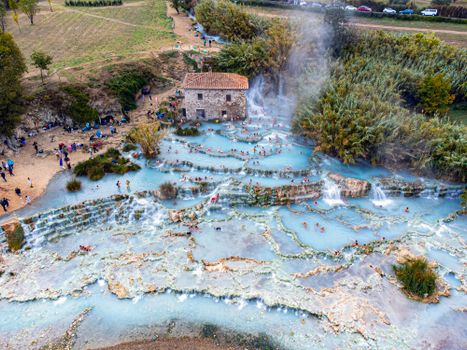
Is it safe to bathe in natural hot springs? Conditions vary widely. Stick to designated areas, check the water temperature and follow local guidance, since natural springs may be less regulated than managed facilities.
Thermal baths offer a window into bathing traditions that are both ancient and modern. Respecting local etiquette, checking the health considerations that apply to you and choosing a facility that suits your interests will help make the experience relaxing and safe.
More pictures
Tags
Share this guide
We may earn a commission if you click a link and buy a product or service, at no extra cost to you. How affiliate links work.
Been there?