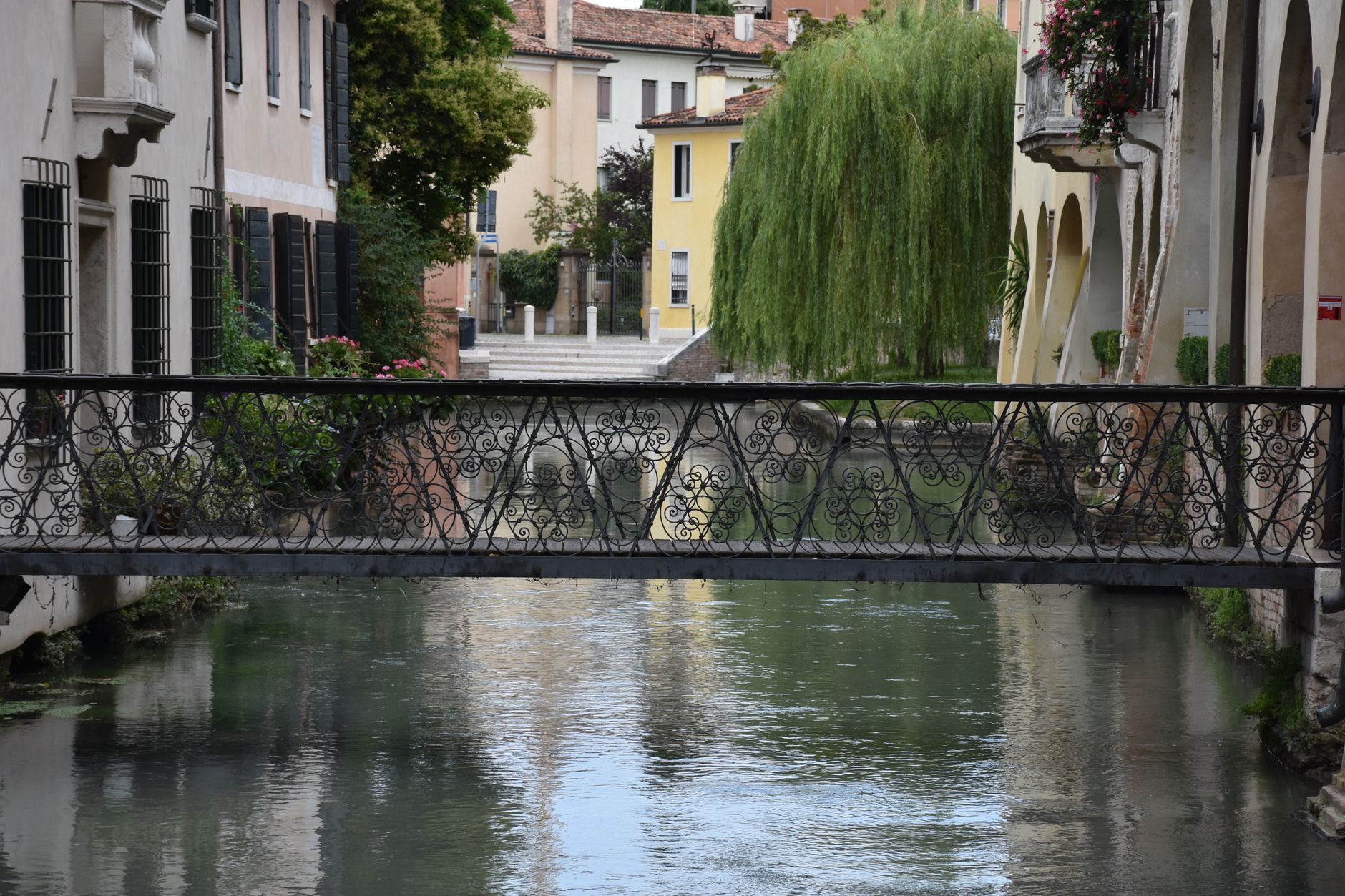
Venice is one of many European towns shaped by canals, and several alternatives offer waterside charm with more space and different atmospheres. This guide introduces a range of canal towns and explains how to compare them for a trip.
Venice is one of the most photographed cities in the world, and its canals, bridges and palaces attract large numbers of visitors every year. Its atmosphere can be intense, particularly on busy days, and some travelers want the pleasure of waterside streets without the same level of congestion. Europe has many other towns built around canals, rivers and lakes, and several of them offer distinctive architecture, markets and cafés. This guide introduces some of these canal towns and explains how to compare them, whether you are adding them to a Venice itinerary or choosing an alternative.
Bruges and its medieval centre
Bruges in Belgium is one of the best-preserved medieval cities in Europe, and its canals reflect its history as a trading centre. Visitors often explore on foot or by boat, with routes that pass historic façades, churches and quiet courtyards. The city is compact, making it practical for a day or a longer stay. Like many popular towns, Bruges can be busy at peak times, so early or late visits can help. Check opening times for museums and churches, which can vary by season.
Ghent and its waterfront
Ghent, also in Belgium, has a more lived-in character than Bruges, with a large medieval castle, a cathedral and waterfronts along its rivers and canals. The city has a strong student population and a lively café and music scene. Boat trips are available, and walking routes along the water offer relaxed views of gabled buildings. Ghent is often a good choice for travelers who want canals alongside contemporary culture and food.
Annecy and the lakeside alternative
Annecy in eastern France is often described as a town of canals and lake views, with a historic centre built around water channels and a backdrop of mountains. It suits travelers who want a combination of lakeside scenery, walking routes and easy access to the Alps. The old town is compact, and cafés along the water can be pleasant in warm weather. Accommodation and dining costs can be higher in peak summer, so compare seasons carefully.
Amsterdam, Utrecht and Dutch waterways
Amsterdam is the best-known Dutch canal city, with a network of historic waterways lined by tall houses. It can be busy, so travelers seeking quieter canals may prefer Utrecht, where a historic canal running beneath the old city and tree-lined waterways offer a different feel. Leiden and Haarlem also have canals and historic centres that suit a slower pace. Trains connect many Dutch cities, making day trips practical.
Italian alternatives: Chioggia, Ferrara and Mantua
Italy has other canal-linked towns beyond Venice. Chioggia, on the Adriatic coast, is a fishing town with canals and a lively waterfront market. Ferrara, a Renaissance city in the Emilia-Romagna region, is known for its walls, palaces and cycling routes, and it is less crowded than many Italian destinations. Mantua, surrounded by lakes, offers palaces and historic squares alongside quiet waterside views. Each suits a different interest, from seafood and fishing culture to architecture and cycling.
Comparing canal towns for your trip
Consider what you want from the visit. Some towns are best for boat trips and waterside walks, while others have museums, food markets or nightlife. Think about distance from your main city and the time needed to reach it, as rail connections can make a significant difference. Check accessibility, since historic centres may have cobbles, steps and narrow bridges. Finally, consider the season: outdoor waterside cafés and boat tours are most pleasant in warmer months, but some towns are quieter and cooler in winter.
Practical tips
- Check boat tour schedules and seasonal timetables before planning a day around them.
- Visit popular canal towns early in the morning or later in the afternoon to avoid peak crowds.
- Allow time for walking on uneven cobbles, and wear comfortable shoes.
- Compare train connections from your main city, and consider a day trip or an overnight stay.
- Look up local rules for cycling, parking and boat use, which can vary between towns.
Common mistakes to avoid
A common mistake is assuming that every canal town is a smaller version of Venice, when each has its own pace and character. Travelers may also plan too many towns in one short stay, which leaves little time to explore any of them properly. Some book central accommodation without checking whether surrounding streets are pedestrian only, which can make arrival with luggage tiring. Another error is judging a town on a single high-season visit, when cafés, markets and boat tours can change across the year. Finally, visitors sometimes overlook the local train timetable and assume taxis will always be available for day trips, which may not be the case in smaller places.
Who this suits and who it doesn't
Canal towns suit travelers who enjoy walking, architecture and slow meals beside water. They can suit couples, solo travelers who like manageable cities, and families who enjoy boat rides and museums. They are less suitable for people who need extensive nightlife, large shopping districts or step-free routes over historic bridges and cobbles. Travelers hoping for a beach holiday may also find that most of these towns offer a very different kind of day. If your priority is seeing Venice's best-known monuments, a canal town may feel more like a complement to your trip than a replacement for it.
Frequently asked questions
Are these towns always quieter than Venice? Often at certain times, but busy seasons and festivals can change that quickly.
Can I visit several in one trip? Yes, if you use rail connections and allow time for each stop rather than rushing between them.
Do I need a car? Usually not for the historic centres, although surrounding areas and some lakes may be easier to reach with one.
Canal towns offer a rich mix of history, architecture and waterside atmosphere, and several provide an appealing alternative to Venice. Whether you add one to a broader itinerary or choose it as a main destination, comparing towns by character, access and season will help you find the right fit. Thoughtful planning and respect for local residents will make the visit more enjoyable for everyone.
More pictures



Tags
Share this guide
We may earn a commission if you click a link and buy a product or service, at no extra cost to you. How affiliate links work.
Been there?