
Angkor Wat is iconic, but in May 2026, the crowds and humidity reach a breaking point. If you want soul-stirring architecture without the selfie-stick gauntlet, these seven ancient sites—from the monolithic carvings of India to the pyramid peaks of Guatemala—offer more grit, more glory, and far more breathing room. ---
The Morning the Stone Spoke Back
I stepped off the sleeper train in Hospet, the air thick with the scent of parched earth and roasting coriander. It was 5:15 AM. While the rest of the world was queuing for a sunrise photo at Angkor Wat’s reflecting pond, I was rattling in a rickshaw toward the ruins of Hampi. As the sun crested over the boulder-strewn horizon, the Virupaksha Temple didn't just glow; it breathed.
By May 2026, the "overtourism" fatigue at major landmarks will be at an all-time high. Everyone has the Angkor shot. But few have stood in the shadow of a mountain carved into a chariot, or listened to the howler monkeys scream from the top of a Mayan pyramid as the mist clears. If you’re looking for that "Indiana Jones" adrenaline hit without the Disney-style queues, these are the temples that actually deliver.
1. The Monolithic Flex: Kailasa Temple (Ellora Caves, India)
If Angkor Wat is a symphony, the Kailasa Temple at Ellora is a heavy metal solo performed by gods. Unlike Angkor, which was built block-by-block, Kailasa was carved top-down from a single volcanic basalt cliff face.
In May, the pre-monsoon heat in Maharashtra is intense, but the interior of these caves remains unnervingly cool. Walking into the courtyard, you realize you aren't looking at a building; you’re looking at a 100-foot-tall sculpture. The scale is impossible. Engineers estimate that 200,000 tons of rock were removed to create this tribute to Shiva.
- The Insider Detail: Look for the life-sized stone elephants in the courtyard. Each one is carved from the same bedrock as the temple itself.
- Pro-Tip: Arrive at 6:00 AM. Most tourists stay in Aurangabad and don’t arrive until 10:00 AM. You’ll have the most complex monolithic structure on Earth entirely to yourself for three golden hours.
2. The Cosmic Mountain: Borobudur (Central Java, Indonesia)
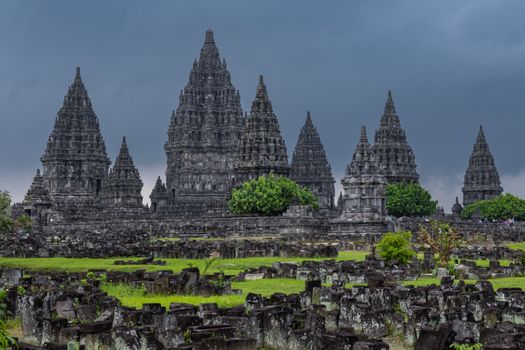
While Angkor sprawls, Borobudur ascends. This is the world’s largest Buddhist temple, shaped like a giant tantric mandala from above. In May 2026, Java enjoys the beginning of the dry season—perfect for that iconic sunrise.
What makes Borobudur "more impressive" than Angkor is the narrative. As you climb the nine platforms, you follow 2,672 relief panels that tell the story of human enlightenment. It’s an interactive 9th-century comic book of the soul.
- The Insider Detail: The "Unfinished Buddha" inside one of the perforated stupas on the top level is said to bring luck if you can touch its hand (though most are now protected, the energy remains).
- Pro-Tip: Don’t just do the sunrise. Stay for the "Blue Hour" after the sun goes down when the bells of the nearby villages begin the evening call to prayer. It’s a sensory overlap you won't get in Cambodia.
3. The Jungle Roar: Tikal (Petén, Guatemala)
Angkor’s Ta Prohm has the trees, but Tikal has the wildness. Located deep in the Guatemalan rainforest, Tikal’s limestone pyramids poke through the canopy like jagged teeth.
In May, the humidity is high, but so is the activity of the wildlife. Standing atop Temple IV, looking out over the "Lost World" complex, you aren't just looking at ruins; you’re looking at a reclaimed empire. The lack of polished walkways and the sheer verticality of the stairs make this a physical, visceral experience.
- The Insider Detail: The "Mundo Perdido" (Lost World) section features an astronomical commemoration complex that predates the famous pyramids. The energy here is noticeably different—quieter, heavier.
- Pro-Tip: Book the "Sunrise Tour" which enters the park at 4:00 AM. You will sit on the temple steps in pitch blackness, listening to the jungle wake up. The sound of howler monkeys at 5:00 AM sounds like a jet engine—it’s haunting.
4. The City of Gold: Hampi (Karnataka, India)
Hampi isn't a temple; it’s a 16-square-mile fever dream. The capital of the Vijayanagara Empire, it was once one of the largest and richest cities in the world. Today, it’s a surreal landscape of precariously balanced boulders and granite shrines.
While Angkor feels curated, Hampi feels lived-in. Sadhus still meditate in the riverside caves, and the Vitthala Temple features "musical pillars" that ring with different notes when tapped.
- The Insider Detail: Cross the Tungabhadra River in a coracle (a circular reed boat). On the "hippie side" (Anegundi), you can climb the 575 steps to the Hanuman Temple for a 360-degree view of the ruins that puts Angkor’s flat plains to shame.
- Pro-Tip: May is hot in Karnataka. Rent a moped to zip between sites and keep the breeze moving. Stop at "Mango Tree" for a chilled lassi when the midday sun hits.
5. The Valley of 2,000 Pagodas: Bagan (Myanmar)
Note: Check travel advisories for May 2026, as the situation in Myanmar is fluid. However, for sheer architectural density, Bagan is the only site that rivals Angkor.
Imagine a plain where, no matter which way you turn, there are brick stupas stretching to the horizon. There are over 2,200 remaining temples here. Unlike Angkor, where you follow a set circuit, Bagan is about getting lost. You can find a 1,000-year-old temple with original frescoes and be the only human within a mile.
- The Insider Detail: The Ananda Temple is the "Westminster Abbey of Burma." Its four standing Buddhas change expression (from sad to smiling) depending on how far back you stand from them.
- Pro-Tip: Skip the overpriced hot air balloons. Instead, hire an e-bike and head to the "unnamed" temples near the Dhammayangyi Path. These smaller ruins often have accessible roofs for sunset viewing without the 500-person crowd.
6. The Granite Fortress: Sigiriya (Sri Lanka)
Technically a palace-fortress with a monastery at its base, Sigiriya (The Lion Rock) is a geological marvel. A massive 200-meter-high granite plug rises abruptly from the jungle.
At the halfway point, you pass through the "Lion’s Paws"—massive stone claws that used to lead into a giant lion’s mouth. The "Mirror Wall," polished so brightly the King could see his reflection 1,600 years ago, still bears graffiti from visitors from the 7th century.
- The Insider Detail: The Sigiriya frescoes (the "Cloud Maidens") are some of the only secular ancient art left in South Asia. The colors are still vibrant despite centuries of exposure.
- Pro-Tip: Climb Pidurangala Rock at sunrise to look at Sigiriya. You’ll get the iconic view of the fortress for a fraction of the price and zero crowds.
7. The True Lost City: Choquequirao (Peru)
Machu Picchu is the celebrity, but Choquequirao is the legend. Often called the "sister city" of Machu Picchu, it is three times larger and only 30% excavated. The catch? You have to hike two days through the Apurímac Valley to get there.
Because there is no train or bus, only about 20 people a day visit. Standing in the "Plaza Principal" with the Andes towering around you and clouds swirling through the Inca stonework is a spiritual experience Angkor simply cannot provide in the age of mass tourism.
- The Insider Detail: Look for the "Flame of the Sun"—white stone llamas built into the agricultural terraces. They are unique to this site.
- Pro-Tip: In May 2026, the cable car project might finally be nearing completion. Go now or early in 2026 to experience it before it becomes the next "over-touristed" bucket list item.
Quick Facts & Logistics for May 2026
| Destination | Est. Daily Cost ($) | Getting There | Why May 2026? | | :--- | :--- | :--- | :--- | | Ellora Caves | $40 - $70 | Fly to Aurangabad; 45m drive. | Pre-monsoon lighting is crisp for photography. | | Borobudur | $80 - $150 | Fly to Yogyakarta; 1h drive. | Vesak Day (Buddha's Birthday) often falls in May. | | Tikal | $60 - $120 | Fly to Flores; 1h shuttle. | Peak wildlife viewing before the heavy rains. | | Hampi | $30 - $60 | Overnight train from Bangalore/Goa. | Low season prices; surreal "empty world" feel. | | Sigiriya | $70 - $130 | 4h drive from Colombo. | Cultural Triangle is dry and sunny in May. | | Choquequirao| $50 (DIY) - $500 (Guided)| 2-day trek from Cachora. | Start of the Andean dry season. |
The Verdict: Why Leave Angkor Behind?
Angkor Wat will always be a wonder of the world. But travel in 2026 is about the unseen and the unhurried. It’s about the smell of ancient dust in a cave in Maharashtra, the sound of a stone flute in the ruins of Hampi, and the feeling of being an explorer rather than a tourist.
If you want your breath taken away—not by the humidity, but by the sheer audacity of human creation—head to the single-stone wonders of India or the jungle-choked pyramids of the Petén. The gods are still there. They’re just waiting for you to find them without the crowd.
---
More pictures



Tags
Share this guide
We may earn a commission if you click a link and buy a product or service, at no extra cost to you. How affiliate links work.
Been there?