
Forget the typical beach holiday. This spring, the world’s most elite travelers are heading to the "White Deserts." We’ve curated the ultimate list of seven salt flats where the world’s most expensive gourmet salts are hand-harvested. From the mirror-finished plains of Bolivia to the medieval windmills of Sicily, these are the high-mineral hotspots trending right now. Grab your polarized lenses and a tasting spoon—it’s time to get salty. ---
1. The Hook: A Crunch Unlike Any Other
I stepped off the modified 4x4 in the middle of the Bolivian Altiplano, and for a second, my brain refused to process what my eyes were seeing. It wasn’t land; it was a infinite, blindingly white mirror. The air didn't just smell clean—it tasted sharp, metallic, and ancient. As I walked, the ground didn't crumble; it crunched with a crystalline resonance that sounded like walking on a billion tiny diamonds.
This isn't just "scenery." This is the birthplace of the minerals that grace the tables of Michelin-starred restaurants in Paris and Tokyo. While most tourists are crowding the cherry blossoms in Kyoto this spring, the real "insiders" are heading to the source of the world’s most coveted gourmet salts.
2. Salar de Uyuni, Bolivia: The Mirror of the Gods
Spring (March to May) is the "sweet spot" for Uyuni. It marks the end of the rainy season. Why does this matter? Because a thin veil of water still sits atop the salt crust, creating the world’s largest natural mirror.
The salt harvested here is prized for its high mineral content—potassium, magnesium, and calcium. Local families, or saleros, still use traditional methods, shoveling the salt into small mounds to dry under the high-altitude sun.
- The Flavor Profile: Bold, sharp, and intensely savory. It’s a "finishing salt" that demands a thick-cut llama steak (or a ribeye if you’re traditional).
- Pro-Tip: Don't just book a day trip. Stay at the Palacio de Sal, a hotel built entirely out of salt blocks. Yes, the walls, the beds, and the tables are salt. Just... don't lick the furniture. It’s frowned upon.
3. Maras Salt Mines, Peru: The Terraced Marvel
Located in the Sacred Valley of the Incas, Maras is a geometric fever dream. Over 3,000 small, terraced ponds are fed by a subterranean hypersaline spring. As the water evaporates in the spring sun, the salt crystallizes.
The Sal de Maras is a soft, pale pink. It’s harvested by local cooperatives who have owned these plots since the time of the Incan Empire.
- The Insider Secret: The entrance to the best viewing platform is often crowded. Instead, hike the trail from the village of Media Luna. You’ll approach the mines from below, seeing the salt-crusted streams before the massive scale of the terraces hits you.
- Pro-Tip: Buy the "Fleur de Sel" grade directly from the cooperative stalls at the site. It’s about 1/10th of the price you’ll find in a boutique grocery store in Manhattan.
4. Guérande, France: The Champagne of Salt
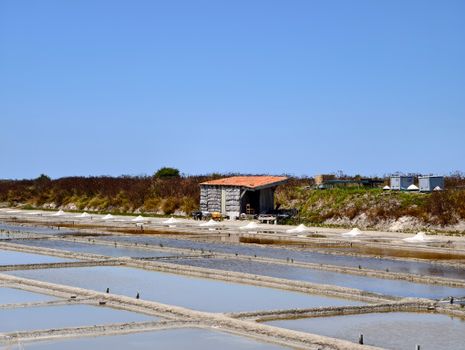
In the Pays de la Loire region, the salt marshes of Guérande are a patchwork of silver and grey. This is the home of Fleur de Sel (Flower of Salt). Unlike rock salt, this is harvested from the very top layer of the water using a wooden rake called a luchet.
Spring is when the paludiers (salt workers) begin "the preparation of the eye"—cleaning the ponds to ensure the first harvest in early summer is pristine.
- Authenticity Check: Look for the "Nature & Progrès" label. This ensures the salt was harvested without any contact with the clay bottom of the pond, keeping it snowy white.
- The Flavor Profile: Delicate, almost floral, with a crunch that dissolves instantly on the tongue. It belongs on top of a dark chocolate ganache or a slice of unsalted Breton butter.
5. Trapani and Marsala, Sicily: Windmills and History
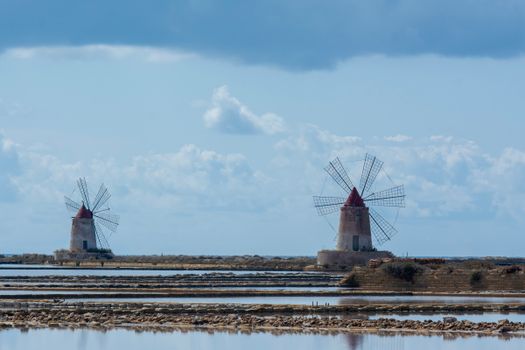
The "Salt Road" (Via del Sale) in Sicily is where industrial history meets raw Mediterranean beauty. Here, the salt pans are dotted with 16th-century windmills once used to pump water and grind the salt.
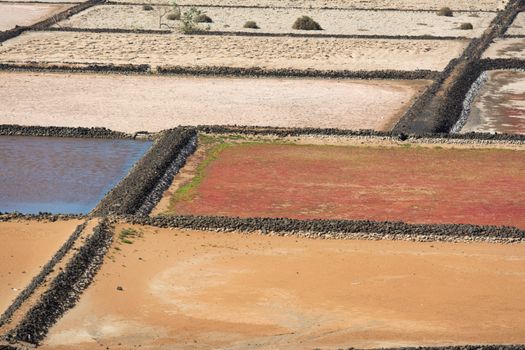
In spring, the pans turn a vibrant shade of pink due to the presence of Dunaliella salina algae, and the migratory flamingos arrive in droves.
- The Experience: Visit the Culcasi Salt Museum. It’s housed in an old mill. The owner often gives impromptu tours showing how they use the "trapanisi" method to harvest the Sale Marino di Trapani.
- Pro-Tip: Visit at 6:30 PM. The "Golden Hour" reflects off the salt heaps (protected by terracotta tiles) and the water, making the entire landscape glow orange and purple. It is a photographer's nirvana.
6. Aigues-Mortes, Camargue, France: The Pink Sea
If you want the ultimate Instagram shot, the Salins d'Aigues-Mortes is your destination. The water here is a surreal, neon pink. This isn't a filter; it's high biology.
The salt harvested here, Le Saunier de Camargue, is a staple in French haute cuisine. The spring air carries a distinct briny sweetness that the locals call "the breath of the sea."
- Logistics: Take the "Petit Train" for the overview, but the real pros book the mountain bike tour. It allows you to get much closer to the crystallization zones where the "salt foam" forms.
- Pro-Tip: The hidden entrance to the most scenic part of the ramparts (medieval walls) is near the Porte de la Gardette. From there, you can see the pink water juxtaposed against 13th-century stone.
7. Lake Grassmere, New Zealand: The Southern Gem
While the Northern Hemisphere settles into spring, New Zealand’s Marlborough region offers a different kind of harvest. Lake Grassmere turns a stunning pinkish-purple in the late summer/early autumn (which aligns with the Northern spring).
The salt here is evaporated by the scorching sun and the fierce "Nor'wester" winds. It's one of the few places where you can see the intersection of world-class viticulture (Sauvignon Blanc) and gourmet salt production.
- The Flavor Profile: Clean, oceanic, and very high in natural iodine.
- Pro-Tip: Pair a visit here with a tasting at a nearby winery. Ask for a "salt-rimmed" local cocktail—the mineral contrast with the high-acidity wine is a revelation.
8. Quick Facts & Logistics
| Destination | Best Time to Visit (Spring) | Est. Daily Cost ($USD) | Primary Salt Type | | :--- | :--- | :--- | :--- | | Salar de Uyuni | April - May | $70 - $150 | Mineral Rock Salt | | Maras, Peru | May | $40 - $90 | Pink Terraced Salt | | Guérande, France | May | $120 - $250 | Fleur de Sel | | Trapani, Italy | April | $90 - $180 | Sea Salt Crystals | | Aigues-Mortes | March - April | $110 - $220 | Camargue Sea Salt | | Lake Grassmere | March (NZ Autumn) | $100 - $200 | Oceanic Sea Salt |
How to get there:
- Uyuni: Fly from La Paz to Uyuni (UYU). Hire a private 4x4 driver; do not attempt to drive yourself.
- Maras: Fly to Cusco, then take a private car or "colectivo" toward Urubamba.
- Trapani: Fly into Palermo and drive 1.5 hours west along the coast.
9. The Verdict
The world is full of beaches, but there is only one Salar de Uyuni. There are a thousand mountains, but only one Maras. Traveling to these salt flats isn't just about the "gram"—it’s about witnessing the ancient, slow-motion alchemy of earth, water, and sun.
When you return home and sprinkle that pink Maras salt over your morning eggs, you won't just taste the mineral. You'll remember the thin air of the Andes, the sound of the Incan spring, and the blinding white horizon of a world made of salt.
---
More pictures


Tags
Share this guide
We may earn a commission if you click a link and buy a product or service, at no extra cost to you. How affiliate links work.
Been there?