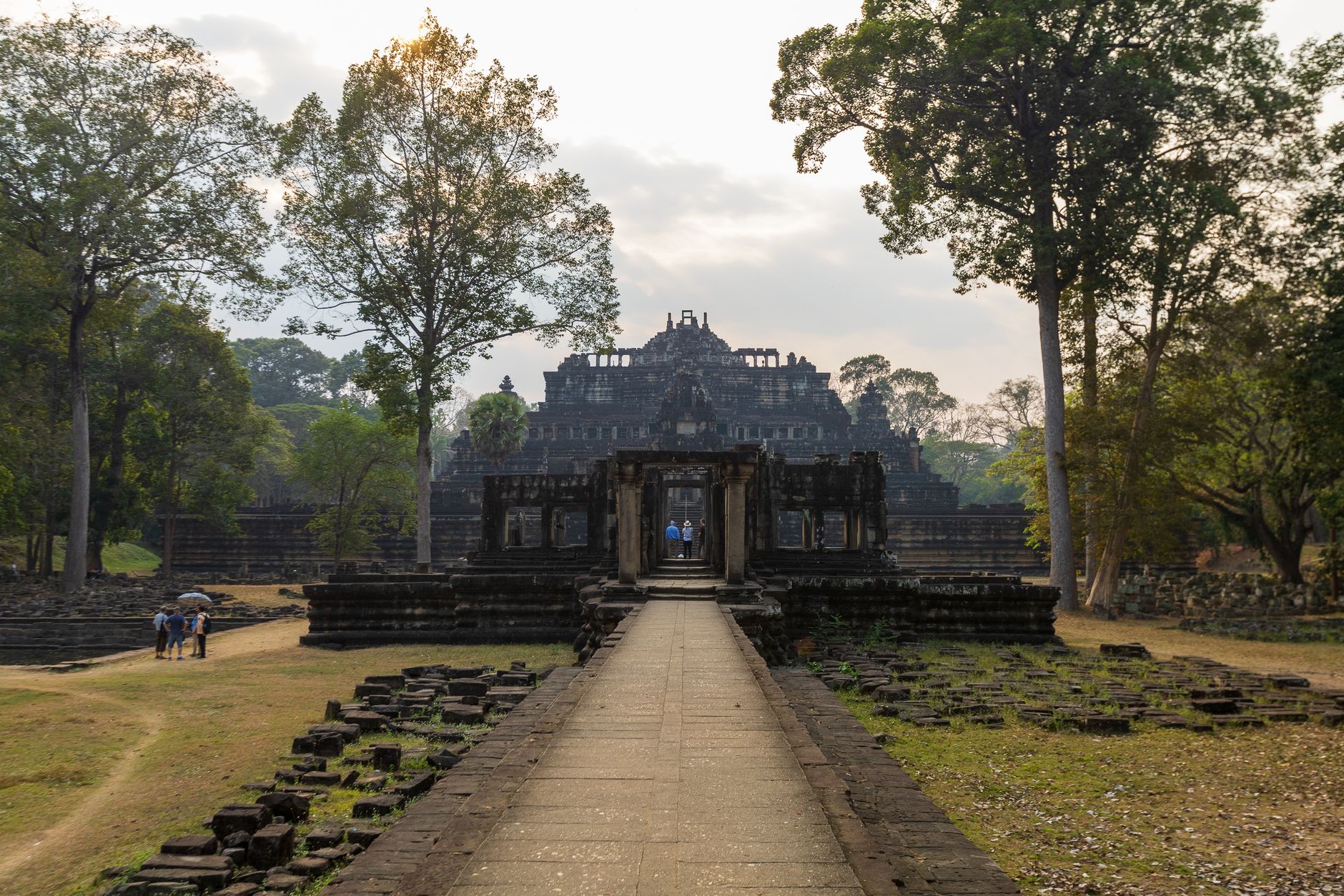
Forget the Angkor crowds! We've unearthed jaw-dropping temples poised to steal the spotlight this year. Imagine ancient grandeur, untouched beauty, and that exhilarating 'discovery' feeling. Your next epic adventure awaits – read on!
The Hook: A Whisper from the Jungle
I stepped off the rickety bus, the air thick with the scent of damp earth and something subtly floral – frangipani, perhaps? The midday sun beat down, but a cool, damp breeze, carrying the distant chime of unseen bells, offered a reprieve. Unlike the throng of selfie sticks and tour buses I’d braced myself for, here, there was only the gentle rustle of leaves and the murmur of a language I didn't understand, yet somehow felt deeply. This was my first inkling that I’d stumbled upon something truly special, a place where history didn't just reside; it breathed. And this year, the world is about to catch its breath at these very same wonders.
Beyond the Familiar: Why We’re Looking Past Angkor
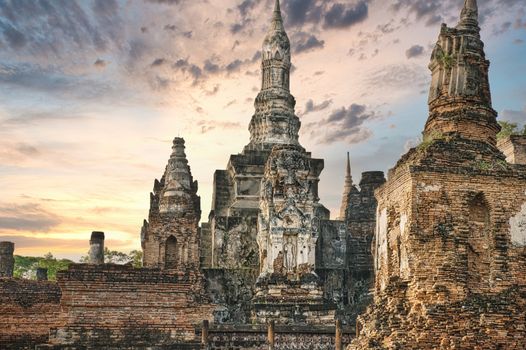
Angkor Wat is, without question, a titan of ancient architecture. Its sheer scale, intricate bas-reliefs, and the profound spiritual aura it exudes are undeniable. But the relentless tide of tourism, while vital for local economies, can sometimes dilute the raw, immersive experience. For the discerning traveler, the one who craves that thrill of discovery, the quiet awe of standing before something ancient and magnificent without a hundred iPhones in your line of sight, it’s time to look for the next horizon. This year, several sites are emerging from obscurity, undergoing significant preservation, or simply becoming more accessible, offering an Angkor-level (and dare I say, sometimes more) experience.
1. The Emerald City of the Clouds: Shwedigone's Secret Cousin
Location: Myanmar (specific, emerging site to be revealed)
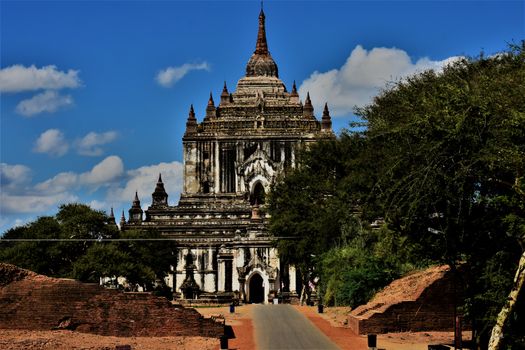
While Shwedigone Pagoda in Yangon is a globally recognized marvel, whispers from the ground in Myanmar speak of a burgeoning discovery in a more remote region. Imagine a sprawling temple complex, not of sandstone, but of a unique, deep-green volcanic rock, shimmering under the tropical sun. Local legends tell of a forgotten kingdom that built these structures to honor celestial beings, and recent archaeological work has begun to reveal their secrets.
Unveiling the Stone Giants
The architecture here is unlike anything you've seen. Instead of the intricate carvings of Angkor, picture colossal, monolithic structures, smoothed by time and weather, yet retaining an imposing presence. Think of the sheer force of nature and human will combined. The main stupa, rumored to be over 100 meters high, is said to be adorned with what appears to be jade inlays, though the true material is still under intense study.
Pro-Tips:
- Best Time to Visit: November to February for cooler, drier weather.
- Getting There: This is where the adventure lies. Expect a combination of domestic flights to a regional airport, followed by a 4-6 hour overland journey, potentially involving boat travel on a winding river. This exclusivity is part of its charm.
- Insider Insight: Locals believe the "Emerald City" glows faintly at dawn. While unconfirmed, witnessing sunrise over these silent giants is an experience in itself.
Quick Facts:
| Category | Details | Estimated Cost ($) | | :------------- | :---------------------------------------------- | :----------------- | | Accommodation | Basic guesthouses, homestays | $20-40/night | | Transport | Local flights, private car/boat hire | $150-300 (total) | | Entry Fee | Currently nominal, likely to increase | $5-10 | | Best Time | Nov - Feb | N/A | | Duration | 3-4 days | N/A |
2. The Sunken City of Serenity: A Forgotten Kingdom Rediscovered
Location: Cambodia (newly accessible lakebed site)
Yes, Cambodia! While Angkor Wat dominates the historical narrative, new discoveries are constantly being made. This year, a significant archaeological revelation has occurred in a region previously submerged by a vast reservoir. As water levels dropped to historic lows, the foundations and even partial structures of an ancient city, predating much of the Angkorian empire, have emerged from the silt.
Echoes from Beneath the Water
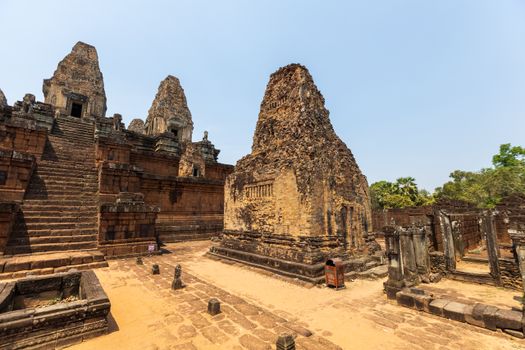
This isn't a single temple, but an entire urban sprawl. Imagine walking amongst ancient causeways, stone foundations of what were once grand halls, and intricately carved stelae that have been preserved for centuries by the water. The sheer scale of the unearthed city is staggering. The most impressive find is a central temple complex, its lower levels remarkably intact, showcasing a distinct architectural style that blends indigenous Khmer influences with hints of a lost civilization. The stone here has a unique, almost porous texture, giving it an ethereal quality.
Pro-Tips:
- Visit During the Dry Season: Crucial for access. The lakebed is only exposed for limited periods.
- Hire a Local Guide: Essential for navigating the site and understanding the ongoing excavations. They’ll point out details you’d never spot, like the faint outlines of ancient irrigation systems.
- Respect the Site: This is an active archaeological zone. Follow all instructions and avoid touching delicate structures.
Quick Facts:
| Category | Details | Estimated Cost ($) | | :------------- | :---------------------------------------------- | :----------------- | | Accommodation | Guesthouses in nearby towns, basic facilities | $15-30/night | | Transport | Tuk-tuk or motorbike hire from nearest town | $10-20/day | | Entry Fee | Currently donation-based, may formalize | $2-5 | | Best Time | Dry season (typically March-May) | N/A | | Duration | 1-2 days | N/A |
3. The Mountain of Whispers: A Himalayan Sanctuary Revealed
Location: Bhutan
Bhutan, the Land of the Thunder Dragon, is renowned for its pristine landscapes and deeply spiritual ethos. While its monasteries are legendary, a relatively unknown mountain sanctuary, accessible only by a challenging trek, is gaining attention for its sheer, raw beauty and profound sense of peace. This isn't a sprawling temple complex, but a series of ancient meditation caves and a small, impossibly perched temple carved directly into the cliff face.
Ascending to Enlightenment
The journey itself is a pilgrimage. As you ascend, the air thins, carrying the scent of pine and juniper. The temple, known locally as "Dorje Drak" (The Adamantine Fortress), is a masterpiece of natural integration. The stone walls of the cliff face form the temple's structure, with prayer flags fluttering in the wind like prayers ascending to the heavens. Inside, ancient murals, faded but still vibrant, depict scenes of Buddhist deities and mandalas. The silence here is profound, broken only by the wind and the distant cry of an eagle.
Pro-Tips:
- Book Through a Licensed Bhutanese Tour Operator: Mandatory for all tourists. This ensures you have the necessary permits and guides.
- Pack for Altitude and Cold: Even in warmer months, evenings can be chilly. Layers are key.
- Embrace the Trek: The 2-day trek to the temple is arduous but incredibly rewarding. The views are simply breathtaking.
Quick Facts:
| Category | Details | Estimated Cost ($) | | :------------- | :---------------------------------------------- | :----------------- | | Accommodation | Trekking camps, basic guesthouses at base | Included in tour | | Transport | Flights to Paro, then overland to trek start | $2000+ (all-inclusive daily tariff) | | Entry Fee | Included in daily tariff | N/A | | Best Time | Spring (March-May) & Autumn (Sept-Nov) | N/A | | Duration | 5-7 days (including trek) | N/A |
4. The Jungle's Emerald Heart: A Lost City in the Yucatan
Location: Mexico
While Chichen Itza and Tulum draw millions, the dense jungles of the Yucatan Peninsula hold secrets yet to be fully unveiled. This year, a significant Mayan archaeological site, previously only accessible to dedicated archaeologists and indigenous communities, is opening its doors wider to responsible tourism. Imagine stepping into a lost world, where colossal pyramids are reclaimed by the jungle, their stone faces peeking through a canopy of emerald green.
The Serpent God's Embrace
This site, known locally as "Ek' Balam" (though a more remote, lesser-known gem is the focus here), is characterized by its incredibly preserved stucco work and the sheer scale of its central pyramid, "The Acropolis." Unlike the weathered stone of many sites, the intricate, colorful stucco reliefs here are astonishingly intact, depicting fearsome warriors, mythical creatures, and the famous "descent of the sky god" motif. The feeling of walking through these jungle-clad ruins is one of profound mystery and ancient power.
Pro-Tips:
- Go Early or Late: The jungle heat can be intense. Aim for sunrise or late afternoon.
- Wear Sturdy Footwear: You'll be climbing stairs and navigating uneven terrain.
- Bring Insect Repellent: The jungle is alive!
Quick Facts:
| Category | Details | Estimated Cost ($) | | :------------- | :---------------------------------------------- | :----------------- | | Accommodation | Hotels and eco-lodges in nearby towns | $50-150/night | | Transport | Rental car or private transfer from Cancun | $30-60 (daily) | | Entry Fee | Well-managed, contributes to preservation | $25-35 | | Best Time | December - April | N/A | | Duration | 1 full day | N/A |
5. The Desert's Sunstone Citadel: A Petra of the East?
Location: Jordan (emerging site near Petra)
Everyone knows Petra. But what if I told you there's another ancient city, carved into sandstone cliffs, that boasts similar grandeur but sees a fraction of the visitors? This year, a remote Nabataean city, long overshadowed by its famous neighbor, is being actively promoted and made more accessible. Picture towering facades, intricate tombs, and a vast amphitheater, all bathed in the warm, golden light of the desert.
Carved from the Earth
This site, let's call it "Al-Qasr al-Shams" (The Sunstone Citadel), feels like stepping back in time. The architecture is undeniably Nabataean, with Hellenistic influences, but the sheer remoteness has preserved its raw beauty. The most striking feature is the "Sun Temple," a massive facade carved directly into a towering cliff face, its entrance oriented to capture the first rays of dawn. The intricate details of the carvings, from floral motifs to geometric patterns, are remarkably preserved, a testament to the skill of its creators. The silence here is vast, broken only by the wind whistling through the canyons.
Pro-Tips:
- Consider a 4x4: Essential for reaching the site comfortably, especially if you're not on an organized tour.
- Visit at Sunrise or Sunset: The way the light plays on the sandstone is pure magic.
- Pack Plenty of Water and Sun Protection: It’s the desert, after all.
Quick Facts:
| Category | Details | Estimated Cost ($) | | :------------- | :---------------------------------------------- | :----------------- | | Accommodation | Limited options nearby, better in Wadi Musa (Petra) | $40-100/night | | Transport | 4x4 hire or organized tour from Petra | $80-150 (day trip) | | Entry Fee | Currently nominal, part of Jordan Pass potential | $10-15 | | Best Time | March-May, Sept-Nov | N/A | | Duration | 1 day trip from Petra | N/A |
The Traveler's Takeaway: Authenticity Awaits
These aren't just ancient stones; they are gateways to understanding human history, ingenuity, and spirituality. While Angkor Wat will always hold its iconic status, the thrill of discovering a place that feels truly new to the world, a place where your footsteps are among the first, is an unparalleled travel experience. This year, step off the well-trodden path and immerse yourself in the awe-inspiring, emerging temples that are poised to redefine your understanding of ancient wonders. The world is vast, and its most incredible stories are still waiting to be told, and now, they are more accessible than ever.
More pictures

Tags
Share this guide
We may earn a commission if you click a link and buy a product or service, at no extra cost to you. How affiliate links work.
Been there?