
Forget your average beach trip! We're diving into the world's most exclusive salt flats, where culinary wizards harvest otherworldly gourmet salts. Think shimmering landscapes, ancient techniques, and flavors that will redefine your kitchen. Ready for a taste of the extraordinary?
The Shimmering Mirage: My First Encounter with a Gourmet Salt Sanctuary
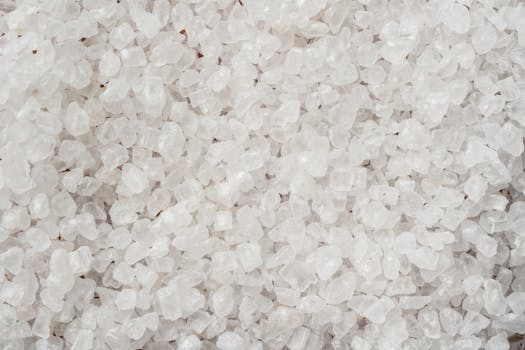
I stepped off the dusty jeep, the air thick with a scent I couldn’t quite place – a clean, mineral tang, sharper than the sea, yet somehow softer. Before me stretched an expanse so blindingly white it felt like stepping onto another planet. This wasn't just land; it was a living canvas, a vast, crystalline theatre where the earth itself was performing a slow, majestic ballet of salt. The sun, a molten orb in the cerulean sky, glinted off countless hexagonal crystals, each a tiny masterpiece of natural geometry. The silence was profound, broken only by the gentle whisper of the wind, carrying with it the promise of a flavor unlike any I had ever known. This was my introduction to a world where salt isn't just a seasoning; it’s a treasure, meticulously harvested by experts who understand its soul.
Beyond the Table: The Alchemical Art of Gourmet Salt Harvesting
For centuries, humans have been drawn to the earth’s salty veins, but a select few have elevated this necessity into an art form. These aren't your supermarket iodized cubes. We're talking about salts with unique mineral profiles, delicate textures, and nuanced flavors, shaped by specific geological conditions and harvested with generations of inherited wisdom. Experts – chefs, food scientists, and discerning gourmands – are increasingly seeking out these rare destinations, not just for the product, but for the story, the process, and the sheer, unadulterated beauty of the landscapes.
The Pink Jewel of the Andes: Salar de Uyuni, Bolivia
When you think of salt flats, the mind immediately conjures images of Bolivia's Salar de Uyuni. It's the largest salt flat in the world, a surreal, blindingly white desert that, during the wet season, transforms into the world’s largest natural mirror. But beyond the iconic tourist snaps, Uyuni is a source of significant salt harvesting.
The Salt Whisperers of Uyuni: Local cooperatives, often comprised of families who have worked the salt for generations, are the custodians of this vast white sea. They employ traditional methods, allowing the brine to evaporate naturally under the intense Andean sun. The resulting salt is then manually scraped, piled into conical mounds (montones), and left to dry further before being processed.
Pro-Tip: Visit during the dry season (May to November) for the vast, cracked, crystalline landscapes. For the mirror effect, aim for the rainy season (December to April), but be aware that access can be limited.
Insider Insight: Look for "sal de roca" – rock salt – harvested from deeper deposits, which often has a richer mineral complexity. Many local vendors also offer "sal de flor" or "sal de ojo," the delicate top layer that forms quickly, prized for its fine texture.
The Sun-Kissed Shores of Guérande, France
France, a land synonymous with haute cuisine, also boasts one of Europe's most celebrated salt harvesting regions: the Guérande salt marshes. Here, the Atlantic tides dictate the rhythm of life, and a centuries-old tradition continues to yield some of the world's most sought-after sea salts.
The "Sel Gris" Secret: The star of Guérande is Gros Sel (coarse salt) and Fleur de Sel (flower of salt). The magic happens in the paludiers, the salt farmers, who meticulously manage a network of shallow ponds. The Gros Sel is harvested from the bottom of the ponds, a coarser, greyish salt rich in trace minerals. Fleur de Sel, however, is a delicate crust that forms on the surface of the water, skimmed off by hand with specialized rakes. Its subtle salinity and delicate crunch are unparalleled.
Pro-Tip: Visit the Maison de Sel in Guérande to understand the intricate irrigation system and the tools of the trade. A guided tour can offer a deeper appreciation for the paludier's craft.
Authenticity Check: True Guérande salt is never bleached or refined. It retains its natural grey hue and subtle mineral notes. The best chefs will tell you that the trace minerals are what give it its unique character.
The Volcanic Heartbeat: A Mexican Salt Treasure
Mexico's Yucatán Peninsula, known for its cenotes and ancient Mayan ruins, also hides a less-publicized but equally fascinating salt harvesting tradition, particularly around the coastal lagoons.
Laguna de Cuyutlán: A Brine of Distinction: This coastal lagoon is famed for its vibrant pink hue, a result of microscopic algae that thrive in the hypersaline waters. This unique environment produces a salt with a distinct mineral profile. While large-scale industrial harvesting occurs, artisanal producers still employ traditional methods.
Expert's Pick: Look for hand-harvested salt from small producers. The unique mineral composition, influenced by the volcanic soil and the specific algae, imparts a subtle sweetness and a clean finish that chefs adore.
Quick Fact: The pink color is entirely natural and disappears upon rinsing, leaving behind pure, mineral-rich salt.
The Desert Bloom: A Himalayan Pink Salt Odyssey
While not a "flat" in the traditional sense, the Khewra Salt Mine in Pakistan is the world's second-largest salt mine and a legendary source of Himalayan Pink Salt. The sheer scale and the ancient methods employed here make it a must-consider for any salt aficionado.
A World Beneath the Surface: This mine is a labyrinth of chambers and tunnels carved into the ancient salt range. The salt here is a deep, rich pink, a testament to its high mineral content, including iron oxide. The extraction process is still largely manual, with miners using traditional tools to carve out large blocks of salt.
Pro-Tip: While guided tours are available, they often focus on the main accessible areas. Seek out information on smaller, more remote sections if you’re interested in seeing the raw, unadulterated mining process.
The Flavor Profile: Himalayan Pink Salt is prized for its balanced salinity and subtle mineral undertones. It's less sharp than sea salt and adds a complex depth to dishes.
The Untamed Coast: Australia's Emerging Salt Gems
Australia, with its vast coastline and pristine environments, is quietly becoming a hub for high-quality, naturally harvested salts.
Shark Bay, Western Australia: This UNESCO World Heritage site is home to Stromatolites, ancient living fossils, and also produces exceptional sea salt. The unique marine environment and the solar evaporation process yield a pure, clean salt.
Pro-Tip: Look for salts marketed as "solar evaporated" from pristine coastal regions. These often have a more delicate flavor profile and a satisfying crunch.
The Taste of Purity: Australian sea salts are often lauded for their purity, with minimal processing, allowing the natural flavors of the ocean to shine through.
Planning Your Culinary Pilgrimage: Quick Facts & Logistics
| Destination | Estimated Cost (USD) | Best Time to Visit (Salt Harvest) | How to Get There (Nearest Hub) | | :------------------- | :------------------- | :-------------------------------- | :------------------------------------------------------------- | | Salar de Uyuni, Bolivia | $50 - $200 (day trip) | May - November (dry) / Dec - Apr (wet) | Fly to La Paz (LPB) or Sucre (SRE), then domestic flight to Uyuni (UYU) | | Guérande, France | $20 - $50 (tour) | June - September (harvesting) | Fly to Nantes (NTE), then train or car to Guérande | | Laguna de Cuyutlán, Mexico | $30 - $80 (local tour) | Year-round (peak harvest varies) | Fly to Manzanillo (ZLO) | | Khewra Salt Mine, Pakistan | $10 - $30 (entrance fee) | October - March (pleasant weather) | Fly to Islamabad (ISB) or Lahore (LHE), then car/taxi | | Shark Bay, Australia | $50 - $150 (regional tour) | Year-round (evaporation is constant) | Fly to Perth (PER), then domestic flight to Shark Bay (MBS) or drive |
Pro-Tip for All Destinations: Always check local conditions and tour availability in advance. Many of these locations are remote, and reliable information can be scarce. Booking through reputable local operators is highly recommended.
The Connoisseur's Toolkit: What to Look For
When you're seeking out these expert-recommended salts, keep these pointers in mind:
- Texture: Does it crunch satisfyingly? Is it flaky, granular, or fine? This often indicates the harvesting method and the stage of evaporation.
- Color: While white is common, subtle grey, pink, or even black hues can indicate mineral content.
- Flavor: Does it taste purely salty, or are there subtle notes of sweetness, earthiness, or minerality?
- Origin Story: The best salts come with a narrative – the land, the people, the tradition.
The Ultimate Takeaway: These salt flats are more than just geological wonders; they are living kitchens, where the earth’s bounty is transformed into culinary gold. For the discerning traveler and the adventurous foodie, a pilgrimage to these salt sanctuaries offers an unparalleled sensory and gastronomic experience. So, pack your bags, sharpen your palate, and prepare to taste the world, one exquisite grain at a time.
More pictures




Tags
Share this guide
We may earn a commission if you click a link and buy a product or service, at no extra cost to you. How affiliate links work.
Been there?