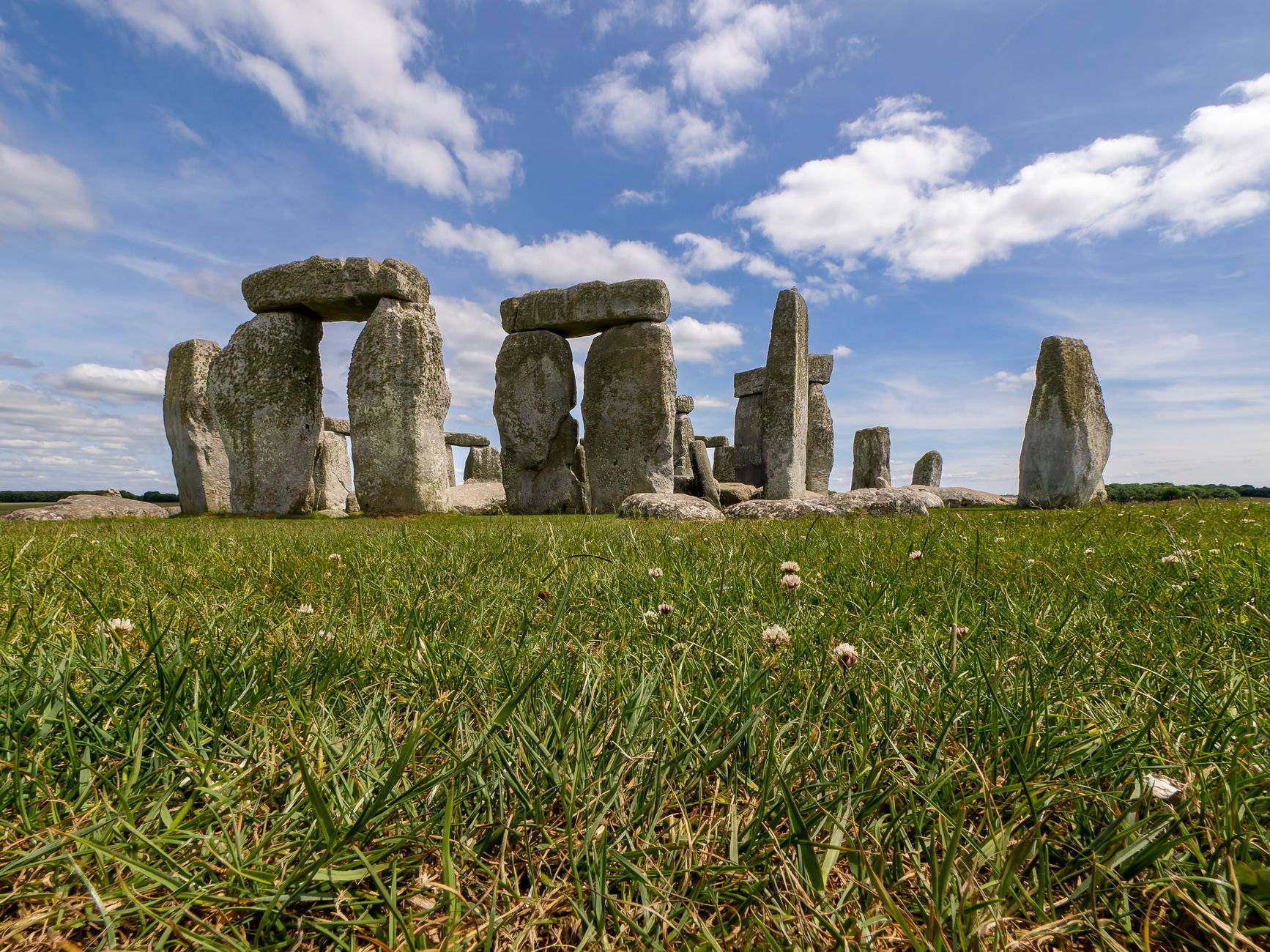
Forget Stonehenge and mass tourism; the true magic of summer solstice lies in the intimate, age-old traditions locals protect. Join me on a journey to uncover these cherished secrets, where ancient rituals meet genuine community spirit, far from the tourist trail. Prepare to experience the longest day like never before. ---
The midnight sun painted the sky in hues of rose and gold, casting long, dancing shadows across the ancient stone circle. A hushed crowd, mostly locals, stood in silent reverence, their faces illuminated by the flickering flames of a small bonfire. The air hummed with an energy so palpable, it felt like the earth itself was breathing. This wasn't some packaged tour or a famous landmark teeming with selfie sticks; this was a moment, raw and real, tucked away on a remote Irish hillside for the Summer Solstice. And it was a secret I almost missed.
For years, I chased the well-trodden paths, ticking off famous festivals and iconic landmarks. But something always felt… missing. It was during a particularly crowded Midsummer in Stockholm, lovely as it was, that a local whispered, "You haven't seen anything until you've been to our island. That's where the real magic happens." That offhand comment sparked a new quest: to find the summer solstice celebrations locals hold dear, the ones they don't advertise, the ones steeped in genuine tradition rather than tourist dollars.
What I discovered transformed my understanding of travel. These aren't just events; they're invitations into the soul of a culture, moments of profound connection to nature, history, and community. They require patience, respect, and often, a little bit of luck (and a lot of local tips!). If you're ready to trade the guidebooks for genuine immersion, read on. Because these are the summer solstice secrets I'm almost hesitant to share, but the world deserves a little more authentic magic.
1. The Nordic Whisper: Beyond the Tourist Midsummer in the Åland Islands, Finland
Everyone knows about Swedish Midsummer – the maypole, the dancing frogs, the pickled herring. It’s a beautiful spectacle, but often an overwhelmingly crowded one in major cities. My local whisper led me to the Åland Islands, an autonomous Finnish archipelago where Swedish is spoken, and Midsummer (Juhannus in Finnish, Midsommar in Swedish) retains a deeply rooted, community-focused charm.
My journey began with a ferry from Turku, Finland, a serene four-hour cruise through the archipelago. I'd booked a small cottage on a family-run farm near the village of Geta, a place recommended by a Finnish friend of a friend. The idea was to simply be there, not to follow a strict itinerary.
On Midsummer's Eve, instead of a grand festival, I found myself helping a local family erect their own smaller, hand-decorated maypole. Children gathered wildflowers, their laughter echoing through the fields, while the adults meticulously wove birch leaves and ribbons. Later, we shared a simple, yet incredibly fresh, meal of new potatoes, grilled fish caught that morning, and homemade bread. The evening culminated in a communal sauna – a non-negotiable part of Finnish tradition – followed by a bonfire by the sea. We sang folk songs, told stories, and watched the sun dip momentarily below the horizon before rising again, painting the sky in an endless twilight. There was no entrance fee, no stage, just pure, unadulterated communal joy.
Practical Tips for Åland:
- Getting There: Ferries run from Turku or Helsinki (Finland) or Stockholm (Sweden). Book well in advance, especially around Midsummer. A return trip from Turku to Mariehamn (main town) can cost around €20-€40 per person, varying by season and booking time.
- Accommodation: Look for small guesthouses (bed & breakfast), farm stays, or cottage rentals outside of Mariehamn. Websites like Lomarengas (for Finnish cottages) or local Åland tourism sites are great resources. Expect to pay €80-€150/night for a decent cottage.
- How to Connect: This is key. Stay at a family-run place, visit local cafes, or simply ask around. Ålanders are friendly but not overtly expressive. Show genuine interest, offer to help, and you might find yourself invited into a family's celebration. Learn a few basic Swedish or Finnish phrases.
- What to Expect: Simplicity, nature, saunas, and bonfires. The focus is on family and community. Don't expect organized events; expect to be part of the flow. Bring bug spray!
2. Ivan Kupala's Enchantment: The Fire and Water Rituals of Rural Ukraine
My fascination with hidden solstice traditions led me eastward, to the ancient Slavic festival of Ivan Kupala (sometimes called Kupalle). While it's celebrated in many Eastern European countries, I was drawn to the rural heartlands of Ukraine, where pre-Christian pagan roots still run deep, often blending seamlessly with Christian traditions.
A friend of a friend (yes, networking is crucial for these trips!) connected me with a family in a small village near Poltava, a region known for its rich folk traditions. I arrived a few days before the festival, helping with farm chores and learning about village life. The air buzzed with anticipation.
On Kupala Eve, the village transformed. Women and girls, adorned with flower wreaths, gathered by the river. They lit candles and carefully placed their wreaths, laden with wishes for love and fortune, onto the water, watching them drift downstream. Meanwhile, men built towering bonfires on the riverbanks. As darkness fell, the real magic began. Young couples, hand-in-hand, bravely leaped over the flames – a ritual believed to cleanse and strengthen their bond. The daring ones even tried to jump over three times for extra luck! The night was filled with ancient songs, playful games, and a palpable sense of communal joy and ancient belief. I remember the exhilarating rush of joining hands with a local girl and jumping over a smaller fire, feeling a connection to generations past.
Practical Tips for Rural Ukraine (or similar Slavic regions):
- Getting There: Fly into Kyiv (Boryspil Airport, KBP), then take a train or bus to a regional center like Poltava. From there, local buses or arranged transport will take you to smaller villages. Train tickets from Kyiv to Poltava can be around €10-€20.
- Accommodation: This is where local connections are vital. Agritourism is growing; look for small guesthouses or try platforms like Airbnb for unique rural stays. Expect very affordable prices, often €20-€50/night for a room in a local home.
- How to Connect: This is not a "show up and expect a party" situation. Engage with local tour operators specializing in cultural immersion, or use personal networks. Learning a few Ukrainian or Polish phrases will open many doors. Respect customs, ask permission before photographing, and be prepared for heartfelt hospitality.
- What to Expect: A vibrant, energetic festival centered around fire, water, and nature. Expect singing, dancing, traditional food, and a strong sense of community. The atmosphere is less about spectacle and more about participation.
3. Celtic Twilight: Reclaiming the Stones in West Cork, Ireland
Ireland, with its ancient megalithic sites, is a natural magnet for solstice seekers. But while Newgrange draws thousands, I sought something more intimate. My quest led me to the rugged beauty of West Cork, a region dotted with lesser-known stone circles that whisper tales of forgotten ages.
I spent a week exploring the Sheep's Head Peninsula, staying in a charming B&B near the picturesque village of Schull. My host, an elderly woman named Maeve with eyes that held centuries of stories, hinted at a gathering at a local stone circle on the solstice. "It's not advertised, mind you," she said, "just a few of us. Old ways."
On the longest day, armed with a thermos of tea and Maeve's directions, I hiked a winding path to Drombeg Stone Circle, often called 'The Druid's Altar.' As the sun began its descent, a small group of about twenty locals, ranging from young families to silver-haired elders, slowly gathered. There were no elaborate ceremonies, no booming speeches. Instead, a quiet reverence settled over the ancient stones. One woman, her voice raspy with age, began to chant a traditional Gaelic song, its melancholic beauty echoing across the fields. Others brought small offerings – wildflowers, smooth pebbles – placing them gently on the central altar stone. We watched in companionable silence as the last rays of sunlight perfectly aligned with the axial stone, a moment of profound connection to our ancestors and the rhythm of the earth. It was a deeply personal, almost spiritual experience, far removed from any commercial agenda.
Practical Tips for West Cork:
- Getting There: Fly into Cork Airport (ORK), rent a car, and drive west. This region is best explored by car.
- Accommodation: West Cork has numerous excellent B&Bs and guesthouses. Expect to pay €50-€90/night for a comfortable room. Staying at a local B&B is your best bet for local insights.
- How to Connect: Engage with your B&B hosts, visit local pubs (respectfully, and don't expect immediate revelations), and frequent small village shops. Mention your interest in local history and traditions. The Irish are incredibly welcoming, but these gatherings are often word-of-mouth.
- What to Expect: Quiet contemplation, storytelling, and a deep connection to ancient landscapes. Be prepared for unpredictable weather, even in summer. Bring sturdy walking shoes and rain gear.
4. Andean Sunrise: Inti Raymi's Untouched Echoes in Peru's Sacred Valley
Inti Raymi, the Inca Festival of the Sun, is celebrated with grand spectacle in Cusco, Peru. It's magnificent, but also incredibly popular. To find a more intimate experience, I ventured deeper into the Sacred Valley, seeking out smaller, community-led celebrations that echo the ancient reverence for the sun god, Inti.
My guide, a Quechua man named Mateo, lived in a small village high above Pisac. He agreed to take me on a "pilgrimage" to a lesser-known ruin site for the solstice. We rose before dawn, the air crisp and thin at 3,500 meters (11,500 feet). The trek was challenging but breathtaking, revealing panoramic views of the valley.
As the first sliver of sun appeared over the jagged peaks, we joined a handful of local families and shamans. There were no elaborate costumes or throngs of tourists. Instead, a quiet ceremony unfolded. Offerings of coca leaves, corn, and chicha (a fermented corn drink) were made to Pachamama (Mother Earth) and Inti. A shaman chanted ancient prayers, his voice carrying on the wind, as the sun's rays slowly illuminated the ancient stones. We shared a simple breakfast of quinoa and potatoes, a silent communion with the land and its people. Mateo explained that for his community, this was a moment of profound gratitude and renewal, a direct link to their ancestors. It was a powerful reminder that true celebration often lies in simplicity and sincere reverence.
Practical Tips for the Sacred Valley (off-the-beaten-path):
- Getting There: Fly into Cusco (CUZ). From there, hire a local taxi or arrange private transport to a less-visited village in the Sacred Valley, like those near Pisac or Urubamba, but away from the main tourist hubs.
- Accommodation: Look for community-based tourism initiatives or small, family-run guesthouses in villages like Patacancha or Lares Valley. These can offer authentic cultural exchange. Expect to pay €30-€80/night.
- How to Connect: Hire a local, indigenous guide through reputable community tourism organizations or local guesthouses. This is crucial for respectful access and understanding. Be clear about your intentions – to observe and learn, not to intrude.
- What to Expect: High altitude, stunning scenery, and deep spiritual significance. Dress in layers, bring sun protection, and be prepared for simple living. Be respectful of local customs and traditions.
5. Mediterranean Mystique: The Fire Jumps of Ikaria, Greece
My final solstice secret took me to the Aegean Sea, to the Greek island of Ikaria. Known as one of the world's "Blue Zones" (where people live exceptionally long, healthy lives), Ikaria also holds onto its ancient traditions with fierce pride. While many Greek islands celebrate the feast of St. John the Baptist around the solstice, Ikaria's version, particularly in its more remote villages, felt distinctly untamed.
I arrived in a small village nestled in the mountains, far from the island's more popular beaches. I’d heard whispers of fire-jumping rituals from a local I met on the ferry. The festival, locally called Klidonas, was a vibrant mix of pagan and Christian elements.
As dusk settled, villagers gathered in the main square. Women, dressed in traditional attire, brought out a large clay pot filled with "silent water" and various personal objects, which were then "read" for prophecies. But the highlight, for me, was the bonfires. Villagers, young and old, would jump over the flames, believing it cleansed them of evil and brought good luck for the year ahead. The atmosphere was electrifying – music, dancing, copious amounts of local wine (Ikarian wine is legendary!), and a feast of slow-roasted goat and freshly caught fish. I found myself drawn into a circle dance, hands linked with strangers who quickly felt like family, leaping over dying embers with a joyful shout. It was a celebration of life, resilience, and the enduring spirit of community.
Practical Tips for Ikaria:
- Getting There: Fly into Ikaria National Airport (JIK) or take a ferry from Piraeus (Athens). Ferries can be long (6-10 hours) but offer a beautiful journey.
- Accommodation: Seek out small guesthouses or traditional houses (rented via Airbnb or local agencies) in mountain villages like Christos Raches, or quieter coastal spots. Expect €60-€120/night.
- How to Connect: Ikarians are famously independent and welcoming. Strike up conversations in local tavernas, coffee shops, or village squares. Ask about panigiria (local festivals) or Klidonas around June. Be patient and friendly.
- What to Expect: A laid-back, authentic island experience. Expect late nights, delicious food, strong local wine, and a deep connection to nature and tradition. The energy is infectious.
The Unspoken Language of Authenticity
These experiences, woven into the fabric of local life, are not about grand spectacles or curated performances. They are about community, heritage, and the shared human desire to mark the changing seasons. They are often quiet, sometimes chaotic, always deeply moving.
How to Find Your Own Solstice Secrets:
- Go Local, Literally: Stay in family-run guesthouses, B&Bs, or farm stays. Avoid large chain hotels. Your hosts are your best source of information.
- Learn Basic Phrases: A few words in the local language can open immense doors and show respect.
- Engage, Don't Just Observe: Offer to help, ask questions (politely!), and be open to spontaneous invitations.
- Research Beyond the Main Attractions: Look for regional tourism boards, local cultural societies, or even academic papers on folklore. Sometimes, smaller, less-known villages have the richest traditions.
- Be Flexible and Patient: These aren't ticketed events. Things might not happen on a precise schedule. Embrace the spontaneity.
- Respect Above All: You are a guest in someone else's tradition. Ask permission before taking photos, dress appropriately, and be mindful of cultural norms.
- Travel Sustainably: Support local businesses, minimize your environmental impact, and leave no trace.
The summer solstice, the longest day, is a potent reminder of life, light, and renewal. While the world's famous landmarks are certainly worth a visit, the true magic, the kind that settles deep in your soul, often lies in the hidden corners, in the quiet traditions cherished by locals. These are the moments that transform a trip into a journey, a tourist into a traveler, and a stranger into a friend.
So, this coming solstice, instead of chasing the crowds, consider chasing the whispers. Seek out the small villages, the ancient hills, the quiet shores where traditions still burn bright. You might just find a piece of magic you never knew existed. And when you do, share your story – but maybe keep a few of those secrets just for yourself.
---
More pictures


Tags
Share this guide
We may earn a commission if you click a link and buy a product or service, at no extra cost to you. How affiliate links work.
Been there?