
Tired of leaving a plastic trail? Join the vanguard of eco-conscious explorers discovering game-changing zero-waste packing essentials before they hit the mainstream. Get ready to transform your travel footprint, lighten your load, and inspire a greener way to wander. ---
The Future of Travel is Plastic-Free: Your Guide to Zero-Waste Packing Essentials (Before Everyone Else Catches On)
I remember standing on Kuta Beach in Bali, the sunset painting the sky in fiery oranges and purples, a scene of absolute paradise. But as the tide receded, it revealed not just seashells, but an ugly mosaic of plastic bottles, bags, and straws. My heart sank. Here I was, a passionate traveler, exploring the world's beauty, yet inadvertently contributing to its destruction with every mini-shampoo bottle, every plastic-wrapped snack, every "convenient" single-use item.
That moment was a wake-up call. It sparked a mission: to travel not just lightly, but cleanly. To minimize my impact, not just on my wallet or my back, but on the planet itself. And what I discovered on this journey of conscious packing has been nothing short of revolutionary. We’re talking about essentials that are still under the radar for many, but are rapidly becoming the gold standard for savvy, sustainable travelers.
Forget the rudimentary bar soap. We're diving deep into the next generation of zero-waste travel gear – items that will make you wonder how you ever traveled without them. So, if you're ready to be ahead of the curve, to pack smarter, greener, and inspire a whole new way of exploring, then buckle up. Your ultimate guide to zero-waste travel packing essentials starts now.
1. The Personal Care Revolution: Beyond the Bar Soap (Seriously)
Yes, solid shampoo bars are great, but the world of zero-waste personal care has evolved far beyond that. We’re talking about innovative solutions that are compact, effective, and leave absolutely no trace.
The Dental Game-Changer: Refillable Silk Floss Forget those tiny plastic floss dispensers. My latest obsession is refillable dental floss. You get a sleek, often metal or glass, dispenser (mine is a chic matte black from Dental Lace, around $12), and then you simply buy silk or bamboo floss refills. The floss itself is compostable, and the refills come in tiny cardboard boxes. It's a small change, but think about how many plastic floss containers you've tossed over the years. This tiny switch makes a huge difference. Plus, it looks infinitely better on your hostel bathroom shelf.
Concentrated Powder-to-Liquid Toiletries This is where things get really exciting. While solid bars are fantastic, some brands are now offering highly concentrated powders or tablets that activate with water to become shampoo, conditioner, or body wash. Imagine a tiny sachet that makes a full bottle of shampoo! Everist offers waterless concentrates that are incredibly potent and packaged in recyclable aluminum tubes. For about $24 for a shampoo concentrate, it's a bit of an investment, but it lasts ages and saves so much plastic. I recently took their shampoo and conditioner concentrates on a two-week trekking trip through Patagonia, and they were a dream – no leaks, super lightweight, and my hair felt amazing even after dusty trails.
SPF Powder & Solid Sunscreen Sticks Sunscreen is a non-negotiable, but those plastic tubes are a problem. Enter SPF powder! Brands like Colorescience offer brush-on mineral SPF powders (around $30-60) that double as a mattifying face powder. It's perfect for touch-ups over makeup and totally plastic-free. For body, look for solid mineral sunscreen sticks from brands like Ethique or Avasol (around $15-25). They're mess-free, won't count against your liquid limits, and are reef-safe. I used an Ethique stick religiously on my diving trip in Thailand, and it held up beautifully without harming the vibrant coral.
Actionable Tip: Before your next trip, take stock of your current liquid toiletries. For each one, research a solid, concentrated, or refillable alternative. You'll be amazed at the clever solutions out there!
2. Kitchen & Hydration Heroes: Beyond the Basic Water Bottle
We all know to carry a reusable water bottle. But what about everything else? From coffee to snacks, our on-the-go habits generate a surprising amount of waste. These items are your secret weapons for tackling food and drink waste.
The Collapsible Coffee Cup & Food Container (Two-in-One!) A collapsible silicone cup is a game-changer. My Stojo cup (around $15-20) flattens down to practically nothing, fitting into even the smallest daypack. It's perfect for that morning cappuccino in Paris, saving you from a disposable cup, and it can also double as a small container for leftovers from a street food stall in Rome. I once saved a delicious portion of pasta from being wasted by tucking it into my Stojo cup – a true hero move! Some brands also offer collapsible bowls or full containers like the Pack-It-All by W&P Design, which is great for taking a packed lunch or bringing home restaurant leftovers.
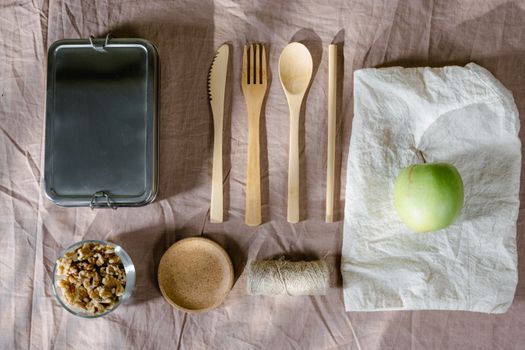
The Versatile Utensil Kit & Food Wraps A lightweight, packable utensil set (fork, spoon, knife, chopsticks) made from bamboo or titanium is a must. Brands like To-Go Ware offer bamboo sets in a handy cloth pouch for about $10-15. This means no more plastic forks with your pad Thai in Bangkok or your gelato in Florence. Pair this with a few reusable silicone food pouches (Stasher bags are fantastic, around $10-20 each) and/or beeswax wraps (or vegan alternatives like Bee's Wrap, $15 for a set). These are perfect for packing snacks, wrapping half-eaten sandwiches, or even bringing home a piece of fruit from the market without needing a plastic bag. I’ve used my Stasher bags to carry everything from trail mix on a hike in the Dolomites to wet swimsuits after a dip in the Mediterranean.
Personal Water Filter (Beyond LifeStraw) While LifeStraw is great, there are more integrated, compact options now. Consider a water bottle with a built-in filter, like the Grayl GeoPress (around $90) or the Katadyn BeFree (around $40). These allow you to safely drink from almost any freshwater source, drastically reducing your need to buy bottled water, especially in places where tap water isn't safe. I carried a Grayl on a remote trip through the Peruvian Amazon, and it was invaluable – not only did it save me money, but it meant I wasn't relying on single-use plastic bottles in an incredibly fragile ecosystem.
Actionable Tip: Before you leave, identify your common "single-use item" triggers (coffee cups, plastic cutlery, snack bags). Invest in one or two high-quality, reusable alternatives for each. You’ll be surprised how quickly they become second nature.
3. The Smart Wardrobe & Laundry Game-Changers: Keeping it Fresh & Light
Packing light is a zero-waste principle in itself, but what about keeping your clothes clean and fresh without relying on hotel laundry services or plastic-bottled detergents?
Dissolvable Laundry Strips This is a true revelation for the eco-conscious traveler. Laundry detergent strips, like those from Tru Earth or Earth Breeze (around $15-20 for 30 loads), are ultra-lightweight, take up zero space, and dissolve completely in water. No plastic jugs, no messy liquids, no measuring. Just toss a strip into the sink or a hotel laundry machine. I always pack 5-6 strips for a two-week trip – perfect for handwashing essentials in a hostel sink in Lisbon or doing a quick load at a laundromat in Sydney. They're a minimalist's dream.
Portable Clothesline with Suction Cups This might sound old-school, but a simple travel clothesline (around $10-15) with suction cups is a lifesaver. It allows you to handwash quick-dry items (like those glorious merino wool tees) in your hotel room and hang them to dry anywhere – from the shower wall to a window. No need for wasteful dryer sheets or energy-intensive dryers. I’ve strung mine up in countless Airbnb bathrooms, from Tokyo to Toronto, ensuring my favorite travel clothes are always fresh.
Stain Remover Stick & Solid Spot Cleaner Accidents happen. Instead of buying a travel-sized stain remover in a plastic bottle, pack a solid stain remover stick (like the Tide To Go stick, but look for a more eco-friendly version from brands like Nellie's All-Natural or The Laundress for around $5-10). They're compact, effective, and last for ages. For tougher spots, a solid laundry bar can do wonders – just rub it on, scrub, and rinse. This keeps your clothes looking good for longer, reducing the need to buy new items while traveling.
Actionable Tip: Focus on packing quick-dry fabrics (merino wool, Tencel, bamboo) that require less washing. Combine this with laundry strips and a clothesline, and you'll drastically cut down on laundry-related waste and expense.
4. Gear & Gadgets: Sustainable Tech & Carry Solutions
Even our tech and how we carry our belongings can be optimized for zero waste. It's about making conscious choices for items that often have a significant environmental footprint.
Solar Charger for Your Devices While not entirely "zero-waste" in manufacturing, a portable solar charger (like an Anker or Goal Zero model, around $30-100 depending on capacity) significantly reduces your reliance on grid electricity while on the go. It’s perfect for charging your phone, e-reader, or camera battery when you’re off-grid, hiking in a national park, or just enjoying a sunny afternoon. I loved the feeling of charging my phone on a trek through the Scottish Highlands, knowing I was harnessing the sun's power. It’s empowering and cuts down on your energy consumption.
Eco-Friendly Phone Case & Accessories Your phone case doesn't have to be another piece of plastic destined for a landfill. Brands like Pela Case offer compostable phone cases (around $40-50) made from plant-based materials. They're durable, look great, and when you're done with them, they can literally go into your compost bin. Look for similar sustainable alternatives for charging cables (recycled plastic or braided hemp) and power banks (recycled aluminum). It’s a small detail, but these everyday items add up.
Reusable, Ultra-Lightweight Shopping Bags You probably already have a reusable shopping bag, but for travel, opt for one that’s incredibly lightweight and packs down into its own tiny pouch. Brands like ChicoBag or Baggu (around $10-15) offer bags that can fit in your pocket and carry a surprising amount. This is crucial for avoiding plastic bags at markets, grocery stores, or souvenir shops. I always keep one tucked into my daypack, ready for an impromptu market haul in Marrakech or a grocery run in Berlin.
Actionable Tip: When upgrading tech accessories, prioritize brands with strong sustainability commitments. Even small choices, like a compostable phone case, contribute to a larger impact.
5. The Mindful Explorer's Toolkit: Experiences, Not Just Stuff
True zero-waste travel isn't just about what you pack; it's about how you travel, what you consume, and the mindset you cultivate. This toolkit focuses on enriching your experience while reducing your physical footprint.
Digital Guides & Maps (Offline Access is Key!) Leave the heavy guidebooks at home. Apps like Maps.me (for offline maps), Google Maps (with downloaded areas), and digital versions of guidebooks (like Lonely Planet e-books) are your best friends. This saves paper, weight, and space in your bag. I’ve navigated bustling Tokyo streets and serene Icelandic trails with just my phone, feeling lighter and more organized.
Experience-Based Souvenirs Instead of buying plastic trinkets that will gather dust, invest in experiences. Take a cooking class in Italy, learn a traditional craft in Vietnam, go on a guided nature walk, or attend a local festival. These memories are priceless, leave no physical waste, and often support local economies more directly. My most cherished "souvenir" from a trip to Mexico wasn't an object, but the skill of making authentic salsa verde after a cooking workshop in Oaxaca.
Carbon Offsetting (The Next Frontier) While not a packing essential, conscious travelers are increasingly looking at their carbon footprint. While reducing flights is ideal, for those unavoidable journeys, consider carbon offsetting. Look for reputable organizations like Gold Standard or Cool Effect. Some airlines now offer this directly, or you can use apps that integrate it with your travel bookings. It’s not a perfect solution, but it’s a step towards acknowledging and mitigating our impact, moving beyond just "stuff."
Actionable Tip: Before your trip, plan a few experience-based activities. Research local zero-waste shops, farmers' markets, or restaurants that prioritize sustainability. Use apps like Too Good To Go to rescue surplus food from local eateries.
6. The Art of the Zero-Waste Mindset: A Lifestyle, Not Just a List
Ultimately, zero-waste travel is less about a checklist of items and more about adopting a conscious mindset. It's an extension of the "reduce, reuse, recycle" mantra, adding "refuse" and "repair" into the mix.
Refuse Single-Use Items: This is perhaps the most powerful tool in your zero-waste arsenal. Refuse plastic bags, straws, disposable coffee cups, and complimentary hotel toiletries. Politely decline and explain why, if you feel comfortable. A simple "No straw, please" can prevent countless pieces of plastic from entering the waste stream.
Repair, Don't Replace: Before buying new travel gear, consider if you can repair existing items. A torn backpack strap? A broken zipper? Many outdoor gear shops offer repair services, or you can learn basic mending skills yourself. This extends the life of your belongings and reduces consumption.
Research Your Destination: Before you arrive, do a quick search for "zero-waste [destination name]" or "eco-friendly [destination name]". You might find local refill shops, farmers' markets, or restaurants with strong sustainability practices. Supporting these businesses amplifies your impact. On my last trip to Berlin, I found an incredible zero-waste grocery store that allowed me to refill my spice jars and snack containers, making my Airbnb stay even more sustainable.
Inspire Others: Your actions speak volumes. When you pull out your collapsible cup or bamboo spork, people notice. Be open to sharing your tips and experiences. You might just inspire another traveler to start their own zero-waste journey.
The Future is Now: Pack Your Values, Travel Your Dreams
Zero-waste travel isn't about perfection; it's about progress. It’s about making intentional choices that align your wanderlust with your values. It’s about recognizing that every small decision, every item you refuse, every reusable you pack, creates a ripple effect.
When you embrace these cutting-edge zero-waste packing essentials, you're not just lightening your luggage; you're lightening your environmental footprint. You're becoming a more mindful, more impactful traveler. You're future-proofing your adventures, ensuring that the beautiful places you explore today will remain beautiful for generations to come.
So, are you ready to be an early adopter? To pack like the future of travel depends on it (because, frankly, it does)? Start small, experiment, and share your discoveries. The world is waiting for you to explore it, cleaner and greener than ever before.
What are your favorite zero-waste travel hacks or must-have items that are still flying under the radar? Share your wisdom in the comments below! Let’s build a community of conscious explorers and inspire each other to travel better.
#ZeroWasteTravel #SustainablePacking #EcoTravel #FutureOfTravel #TripsoraGreen #PackSmart
---
More pictures
Tags
Share this guide
We may earn a commission if you click a link and buy a product or service, at no extra cost to you. How affiliate links work.
Been there?